Have you ever looked at your mower blades and wondered if they’re too dull to fix? You rely on sharp blades to keep your lawn healthy and neat, but when they get worn down, it’s hard to know if sharpening will help or if it’s time to replace them.
What if you spend time sharpening only to find out the blades still don’t cut well? Understanding when mower blades are beyond saving can save you time, money, and frustration. Keep reading to learn how to tell if your blades can be sharpened or if it’s better to get new ones.

Credit: www.mowmore.com
Signs Of Excessive Dullness
Knowing when your mower blades are too dull to sharpen can save you time and money. Excessive dullness isn’t just about a lack of sharpness—it often shows clear signs you shouldn’t ignore. Recognizing these signs helps you decide if it’s better to replace the blades rather than waste effort on sharpening.
Visual Damage And Wear
Check your blades closely for visible damage. Deep nicks, cracks, or bent edges mean the blade has endured too much wear. If you spot rust eating away at the metal or chunks missing, sharpening won’t restore proper function.
I once tried sharpening a blade with multiple cracks and ended up damaging my mower’s deck. It’s a reminder that visual damage isn’t just cosmetic—it affects safety and performance.
Uneven Cutting Performance
If your lawn looks patchy or uneven after mowing, dull blades might be the cause. Instead of slicing grass cleanly, worn blades tear it, leading to ragged edges and uneven patches. This not only hurts your lawn’s appearance but also its health.
Ask yourself: does your grass look freshly cut or more like it’s been roughly torn? If it’s the latter, your blades may be beyond sharpening.
Increased Effort And Vibration
Notice if your mower feels harder to push or vibrates more than usual. Excessively dull blades force the engine to work harder, increasing fuel consumption and wear. Vibrations often mean the blade is unbalanced due to uneven dullness or damage.
Have you felt your mower shaking unusually? This discomfort signals that your blades might be causing more harm than good, suggesting it’s time for replacement.

Credit: www.youtube.com
Factors Affecting Sharpening Viability
Several factors decide if mower blades are too dull to sharpen. Knowing these helps avoid wasted effort and keeps your mower effective. Some blades regain sharpness easily, while others may need replacement. Understanding what affects sharpening helps maintain lawn care tools properly.
Blade Material And Quality
Blade material impacts how well it sharpens. High-quality steel blades hold edges longer and sharpen more easily. Cheaper blades may wear out fast and lose shape. Hardened steel resists damage, making sharpening more effective. Soft metals often become too thin or bent after use.
Frequency Of Use And Maintenance
Blades used often dull faster and may need more frequent sharpening. Regular cleaning and oiling extend blade life. Neglected blades develop rust or build-up, reducing sharpening chances. Consistent maintenance keeps blades in good shape for resharpening. Long gaps between sharpenings can cause irreparable damage.
Type Of Damage Sustained
Minor dullness can be fixed by simple sharpening. Deep nicks, cracks, or bends may prevent blade repair. Bent blades lose balance and cause mower vibration. Cracked blades are unsafe and must be replaced immediately. Assess damage carefully before deciding to sharpen or buy new.
When Sharpening Is Not Advisable
Sharpening mower blades can extend their life and improve lawn care. Yet, some blades become too damaged to sharpen safely. Knowing when sharpening is not advisable helps avoid problems and keeps your mower working well. Certain conditions make blade sharpening unsafe or ineffective.
Severe Nicks And Cracks
Blades with deep nicks or visible cracks should not be sharpened. These damages weaken the blade’s structure. Sharpening can worsen cracks and lead to blade breakage during use. Broken blades are dangerous and can harm people or property nearby.
Excessive Blade Thickness Loss
Sharpening removes metal from the blade’s edge. If a blade has been sharpened many times, it may lose too much thickness. Thin blades cannot cut efficiently and may bend or break. When thickness is too low, replacing the blade is safer than sharpening.
Structural Weakness
Rust, corrosion, and metal fatigue cause structural weakness in blades. Weak blades may not hold an edge and break easily. Signs include bending, warping, or rough surfaces on the blade. Such blades need replacement to ensure mower safety and performance.
Expert Tips For Effective Sharpening
Mower blades can indeed become too dull to be sharpened effectively. But with expert tips, you can breathe new life into them. This guide will help you make the most of your sharpening efforts, ensuring your mower performs at its best. Let’s dive into the essentials of effective sharpening.
Choosing The Right Tools
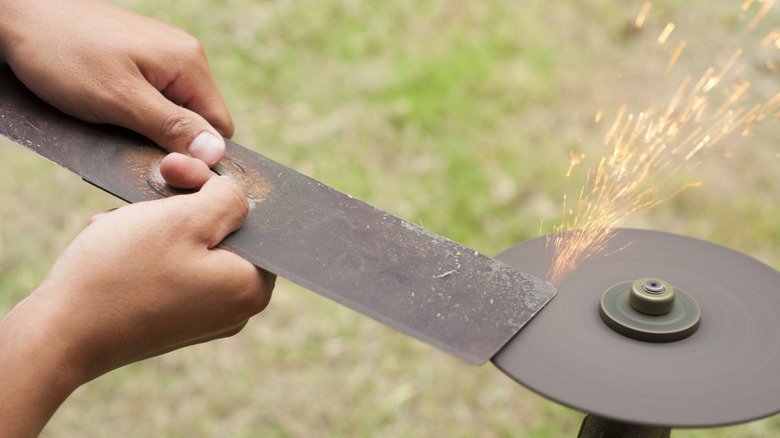
The right tools can make all the difference when sharpening mower blades. A bench grinder, hand file, or angle grinder are popular choices, but selecting one depends on your comfort and experience. A hand file offers precision, while a bench grinder speeds up the process. Remember, investing in quality tools will pay off in the long run.
Proper Sharpening Angles
Sharpening angles are crucial for achieving optimal cutting performance. Aim for an angle between 30 to 45 degrees, as this ensures efficiency and longevity. A sharper angle may create a finer edge, but it could dull faster. Have you considered using an angle gauge? It can help maintain consistency and precision.
Balancing And Finishing Techniques
After sharpening, balancing your mower blades is essential. An unbalanced blade can damage your mower and lead to uneven cuts. Use a blade balancer or a simple nail in the wall to check for balance. Once balanced, finish by removing any burrs with a fine-grit sandpaper or a honing stone for a smooth edge.
These expert tips can transform your dull blades into sharp, efficient cutting tools. What changes will you make to your sharpening routine?
Alternatives To Sharpening
Sometimes mower blades get so worn out or damaged that sharpening isn’t the best choice. When blades are too dull, bent, or chipped, you need alternatives to keep your mower working efficiently. Exploring these options can save time, effort, and even money in the long run.
Blade Replacement Guidelines
If your mower blade has deep nicks, cracks, or bends, sharpening won’t restore it to a safe, sharp edge. At this point, replacing the blade is often the smartest choice. Look for blades that match your mower’s model and size specifications exactly.
Check the manufacturer’s manual or website for recommended blade types and replacement intervals. Keep a spare blade on hand so you can swap it out immediately when needed. This helps avoid downtime during peak mowing season.
Professional Servicing Options
Sometimes it pays to get an expert involved. Professional mower servicing shops can assess whether your blade can be sharpened or needs replacement. They have specialized tools to restore blades to optimal condition.
Professionals also inspect other mower parts that might affect cutting performance, such as belts and engine components. This comprehensive approach ensures your mower runs smoothly and cuts cleanly every time.
Preventive Maintenance Practices
Preventing blade dullness is easier than fixing it. Regularly cleaning your blades after each use removes grass buildup and dirt that cause wear. Also, avoid mowing over rocks or thick debris that damage blades quickly.
Balancing your blades is another key step. Unbalanced blades cause vibrations that wear out mower parts faster. Try balancing blades yourself with a simple tool, or have a pro do it during regular service visits.
How often do you inspect your blades? Making a habit of quick checks before each mow can catch problems early and extend blade life significantly.
.png)
Credit: www.misterworker.com
Frequently Asked Questions
Can Mower Blades Become Too Dull For Sharpening?
Yes, mower blades can become too dull if they have deep nicks or excessive wear. Sharpening might not restore their cutting edge effectively in such cases.
How To Tell If Mower Blades Are Beyond Sharpening?
If the blade is thin, cracked, or severely chipped, it’s likely beyond sharpening. Excessive damage compromises balance and cutting performance.
What Risks Come With Sharpening Overly Dull Blades?
Sharpening overly dull blades can cause imbalance, vibration, and damage to the mower. It may also reduce blade lifespan and cutting quality.
When Should You Replace Mower Blades Instead Of Sharpening?
Replace blades if they’re bent, cracked, or worn down significantly. Also, if sharpening removes too much metal, replacement is safer.
Conclusion
Dull mower blades can harm your lawn and machine. Sometimes blades become too worn or damaged to sharpen well. Knowing when to replace them saves time and effort. Regular checks help keep blades sharp and cutting clean. A sharp blade cuts grass evenly and protects your mower.
Don’t wait too long to fix dull blades. Sharp blades mean a healthier lawn and better mowing results. Keep your mower in good shape with simple blade care. It makes all the difference.





