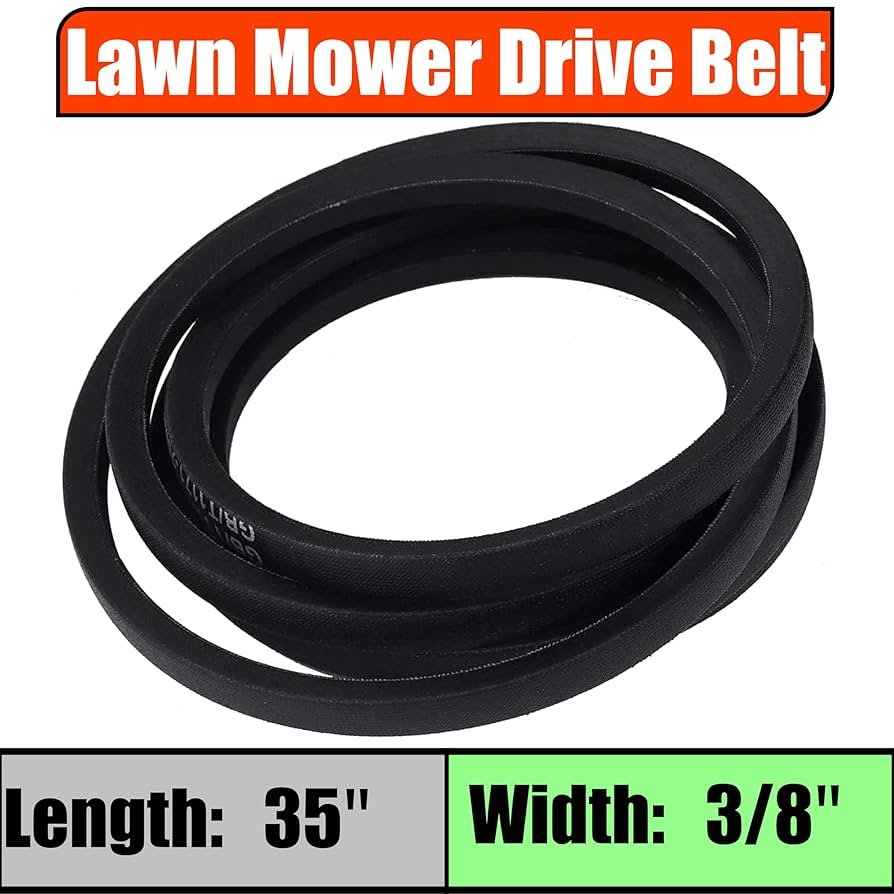
If you own a Husqvarna mower, you know how important it is to keep it running smoothly. One key part that often gets overlooked is the transmission belt.
But how do you know what size transmission belt your mower needs? Choosing the right belt can save you time, money, and frustration. You’ll discover the exact size you need and tips to make sure your mower stays in top shape.
Keep reading to find out everything you need to know about your Husqvarna mower’s transmission belt.

Credit: www.amazon.ca
Transmission Belts For Husqvarna Mowers
Transmission belts are key parts of Husqvarna mowers. They connect the engine to the wheels. This connection helps the mower move and cut grass properly. Choosing the right belt size keeps your mower working smoothly. Using the wrong belt can cause slipping or damage.
Husqvarna mowers use different belt sizes. These sizes depend on the mower model and type. Knowing the right belt size saves time and money. It also prevents mower breakdowns during yard work.
Common Transmission Belt Sizes For Husqvarna Mowers
Husqvarna mowers typically use belts in these size ranges:
- Length: 70 to 120 inches
- Width: 0.5 to 1 inch
- Type: V-belts or flat belts
Always check your mower’s manual for exact belt specifications.
How To Identify The Right Belt Size
Look at the old belt for size markings. If missing, measure the belt’s length and width. Use a tape measure for accuracy. Measure the belt’s outer circumference for length. The width is the flat or top part of the belt.
Tips For Replacing Transmission Belts
- Turn off the mower and remove the key.
- Release belt tension before removal.
- Compare the new belt with the old one.
- Fit the new belt carefully around pulleys.
- Check tension and adjust if needed.
Common Belt Sizes
Choosing the right transmission belt for your Husqvarna mower ensures smooth operation and longer equipment life. Transmission belts come in various sizes tailored for different mower models. Knowing common belt sizes helps you pick the correct one quickly and avoid downtime.
Standard Measurements
Most Husqvarna mower belts follow standard sizing formats. These sizes include length, width, and thickness. Length is usually measured in inches or millimeters.
- Length: Typically ranges from 60 to 120 inches.
- Width: Common widths are 0.5 to 1 inch.
- Thickness: Usually between 0.1 to 0.3 inches.
Belt sizes often appear as a series of numbers, such as 1/2″ x 78″. This means half an inch wide and seventy-eight inches long. These measurements help ensure the belt fits the pulleys correctly.
Size Variations By Model
Husqvarna offers many mower models, each requiring specific belt sizes. Smaller push mowers use shorter, narrower belts. Riding mowers need longer, wider belts for power transmission.
| Model Type | Typical Belt Length | Belt Width |
|---|---|---|
| Push Mowers | 60-70 inches | 0.5 inches |
| Riding Mowers | 80-120 inches | 0.75-1 inch |
| Zero-Turn Mowers | 85-110 inches | 0.75 inches |
Check your mower’s manual or the belt itself for exact size details. Using the correct belt size prevents slipping and wear.
How To Measure Your Belt
Measuring the transmission belt for your Husqvarna mower is simple. Correct measurement ensures the mower runs smoothly. A belt that fits well lasts longer and works better. Follow these instructions to get the exact size you need.
Tools Needed
- Measuring tape or ruler
- Flexible string or cord
- Pen and paper to note measurements
- Caliper (optional for width measurement)
Step-by-step Measuring
Start by removing the old belt if possible. Lay it flat on a surface. Measure the total length of the belt using a measuring tape. For belts that are broken or missing, wrap a string along the mower’s belt path. Mark where the string meets. Measure the string length with a ruler. Next, measure the belt width. Use a ruler or caliper for accuracy. Write down all measurements clearly. Double-check measurements before buying a new belt. Accurate size avoids fitting problems and mower damage.

Credit: www.amazon.ca
Signs Of A Worn Transmission Belt
Worn transmission belts can cause unusual noises and reduced performance in Husqvarna mowers. To ensure smooth operation, it’s crucial to know the correct belt size for replacement. Regular checks help maintain mower efficiency and extend its lifespan.
Understanding the signs of a worn transmission belt on your Husqvarna mower can save you from unexpected breakdowns. A faulty belt can lead to decreased performance and may even cause damage to other parts. Recognizing these signs early ensures your mower runs smoothly and efficiently.Visual Indicators
Regularly inspect the belt for visible wear and tear. Look for cracks, fraying, or glazing on the belt’s surface. A shiny or smooth appearance indicates the belt is slipping and needs replacement. Another visual clue is the presence of rubber dust or residue around the transmission area. This dust results from excessive wear and can signal imminent failure. Keep an eye out for these warning signs during routine maintenance checks.Performance Issues
Notice any changes in your mower’s performance? Difficulty in changing speeds or a sudden loss of power are red flags. These issues often point to a worn transmission belt struggling to maintain proper tension. You might also experience unusual noises, like squealing or rattling, when the belt is under load. These sounds suggest the belt is not gripping effectively. Addressing these performance issues promptly can prevent more serious damage down the line. Have you ever paused to think how a small component like a transmission belt plays such a vital role in your mower’s operation? Pay attention to these signs and keep your Husqvarna mower running smoothly.Choosing The Right Replacement Belt
Choosing the right replacement belt for your Husqvarna mower is key for smooth operation. A belt that fits well ensures your mower runs efficiently and lasts longer. Picking the correct size and quality helps avoid breakdowns and extra costs.
Matching Specifications
Check your mower’s manual for the exact belt size. The length, width, and type must match the original belt. Using the wrong size can cause slipping or damage. Note down the model number and belt code for accurate replacement. Measure the old belt if the manual is unavailable. Ensure the replacement belt fits snugly around the pulleys without being too tight.
Quality And Material
Choose belts made from durable materials such as reinforced rubber or synthetic blends. These belts resist heat, wear, and stretching. A quality belt lasts longer and performs better under tough conditions. Avoid cheap belts that break or wear quickly. Look for belts with strong tensile strength and good flexibility. Reliable belts maintain mower speed and power without slipping.
Installing The Transmission Belt
Installing the transmission belt on your Husqvarna mower is key for smooth operation. This task requires care and the right steps to avoid damage. A well-installed belt ensures efficient power transfer from the engine to the wheels. Follow clear preparation and installation tips to get the job done right.
Preparation
Start by disconnecting the mower’s spark plug for safety. Clean the deck area to remove grass and debris. Check the belt size; it must match your mower model exactly. Gather tools like screwdrivers, wrenches, and gloves before starting. Make sure you have good lighting and space to work comfortably.
Installation Tips
- Loosen the tensioner pulley to release belt pressure.
- Remove the old belt carefully without damaging pulleys.
- Place the new belt around the transmission pulley first.
- Route the belt following the mower’s belt diagram.
- Tighten the tensioner pulley to secure the belt firmly.
- Spin the wheels by hand to check belt alignment and tension.
Common Mistakes To Avoid
- Using the wrong belt size causing slippage or breakage.
- Forgetting to disconnect the spark plug before working.
- Incorrect belt routing leading to poor mower performance.
- Over-tightening the belt, which can wear out components.
- Ignoring worn pulleys that may damage the new belt.
- Skipping the test spin to verify smooth operation.
Maintaining Your Transmission Belt
Maintaining your transmission belt is key to keeping your Husqvarna mower running smoothly. A well-cared-for belt lasts longer and helps avoid costly repairs. Simple care steps can prevent wear and tear, improving mower performance.
Regular attention to the belt ensures it stays strong and effective. Checking and cleaning the belt often protects it from damage caused by dirt, debris, and weather.
Regular Inspections
Inspect the transmission belt every few mowing sessions. Look for cracks, fraying, or signs of wear. Check the belt tension; it should be firm but not too tight. Replace the belt if you see damage or it slips during use. Early detection stops bigger problems.
Cleaning And Storage
Keep the belt clean from grass, dirt, and oil. Use a dry cloth to wipe the belt gently. Avoid using water or harsh chemicals that can weaken the material. Store your mower in a dry, cool place to prevent belt damage from heat or moisture. Proper storage extends the belt’s life and keeps it ready for use.
Where To Buy Replacement Belts
Finding the right replacement belt for your Husqvarna mower is crucial for maintaining its performance. Knowing where to buy ensures you get a quality product that fits perfectly and lasts longer. Here’s a clear guide to help you choose the best place to purchase your mower belt.
Authorized Dealers
Authorized dealers are a reliable source for genuine Husqvarna belts. They carry parts that meet the manufacturer’s standards, which means you avoid compatibility issues. Visiting a dealer also gives you access to expert advice tailored to your specific mower model.
Many dealers offer warranty coverage on parts, adding extra peace of mind. If you prefer seeing the product before buying, authorized dealers usually have physical stores nearby. Have you ever bought a part only to find it didn’t fit? Buying from an authorized dealer reduces that risk significantly.
Online Options
Buying replacement belts online offers convenience and a wide selection. Websites like Amazon, eBay, and specialized lawn mower parts stores provide detailed product descriptions and user reviews. These insights help you make an informed decision before clicking “buy.”
Look for sellers with high ratings and clear return policies. Some online retailers even offer free shipping or discounts if you buy in bulk. Remember to check the belt size carefully—does the listing match your mower’s model number?

Credit: www.amazon.ca
Frequently Asked Questions
What Size Transmission Belt Fits Husqvarna Mower?
The common Husqvarna mower transmission belt size is 1/2 inch by 60 inches. However, sizes vary by model. Always check your mower’s manual or measure the old belt for accuracy.
How To Measure Husqvarna Mower Transmission Belt?
Measure the old belt’s length and width with a tape measure. If unavailable, check the mower’s manual or model number online for exact belt size.
Can I Use A Universal Belt For Husqvarna Mower?
Using a universal belt is possible but not recommended. It may cause poor fit and reduced mower performance. Always use belts specified for your Husqvarna model.
How Often Should I Replace The Transmission Belt?
Replace the transmission belt annually or when you notice cracks, wear, or slipping. Regular inspection ensures optimal mower performance and prevents breakdowns.
Conclusion
Choosing the right transmission belt size keeps your Husqvarna mower running smoothly. A belt that fits well avoids slipping and damage. Measure carefully or check your mower’s manual for exact numbers. Using the correct belt saves time and money on repairs.
Regular checks help catch wear early. Keep your mower in good shape with the proper belt size. Simple steps make a big difference in performance and lifespan. Trust the right belt for a hassle-free mowing experience.





