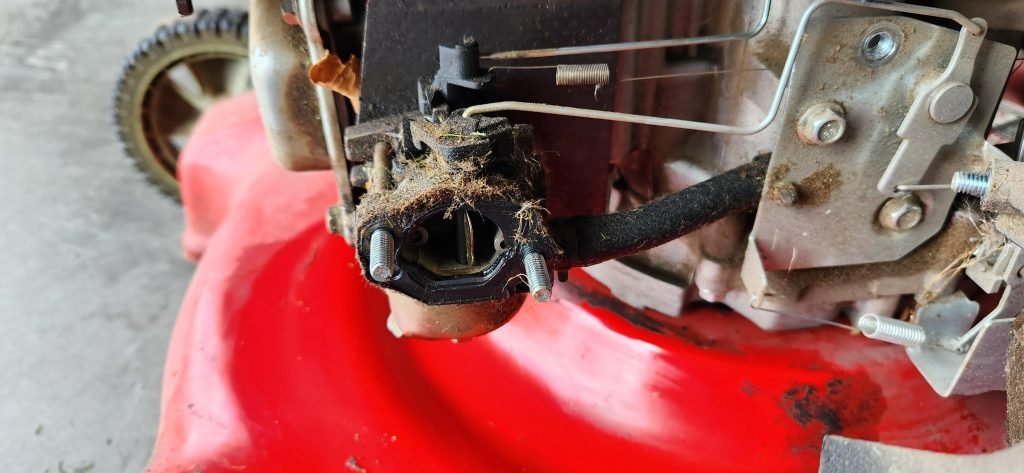
Have you noticed fuel pooling under your mower or the smell of gasoline lingering nearby? A fuel leak in your mower’s engine isn’t just messy—it can be dangerous and damage your equipment.
Understanding what causes a mower engine fuel leak can save you time, money, and frustration. You’ll discover the common reasons behind these leaks and simple steps you can take to fix them. Keep reading to protect your mower and keep it running smoothly all season long.

Credit: www.reddit.com
Common Fuel Leak Sources
Fuel leaks in your mower’s engine can be frustrating and dangerous. Identifying the common sources of these leaks helps you fix the problem quickly and avoid further damage. Let’s look at the usual suspects that cause fuel to escape where it shouldn’t.
Damaged Fuel Lines
Fuel lines carry gasoline from the tank to the engine. Over time, these rubber or plastic tubes can crack, dry out, or develop holes. If you notice fuel pooling under your mower, check the lines for any visible damage or brittleness.
Have you ever seen tiny cracks on the fuel lines after winter storage? That’s a clear sign they need replacement before the leak worsens.
Faulty Fuel Filter
The fuel filter traps dirt and debris from the gasoline before it reaches the engine. A clogged or damaged filter can cause fuel to back up and leak. If your mower runs rough or sputters along with a fuel smell, the filter might be the problem.
Replacing the fuel filter regularly is a simple step that many overlook, but it can save you from a messy leak and engine issues.
Loose Fuel Cap
A fuel cap that isn’t tightened properly can let fuel evaporate or drip out, especially when moving on uneven ground. Always check that your fuel cap clicks securely into place after refilling. It’s an easy fix that prevents leaks and keeps the fuel fresh.
Ever noticed a strong gasoline smell after mowing? It might just be your fuel cap needing a firmer twist.
Carburetor Issues
The carburetor mixes air and fuel for the engine. When its seals or gaskets wear out, fuel can leak from the unit. If you see wet spots around the carburetor or your mower struggles to start, inspect this area closely.
Fixing carburetor leaks might require cleaning or replacing worn parts, but it’s worth the effort to avoid fuel waste and poor engine performance.
Cracked Fuel Tank
The fuel tank holds your mower’s gasoline, but cracks can develop from impacts or aging plastic. Even small cracks can cause significant leaks over time. Carefully examine the tank for any visible damage, especially if your mower has fallen or been stored improperly.
If you find cracks, replacing the tank is safer than trying to patch it. Have you checked your tank’s condition recently?
Signs Of Fuel Leak
Noticing a fuel leak in your mower engine is important for safety and performance. Early signs help stop bigger problems and costly repairs. Watch for clear clues that indicate a fuel leak is present. Detecting these signs quickly can protect your mower and your surroundings.
Strong Fuel Smell
A strong smell of gasoline near the mower signals a fuel leak. This odor is often the first sign of trouble. It may be more noticeable after the mower runs or when parked. The smell means fuel is escaping and needs immediate attention.
Visible Fuel Spots
Fuel spots or puddles under the mower show a leak clearly. These spots look wet and shiny on the ground. Check around the fuel tank, lines, and engine for any dripping fuel. Visible fuel is a clear warning to stop using the mower.
Engine Performance Issues
A leaking fuel system can cause engine problems. The mower may run rough or stall often. Fuel leaks reduce the proper flow of fuel to the engine. This leads to poor performance and difficulty starting the mower.
Quick Fixes For Fuel Leaks
Fuel leaks in mower engines need quick attention. Ignoring leaks can cause damage and safety risks. Most fuel leaks come from worn or loose parts. Fixing them fast saves money and avoids bigger repairs.
Simple repairs often solve fuel leak problems. These fixes do not need special tools. Follow clear steps to find and fix the leak. Here are common quick fixes for mower engine fuel leaks.
Replacing Fuel Lines
Old fuel lines can crack or break. Replace damaged lines to stop leaks. Use fuel-resistant hoses made for mowers. Cut the new line to the right length. Attach it firmly to the engine and fuel tank. Check for leaks after installation.
Tightening Or Replacing Fuel Cap
A loose or broken fuel cap causes leaks. Check the cap for cracks or wear. Tighten the cap until it fits snugly. Replace the cap if it does not seal well. A proper seal keeps fuel inside the tank and prevents spills.
Cleaning Or Adjusting Carburetor
Dirt in the carburetor can cause fuel overflow. Remove the carburetor carefully. Clean its parts with a carburetor cleaner spray. Adjust the float level to control fuel flow. Reinstall the carburetor and test the mower for leaks.
Repairing Or Replacing Fuel Tank
Fuel tanks may develop holes or cracks. Inspect the tank closely for damage. Small holes can be patched with fuel-resistant sealant. Large cracks require replacing the tank. Always use a tank made for your mower model.

Credit: www.reddit.com
Preventive Maintenance Tips
Fuel leaks in mower engines often come from cracked hoses or loose connections. Dirt and wear can damage seals, causing fuel to drip. Regular checks help spot leaks early and keep your mower running safely.
Preventive maintenance is your first line of defense against mower engine fuel leaks. By adopting a routine that includes regular checks and proper care, you can avoid unnecessary expenses and prolong the life of your mower. Let’s dive into some practical tips that will help you keep your mower in top shape.Regular Fuel System Inspections
Conduct thorough inspections of your mower’s fuel system. Look for signs of wear, cracks, or leaks in the fuel lines and connections. Addressing small issues before they become major problems can save you time and money. Create a schedule to check these components frequently. Consider setting reminders on your phone or marking dates on your calendar. This proactive approach ensures that nothing is overlooked.Using Quality Fuel
Always choose high-quality fuel for your mower. Low-grade fuel can contain impurities that damage the engine and fuel system over time. Opt for fuel with the right octane level recommended by the manufacturer. Check for ethanol content in the fuel. High ethanol content can lead to corrosion and leaks. If possible, use ethanol-free gas to maintain the integrity of your mower’s engine.Proper Storage Practices
Store your mower in a clean, dry place to prevent fuel degradation. Consider using a fuel stabilizer if your mower will be idle for extended periods. This helps maintain the fuel’s effectiveness and prevents leaks caused by stale fuel. Avoid storing your mower with a full tank of gas. Leaving space in the tank allows for expansion and reduces the risk of leaks. Cover your mower to protect it from dust and moisture, ensuring it stays in optimal condition. Think about how often you perform these maintenance tasks. Could a small tweak in your routine prevent a costly repair down the line? By adopting these preventive tips, you’re investing in the longevity and reliability of your mower.
Credit: www.mytractorforum.com
Frequently Asked Questions
What Are Common Causes Of Mower Engine Fuel Leaks?
Fuel leaks often stem from cracked fuel lines, damaged carburetor gaskets, or loose fuel tank caps. Old or deteriorated parts can cause leaks. Regular inspection helps identify these issues early to prevent leaks and maintain mower efficiency.
How Does A Faulty Fuel Line Cause Leaks?
A cracked or brittle fuel line can allow fuel to escape. Exposure to heat and weather accelerates wear. Replacing damaged fuel lines promptly stops leaks and ensures safe mower operation.
Can A Clogged Carburetor Cause Fuel Leakage?
Yes, a clogged carburetor can cause fuel overflow, leading to leaks. Dirt and debris block fuel flow, causing excess pressure. Cleaning or repairing the carburetor resolves this issue and prevents leaks.
Why Is The Fuel Tank Cap Important In Preventing Leaks?
A loose or damaged fuel tank cap can let fuel spill or evaporate. It maintains proper pressure inside the tank. Always ensure the cap fits tightly to avoid fuel leaks and maintain engine performance.
Conclusion
Fuel leaks in mower engines often come from worn or damaged parts. Old fuel lines, loose clamps, or a cracked tank can cause leaks. Dirt and debris also lead to seal damage and leaks. Regular checks help catch problems early and keep your mower safe.
Fixing leaks quickly stops fuel waste and fire risks. Understanding these causes makes maintenance easier and your mower last longer. Keep an eye on parts and clean your mower often. Small steps prevent big troubles with fuel leaks.





