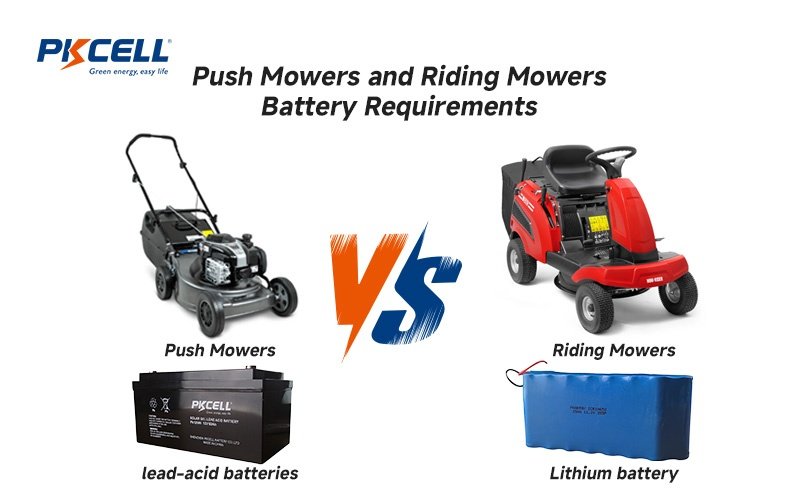
Are you wondering what type of battery powers your riding mower? Knowing the right battery can save you time, money, and frustration.
Your mower’s battery is the heart of its starting system, and choosing the wrong one could leave you stuck when you need it most. You’ll discover exactly which battery fits your riding mower and why it matters. Keep reading to make sure your mower stays ready to work whenever you are.
Riding Mower Battery Basics
A riding mower needs a reliable battery to run smoothly. The battery powers the engine starter and electrical parts. Understanding the basics helps keep your mower in good shape. This section explains the battery’s role and common types used in riding mowers.
Battery Role In Riding Mowers
The battery provides the initial power to start the engine. It supplies electricity to lights, ignition, and other accessories. Without a good battery, the mower won’t start or work well. It also supports the mower’s electrical system during operation.
Common Battery Types
Most riding mowers use lead-acid batteries. These are affordable and reliable for outdoor use. There are two main kinds:
- Flooded Lead-Acid Batteries:Contain liquid electrolyte and need regular maintenance.
- Sealed Lead-Acid Batteries:Maintenance-free and spill-proof, ideal for easy use.
Some newer models use AGM (Absorbent Glass Mat) batteries. These offer better vibration resistance and longer life. Choosing the right type depends on your mower’s needs and your maintenance preference.
Credit: manlybattery.com
Lead-acid Batteries
Lead-acid batteries are the most common type found in riding mowers. They have been used for decades because they are reliable and cost-effective. Understanding how they work and how to care for them can save you time and money in the long run.
Features And Benefits
Lead-acid batteries use a combination of lead plates and sulfuric acid to produce power. They are heavy but provide a steady current, which is perfect for starting engines. One of their biggest advantages is affordability compared to other battery types.
- Good starting power for cold weather
- Widely available and easy to replace
- Can be recharged multiple times
Have you ever noticed how your mower starts smoothly even after sitting unused for a while? That’s the dependable power of a lead-acid battery at work.
Maintenance Tips
Taking care of your lead-acid battery involves checking the electrolyte levels regularly. If the fluid drops below the plates, add distilled water to keep it optimal. Avoid overfilling, as it can cause acid leakage and damage.
Keep the battery terminals clean and free from corrosion by using a mixture of baking soda and water. A quick wipe every few weeks can prevent starting issues. Also, store your mower in a dry place to protect the battery from extreme temperature swings.
Lifespan Expectations
Typically, lead-acid batteries last between three to five years, depending on use and maintenance. Frequent short rides can reduce battery life because the battery doesn’t get fully charged. On the other hand, mowing regularly and charging properly extends its service life.
If you notice your mower struggling to start or the battery losing charge quickly, it might be time to test its health. Have you checked your battery’s voltage recently? Simple tests can tell you if a replacement is needed before it leaves you stranded.
Lithium-ion Batteries
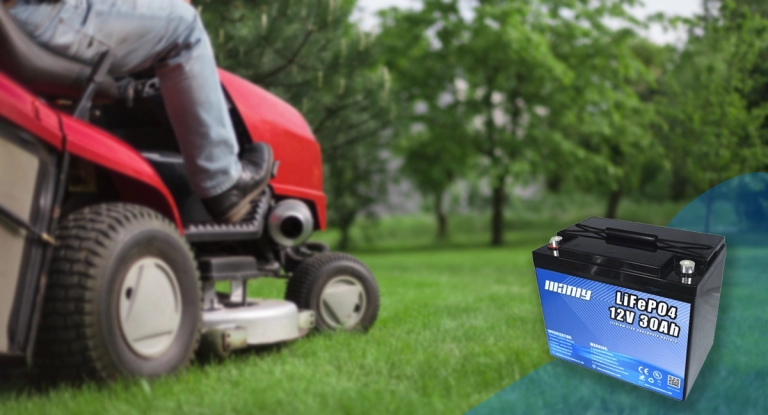
Lithium-ion batteries are becoming popular in riding mowers. They offer a modern alternative to traditional batteries. These batteries store more energy and last longer. They also weigh less, making the mower easier to handle.
Many newer riding mowers use lithium-ion batteries. They provide strong power and quick starts. The battery runs the mower for longer without needing a recharge. This makes lawn work faster and more efficient.
Advantages Over Lead-acid
- Weigh less, reducing mower weight.
- Hold charge longer for extended use.
- Recharge faster than lead-acid batteries.
- Last more charge cycles, increasing lifespan.
- Lower self-discharge rate when not in use.
- No acid leaks, safer for the environment.
Cost Considerations
Lithium-ion batteries cost more upfront. The price is higher than lead-acid types. This can be a concern for budget buyers. Over time, they may save money. Their longer life and fewer replacements reduce costs.
Think of it as an investment. The mower stays powered longer and better. You buy fewer batteries over the years. The cost balances out with the benefits.
Charging And Care
Use the charger designed for lithium-ion batteries. Avoid overcharging to protect battery health. Store batteries in a cool, dry place. Keep them partially charged if not used for months.
Check the battery regularly for damage or wear. Clean battery terminals to ensure good contact. Follow the mower manual for proper charging times. Proper care helps maintain battery power and lifespan.
Battery Size And Specifications
Choosing the right battery for your riding mower is crucial. It ensures optimal performance and longevity. Understanding battery size and specifications helps make an informed decision. Let’s explore key factors that matter.
Group Size Importance
Group size refers to the battery’s physical dimensions. It must fit snugly in the designated compartment. A correct group size ensures secure installation. It also prevents movement during operation. Check your mower’s manual for the recommended group size.
Cold Cranking Amps (cca)
Cold Cranking Amps, or CCA, measures a battery’s starting power. It is essential for starting the mower in cold weather. A higher CCA rating means better performance in cold conditions. Choose a battery with a CCA that meets or exceeds your mower’s requirement.
Reserve Capacity
Reserve capacity indicates how long the battery can run without recharging. It is measured in minutes. A higher reserve capacity allows more operating time. This is helpful during extended mowing sessions. Ensure the battery meets your mowing needs.
Choosing The Right Battery
Choosing the right battery for your riding mower is key to its performance and longevity. A suitable battery ensures smooth starts and reliable power. It also helps avoid frequent replacements and downtime. Understanding your mower’s requirements will guide you to the best battery choice.
Matching Battery To Mower Model
Each riding mower model has specific battery needs. Check the owner’s manual or the battery compartment for size and type. Most riding mowers use 12-volt lead-acid batteries. Some models require a particular group size, like Group 31 or 24. Using the correct size ensures a perfect fit and good contact with terminals.
Power Needs And Usage
Consider how often and how long you use your mower. Higher power batteries deliver more cold cranking amps (CCA). CCA is important for starting the mower in cold weather. For frequent or heavy use, choose batteries with higher amp-hour (Ah) ratings. These hold more charge and last longer during work sessions.
Brand Recommendations
- Interstate Batteries – Known for durability and reliable performance.
- Optima Batteries – Offers high CCA and deep cycle capabilities.
- DieHard – Trusted brand with long-lasting battery life.
- Exide – Provides good value and solid construction.
Select brands with strong warranties and positive customer reviews. This helps ensure quality and support after purchase.

Credit: www.amazon.ca
Battery Installation And Replacement
Installing or replacing the battery in your riding mower is a simple task. It keeps your mower running smoothly and avoids unexpected failures. Follow clear steps to remove the old battery safely and install the new one correctly. Proper handling protects you and extends the battery life. Also, disposing of old batteries responsibly helps the environment.
Safe Removal Steps
- Turn off the mower and remove the key.
- Wear gloves and eye protection for safety.
- Locate the battery, usually near the engine or under the seat.
- Disconnect the negative (black) cable first to prevent sparks.
- Then disconnect the positive (red) cable carefully.
- Remove any securing clamps or brackets holding the battery.
- Lift the battery out using both hands to avoid dropping it.
Proper Installation Guide
- Place the new battery in the battery tray securely.
- Connect the positive (red) cable to the positive terminal first.
- Attach the negative (black) cable to the negative terminal next.
- Ensure connections are tight but avoid over-tightening.
- Secure the battery with clamps or brackets to prevent movement.
- Check that cables are not touching moving parts or sharp edges.
- Test the mower to ensure the battery powers it properly.
Disposal And Recycling
Old batteries contain harmful chemicals and metals. Do not throw them in regular trash. Take used batteries to a recycling center or an authorized disposal facility. Many stores that sell batteries also accept old ones for recycling. Proper recycling recovers valuable materials and protects the environment. Follow local regulations on battery disposal for safety and compliance.
Extending Battery Life
Extending the life of your riding mower’s battery saves money and ensures reliable starts. Proper care prevents early failure and keeps the mower running smoothly. Small habits make a big difference in battery health.
Storage Best Practices
Store the battery in a cool, dry place during off-season. Avoid freezing temperatures that damage battery cells. Keep the battery fully charged before storage to prevent sulfation. Disconnect the battery from the mower to stop any slow power drain.
Regular Maintenance Routines
Check battery terminals for corrosion and clean them regularly. Use a mixture of baking soda and water for cleaning. Tighten loose connections to ensure steady power flow. Test the battery voltage monthly to monitor its condition. Charge the battery fully after each use to maintain capacity.
Avoiding Common Mistakes
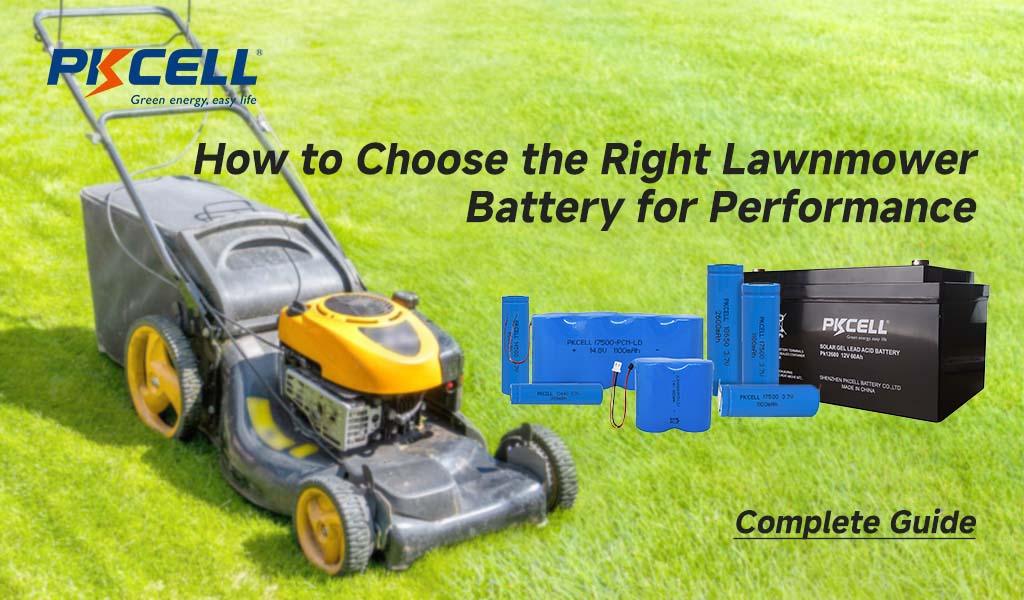
Never let the battery sit discharged for long periods. Avoid overcharging, which can shorten battery life. Don’t mix old and new batteries in the mower. Avoid exposing the battery to extreme heat or direct sunlight. Use the correct charger designed for your battery type.
Credit: pkcell.com
Troubleshooting Battery Issues
Battery issues in riding mowers can stop your work quickly. Knowing how to spot and fix these problems helps keep your mower ready to use. Troubleshooting battery problems saves time and money.
Sometimes the battery just needs a simple fix. Other times, it may need replacement. Paying attention to warning signs helps avoid bigger issues.
Signs Of A Failing Battery
- The mower won’t start or struggles to start.
- Lights on the mower appear dim or flicker.
- Battery terminals show corrosion or rust build-up.
- The battery feels unusually warm after use.
- Electrical parts like the horn or gauges act erratically.
Basic Diagnostic Tips
- Check the battery voltage with a multimeter. Healthy batteries read around 12.6 volts.
- Inspect terminals for dirt and corrosion. Clean with a baking soda solution.
- Ensure battery cables are tight and secure.
- Test the battery under load if possible to see if voltage drops.
- Try charging the battery fully before deciding on replacement.
When To Seek Professional Help
- Battery fails to hold a charge after full charging.
- Corrosion or damage is severe and hard to clean.
- Mower shows electrical problems beyond the battery.
- Uncertainty about safety when handling battery acid or electrical parts.
- Need for advanced battery testing or replacement advice.
Future Trends In Mower Batteries
Riding mowers typically use deep-cycle lead-acid or lithium-ion batteries for longer life and better power. Future trends point to lighter, more efficient lithium batteries improving mower performance. These batteries offer faster charging and longer run times for convenience.
Future Trends in Mower Batteries Riding mowers are evolving, and so are their batteries. New developments are making them more efficient and eco-friendly. Let’s explore the future trends in mower batteries.Emerging Technologies
Modern batteries use advanced technology for better performance. Lithium-ion batteries are gaining popularity. They are lighter and charge faster. Solid-state batteries are another upcoming trend. They promise longer life and safety. Both options improve mowing efficiency.Environmental Impact
Batteries impact the environment significantly. New trends focus on reducing this impact. Recyclable materials are becoming common in battery production. Eco-friendly disposal methods are also being developed. These changes help preserve the environment for future generations.What To Expect By 2025
By 2025, expect smarter batteries. They will have longer life spans and faster charging. Integration with smart technology is on the horizon. This will allow users to monitor battery health via apps. These advancements will make mowing easier and more sustainable.Frequently Asked Questions
What Type Of Battery Is Best For Riding Mowers?
Most riding mowers use 12-volt lead-acid batteries. These provide reliable starting power and long life. Maintenance-free AGM batteries are also popular for durability and leak resistance.
How Long Does A Riding Mower Battery Usually Last?
A typical riding mower battery lasts 3 to 5 years. Proper maintenance and storage can extend its life. Extreme weather and frequent use may shorten battery lifespan.
Can I Use A Car Battery For My Riding Mower?
Car batteries are generally not recommended. Riding mower batteries are smaller and designed for short, high-current bursts. Using a car battery may damage the mower or reduce performance.
How Do I Maintain My Riding Mower Battery?
Keep terminals clean and tight. Charge the battery regularly during off-season. Store it in a cool, dry place. Avoid deep discharges to prolong battery life.
Conclusion
Riding mowers usually use 12-volt lead-acid batteries. These batteries provide enough power to start the engine easily. They are designed to handle the mower’s needs, including long use and vibrations. Always choose the right size and type for your mower.
Check the battery’s charge regularly to keep your mower running well. Knowing the correct battery helps avoid problems and saves money. Keep your mower ready for every job by using the proper battery type. Simple care can extend the battery’s life and improve mower performance.





