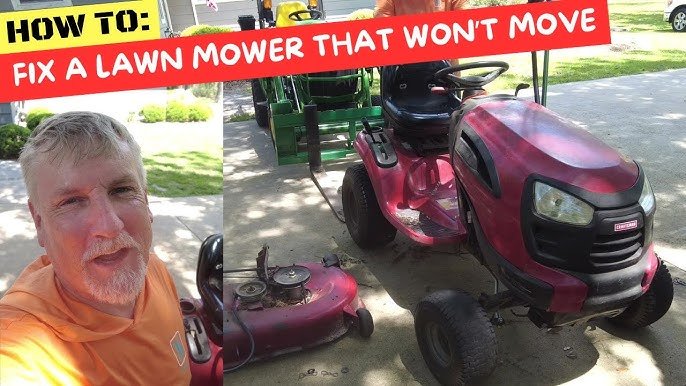
Is your mower transmission not moving, leaving you stuck and frustrated? You rely on your mower to keep your lawn looking great, but when it won’t move, it can bring your whole day to a halt.
Understanding why this happens is the first step to fixing it quickly and getting back to work. You’ll discover the common reasons behind a mower transmission that won’t move—and what you can do to solve each problem. Keep reading to find the simple fixes that will save you time, money, and stress.

Credit: www.reddit.com
Common Causes Of Transmission Failure
Transmission failure in your mower can be frustrating, especially when it suddenly stops moving. Understanding the common causes helps you troubleshoot effectively and avoid unnecessary repairs. Let’s look at some frequent issues that can cause your mower transmission to fail.
Worn Or Broken Drive Belt
The drive belt connects the engine to the transmission, allowing power to transfer smoothly. Over time, belts can wear out, crack, or even snap, cutting off power to the wheels.
Check your belt for signs of fraying or looseness. Replacing a worn belt is often a quick fix that saves you from bigger problems.
Damaged Transmission Gears
Gears inside the transmission are essential for movement. If these gears become chipped, worn, or stripped, your mower won’t move as expected.
Strange noises or grinding sounds are clues that your gears might be damaged. Inspecting and replacing faulty gears can restore smooth operation.
Low Or Contaminated Transmission Fluid
Transmission fluid lubricates gears and keeps the transmission cool. Low fluid levels or dirty fluid can cause overheating and wear.
Make it a habit to check and change the transmission fluid regularly. Clean fluid ensures your transmission runs efficiently and lasts longer.
Clutch And Brake Issues
Sometimes, the problem isn’t in the transmission but in the clutch or brakes. A stuck brake or a faulty clutch can prevent the mower from moving.
If your mower won’t move despite the engine running fine, test the clutch and brake. Adjusting or repairing these parts often solves the issue quickly.

Credit: www.youtube.com
Signs Of Transmission Problems
Recognizing the signs of transmission problems in your mower early can save you time and costly repairs. Transmission issues often start subtly but worsen quickly if ignored. Keep an eye out for specific symptoms that indicate your mower’s transmission isn’t functioning properly.
Mower Won’t Move When Engaged
If you engage the mower’s drive and it remains stationary, this is a clear sign of transmission trouble. Your mower’s wheels should move smoothly when the lever or pedal is activated. Have you noticed your mower spinning its engine but failing to roll forward? This disconnect often points to a slipping or broken transmission component.
Unusual Noises During Operation
Strange sounds such as grinding, whining, or clunking while mowing can indicate transmission wear or damage. These noises usually come from metal parts rubbing or gears failing to mesh properly. Ignoring these sounds could lead to a complete transmission breakdown, so listen carefully during each use.
Slipping Or Jerking Movements
Does your mower move unevenly or jerk forward unexpectedly? This behavior can mean the transmission isn’t transmitting power smoothly. Slipping may feel like a loss of control, making mowing frustrating and unsafe. Checking for worn belts or gears can help you identify the root cause fast.
Burning Smell From Transmission
A burning odor near the mower’s transmission area is a red flag. It often signals overheating due to friction or low transmission fluid. If you catch this smell, stop using the mower immediately to prevent severe damage and costly repairs.
Basic Troubleshooting Steps
Basic troubleshooting helps identify why your mower transmission is not moving. It saves time and money by fixing simple issues. Start with easy checks before calling a professional. These steps cover common problems affecting mower transmission.
Checking The Drive Belt Condition
Look at the drive belt for cracks or wear. A damaged belt cannot transfer power to the wheels. Replace the belt if it looks frayed, loose, or broken. Ensure the belt is properly seated on pulleys and tight enough to avoid slipping.
Inspecting Transmission Fluid Levels
Check the transmission fluid level using the dipstick or fill plug. Low fluid causes poor transmission function or no movement. Add the recommended fluid type if the level is low. Avoid overfilling to prevent damage.
Examining Linkages And Cables
Inspect all linkages and cables connected to the transmission. Look for bends, breaks, or loose connections. Tighten or replace any damaged parts. Proper cable tension ensures the transmission engages correctly.
Testing Clutch And Brake Functions
Test the clutch and brake to ensure they work properly. A stuck brake or faulty clutch can stop the transmission from moving. Adjust or repair them as needed for smooth operation. Check for worn pads or broken springs that affect function.
Diy Fixes For Common Issues
When your mower transmission isn’t moving, you might feel stuck, but many common issues are fixable without calling a pro. Tackling these problems yourself saves time and money. Plus, it gives you a better understanding of how your mower works, helping you avoid future headaches.
Replacing A Broken Drive Belt
The drive belt powers your mower’s transmission, so a broken or worn belt can halt movement entirely. Inspect the belt for cracks, fraying, or missing chunks. If it looks damaged, replacing it is often straightforward.
You’ll need to loosen the tensioner pulley first, then slide the old belt off and fit the new one in place. Make sure the belt is aligned properly on all pulleys to avoid slipping. Have you checked your belt lately? It might be the simplest fix you overlook.
Refilling Or Changing Transmission Fluid
Transmission fluid lubricates and cools the gears inside your mower. Low or dirty fluid can cause the transmission to seize or move sluggishly. Check your owner’s manual for the right type of fluid and how to check levels.
Drain the old fluid completely before refilling with fresh fluid to keep things running smoothly. If you notice metal shavings or dirt in the fluid, it’s a sign the transmission needs more than just a fluid change. Are you regularly checking your fluid levels?
Adjusting Or Replacing Linkages
Linkages connect your mower’s controls to the transmission. If these are loose, bent, or broken, the transmission won’t engage properly. Start by inspecting linkages for visible damage or misalignment.
Adjust tightness or replace damaged linkages to restore proper connection. This fix often requires simple tools and a bit of patience, but it can make a big difference. How well do you know your mower’s control setup?
Lubricating Moving Parts
Dry or rusty moving parts create resistance, preventing smooth transmission function. Regular lubrication reduces friction and extends the life of components like gears and bearings. Use a quality lubricant suitable for your mower’s parts.
Apply lubricant to all moving joints and check for any signs of wear during the process. This small step can prevent bigger problems down the road. When was the last time you gave your mower some TLC with lubrication?
When To Seek Professional Help
Knowing when to seek professional help saves time and prevents further damage. Some mower transmission problems are too complex for basic fixes. Professional technicians have the tools and knowledge to handle difficult issues. Ignoring serious signs can lead to expensive repairs or total mower failure.
Complex Gearbox Repairs
Gearboxes contain many small parts working together. Repairing or replacing these parts requires special tools. Professionals can diagnose hidden problems inside the gearbox. Attempting complex repairs without experience often causes more harm than good.
Internal Transmission Damage
Internal damage includes broken gears, worn bearings, or fluid leaks. These issues are difficult to spot without opening the transmission. Professionals can inspect and fix internal parts safely. Ignoring internal damage leads to poor mower performance or breakdown.
Persistent Transmission Slippage
Slippage means the transmission fails to transfer power properly. It may cause the mower to lose speed or stop moving. Persistent slippage often needs expert adjustment or part replacement. Simple troubleshooting rarely solves this problem completely.
Safety Concerns During Repair
Mower transmission repairs involve heavy parts and sharp tools. Incorrect handling can cause injury or damage to the machine. Professionals follow safety protocols to protect themselves and the mower. Prioritizing safety means trusting trained technicians for serious repairs.
Credit: www.searspartsdirect.com
Preventive Maintenance Tips
Preventive maintenance can keep your mower’s transmission in top shape. Simple checks and practices ensure a smooth and long-lasting performance. Let’s explore some essential tips to prevent transmission issues.
Regular Fluid Checks And Changes
Transmission fluid is crucial for smooth operation. Check fluid levels regularly. Low or dirty fluid can damage the transmission. Refer to your mower’s manual for the right fluid type and change intervals. Regular changes remove debris and keep the system clean.
Cleaning And Inspecting Components
Debris can clog mower parts. Clean the transmission area often. Use a soft brush to remove dirt and grass. Inspect components for wear or damage. Replace worn parts to avoid bigger issues later. Regular inspection helps catch problems early.
Proper Storage Practices
Store your mower in a dry place. Moisture can cause rust and damage. Cover it to protect from dust and dirt. During off-season, disconnect the battery. This prevents drainage and extends battery life. Good storage maintains your mower’s health.
Routine Operational Checks
Perform operational checks before use. Listen for unusual noises. Test the transmission by shifting gears. Ensure smooth transitions. Address any unusual sounds or jerks immediately. Routine checks help maintain performance and prevent breakdowns.
Frequently Asked Questions
Why Is My Mower Transmission Not Engaging?
Your mower transmission may not engage due to a broken drive belt, faulty shift lever, or damaged clutch. Inspect these parts for wear or damage and replace if necessary to restore proper function.
How Do I Fix A Mower Transmission That Won’t Move?
First, check the drive belt and transmission fluid. Replace worn belts and refill fluid as needed. If the problem persists, inspect for mechanical damage or seek professional repair.
Can Low Transmission Fluid Cause Mower Not To Move?
Yes, low transmission fluid can prevent the mower from moving. It causes insufficient lubrication and hydraulic pressure. Regularly check and maintain proper fluid levels to avoid this issue.
What Are Common Signs Of Mower Transmission Failure?
Common signs include mower not moving, unusual noises, and difficulty shifting gears. These symptoms indicate internal transmission issues requiring inspection and possible repair or replacement.
Conclusion
A mower transmission that does not move can cause big problems. Check the transmission belt and fluid first. Look for worn or broken parts. Fixing small issues early saves money later. Regular maintenance keeps your mower working well. Always follow safety tips when inspecting your mower.
With simple care, your mower will run smoothly again. Don’t ignore signs of trouble. A working transmission means easier lawn care every time.





