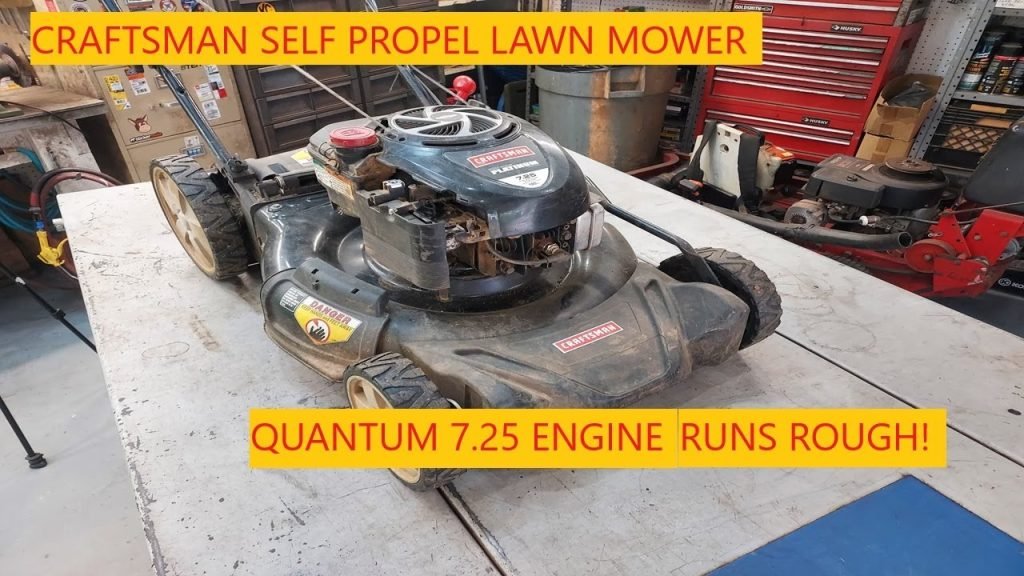
Is your mower engine running rough and making your yard work harder than it should be? You’re not alone, and the good news is that you don’t have to be a mechanic to fix it.
A rough-running mower engine can slow you down, waste fuel, and even cause bigger problems if left unchecked. But don’t worry—this guide will walk you through simple steps you can take right now to get your mower back to smooth, reliable performance.
Keep reading to discover easy fixes that save you time, money, and frustration. Your lawn deserves it!
Common Causes Of Rough Running
Rough running engines are common problems with lawn mowers. They make the mower shake or run unevenly. Understanding the causes helps fix the issue quickly. Several parts can cause the engine to run rough. Cleaning, replacing, or repairing these parts often solves the problem.
Dirty Air Filter
A dirty air filter blocks airflow to the engine. The engine then gets less oxygen. Less oxygen causes poor combustion and rough running. Check the air filter often. Clean or replace it if it looks dirty or clogged.
Clogged Fuel Lines
Fuel lines carry gasoline to the engine. Dirt or debris can clog these lines. Clogged lines reduce fuel flow. The engine runs unevenly or stalls. Inspect fuel lines for cracks or blockages. Clear or replace lines to restore smooth running.
Faulty Spark Plug
The spark plug ignites the fuel-air mix. A bad spark plug causes weak or no spark. This leads to misfires and rough engine sound. Check the spark plug for wear or buildup. Replace it if it looks damaged or old.
Old Or Contaminated Fuel
Fuel that sits too long can break down. Old fuel loses its power and can contain water. Contaminated fuel causes hard starting and rough running. Drain old fuel and refill with fresh, clean gasoline. Use fuel stabilizer if storing the mower long.
Carburetor Issues
The carburetor mixes air and fuel for the engine. Dirt or gum buildup can block parts inside. This causes uneven fuel supply and rough engine running. Clean the carburetor carefully or take it to a professional for repair.
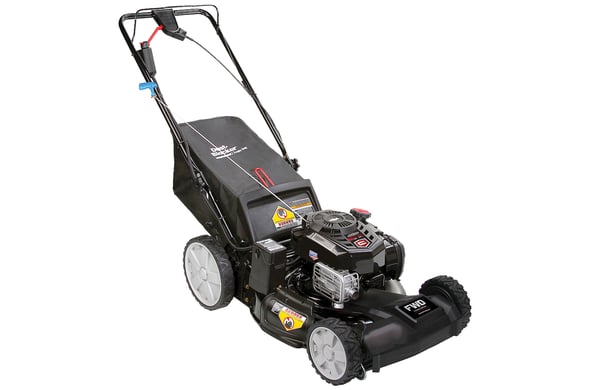
Credit: www.searspartsdirect.com
Tools Needed For Repairs
Fixing a mower engine that runs rough requires the right tools. Having these tools ready makes the repair process easier and faster. This section lists the essential items needed to get your mower running smoothly again.
Basic Hand Tools
- Screwdrivers (flathead and Phillips) for removing screws
- Wrenches and socket sets for bolts and nuts
- Pliers for gripping and pulling parts
- Spark plug wrench for removing the spark plug
- Adjustable wrench for various fasteners
Cleaning Supplies
- Carburetor cleaner to remove dirt and deposits
- Rags or shop towels for wiping parts clean
- Compressed air can or air compressor to blow out debris
- Small wire brush for scrubbing stubborn grime
- Gloves to protect your hands from dirt and chemicals
Replacement Parts
- New spark plug to ensure proper ignition
- Fuel filter to keep fuel clean and flowing
- Air filter to prevent dirt from entering the engine
- Gaskets or seals if old ones are worn or damaged
- Carburetor rebuild kit for fixing fuel delivery issues
Cleaning And Replacing The Air Filter
Cleaning and replacing the air filter is a crucial step to fix a mower engine that’s running rough. A clogged or dirty air filter chokes the engine, reducing airflow and making your mower struggle. Taking the time to inspect and maintain the air filter can save you from costly repairs and improve your mower’s performance instantly.
Removing The Air Filter
Start by locating the air filter cover on your mower, usually found on the side of the engine. You’ll often need a screwdriver or just your hands to remove the cover. Be careful not to lose any screws or clips as you take off the cover and pull out the air filter.
Keep the filter clean from dirt and debris before you move on to the next step. If you notice the filter is heavily soiled or damaged at this point, it might be time for a replacement.
Cleaning Techniques
For foam filters, gently wash them in warm, soapy water. Avoid harsh scrubbing; instead, squeeze the foam to remove dirt. Let it dry completely before reinstalling to prevent engine damage.
Paper filters can’t be washed, but you can tap them gently to dislodge loose dirt. Use compressed air to blow out dust, but be cautious not to damage the filter material. If you see oil or grease stains, cleaning won’t help much—replacement is your best option.
When To Replace
Ask yourself: Is the filter torn, crumbling, or soaked in oil? If yes, replace it immediately. Running your mower with a bad air filter can cause rough engine performance and even permanent damage.
Even if it looks okay, consider replacing the filter after every 25 hours of use or once each mowing season. Keeping a fresh air filter is a simple way to maintain smooth engine operation and extend your mower’s life.

Credit: www.youtube.com
Inspecting And Replacing The Spark Plug
Check the spark plug for dirt, damage, or wear that can cause rough engine running. Replace it with a new one to restore smooth mower performance. Clean connections ensure proper ignition and steady engine power.
Inspecting and replacing the spark plug is vital for a smooth mower engine. A faulty spark plug can cause rough running or starting issues. Regular checks ensure your mower performs efficiently. Follow these steps to inspect and replace your spark plug.Checking Spark Plug Condition
Remove the spark plug wire carefully. Use a socket wrench to unscrew the spark plug. Check for damage, carbon deposits, or oil residue. A worn or dirty plug affects performance. Clean gently or replace if necessary.Gap Adjustment
Check the gap using a spark plug gap tool. The gap should match the mower’s specifications. Adjust carefully if needed. An incorrect gap can cause misfiring or rough running.Installing A New Spark Plug
Purchase a compatible spark plug for your mower. Insert the new plug into the socket. Tighten by hand to avoid cross-threading. Use a socket wrench to secure it, but don’t overtighten. Reattach the spark plug wire firmly.Fuel System Maintenance
Your mower’s engine can run rough if the fuel system is not properly maintained. Fuel system issues often cause hesitation, sputtering, or stalling. Taking care of the fuel can improve your mower’s performance and save you from costly repairs.
Draining Old Fuel
Old fuel loses its effectiveness and can clog your mower’s engine. If your mower has been sitting for months, the fuel might have turned stale. Drain the tank completely and refill it with fresh fuel to avoid engine roughness.
Have you ever noticed your mower sputtering right after sitting through winter? That’s often due to old fuel breaking down. Don’t just top off the tank; remove the old gas to keep your engine running smoothly.
Cleaning Fuel Lines
Fuel lines can become clogged with dirt, debris, or gum deposits from old fuel. Inspect the lines for cracks or blockages and clean them carefully. Use a fuel line cleaner or replace the lines if they are damaged.
A clogged fuel line restricts fuel flow, causing your engine to hesitate or stall. You might feel a sudden loss of power or rough idling. Checking and cleaning these lines regularly can prevent these issues.
Fuel Stabilizer Use
Fuel stabilizers extend the life of gasoline and prevent it from breaking down. Adding stabilizer to your fuel tank, especially before storing your mower, keeps the fuel fresh longer. This simple step can reduce rough running caused by degraded fuel.
Do you store your mower over winter or long periods? Adding a fuel stabilizer can save you the hassle of cleaning fuel systems later. It’s a small investment that keeps your mower ready to start without hesitation.
Carburetor Cleaning And Adjustment
The carburetor plays a crucial role in your mower’s engine performance. Dirt, debris, and old fuel can clog its tiny passages, causing your mower to run rough or stall. Cleaning and adjusting the carburetor can restore smooth operation and save you a trip to the repair shop.
Removing The Carburetor
Start by disconnecting the spark plug wire to prevent accidental starts. Locate the carburetor, usually attached to the side of the engine near the air filter.
Remove the air filter cover and the air filter itself to access the carburetor. Carefully disconnect the fuel line and throttle linkages, noting their positions for reassembly.
Unscrew the bolts or nuts holding the carburetor in place, then gently pull it away from the engine. Handle it with care to avoid bending or damaging any parts.
Cleaning The Carburetor
Use a carburetor cleaner spray to dissolve varnish and deposits inside the carburetor. Spray into all openings, jets, and passages, ensuring thorough cleaning.
Disassemble the carburetor if possible, removing floats, needles, and jets. Soak smaller parts in cleaner for 15-20 minutes to loosen stubborn grime.
Use compressed air to blow out any remaining debris from jets and passages. If you notice a clogged jet, gently clear it with a thin wire, but be careful not to enlarge the hole.
Adjusting Carburetor Settings
After cleaning, reattach the carburetor to the engine and reconnect fuel lines and linkages. Start the mower and let it warm up for a few minutes.
Locate the idle speed and mixture screws on the carburetor. Turning the idle screw clockwise usually increases engine speed, while the mixture screw controls the fuel-to-air ratio.
Adjust these screws slowly in small increments. Listen carefully—does the engine run smoother or rougher? Aim for the highest, steady idle speed without the engine sputtering or stalling.
Have you noticed how tiny adjustments can make a big difference in performance? Patience here pays off with a smoother-running mower.
Additional Tips For Smooth Engine Performance
Keeping your mower engine running smoothly takes more than just fixing rough running issues. Regular care and smart habits help your engine last longer and perform better. These extra tips will guide you to maintain your mower efficiently and avoid future troubles.
Regular Maintenance Schedule
Set a clear maintenance plan for your mower engine. Check and change the oil frequently. Replace air filters to keep the engine clean. Inspect spark plugs and swap them if worn out. Clean or replace the fuel filter to avoid clogs. Follow the manufacturer’s guide for service intervals. Write down maintenance dates to stay on track.
Proper Storage Practices
Store your mower in a dry, sheltered place. Drain fuel or use fuel stabilizer before long storage. Clean the mower thoroughly to remove grass and dirt. Disconnect the battery if your mower has one. Cover the mower to protect it from dust and moisture. Proper storage prevents rust and engine damage.
When To Seek Professional Help
Some engine problems need expert care. Call a professional if your mower stalls often or won’t start. Strange noises or smoke signal serious issues. If you cannot fix rough running after basic checks, get help. Professionals have tools and experience to diagnose and repair problems safely. Don’t wait too long to avoid costly repairs.

Credit: www.youtube.com
Frequently Asked Questions
Why Is My Mower Engine Running Rough?
A rough-running mower engine often results from dirty spark plugs, clogged air filters, or stale fuel. Regular maintenance and cleaning can improve engine performance and smooth operation.
How Can I Clean A Mower Carburetor?
Remove the carburetor and soak it in a carburetor cleaner. Use compressed air to clear jets and passages. Reassemble carefully for optimal engine running.
When Should I Replace Mower Spark Plugs?
Replace spark plugs every 100 hours or annually. Worn or fouled plugs cause misfires and rough engine performance. Check regularly for deposits or damage.
What Fuel Type Prevents Mower Engine Issues?
Use fresh, clean gasoline with the recommended octane. Avoid ethanol-blended fuels if possible, as they can cause carburetor problems and rough running.
Conclusion
Fixing a mower engine that runs rough takes patience and care. Check the spark plug, air filter, and fuel first. Clean or replace parts if needed. Regular maintenance helps prevent future problems. Small issues can cause big troubles. Follow simple steps to keep your mower running smooth.
A well-running mower saves time and effort in your yard. Stay consistent with care to enjoy better results every time. Keep your mower ready and working well for all your cutting needs.





