Choosing the right mower tire size might seem like a small detail, but it can make a big difference in how your mower performs. If you want smoother rides, better traction, and longer tire life, picking the correct size is key.
You’ll discover simple tips to help you find the perfect tire size for your mower. Keep reading to avoid common mistakes and get the most out of your equipment every time you mow.

Credit: www.amazon.com
Importance Of Correct Tire Size
Correct tire sizeis key for mower performance. It affects how well the mower moves and cuts grass. Tires that are too small or too big cause problems.
Proper tire size improves tractionand stability. It helps the mower stay balanced, especially on slopes or rough ground. This makes mowing safer and easier.
Safety is important. Wrong tire size can make the mower slip or tip over. Tires that fit well reduce the risk of accidents.
Good tire size also protects the lawn. Big tires can leave deep tracks and damage grass. Smaller tires can get stuck or not roll smoothly. Right size means less damage and healthier grass.
Factors Influencing Tire Size
The mower type and modelaffect the tire size needed. Small push mowers use smaller tires. Riding mowers need larger tires for stability and support.
Terrain and lawn conditionsare key. Rough, uneven ground requires bigger tires for better grip and smooth movement. Soft or wet lawns need tires that won’t sink into the soil.
Load capacity needsdepend on how much weight the mower carries. Heavier mowers or those with extra equipment need tires that can hold more weight without damage.
How To Read Tire Size Markings
Tire size markingsshow important information about the tire.
They include numbers and lettersthat explain width, height, and diameter.
- Common formatsare numeric or alphanumeric codes.
- One format looks like this: 20×8-10.
- Another example is 205/50-10.
| Part | Meaning | Example |
|---|---|---|
| Width | How wide the tire is (in inches or mm) | 8 in (in 20×8-10) or 205 mm (in 205/50-10) |
| Aspect Ratio | Height of sidewall as % of width | 50 (in 205/50-10) |
| Diameter | Wheel diameter the tire fits (in inches) | 10 (in both 20×8-10 and 205/50-10) |
Measuring Existing Tires
Gather a few simple tools. Get a tape measure, a notepad, and a pen. These tools help in taking accurate measurements.
First, measure the tire’s widthfrom side to side. Next, find the tire’s diameterfrom top to bottom. Finally, note down the size printed on the tire’s side.
Check for cracksand bulgeson the tire. Look for uneven tread wear. These signs mean it’s time for a new tire.
Selecting The Right Replacement Tires
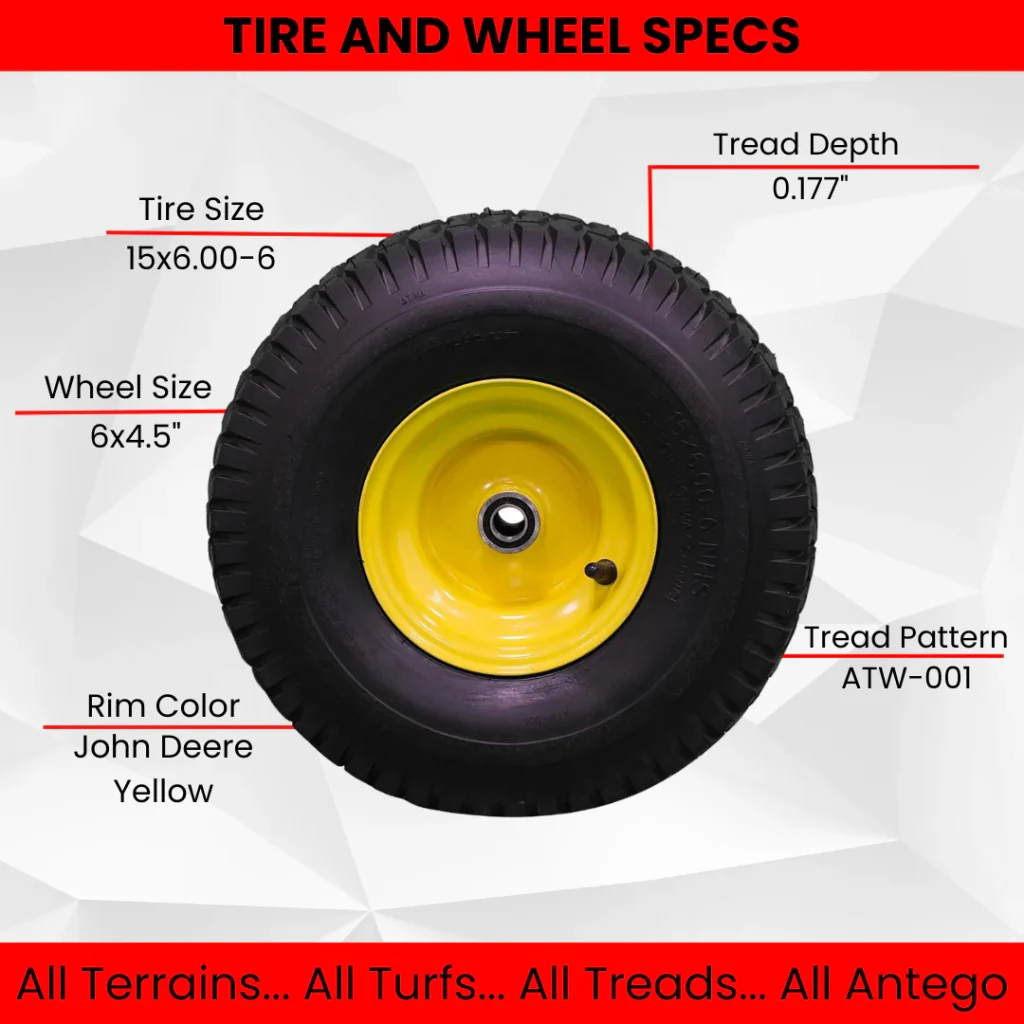
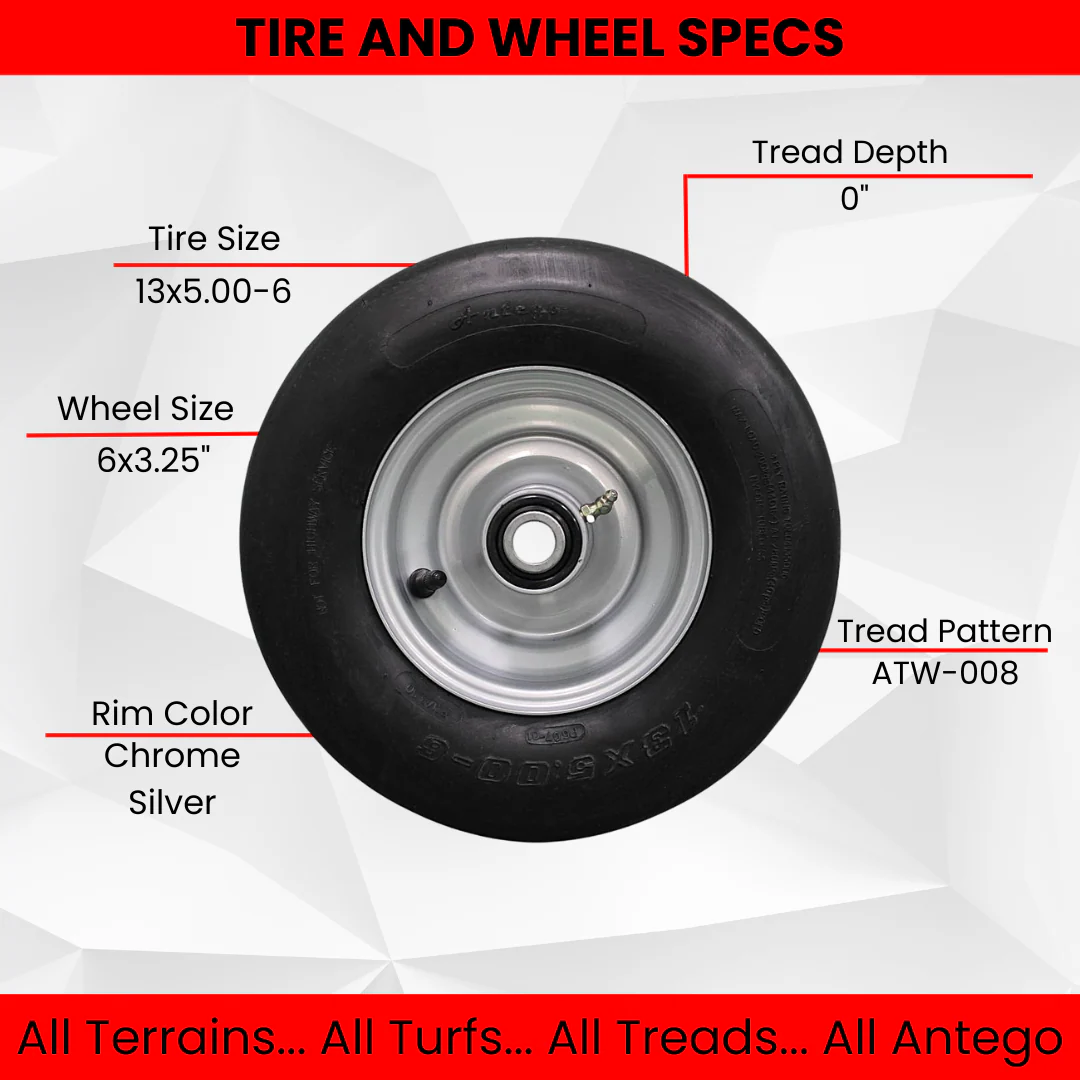
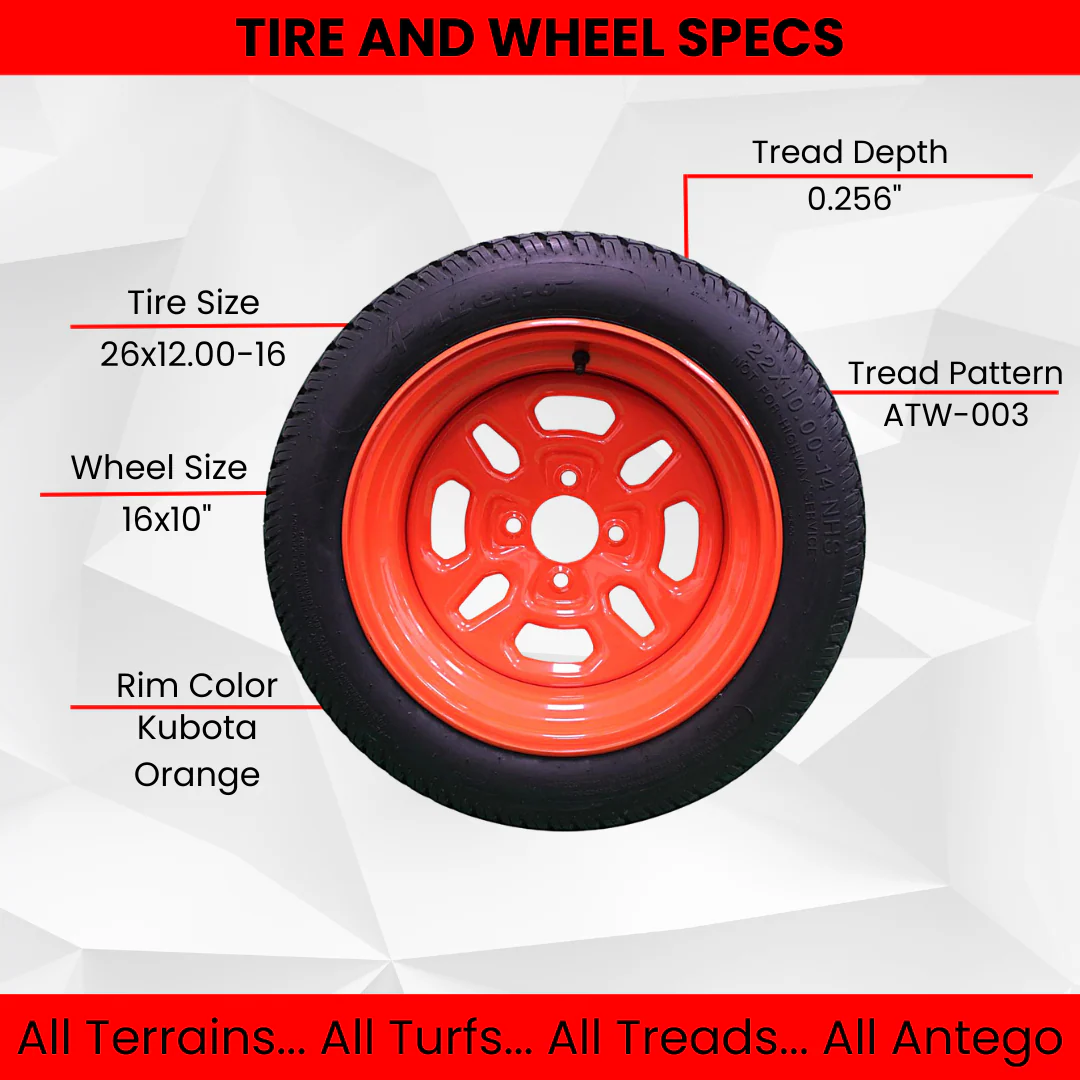
Choosing the right mower tire size means matching the original tire specs. Check the tire’s width, diameter, and rim size. These numbers are usually on the tire sidewall. Using the same size keeps the mower balanced and working well.
Sometimes, upgrading tires can help. Bigger tires give better traction and ride smoothness. But too big tires may cause damage or poor steering. Pick upgrades that fit your mower’s size and use.
Always check manufacturer recommendations. They tell the best tire types and sizes for your mower model. Following these guides avoids problems and keeps safety high.
Credit: antegowheels.answerbase.com
Tips For Buying Mower Tires
Choosing the right place to buy mower tires is key. Local stores offer quick help and easy returns. Online shops provide a wide range and often better prices. Check customer reviews for trust.
- Price vs Quality:Cheap tires may wear out fast. Spending a bit more can mean longer life and better grip.
- Warranty and Return Policies:Look for tires with good warranty. It shows the maker trusts their product. Easy return policies save hassle if size or type is wrong.
Installing And Maintaining Tires
Always check tire size matches your mower’s specifications. Use proper tools for installation to avoid damage. Tighten lug nuts evenly to ensure safety. Inflate tires to recommended pressure for better performance.
- Clean tires and rims before installation to prevent dirt build-up.
- Inspect tires regularly for cracks or wear.
- Keep tires properly inflated to avoid uneven wear.
- Store mower in a dry place to protect tires from cracking.
| Issue | Cause | Solution |
|---|---|---|
| Flat tire | Puncture or low air pressure | Patch or replace tire; inflate to correct pressure |
| Uneven wear | Improper inflation or misalignment | Check pressure; adjust alignment |
| Wheel wobble | Loose lug nuts or damaged rim | Tighten nuts; replace rim if damaged |
Credit: antegowheels.answerbase.com
Frequently Asked Questions
What Factors Affect Choosing Mower Tire Size?
Tire size depends on mower type, terrain, and load capacity. Larger tires improve traction and stability on rough ground. Smaller tires suit smooth lawns and tight spaces. Consider tire width, diameter, and tread pattern for best performance.
How To Measure Your Mower Tire Size Correctly?
Check the tire sidewall for size markings. It usually shows width, aspect ratio, and rim diameter. Use a tape measure if unclear. Accurate measurements ensure compatibility and optimal mower function.
Why Does Tire Size Impact Mower Performance?
Proper tire size improves traction, maneuverability, and fuel efficiency. Incorrect size can cause uneven cutting and damage. Choosing the right size ensures smooth operation and extends mower lifespan.
Can I Use Bigger Tires On My Mower?
Bigger tires offer better ground clearance and traction. However, they may alter mower balance and steering. Confirm compatibility with manufacturer guidelines before upgrading tire size.
Conclusion
Choosing the right mower tire size affects performance and safety. Smaller tires work well on flat, even ground. Larger tires help on rough or hilly areas. Check your mower’s manual for recommended sizes. Measure the current tires before buying new ones.
Proper tire size improves traction and mowing quality. Don’t ignore the tire width and tread pattern. Take your time to decide, and your mower will work better. The right tires make mowing easier and more efficient. Keep these tips in mind for the best results.





