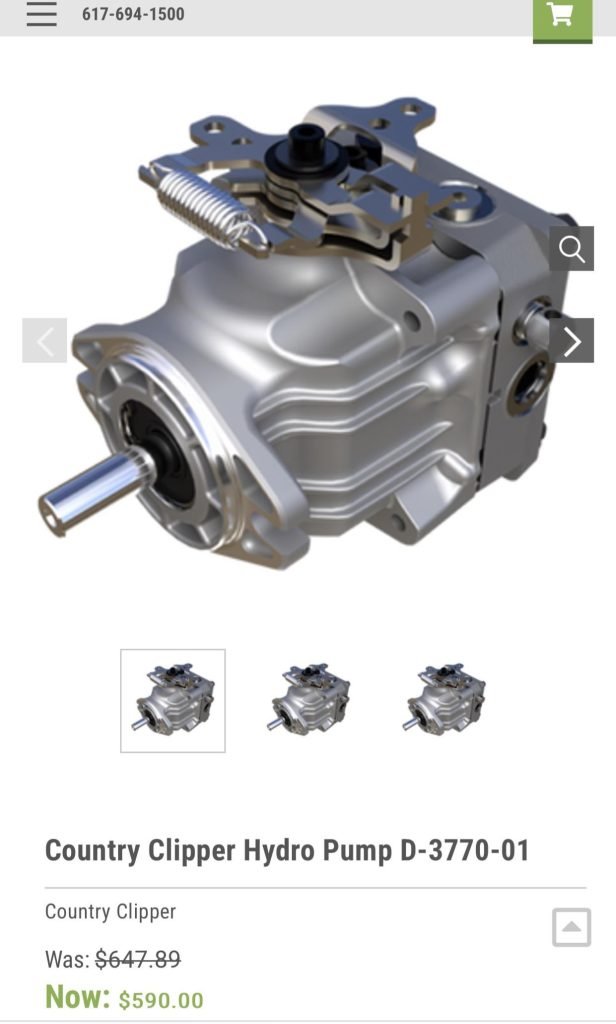
If your mower isn’t moving smoothly or feels sluggish, the problem might be trapped air in the hydrostatic transmission. Knowing how to bleed your mower’s hydrostatic transmission can save you time, money, and frustration.
In this guide, you’ll discover simple, step-by-step instructions to get your mower running like new again. Whether you’re a beginner or just need a quick refresher, this article will give you the confidence to fix the issue yourself. Keep reading to learn how to bring power back to your mower with ease!

Credit: www.mytractorforum.com
Signs Of Air In Hydrostatic Transmission
Noticing signs of air trapped in your mower’s hydrostatic transmission can save you from costly repairs and downtime. Air pockets disrupt the smooth flow of hydraulic fluid, causing your mower to act unpredictably. Recognizing these signs early helps you know when to bleed the system effectively.
Common Symptoms
- Spongy or Soft Pedal:If your foot pedal feels unusually soft or spongy when you press it, air might be in the transmission lines.
- Jerky or Hesitant Movement:Your mower may start or stop in a jerky way instead of moving smoothly.
- Delayed Response:There can be a noticeable lag between pressing the pedal and the mower responding.
- Unusual Noises:Hissing or gurgling sounds coming from the transmission area often indicate trapped air bubbles.
Effects On Mower Performance
Air in the hydrostatic transmission reduces hydraulic pressure. This lowers the efficiency of power transfer from the engine to the wheels.
You might find your mower struggles on slopes or uneven terrain where it used to perform well. It can also cause overheating in the transmission system, which damages components over time.
Have you ever felt your mower just doesn’t have the power it once did? That lack of power could be your transmission begging for a quick bleed to get rid of trapped air.

Credit: www.reddit.com
Tools And Materials Needed
Before you start bleeding your mower’s hydrostatic transmission, gathering the right tools and materials is crucial. Having everything at hand saves time and helps you avoid mistakes that could damage your equipment. Let’s look at what you need to get the job done efficiently and safely.
Essential Tools
- Wrenches:A set of adjustable and fixed wrenches will help you loosen and tighten transmission fittings.
- Drain Pan:Use this to catch any old fluid that drains out, keeping your workspace clean.
- Screwdrivers:Both flathead and Phillips screwdrivers are handy for removing access panels.
- Tube or Hose:A clear plastic hose helps you monitor fluid flow and air bubbles during bleeding.
- Rags or Paper Towels:These are essential for wiping up spills and keeping the area tidy.
- Gloves and Safety Glasses:Protect your hands and eyes from hot fluid and debris.
Recommended Fluids
Using the right fluid matters more than you might think. Check your mower’s manual for the specific type, as using the wrong fluid can cause transmission damage.
- Hydrostatic Transmission Fluid:Most mowers require a specific hydrostatic fluid designed for smooth operation and durability.
- Hydraulic Oil:Some models accept high-quality hydraulic oils like AW32 or AW46; verify this with your manufacturer.
- Transmission Fluid Alternatives:In rare cases, certain automatic transmission fluids (ATF) can be used, but only if explicitly recommended.
Have you ever started a repair only to realize you’re missing a crucial tool? Preparing properly means fewer interruptions and a better chance of success on your first try.
Preparing The Mower
Preparing the mower is the first essential part of bleeding a hydrostatic transmission. It ensures the process is safe and effective. Proper preparation avoids damage and helps you work smoothly. Follow these key steps before starting the bleeding process.
Safety Precautions
- Wear gloves to protect your hands from fluids and sharp parts.
- Use safety glasses to shield your eyes from splashes.
- Make sure the mower is off and the key is removed.
- Work in a well-ventilated area to avoid inhaling fumes.
- Keep children and pets away from the work zone.
- Have a fire extinguisher nearby in case of emergencies.
Positioning The Mower
Place the mower on a flat, level surface. This keeps the fluid stable and prevents leaks. Engage the parking brake to stop movement. Lower the mower deck to avoid tipping. Clear the area around the mower for easy access. Ensure the transmission controls are in neutral before starting.
Bleeding Process Step-by-step
Start by locating the bleed valve on the hydrostatic transmission. Slowly open the valve and pump the brake pedal to release trapped air. Close the valve once fluid flows steadily without bubbles.
When your mower’s hydrostatic transmission feels sluggish, bleeding it might help. This process removes trapped air, ensuring smooth operation. Follow these steps for a hassle-free experience.Locating The Bleed Valve
First, find the bleed valve on your mower. Check the owner’s manual for its location. Usually, it’s near the transmission or pump. Ensure the mower is on a flat surface. Use safety gear, like gloves and goggles, before proceeding.Releasing Air From The System
Once located, open the bleed valve carefully. Turn it counterclockwise with a wrench. Let the trapped air escape slowly. Listen for a hissing sound. Close the valve when the sound stops. Ensure no fluid leaks out.Refilling Transmission Fluid
After releasing the air, check the fluid level. Top up with the recommended fluid type. Pour slowly to avoid spills. Use a funnel for precision. Fill until it reaches the correct level. Secure the cap tightly.Testing And Adjustments
Testing and adjustments are crucial after bleeding the hydrostatic transmission. They ensure the mower runs smoothly and efficiently. This step confirms the air is fully removed and the system works as expected. Careful checks help avoid damage and improve mower performance.
Checking Transmission Response
Start the mower and let the engine run at low speed. Slowly move the control lever forward and backward. The mower should respond smoothly without jerking or hesitation. Listen for unusual noises or vibrations. Check if the wheels turn in the correct direction.
Observe the mower’s movement. It should accelerate evenly and stop promptly when the lever returns to neutral. If the response feels weak or delayed, air may still be trapped in the system. Note any stiffness or resistance in the control lever.
Repeat Bleeding If Necessary
If the transmission response is poor, repeat the bleeding process. Air bubbles might still be inside the hydraulic lines or pumps. Turn off the engine and allow the system to rest briefly. Follow the bleeding steps again carefully to remove trapped air.
After repeating, test the transmission response once more. Continue until the mower operates smoothly without hesitation. Proper bleeding prevents damage and extends the life of your mower’s transmission.

Credit: www.youtube.com
Maintenance Tips To Prevent Air Buildup
Air buildup inside a mower’s hydrostatic transmission can cause poor performance and damage. Preventing this issue saves time and money. Regular maintenance keeps your mower running smoothly and extends its lifespan. Follow these simple tips to avoid air entering the system.
Regular Fluid Checks
Check the transmission fluid often. Low fluid levels let air enter the system. Use the correct type of fluid as the manufacturer suggests. Look for signs of contamination or discoloration. Replace the fluid if it looks dirty or old. Keep the fluid reservoir clean to stop dirt from mixing in. Always check for leaks around the transmission and fix them fast. Clean fluid helps the transmission work without air pockets.
Proper Storage Practices
Store the mower in a dry, sheltered place. Avoid exposing it to extreme temperatures or moisture. Before storing, drain or change the transmission fluid if needed. Keep the mower level to prevent fluid from shifting and trapping air. Remove debris from vents and filters to allow proper airflow. Cover the mower to protect it from dust and dirt. Good storage stops air bubbles from forming in the transmission.
Frequently Asked Questions
How Do I Know When To Bleed Mower Hydrostatic Transmission?
You should bleed the transmission if the mower moves sluggishly or stalls. Air trapped inside causes poor hydraulic flow and performance.
What Tools Are Needed To Bleed Hydrostatic Mower Transmission?
You need a wrench, a clean container, hydraulic fluid, and rags. These tools help safely release trapped air and refill fluid.
Can I Bleed The Transmission Without A Manual?
It’s best to follow the mower’s manual for specific steps. Manuals provide model-specific instructions to avoid damage and ensure proper bleeding.
How Long Does Bleeding A Mower Transmission Take?
Bleeding usually takes 15 to 30 minutes. Time depends on the mower model and how much air is trapped.
Conclusion
Bleeding a mower hydrostatic transmission keeps it running smoothly. Air bubbles can cause poor performance or damage. Follow each step carefully to remove trapped air. Regular maintenance helps extend your mower’s life. Take your time and work safely. Clear fluid flow means better control and power.
Keep your mower ready for any job. Simple care makes a big difference in the end.





