
Your lawn looks its best when your mower blades are sharp. But how often should you sharpen them?
If you don’t keep your blades in top shape, your grass won’t get a clean cut, and your lawn can end up looking ragged or unhealthy. You might even damage your mower over time. Knowing the right timing for sharpening can save you money and keep your yard looking lush.
Keep reading to discover the simple signs to watch for and how to keep your mower blades ready to work their best.
Why Sharp Blades Matter
Sharp mower blades are more than just a maintenance detail—they directly affect how your lawn looks and grows. Dull blades tear grass instead of cutting it cleanly, which can harm your yard’s overall health and appearance. Paying attention to blade sharpness is one of the easiest ways to keep your lawn vibrant and strong.
Impact On Grass Health
Sharp blades make clean cuts on grass, helping the plant heal faster. When grass is torn or shredded by dull blades, it struggles to recover and can appear brown and ragged. Have you noticed how your lawn looks after mowing with a dull blade? It often suffers from stress, which can slow growth and leave it vulnerable.
Improved Cutting Efficiency
With sharp blades, your mower works smoothly and efficiently, using less fuel and reducing strain on the engine. This means you spend less time pushing your mower and more time enjoying your yard. A sharp blade cuts through thick patches easily, so you avoid multiple passes that waste energy and time.
Reduced Lawn Disease Risk
Clean cuts from sharp blades help prevent disease by limiting damage to grass blades. When grass is torn, it creates open wounds that invite fungi and bacteria to settle in. Keeping blades sharp can reduce these entry points and keep your lawn healthier throughout the season.
Signs Your Blades Need Sharpening
Knowing the signs that mower blades need sharpening helps keep your lawn healthy. Sharp blades cut grass cleanly and evenly. Dull blades tear grass, causing damage and uneven growth. Watch for these signs to maintain a perfect lawn.
Uneven Grass Cuts
Blades that are dull or damaged cause uneven grass cuts. Some areas look longer or patchy. The mower may leave strips of uncut grass. This unevenness means the blades are not sharp enough to cut cleanly.
Torn Or Brown Grass Tips
Dull blades tear grass instead of slicing it. Torn grass tips turn brown quickly. This browning stresses the grass and invites disease. Healthy grass has smooth, green edges. Torn tips show the mower blade needs sharpening.
Increased Mowing Effort
If mowing feels harder than usual, blades may be dull. The mower engine works harder to cut thick grass. Dull blades reduce cutting efficiency and increase fuel use. Sharp blades make mowing easier and faster.
Factors Affecting Sharpening Frequency
Knowing how often to sharpen your mower blades depends on several factors. These elements affect blade wear and tear, influencing how quickly your blades lose their edge. Understanding these can save you time and improve your lawn’s health.
Lawn Size And Usage
The bigger your lawn, the more work your mower blades do, and the faster they dull. If you mow frequently, like once a week, your blades will wear out quicker than if you mow every two weeks. Think about how much area you cover each time; a large lawn demands more blade maintenance.
Do you notice uneven cuts or torn grass? It might be time to check your blades even if you haven’t mowed much. Regular use, no matter the size, still wears blades down.
Grass Type And Growth Rate
Thick, coarse grass like Bermuda or Zoysia wears blades faster than fine fescue or ryegrass. Faster-growing grass means more frequent mowing, which means the blades dull sooner. You might need to sharpen blades more often during peak growing seasons.
Ask yourself: How quickly does your grass grow? Adjust blade sharpening based on growth patterns to keep your lawn looking sharp and healthy.
Soil Conditions And Debris
Rocky or sandy soil can damage blades quickly by causing nicks and dull spots. Mowing over sticks, stones, or other debris speeds up blade dulling too. If your lawn has these conditions, inspect your blades more often.
Have you ever noticed your mower struggling or making unusual noises? It could mean your blades hit something hard. Sharpening blades after such incidents helps maintain clean cuts and mower efficiency.
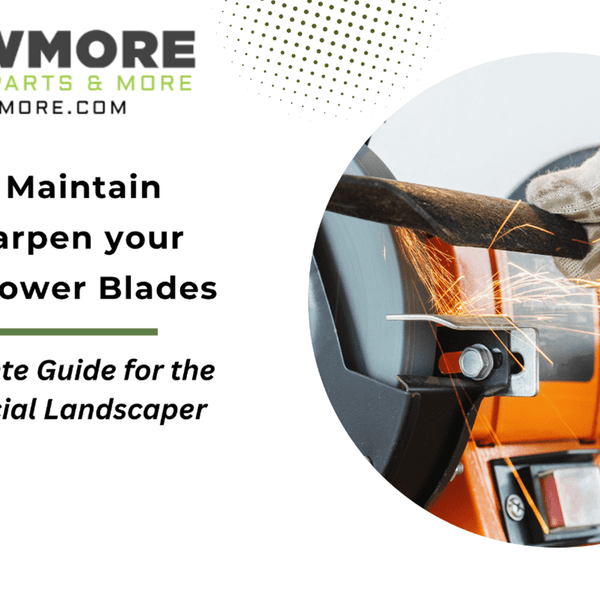
Credit: www.mowmore.com
Recommended Sharpening Schedule
Mower blades should be sharpened every 20 to 25 hours of use to keep grass cutting clean. Frequent sharpening helps maintain lawn health and improves mower efficiency. Check blades often for dullness or damage to know when sharpening is needed.
Maintaining sharp mower blades is crucial for a healthy lawn and efficient mowing. A recommended sharpening schedule ensures your mower performs at its best and prolongs the lifespan of the blades. But how often should you actually sharpen them? Let’s break it down.General Guidelines
Aim to sharpen your mower blades after every 20 to 25 hours of use. This is a general rule of thumb that works for most homeowners. If you’re unsure about the hours, consider how frequently you mow—sharpening twice a mowing season might suffice for average use. Sharp blades cut grass cleanly, reducing stress on the plants. Dull blades tear the grass, leaving it vulnerable to disease and pests. Keeping a log of mowing hours can help you keep track and maintain a consistent sharpening schedule.Seasonal Considerations
Consider the demands of each mowing season. In spring, when growth is rapid, blades might need more frequent sharpening. The grass is lush, and dull blades can struggle, leading to uneven cuts. During the summer and fall, grass growth slows, meaning less frequent mowing and potentially less frequent sharpening. However, if you mow over twigs or debris, this may require an adjustment. Each season brings different challenges and understanding these can help you plan your sharpening schedule effectively.Adjusting For Equipment Type
The type of mower you have can influence how often you need to sharpen the blades. Rotary mowers often require more frequent sharpening compared to reel mowers. Consider the material and quality of your blades as well. High-quality blades may hold their edge longer, reducing the frequency needed for sharpening. Do you have a riding mower or a push mower? The type can affect the wear and tear on blades, requiring adjustments to your sharpening routine. Always consult your equipment’s manual for specific recommendations. Understanding these factors helps you tailor a sharpening schedule that keeps your mower in top condition. Are you ready to optimize your mowing routine?Diy Sharpening Techniques
Sharpening your mower blades yourself can save you money and keep your lawn looking its best. It’s a task that might seem tricky at first, but with the right tools and approach, you can do it effectively at home. Getting hands-on with your mower blades gives you control over maintenance and helps you understand your equipment better.
Tools You Need
- Wrench or socket set:To remove the mower blade safely.
- Blade sharpening tool:A file, bench grinder, or a rotary tool with a sharpening attachment works well.
- Safety gear:Gloves and eye protection to keep you safe during the process.
- Balancing tool:A blade balancer or a simple nail in the wall to check blade balance after sharpening.
- Cleaning brush or cloth:To remove grass and debris before sharpening.
Step-by-step Sharpening Process
Start by disconnecting the spark plug to avoid accidental starts. Then, use your wrench to carefully remove the blade from the mower. Clean the blade thoroughly to see where the dull spots are.
Hold the blade firmly and use your sharpening tool to file or grind the edge at a consistent angle, usually around 30 degrees. Sharpen each side evenly to maintain balance. After sharpening, check the blade’s balance by placing it on the balancer; an unbalanced blade can cause vibrations and damage.
Once balanced, reinstall the blade securely and reconnect the spark plug. Testing your mower on a small patch of grass can help you feel the difference a sharp blade makes.
Safety Tips
- Always wear gloves to protect your hands from sharp edges.
- Use eye protection to prevent metal filings or debris from getting into your eyes.
- Disconnect the spark plug before starting any blade work to prevent accidents.
- Work in a well-lit, clean area to avoid slips or mistakes.
- Double-check blade installation to ensure it’s tight and secure before mowing again.
Have you ever noticed your mower struggling or tearing the grass? Sharp blades make a huge difference in the quality of your lawn and the effort needed to mow. Sharpening your blades yourself puts you in control, so why not give it a try this season?
.png)
Credit: www.misterworker.com
When To Seek Professional Help
Knowing when to seek professional help for sharpening your mower blades can save you time, money, and frustration. While DIY sharpening works for minor touch-ups, some situations demand expert attention to keep your lawn mower running smoothly. Recognizing these moments will ensure your mower blades stay sharp and efficient without causing further damage.
Signs Of Blade Damage
Look for unusual vibrations or noises when the mower is running. These can indicate bent or cracked blades that DIY sharpening won’t fix. If you notice uneven cuts or patches of torn grass instead of a clean slice, your blades might be too damaged to sharpen at home.
Visible cracks, deep nicks, or missing chunks on the blade edges are clear signs you need professional service. Attempting to sharpen severely damaged blades yourself could make the problem worse or even unsafe.
Cost Vs. Benefit
Consider the cost of professional sharpening versus replacing the blades. If the blades are only mildly dull, a quick professional sharpen can extend their life at a reasonable price. However, if the damage is severe, investing in new blades may be more cost-effective in the long run.
Think about the value of your time and effort too. Sometimes, paying for expert sharpening saves you hours of work and ensures precision that DIY methods often miss. Could a small fee now prevent bigger expenses later?
Finding Reliable Services
Look for local lawn care shops or hardware stores with good reviews for mower blade sharpening. Ask friends or neighbors for recommendations—they often know trustworthy pros. Verify that the service uses proper equipment and has experience with your mower model.
Don’t hesitate to ask questions about turnaround time, pricing, and guarantees. A reliable service will be transparent and eager to help you maintain your mower’s performance. How confident are you in your current sharpening skills compared to a professional’s precision?
Maintaining Blades Between Sharpenings
Maintaining your mower blades between sharpenings is key to keeping your lawn healthy and your mower running smoothly. Sharp blades cut grass cleanly, but without proper care, blades can dull faster and wear unevenly. Taking simple steps to clean, balance, and store your blades properly can extend their life and improve your mowing experience.
Cleaning Tips
Dirt, grass clippings, and sap build up quickly on mower blades, causing rust and dulling. After each use, wipe the blades clean with a damp cloth or use a brush to remove stuck debris. Avoid harsh chemicals; a mixture of water and mild soap works well.
Dry the blades thoroughly to prevent rust. If you notice sticky residue, try using a little WD-40 or a specialized blade cleaner. Keeping blades clean between sharpenings helps maintain their cutting edge longer.
Balancing Blades
Have you ever felt your mower vibrate more than usual? Unbalanced blades are often the cause. After cleaning, check the balance by hanging the blade on a nail or using a blade balancer tool.
If one side dips lower, file a bit off the heavier side until the blade stays level. Balanced blades reduce strain on the mower’s engine and ensure an even cut. It’s a quick step that can save you from costly repairs down the line.
Proper Storage Practices
Storing mower blades correctly between uses prevents damage and rust. Remove blades if you won’t be mowing for a while, especially over winter, and coat them lightly with oil to block moisture.
Keep blades in a dry, cool place away from direct sunlight. Avoid stacking other tools or heavy items on top of them to prevent bending. Proper storage means your blades will be ready to go sharp and strong when you need them next.

Credit: mowrator.com
Frequently Asked Questions
How Often Should I Sharpen Mower Blades Annually?
Sharpen mower blades every 20-25 hours of use or at least twice per mowing season. Frequent sharpening ensures cleaner cuts and healthier grass.
What Are Signs That Mower Blades Need Sharpening?
Look for ragged grass cuts, uneven lawn, or increased mower vibration. These signs indicate dull blades that require immediate sharpening.
Can Dull Mower Blades Damage My Lawn?
Yes, dull blades tear grass instead of cutting it cleanly. This causes brown tips and makes your lawn prone to disease.
Is Professional Sharpening Better Than Diy Sharpening?
Professional sharpening provides precise blade balance and edge quality. However, DIY sharpening is cost-effective if done correctly with proper tools.
Conclusion
Sharpen mower blades regularly to keep your lawn healthy and neat. Dull blades tear grass, causing damage and uneven cuts. Aim to sharpen blades after every 20-25 hours of use. Check blades more often if you mow rough or thick grass.
Proper blade care saves time and improves mower performance. Stay consistent, and your lawn will look its best all season. Simple steps, big results.





