Is your mower engine overheating and leaving you stuck in the middle of your yard work? You’re not alone, and the good news is, you don’t have to be a mechanic to fix it.
Understanding why your mower engine gets too hot and knowing the simple steps to cool it down can save you time, money, and frustration. You’ll discover easy-to-follow tips that will help your mower run smoothly again. Keep reading, and by the end, you’ll feel confident tackling this common problem on your own.
Credit: www.mowmore.com
Common Causes Of Overheating
Engine overheating is a common problem in lawn mowers. It can stop your mower from working and cause damage. Knowing the common causes helps you fix the issue fast. Here are some usual reasons your mower engine might get too hot.
Dirty Air Filters
Air filters stop dust and dirt from entering the engine. When filters get dirty, airflow reduces. Poor airflow makes the engine work harder and heat up. Clean or replace filters regularly to keep the engine cool.
Low Oil Levels
Engine oil lubricates moving parts and cools the engine. Low oil means less lubrication and more friction. Friction causes heat to build up quickly. Check oil levels before every use and add oil if needed.
Clogged Cooling Fins
Cooling fins help to release heat from the engine. Dirt and grass can block these fins over time. Blocked fins stop heat from escaping, causing the engine to overheat. Clean the fins to maintain proper cooling.
Fuel Problems
Old or poor-quality fuel can cause the engine to run unevenly. This creates extra heat inside the engine. Use fresh fuel and avoid mixing different fuel types. Proper fuel keeps the engine running smoothly and cool.
Blocked Exhaust
The exhaust system removes hot gases from the engine. Blocked exhaust traps heat inside, raising engine temperature. Remove debris or buildup in the exhaust pipe. Clear exhaust flow helps keep the engine cool.
Credit: www.familyhandyman.com
Quick Checks Before Repair
Before diving into complex repairs, taking a few quick checks can save you time and money. These simple inspections often reveal the root cause of your mower engine overheating. You might be surprised how often the fix is something easy to spot and correct.
Inspect Oil And Fuel
Check the oil level first. Low or dirty oil can cause your engine to overheat because it can’t lubricate parts properly. Make sure the oil is clean and at the right level—too little or too much oil both cause problems.
Fuel quality matters too. Old or contaminated fuel can make the engine work harder, raising the temperature. If your mower has been sitting unused, consider draining old fuel and adding fresh gasoline.
Examine Airflow
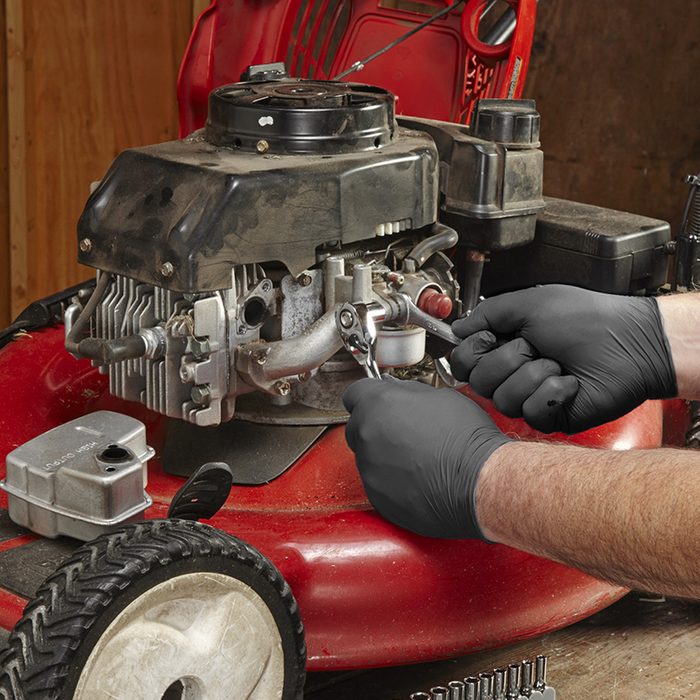
Airflow keeps the engine cool, so blockages can cause overheating. Look for dirt, grass clippings, or debris around the engine cooling fins and air intake. Cleaning these areas regularly helps maintain proper airflow and prevents heat buildup.
Have you checked if any covers or guards are loose or missing? Sometimes missing parts disrupt airflow and cause heat to build up around the engine.
Check Spark Plug Condition
A worn or dirty spark plug can cause your mower to run inefficiently, leading to overheating. Remove the spark plug and inspect it for carbon buildup, cracks, or corrosion.
Replacing an old spark plug is a quick fix that often improves engine performance and temperature regulation. It’s a small part, but it plays a big role in how your mower runs.
Cleaning And Maintenance Tips
Regular cleaning and maintenance keep your mower engine cool and running well. Dirt and debris block airflow and cause overheating. Simple upkeep helps your engine breathe and stay at the right temperature.
How To Clean Air Filters
Air filters trap dust and dirt. A dirty filter stops air from reaching the engine. Remove the filter cover. Take out the filter carefully. Tap it gently to remove loose dirt. Wash foam filters in warm, soapy water. Let it dry completely before reinstalling. Replace paper filters if very dirty or damaged.
Clearing Cooling Fins
Cooling fins help the engine stay cool by moving air. Grass and dirt can clog them. Use a brush or compressed air to clean fins. Clear all debris from between the fins. Be gentle to avoid bending or breaking them.
Changing Engine Oil
Old oil loses its ability to cool the engine. Warm up the engine first. Place a container under the oil drain plug. Remove the plug and drain the oil. Replace the drain plug securely. Fill with fresh oil recommended by the mower manual. Check oil level with the dipstick and add more if needed.
Unclogging Exhaust
The exhaust pipe can get blocked by soot or grass. A clogged exhaust traps heat inside the engine. Remove the spark plug for safety. Use a wire brush or a flexible wire to clean inside the exhaust. Blow air through the pipe to clear any loose debris. Reinstall the spark plug once done.

Credit: www.greentractortalk.com
Adjusting Engine Settings
Adjusting the engine settings can help prevent overheating by ensuring proper fuel and air flow. Check the carburetor and idle speed to keep the engine cool. Fine-tuning these settings improves engine performance and reduces heat buildup.
Adjusting the engine settings can be a game-changer in resolving mower engine overheating issues. By fine-tuning specific components, you can ensure your mower runs smoothly, enhancing its longevity and efficiency. This process requires patience and attention to detail, but the results are worth the effort. Let’s dive into some practical steps to help you get started.Tuning The Carburetor
The carburetor is crucial for mixing air and fuel correctly, affecting engine performance and temperature. Begin by locating the adjustment screws on your carburetor. These are typically marked as idle and main screws. Use a screwdriver to turn the idle screw clockwise until it lightly seats, then turn it counterclockwise one and a half turns. This is your baseline setting. Adjust the main screw similarly, but start with one turn counterclockwise. Start your mower and let it warm up. Make small adjustments to achieve a smooth idle and optimal performance.Checking Engine Timing
Engine timing ensures the spark plug fires at the right moment to ignite the fuel-air mixture. Incorrect timing can lead to overheating. First, refer to your mower’s manual for the correct timing specifications. Use a timing light to check the alignment of the timing marks. You may need to adjust the timing by loosening the distributor and rotating it slightly. Retighten the distributor, and check the timing again. Proper timing not only prevents overheating but also enhances fuel efficiency. Adjusting these engine settings might seem daunting, but they are essential for maintaining your mower’s health. Have you ever considered how a simple tweak could prevent costly repairs? Dive in, make those adjustments, and experience the difference in your mower’s performance.Preventive Measures
Preventing mower engine overheating is easier than fixing it after the fact. Taking simple, consistent steps can save you time, money, and frustration. These preventive measures help your mower run smoothly and last longer.
Regular Maintenance Schedule
Set a regular maintenance schedule for your mower. Check and clean the air filter every 10 hours of use to avoid dirt buildup that blocks airflow. Inspect the cooling fins and remove any grass clippings or debris that may cause heat retention.
Change the oil after every 25 hours of operation or at least once per season. Old or dirty oil loses its ability to cool and lubricate the engine. A clean spark plug also ensures efficient combustion, which prevents excess heat generation.
Proper Storage Practices
Store your mower in a dry, shaded area away from direct sunlight. Heat from the sun can raise the engine temperature even when the mower is off. Cover the mower to keep dust and moisture out, which can cause corrosion or clog vents.
Before storage, empty the fuel tank or add a fuel stabilizer. Stale fuel can gum up the carburetor, leading to poor engine performance and overheating. Have you noticed how a well-stored mower starts faster and runs cooler?
Using Quality Fuel And Oil
Always use fresh, high-quality gasoline with the correct octane rating recommended by the manufacturer. Low-grade or old fuel can cause knocking and overheating. Avoid mixing oil types or using oil meant for cars instead of lawn equipment.
Choose the right grade of oil, usually SAE 30 or 10W-30, depending on your climate. Using the wrong oil thickens engine components, raising friction and heat. How often do you check the oil quality before starting your mower?
When To Seek Professional Help
Knowing when to seek professional help for your mower’s engine overheating can save you time, money, and frustration. Some problems may seem small but can quickly turn into serious engine damage if ignored. Understanding the warning signs will help you decide when it’s time to stop troubleshooting on your own and call an expert.
Persistent Overheating Issues
If your mower’s engine continues to overheat despite your best efforts, it’s a clear signal to get professional assistance. Simple fixes like cleaning air filters or checking oil levels might not be enough if the root cause is deeper.
Imagine spending hours trying to cool down your mower only for it to overheat again the next time you use it. This cycle wastes your time and could worsen the problem. A technician can perform a thorough inspection and pinpoint issues like a faulty thermostat, blocked cooling fins, or internal engine problems that are hard to detect on your own.
Engine Damage Signs
Pay close attention to signs of engine damage which require immediate professional intervention. These include:
- Unusual smoke coming from the engine
- Strange noises like knocking or grinding
- Loss of power or stalling during operation
- Visible leaks of oil or coolant
If you notice any of these symptoms, continuing to run your mower could cause irreversible damage. Have you ever ignored a warning sign only to regret it later? Getting expert help early can prevent costly repairs or even the need for a full engine replacement.
Frequently Asked Questions
Why Is My Mower Engine Overheating Frequently?
Overheating occurs due to low oil, dirty air filters, or blocked cooling fins. Regular maintenance prevents this issue. Check oil levels and clean filters to keep the engine cool and running efficiently.
How Can I Prevent Mower Engine Overheating?
Regularly clean air filters, check oil levels, and inspect cooling fins. Avoid running the mower on steep slopes or thick grass for long periods. Proper maintenance ensures efficient engine cooling and prevents overheating.
What Are Common Signs Of Mower Engine Overheating?
Signs include smoke, strange smells, loss of power, and engine stalling. The mower may also emit unusual noises. Immediate action is required to avoid engine damage when these symptoms appear.
Can Using Wrong Oil Cause Mower Overheating?
Yes, using incorrect oil can reduce lubrication, causing friction and heat build-up. Always use the manufacturer-recommended oil type and change it regularly to keep the engine running cool.
Conclusion
Fixing mower engine overheating is easier than it seems. Keep the engine clean and check the oil often. Make sure the cooling system works well. Avoid running the mower too long without breaks. Use fresh fuel and clean air filters.
Small steps can stop overheating and protect your mower. A well-maintained mower lasts longer and works better. Take care of it, and your lawn stays neat. Simple actions make a big difference.





