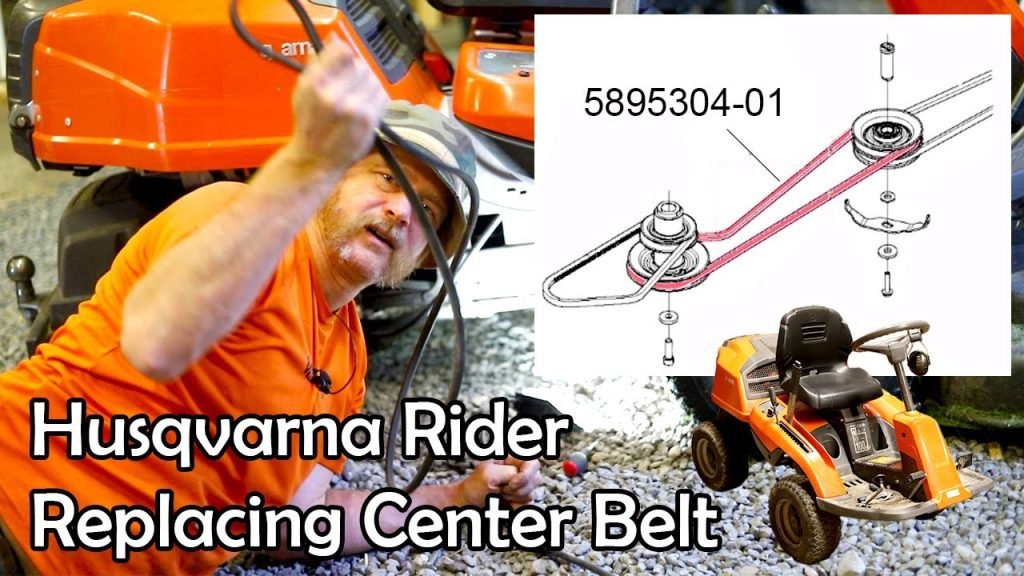
If your Husqvarna mower isn’t cutting as smoothly as before, the belt might be the problem. Replacing the mower belt may sound tricky, but it’s something you can do yourself with just a few simple tools.
Imagine getting your mower back to peak performance without spending a lot on repairs. In this guide, you’ll learn exactly how to replace your Husqvarna mower belt step-by-step. By the end, you’ll have the confidence to fix it quickly and keep your lawn looking perfect all season long.
Keep reading to find out how easy it really is!
Signs Of A Worn Mower Belt
Knowing the signs of a worn mower belt can save you from unexpected breakdowns and costly repairs. The mower belt is a critical part of your Husqvarna mower’s operation, transferring power from the engine to the blades. When it shows signs of wear, your mower won’t perform efficiently, making your lawn care frustrating and time-consuming.
Common Belt Issues
Look closely at your mower belt for cracks, fraying, or glazing on the surface. These are clear indicators that the belt is losing its grip and strength. If you notice the belt slipping or making squealing noises during operation, it’s struggling to maintain proper tension.
Sometimes, belts can stretch over time, causing uneven blade rotation and poor cutting quality. Have you ever felt your mower jerking or hesitating? That often points to belt wear or damage. Also, check for missing chunks or worn edges, which affect belt alignment and can damage other mower parts.
When To Replace
Replace your mower belt as soon as you spot visible damage or experience performance issues like slipping or noise. Don’t wait for the belt to snap mid-job—this can cause additional damage. If your mower is over a couple of seasons old and you haven’t changed the belt, it’s wise to inspect it regularly.
Ask yourself: Is your mower cutting unevenly or taking longer to finish? These signs usually mean the belt is tired. Proactive replacement keeps your mower running smoothly and prevents downtime during peak lawn care times.

Credit: www.youtube.com
Tools And Materials Needed
Replacing the mower belt on your Husqvarna requires specific tools and materials. Having the right items ready makes the process faster and safer. It helps avoid damage to your mower and ensures the belt fits perfectly.
Essential Tools
- Socket wrench set for removing bolts
- Screwdriver, preferably flathead and Phillips
- Pliers to hold or pull parts
- Utility knife for cutting old belts if needed
- Gloves to protect your hands
- Safety glasses to shield your eyes
Choosing The Right Belt
Select a belt designed specifically for your Husqvarna model. Check the model number and compare it with the belt size. Using the correct belt ensures proper tension and smooth operation.
Original equipment manufacturer (OEM) belts often last longer. Avoid generic belts that may wear out quickly or slip during use. Confirm the belt length, width, and rib count match your mower’s requirements.
Preparing The Mower
Preparing the mower is a key step before replacing the belt on your Husqvarna mower. This process ensures your safety and makes the repair easier and faster. Taking time to get the mower ready prevents damage and accidents during the belt replacement.
Safety Precautions
Always disconnect the spark plug wire before starting any work. This stops the mower from accidentally starting. Wear gloves to protect your hands from sharp parts and dirt. Use safety glasses to shield your eyes from debris. Work in a dry, well-lit area to avoid slips and mistakes.
Positioning The Mower
Place the mower on a flat, stable surface. Use wheel chocks or blocks to keep it from rolling. Tilt the mower gently to access the belt area, following the manufacturer’s instructions. Avoid tilting the mower on the carburetor side to prevent fuel leaks. Keep the mower steady during the belt removal and installation.

Credit: www.youtube.com
Removing The Old Belt
Begin by unplugging the mower and removing any safety covers. Carefully slide off the old belt from the pulleys, noting its path for reinstallation. Inspect the belt for wear or damage before discarding it.
Replacing the mower belt on your Husqvarna can seem daunting, but breaking it down into manageable steps makes it much simpler. Removing the old belt is a crucial part of this process. Ensuring the belt area is easily accessible and carefully detaching the belt will set the stage for a smooth replacement.Accessing The Belt Area
First, ensure your mower is on a flat surface and turned off for safety. Engage the parking brake and remove the ignition key. This prevents any accidental starts while you’re working. Next, you’ll need to lift the mower deck to expose the belt area. Refer to your Husqvarna manual for specific instructions on how to adjust your deck height. Usually, you can adjust it by using the lever located on the side of your mower. With the deck lifted, you can now see the belt area more clearly. This visibility is crucial for understanding how the belt is positioned and how it will need to be replaced.Detaching The Belt
Start by locating the belt guards, which are typically secured by bolts or screws. Use a wrench or screwdriver to carefully remove these fasteners and set them aside in a safe place. Gently pull the belt away from the pulleys. It may require a bit of maneuvering, especially if the belt has become stiff over time. Take a moment to observe the belt’s path around the pulleys to help with the installation of the new belt. As you remove the old belt, check for signs of wear and tear. Understanding the damage can provide insights into potential issues with mower alignment or tension that might need addressing. Have you ever found a surprising amount of debris trapped around the belt area? Regularly cleaning this space can prolong the life of your new belt. Keep this in mind as you proceed with the replacement process.Installing The New Belt
Installing the new mower belt on your Husqvarna requires careful attention. Proper installation ensures smooth operation and extends the mower’s life. Follow each step carefully for the best results.
Routing The Belt Correctly
Start by placing the new belt around the engine pulley. Then, guide it along the deck pulleys, following the original belt path. Check the belt diagram in your mower’s manual for exact routing. Make sure the belt sits in the pulley grooves without twisting. A correctly routed belt prevents slipping and wear.
Securing The Belt
Once the belt is in place, adjust the idler pulleys to create proper tension. Pull the belt tight but avoid overstretching it. Tighten all bolts and screws that hold the pulleys and belt guards. Spin the pulleys by hand to confirm smooth movement. Secure installation avoids belt damage and mower breakdown.
Testing The Replacement
After installing the new mower belt on your Husqvarna, testing is essential. This step ensures the belt works properly and your mower runs smoothly. Testing helps identify any issues early before you start mowing your lawn.
Starting The Mower
Begin by placing the mower on a flat surface. Make sure the parking brake is engaged. Start the engine and listen carefully. The engine should run smoothly without unusual noises.
Watch the belt area closely. The belt should move without slipping or jerking. If the mower stalls or the belt slips, stop the engine immediately.
Checking Belt Performance
Engage the mower blades by activating the blade control lever. Observe the belt’s movement while the blades are engaged. The belt must rotate steadily and maintain tension.
Check for vibrations or squealing sounds. These signs may indicate improper belt installation or tension. Adjust the belt tension if needed by following your mower’s manual instructions.
Test the mower’s cutting function. The blades should spin consistently and cut grass evenly. Proper belt performance ensures efficient mowing and protects the mower’s parts.
Maintenance Tips For Belt Longevity
Keeping your mower belt in good shape can save you time and money. Simple maintenance habits can extend the life of your belt and keep your Husqvarna mower running smoothly. Let’s look at some practical tips you can use to protect your belt from wear and tear.
Regular Inspections
Check your mower belt often for cracks, fraying, or signs of stretching. Catching damage early helps you avoid unexpected breakdowns during mowing. Run your fingers along the belt edges to feel for rough spots or looseness that might affect performance.
Inspect the pulleys and belt tension too. Dirt buildup or misalignment can cause the belt to wear out faster. Have you ever noticed your mower making unusual noises? That’s often a sign the belt needs attention.
Proper Storage
Store your mower in a dry, cool place when not in use. Excessive heat or moisture can weaken the belt material over time. Avoid leaving the mower outside where sun exposure can cause the belt to dry out and crack.
Before storing, clean off grass clippings and debris from the belt area. This prevents buildup that can cause slipping or damage. Do you keep your mower in a garage or shed? Making sure it’s protected can extend the belt’s life significantly.

Credit: www.youtube.com
Frequently Asked Questions
How Do I Know When To Replace My Husqvarna Mower Belt?
Signs to replace include slipping, fraying, or cracking of the belt. If the mower loses power or the blades stop spinning, check the belt immediately.
What Tools Are Needed To Replace A Husqvarna Mower Belt?
You need basic tools like a socket wrench, screwdrivers, and pliers. Having a replacement belt specific to your Husqvarna model is essential.
How Long Does It Take To Replace A Mower Belt?
Replacing the mower belt typically takes 20 to 30 minutes. It depends on your experience and the mower model’s complexity.
Can I Replace The Mower Belt Myself Safely?
Yes, you can safely replace it by disconnecting the spark plug first. Follow the manufacturer’s instructions carefully to avoid injury.
Conclusion
Replacing the mower belt on your Husqvarna is simple with the right steps. Take your time and follow each part carefully. Using the correct tools makes the task easier. Regular checks keep your mower running well. A new belt helps your mower cut better and last longer.
Keep your mower ready for every season. You can save money by doing this yourself. Stay safe, work patiently, and enjoy a smooth mowing experience.





