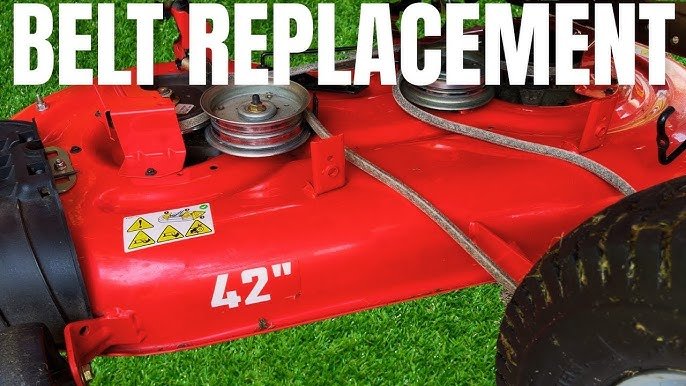
Have you ever wondered if you can replace your mower belts with automotive belts? If you’re facing a broken belt and want a quick, cost-effective fix, this question probably crossed your mind.
Using the wrong belt could damage your mower or cause it to underperform. But what if there’s a safe, reliable way to swap them? You’ll discover the key differences between mower and automotive belts, and find out if using an automotive belt is a smart choice for your mower.
Keep reading to avoid costly mistakes and make the best decision for your lawn care needs.
Mower Belt Basics
Mower belts come in different typesdepending on the mower model. Common types include V-beltsand flat belts. V-belts are shaped like a “V” and fit into pulley grooves. Flat belts are smooth and wide, often used in older or simple mowers.
| Type of Belt | Material | Use |
|---|---|---|
| V-Belt | Rubber with fabric layers | Transmits power to blades and wheels |
| Flat Belt | Rubber or leather | Transfers motion in simple pulley systems |
| Timing Belt | Rubber with teeth and fabric | Keeps engine parts synchronized |
Common materialsfor mower belts include rubber, neoprene, and reinforced fabric. These materials help belts stay flexible and strong under heat and stress.
The belt’s role is to transfer powerfrom the engine to the mower blades or wheels. It keeps everything running smoothly by connecting moving parts. A worn or broken belt stops the mower from working properly.

Credit: www.amazon.ca
Automotive Belt Characteristics
Automotive belts come in various typeslike V-belts, serpentine belts, and timing belts. Each type serves a specific purposein vehicles. V-belts are simple and strong, used for basic power transmission. Serpentine belts are flat and flexible, running multiple components at once. Timing belts keep engine parts moving in perfect sync.
Materials differ between automotive and mower belts. Automotive belts often use high-quality rubberwith reinforcement fibers. This makes them durable and flexible. Mower belts are usually thinner and less tough. They wear out faster under stress.
Durability is key for automotive belts. They resist heat, oil, and wear well. Flexibility lets them bend around pulleys without breaking. Mower belts may not handle these stresses as well, which affects their lifespan and performance.
Comparing Mower And Automotive Belts
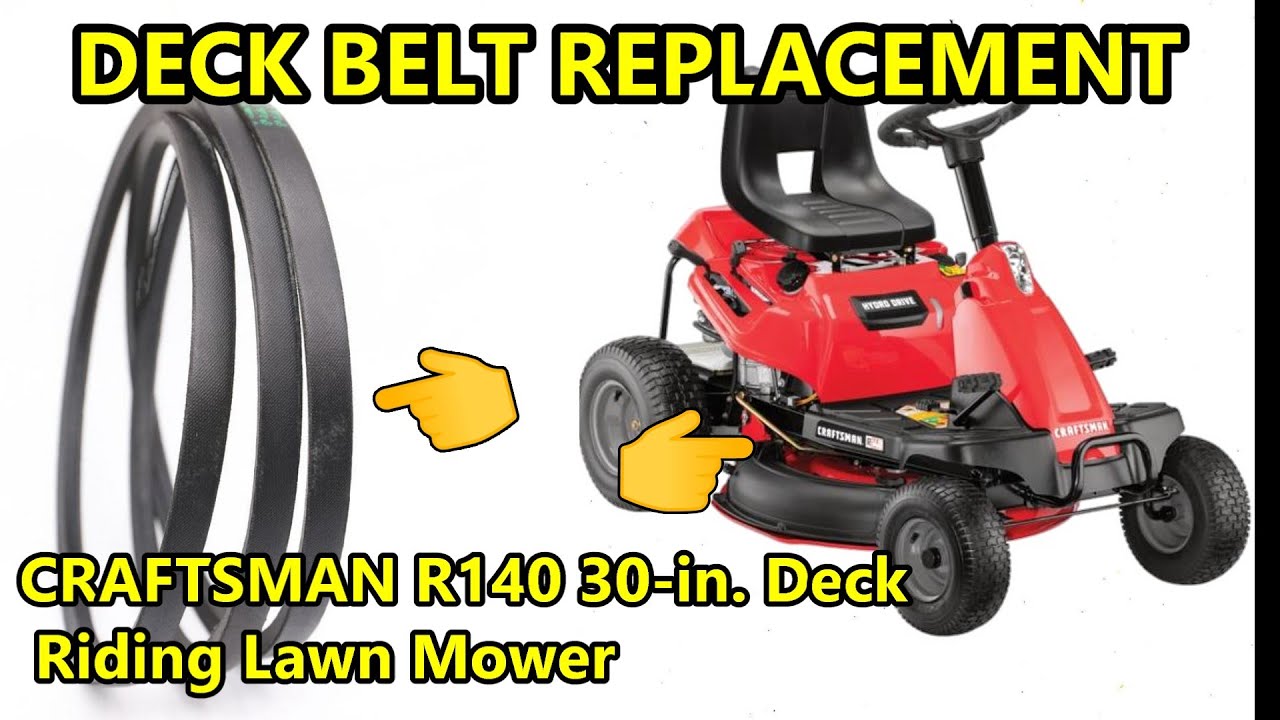
Mower beltsand automotive beltsdiffer mainly in size and fit. Mower belts are usually smaller and narrower. Automotive belts are wider and made for bigger pulleys. Using the wrong size can cause slipping or damage.
Tension and load capacity matter a lot. Mower belts handle less tensionand loadcompared to automotive belts. Automotive belts are built to carry higher loads and last longer under stress. Mower belts are designed for lighter use.
Heat and environmental resistance vary too. Mower belts work in cooler, outdoor settings. Automotive belts face higher heatand oil exposure inside engines. They have special materials to resist these conditions. Mower belts may wear out faster if used in automotive settings.
Credit: www.youtube.com
Pros And Cons Of Using Automotive Belts
Cost Benefitsinclude lower price and easy availability of automotive belts. They often cost less than mower belts. This saves money in the short term. Automotive belts come in many sizes, making them a quick fix for some mowers.
Performance Impactscan vary. Automotive belts may not fit perfectly, causing slipping or noise. They might wear out faster under mower conditions. This can reduce mower efficiency and cutting quality.
Potential Risksinvolve safety and damage. Using the wrong belt can cause mower parts to break. It may also void the mower’s warranty. The belt could snap during use, risking injury or damage.
Expert Tips For Replacement
Measure the belt length and width carefully. Automotive belts may not fit mower pulleys exactly. Check the pulley size and belt type before buying. Use a tape measure or ruler for accuracy. A wrong size belt can cause slipping or damage.
Proper tension keeps the belt running smoothly. Too tight can wear out bearings. Too loose can make the belt slip. Use a tension gauge or follow mower manual instructions. Adjust the belt to have a little give but not too much.
- Cracks or splits on the belt surface
- Glazing or shiny spots
- Frayed or torn edges
- Noise or squealing during operation
- Slipping or loss of power
Watch these signs often. Replace the belt if any appear. Regular checks help avoid mower breakdowns and keep it running well.
Installation Best Practices
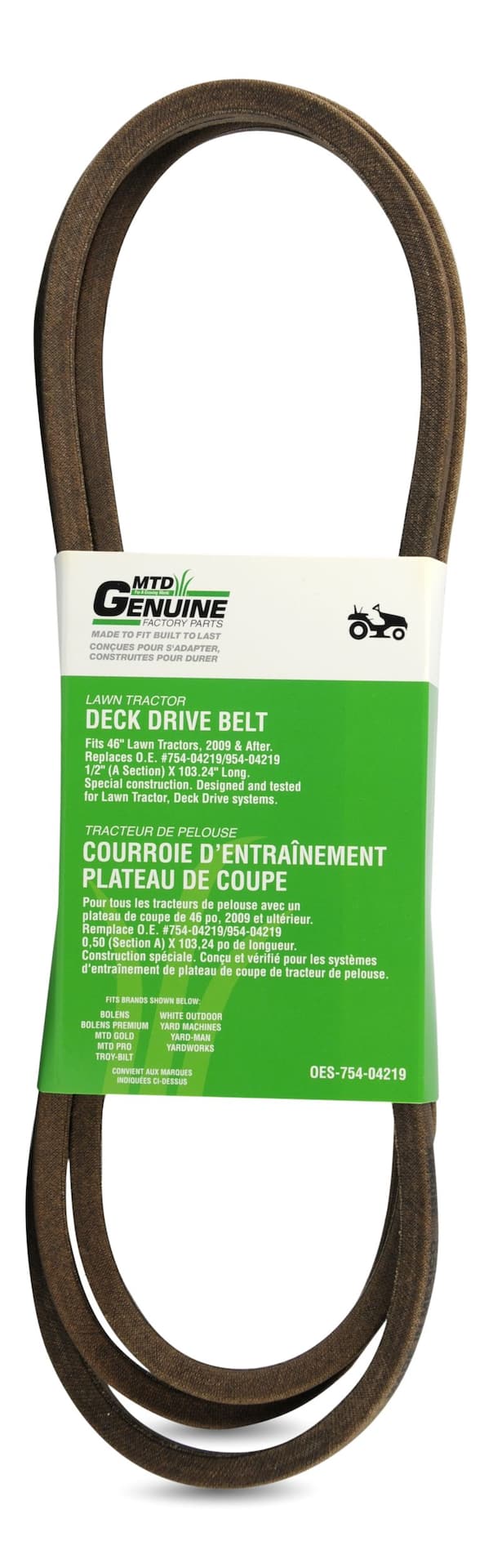
Mower belts and automotive belts differ in size and flexibility, making direct replacement tricky. Using the correct belt ensures better performance and longer life for your mower. Always check specifications before swapping belts to avoid damage.
Tools Needed
Having the right tools makes the job easier. You will need a wrench, screwdriver, and pliers. A socket set and a belt tension gauge are also helpful. Make sure tools are in good condition. Safety gloves protect your hands. Keep a flashlight nearby for visibility. A clean rag helps with spills. These tools prepare you for a smooth replacement.
Step-by-step Replacement Guide
Remove the old belt carefully. Look for the belt path diagram. Install the new belt following the diagram. Ensure the belt is tight and secure. Check for any twists or misalignment. Test the mower by running it briefly. Listen for strange noises. Check the belt again for proper placement. Adjust if needed.
Troubleshooting Common Issues
The belt may slip if too loose. Tighten it using the tension gauge. A squealing sound indicates misalignment. Adjust the belt to fix it. Check for damage if the belt breaks often. Ensure pulleys and guides are in good shape. Replace worn parts immediately. Proper maintenance prevents future problems.
Maintaining Belt Longevity
Check belts regularlyfor cracks, frays, or wear. Small damage can grow fast. Look for signs of slipping or squeaking sounds. Tighten belts to avoid slipping but do not over-tighten.
Keep belts clean from dirt, oil, and grass clippings. Use a dry cloth to wipe belts after use. Store belts in a cool, dry place away from sunlight to stop hardening or cracking.
| When to Replace Belt | Signs |
|---|---|
| Visible Cracks | Deep cracks or splits on belt surface |
| Fraying Edges | Worn or shredded edges that weaken belt |
| Slipping Belt | Belt slips during mower use, causing noise |
| Hard or Brittle | Belt feels stiff or breaks easily |
Credit: www.canadiantire.ca
Frequently Asked Questions
Can Automotive Belts Replace Mower Belts Safely?
Automotive belts differ in size and material from mower belts. Using them may cause improper fit and reduce mower efficiency. It’s best to use belts designed specifically for your mower to ensure safety and optimal performance.
Are Mower Belts And Automotive Belts Interchangeable?
Mower belts and automotive belts are not generally interchangeable. They have different widths, lengths, and tension requirements. Using automotive belts on mowers can lead to slippage or damage, so always choose the correct mower belt for replacement.
What Risks Exist When Using Automotive Belts On Mowers?
Using automotive belts on mowers can cause belt slipping, premature wear, or damage to pulleys. This risks mower breakdown and safety hazards. Always use mower-specific belts to maintain proper function and extend equipment life.
Where Can I Find The Right Mower Belt Replacement?
The best place to find the correct mower belt is the mower manufacturer or authorized dealers. Online retailers also offer mower-specific belts. Always check the model number and specifications before purchasing to ensure compatibility.
Conclusion
Mower belts and automotive belts are not always the same. Using the right belt ensures your mower works well. Automotive belts may not fit or last long on mowers. Safety and performance depend on correct belt choice. Always check your mower’s manual before swapping belts.
Choosing the proper belt saves time and money. A small detail that makes a big difference. Take care of your mower with the right parts. Simple, smart decisions keep your mower running smoothly.





