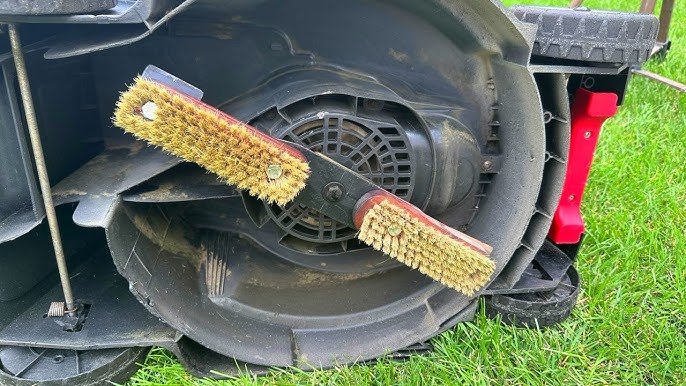
Is your lawn mower struggling to cut grass cleanly? A dull blade could be the problem, making your mowing harder and less effective.
But don’t worry—you can fix this quickly by sharpening your mower blade with a Dremel tool. Using a Dremel is a simple and precise way to bring your blade back to life, saving you time and money. In this guide, you’ll learn exactly how to use your Dremel for mower blade sharpening, step by step.
Keep reading, and soon your lawn mower will be cutting like new again!
Tools And Materials Needed
Sharpening mower blades with a Dremel tool requires specific tools and materials. Having the right items ensures a smooth, safe process and good results. This section covers the key tools and materials you need before starting.
Choosing The Right Dremel Attachment
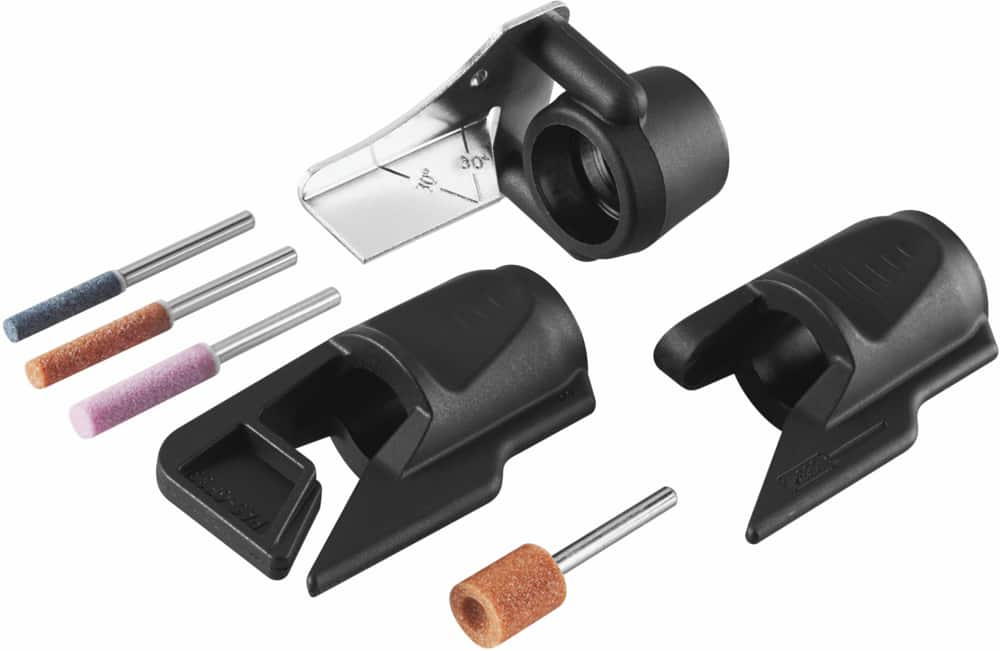
Select the correct attachment for sharpening mower blades. A grinding stone or a small sanding drum works best. These attachments fit well on most Dremel rotary tools. They allow precise control and effective sharpening without damaging the blade.
Safety Gear Essentials
Wear proper safety gear to protect yourself during sharpening. Use safety glasses to shield your eyes from metal shards. Gloves protect your hands from sharp edges and hot surfaces. A dust mask helps avoid inhaling metal dust. These items keep you safe throughout the process.
Before sharpening, remove the mower blade carefully. Clean the blade to remove dirt and grass. Use a wire brush or cloth for cleaning. Check the blade for cracks or damage. Secure the blade firmly on a workbench to avoid slipping while sharpening.
Preparing The Mower Blade
Preparing your mower blade is a crucial step before sharpening it with a Dremel. Proper preparation ensures safety, efficiency, and the best sharpening results. Taking time to remove, clean, and inspect the blade can save you from potential hazards and help you spot issues that need attention.
Removing The Blade Safely
Before you touch the blade, disconnect the spark plug wire to prevent accidental starts. Use a sturdy wrench to loosen the bolt holding the blade; sometimes, applying a bit of penetrating oil helps if the bolt is rusty or stuck.
Remember to wear thick gloves to protect your hands from sharp edges. Secure the mower on a flat surface or tip it carefully to access the blade without risking injury. How often have you rushed this step only to struggle with a stuck bolt? Taking your time here pays off.
Cleaning The Blade
Use a wire brush or a putty knife to scrape off grass clippings, dirt, and rust from the blade. Clean blades sharpen more evenly and last longer. Wiping the blade with a damp cloth after scraping removes any remaining debris.
If the blade has stubborn grime, soak it briefly in soapy water, then dry it thoroughly to avoid rust. Have you noticed how a cleaner blade makes your mower run smoother? It’s not just sharper edges—it’s about overall maintenance.
Inspecting For Damage
Examine the blade carefully for cracks, deep nicks, or bends. Even a small crack can cause the blade to break during use, which is dangerous. If you find any serious damage, replacing the blade is safer than sharpening it.
Look along the cutting edge for dull spots or uneven wear that sharpening can fix. Straighten minor bends with a hammer and a block of wood before sharpening. Spotting problems early can save you from costly repairs or accidents later on.
Setting Up The Dremel
Setting up your Dremel tool correctly is crucial for sharpening mower blades safely and efficiently. Proper setup ensures smooth operation and precise sharpening results. This section guides you through selecting the right speed and attaching the correct bit for the job.
Selecting The Correct Speed
Choose a moderate speed to avoid overheating the blade. High speeds can cause damage to the metal. Most Dremel tools have variable speed settings. A speed between 10,000 and 20,000 RPM works best for sharpening mower blades. Start at a lower speed and increase if needed. Maintaining control is easier at moderate speeds.
Attaching The Sharpening Bit
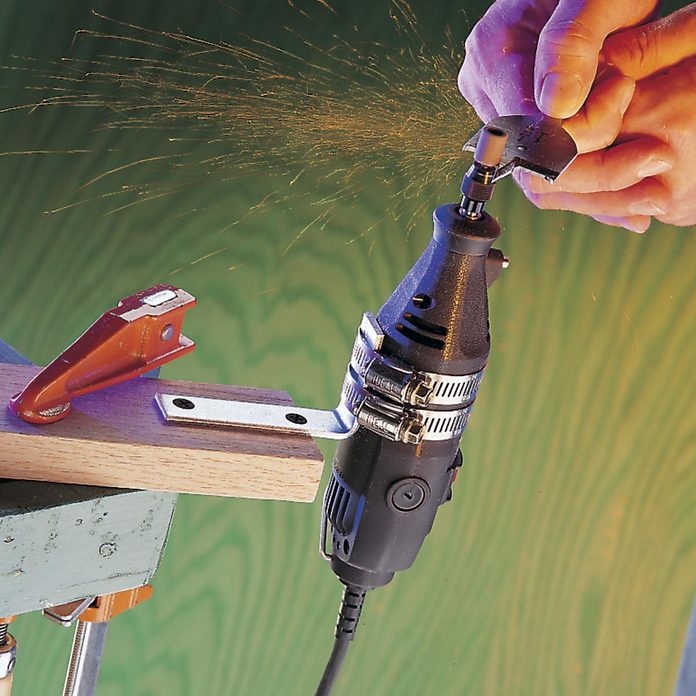
Use a grinding or sharpening bit designed for metal. A small, cylindrical grinding stone or a diamond wheel works well. Turn off the Dremel before changing bits. Secure the bit tightly in the chuck to prevent slipping. Check the bit for wear before use. Replace it if it looks damaged or worn out. Proper attachment ensures smooth sharpening and safety.

Credit: www.amazon.ca
Sharpening Technique
Using a Dremel tool for sharpening mower blades is efficient. This technique ensures precision and prolongs blade life. Understanding the process helps achieve a sharp, effective cut.
Holding The Blade Steady
Ensure the blade is secure. A bench vice is ideal for this. It prevents movement during sharpening. This stability is crucial for safety. It also helps maintain control.
Sharpening Angles To Follow
Identify the existing blade angle. Follow this angle closely. A consistent angle ensures even sharpening. Usually, it’s about 30-45 degrees. Check the manual if unsure.
Maintaining Consistent Pressure
Apply even pressure with the Dremel. Use gentle, steady strokes. Avoid pressing too hard. Too much pressure can damage the blade. Consistency is key for a smooth finish.
Finishing Touches
Finishing touches are key to ensure your mower blade works smoothly and safely. After sharpening with a Dremel, some final steps help keep your mower balanced and effective. These steps prevent vibrations and protect your lawn and machine.
Balancing The Blade
Balancing the blade stops uneven cutting and reduces wear. Use a blade balancer or hang the blade on a nail. The blade should stay level. If one side dips, remove a bit more metal from that side using your Dremel. Check balance again. Repeat until the blade is even.
Reinstalling The Blade
Put the blade back on the mower carefully. Align it as it was before removal. Tighten the bolt firmly with a wrench. Make sure it is secure to avoid accidents. Check that the blade spins freely and is not loose.
Testing The Mower
Test your mower in a safe open area. Start the engine and listen for unusual sounds. Watch for vibrations or wobbling. If the mower runs smoothly, the sharpening and balancing were successful. Stop the mower and inspect the blade one last time. Your lawn will thank you for a clean, sharp cut.
Credit: www.familyhandyman.com
Safety Tips And Maintenance
Safety and maintenance are key when using a Dremel to sharpen mower blades. Proper care protects you and extends your tool’s life. It also keeps mower blades sharp and effective for cutting grass evenly.
Follow safety tips to avoid accidents. Maintain blades regularly to prevent damage. Care for your Dremel to ensure it works well every time.
Avoiding Common Mistakes
- Wear safety goggles and gloves to protect eyes and hands.
- Secure the mower blade firmly before sharpening to avoid slips.
- Use the right Dremel attachment for sharpening metal blades.
- Do not apply too much pressure; let the tool do the work.
- Work in a well-lit and ventilated area to see clearly and avoid dust buildup.
- Disconnect the Dremel from power before changing attachments or cleaning.
Regular Blade Maintenance
Check blades before each mowing season. Look for nicks, cracks, or dull edges.
Clean blades after use to remove grass and dirt. Dry them to stop rust.
Sharpen blades as soon as they show signs of dullness. Sharp blades cut grass better and reduce mower strain.
Balance blades after sharpening to prevent vibration. Use a blade balancer or hang the blade on a nail to check balance.
Dremel Care And Storage
- Clean the Dremel after each use with a dry cloth.
- Check the power cord for cuts or damage regularly.
- Store the Dremel in a dry, cool place away from children.
- Keep attachments organized and in their case to avoid loss or damage.
- Lubricate moving parts if recommended by the manufacturer.
Credit: www.canadiantire.ca
Frequently Asked Questions
How Do I Sharpen Mower Blades With A Dremel?
Use a Dremel with a grinding attachment to sharpen mower blades. Secure the blade, follow the original bevel angle, and make even passes for a sharp edge.
What Dremel Attachment Is Best For Blade Sharpening?
A grinding stone or sanding drum attachment works best for sharpening mower blades with a Dremel. These provide precision and control for effective sharpening.
How Often Should Mower Blades Be Sharpened?
Sharpen mower blades at least once every mowing season or after 20-25 hours of use. Regular sharpening improves cutting efficiency and lawn health.
Is It Safe To Use A Dremel On Mower Blades?
Yes, using a Dremel on mower blades is safe if you wear protective gear and secure the blade properly before sharpening.
Conclusion
Sharpening mower blades with a Dremel is simple and effective. It keeps your lawn mower working well and cuts grass cleanly. Regular sharpening saves money by extending blade life. Always wear safety gear to protect your hands and eyes. A sharp blade means a healthier lawn and a smoother mowing job.
Try these steps next time your blades feel dull. You’ll notice the difference right away.





