
Is your mower acting up or refusing to start? One common culprit might be a clogged or dirty fuel line.
Cleaning your mower’s fuel line is easier than you think, and it can save you time and money on repairs. In this guide, you’ll discover simple, step-by-step tips to get your mower running smoothly again. Keep reading to learn how to clean your mower fuel line quickly and safely, so you can get back to work without frustration.
Signs Of A Clogged Fuel Line
Knowing the signs of a clogged fuel line helps keep your mower running smoothly. Fuel lines carry gasoline from the tank to the engine. Dirt, debris, or old fuel can block these lines. This blockage stops fuel flow and harms engine function. Watch for these common signs to catch problems early and avoid costly repairs.
Engine Stalling And Hesitation
The mower engine may stall or hesitate during use. It struggles to get enough fuel through the blocked line. The mower might start fine but then suddenly stop. Hesitation occurs when you press the throttle. The engine lags or feels weak before running again. These symptoms point to a fuel flow issue.
Reduced Power And Performance
A clogged fuel line reduces engine power. The mower runs slower or struggles on tough grass. It may take longer to cut or fail to cut evenly. You might notice the engine sputters or sounds rough. Poor performance often signals fuel supply problems. The engine starves for fuel and cannot work at full strength.
Fuel Odor And Leaks
A fuel smell near the mower signals a problem. Fuel leaks can appear around the fuel line or carburetor. Cracks or blockages cause pressure build-up and leaks. Smelling gas or seeing wet spots means the fuel line needs checking. Leaks waste fuel and increase fire risk. Fix leaks immediately for safety.

Credit: www.espares.co.uk
Tools And Materials Needed
Cleaning your mower’s fuel line requires the right tools and materials to make the job smooth and effective. Having everything prepared before you start will save you time and frustration. Let’s look at what you’ll need to get your mower back in top shape.
Basic Cleaning Supplies
- Container for draining fuel:Use a small bucket or pan to catch any fuel that might spill.
- Rags or paper towels:Keep these handy for wiping off dirt and fuel residue.
- Fuel line cleaner or carburetor cleaner:These sprays help dissolve build-up inside the fuel line.
- Compressed air or air compressor:Blowing air through the line clears out stubborn debris.
- Small brushes or pipe cleaners:Perfect for scrubbing the inside of the fuel line gently.
Have you ever struggled with stubborn clogging that just won’t go away? Using a combination of cleaner and compressed air usually does the trick.
Safety Gear
- Gloves:Protect your hands from fuel and harsh chemicals.
- Safety glasses:Fuel or cleaner spray can splash into your eyes unexpectedly.
- Well-ventilated workspace:Always work outdoors or in a garage with open doors to avoid inhaling fumes.
Ignoring safety can lead to accidents or health issues. Have you ever felt the sting of fuel on your skin? Gloves make a big difference, trust me.
Replacement Parts
- Fuel line tubing:Sometimes the line is too damaged or cracked and needs replacing.
- Clamps:These secure the fuel line; old ones can lose tension and cause leaks.
- Fuel filter:Often overlooked, a new filter ensures clean fuel flows through the system.
How do you know when to replace instead of clean? If the fuel line feels brittle or shows cracks, replacement is safer and saves future headaches.
Preparing The Mower
Preparing your mower properly is essential before you start cleaning the fuel line. It ensures your safety and makes the process smoother. Taking a few extra minutes to get your mower ready can prevent accidents and save you from unnecessary trouble later.
Turning Off The Engine
Always make sure your mower’s engine is completely turned off before you begin any maintenance. A running engine can cause fuel to spray or spark, which is dangerous. Wait a few minutes after switching it off to let the engine cool down.
Disconnecting The Spark Plug
Disconnecting the spark plug is a crucial safety step. It prevents the mower from accidentally starting while you work on the fuel line. Simply pull the spark plug wire off and place it away from the plug to keep it secure.
Draining The Fuel Tank
Emptying the fuel tank reduces the risk of spills and makes it easier to access the fuel line. You can drain the tank by tipping the mower or using a siphon pump to remove the fuel. Remember to do this in a well-ventilated area and away from any open flames.
Removing The Fuel Line
Removing the fuel line allows you to clean it thoroughly, ensuring smooth fuel flow. Begin by disconnecting the line from the carburetor and the fuel tank. Use a rag to catch any spills, then clean or replace the line as needed.
Removing the fuel line from your mower is crucial for maintenance. A clean fuel line ensures your mower runs smoothly. It prevents clogs and maintains efficiency. Follow these steps to safely remove the fuel line.Locating The Fuel Line
First, identify where the fuel line is. It’s a small tube connecting the fuel tank to the engine. Check your mower’s manual for precise location details. Typically, it’s near the side of the engine. Look for a flexible rubber or plastic tube.Detaching Clamps And Connectors
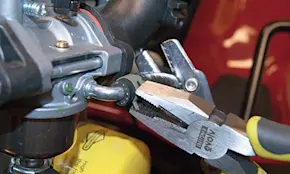
Once located, the fuel line has clamps securing it. Use pliers to gently squeeze these clamps. Slide them away from the connection points. Carefully detach the connectors. Ensure you keep all parts in a safe place for reassembly.Handling Fuel Spills
Fuel spills can happen during removal. Have a small container ready to catch any fuel. Use a rag to wipe any drips immediately. Always work in a well-ventilated area. Wear gloves to protect your skin from fuel. Dispose of any collected fuel responsibly.Cleaning Techniques
Cleaning techniques for mower fuel lines ensure smooth fuel flow and engine performance. Dirt, debris, and old fuel residue often clog these lines. Proper cleaning removes blockages and extends the mower’s life. Use safe and effective methods to avoid damage. Each technique targets different types of buildup inside the fuel line.
Using Compressed Air
Compressed air quickly clears loose dirt and small debris. Detach the fuel line from the mower first. Blow air through the line from one end to the other. This pushes out any particles inside. Repeat until air flows freely without resistance. Use moderate air pressure to avoid damaging the line.
Soaking In Cleaning Solution
Soaking softens and dissolves sticky fuel residues. Prepare a container with a mild cleaning solution, such as warm water mixed with a bit of detergent or a fuel line cleaner. Submerge the fuel line fully and leave it for 30 minutes to an hour. After soaking, rinse the line with clean water. Let it dry completely before reconnecting to the mower.
Clearing Debris With Wire Or Brush
Use a thin wire or small brush to remove stubborn clogs. Gently insert the wire or brush into the fuel line. Move it back and forth to scrape off deposits. Avoid pushing too hard to prevent puncturing the line. After clearing, flush the line with water or compressed air to remove loosened debris.

Credit: www.reddit.com
Inspecting And Replacing Parts
Inspecting and replacing parts in your mower’s fuel line is crucial for keeping your equipment running smoothly. Over time, fuel lines and filters can degrade, causing blockages or leaks that affect performance. Taking the time to check these components carefully can save you from costly repairs and downtime.
Checking For Cracks And Wear
Start by examining the fuel line closely. Look for any visible cracks, brittleness, or soft spots along the hose. Even small cracks can let air in or fuel leak out, which will reduce engine efficiency or cause it to stall.
Flex the line gently to see if it feels stiff or brittle. A healthy fuel line should be flexible but firm. If it feels hard or sticky, it’s a sign the material is breaking down.
When To Replace The Fuel Line
You should replace the fuel line if you find any damage or if it’s been in use for several seasons. Fuel lines exposed to sunlight or harsh conditions degrade faster, so consider replacing them every 1 to 2 years.
Also, if your mower has been sitting unused for a long time and the fuel line appears discolored or clogged, replacement is the safest option. Don’t risk leaks or engine failure by holding on to old, worn parts.
Inspecting Fuel Filters
Fuel filters trap dirt and debris before they reach the engine. Check your mower’s fuel filter by removing it and looking for dirt buildup or discoloration. A clogged filter can starve the engine of fuel and cause it to sputter.
Replace the filter if it looks dirty or if you notice reduced mower performance. Keeping the filter clean ensures your engine gets a steady flow of clean fuel, improving reliability and extending its life.
Reinstalling The Fuel Line
Reinstalling the fuel line is a key step after cleaning. Proper reinstallation ensures your mower runs smoothly without fuel leaks. Take your time to reconnect everything correctly.
Securing Clamps And Connectors
Start by placing the fuel line back onto the fittings. Slide clamps over the hose ends before pushing the line into place. Tighten clamps firmly to prevent fuel leaks. Avoid overtightening to protect the fuel line from damage. Use pliers or a screwdriver depending on clamp type.
Ensuring Proper Alignment
Check that the fuel line sits straight and without kinks. Proper alignment allows smooth fuel flow to the engine. Make sure the line is not twisted or stretched. Keep the fuel line clear from sharp edges or moving parts to avoid wear.
Testing For Leaks
After securing the fuel line, test for leaks before full use. Turn on the fuel valve and observe the connections closely. Look for any signs of fuel dripping or wet spots. Run the mower briefly and inspect again. Fix any leaks by adjusting clamps or repositioning the line.
Maintenance Tips
Keeping your mower’s fuel line clean is crucial, but maintenance goes beyond just cleaning. Proper care can extend the life of your mower and prevent unexpected breakdowns. Paying attention to simple habits can make a big difference in how smoothly your mower runs.
Regular Fuel Line Checks
Check your fuel line often for cracks, leaks, or blockages. A damaged fuel line can cause poor engine performance or even a fire hazard. You don’t need special tools—just visually inspect the line and gently squeeze it to feel for brittleness or weakness.
If you spot any damage, replace the fuel line immediately. Waiting too long can cause fuel to leak and damage other parts. How often do you check your mower before a big yard project?
Using Fresh Fuel
Fuel degrades over time and can gum up your mower’s fuel line. Always use fresh fuel, especially if your mower has been sitting idle for weeks. If you have leftover fuel, consider using a fuel stabilizer to keep it from going bad.
Old fuel can clog carburetors and fuel lines, leading to costly repairs. If your mower starts to sputter or stall, the fuel might be the culprit. How long has your fuel been sitting in the tank?
Storing Mower Properly
Proper storage helps keep the fuel line and other components in good shape. Before storing your mower for a season, run the engine until it uses up all the fuel or drain the fuel tank completely. This prevents fuel from sitting in the line and causing buildup.
Store your mower in a dry, cool place to avoid moisture damage. Cover it with a tarp or use a mower cover to keep dust and debris out. Have you ever found your mower hard to start after storage? Proper storage can solve that issue.
Credit: www.searspartsdirect.com
Frequently Asked Questions
How Do I Clean A Mower Fuel Line Safely?
Turn off the mower and disconnect the spark plug first. Remove the fuel line and flush it with carburetor cleaner or soapy water. Use compressed air to dry it completely before reinstalling. This prevents clogs and maintains fuel flow efficiency.
What Tools Are Needed To Clean Mower Fuel Lines?
You need pliers, a screwdriver, carburetor cleaner or soapy water, and compressed air. These tools help remove, clean, and dry the fuel line effectively. Having the right tools ensures thorough cleaning and avoids damage.
How Often Should Mower Fuel Lines Be Cleaned?
Clean mower fuel lines at least once a season or every 25 hours of use. Regular cleaning prevents blockages and extends the mower’s lifespan. Inspect lines more frequently if using old or contaminated fuel.
Can Clogged Fuel Lines Damage My Lawn Mower?
Yes, clogged fuel lines restrict fuel flow, causing poor engine performance or stalling. This can lead to engine damage over time. Regular cleaning keeps the mower running smoothly and prevents costly repairs.
Conclusion
Cleaning your mower fuel line keeps your machine running well. Dirt and clogs can stop fuel flow and cause trouble. Regular checks help avoid costly repairs later. Use simple tools and follow safe steps each time. Clean fuel lines improve engine performance and save fuel.
Remember, small care makes a big difference. Keep your mower ready for every job. Maintenance is easy and worth the effort. A clean fuel line means smooth mowing days ahead.





