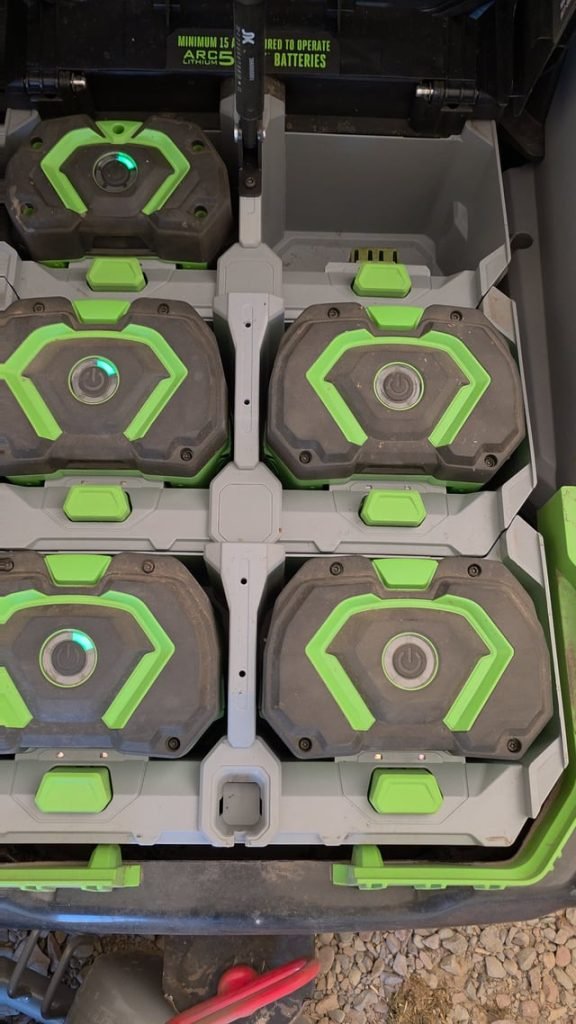
If you own a zero turn mower, keeping its battery charged is key to smooth, hassle-free mowing. But how do you charge your zero turn mower battery the right way?
Getting this simple step wrong can leave you stuck with a dead battery when you need it most. You’ll learn easy, practical tips to charge your battery safely and effectively. By following these steps, you’ll extend your battery’s life and keep your mower ready to go whenever you are.
Keep reading to make sure your zero turn mower never lets you down.
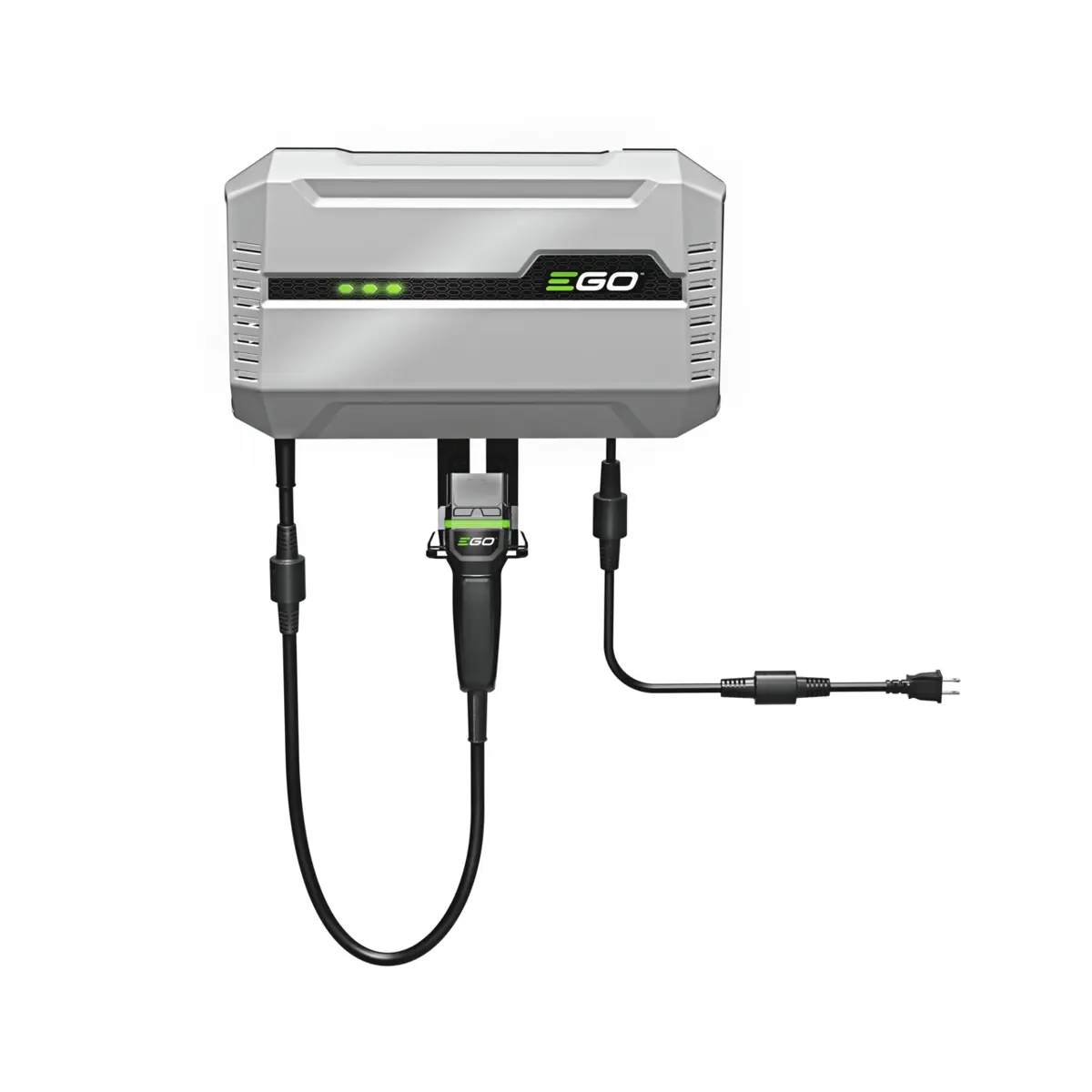
Credit: igocordless.ca
Zero Turn Mower Battery Basics
Understanding the basics of your zero turn mower battery is key to keeping your mower running smoothly. The battery powers the starter motor and electrical components, so knowing what type you have and how to spot issues early can save you time and frustration. Let’s break down the essentials to help you maintain your mower’s battery effectively.
Types Of Batteries Used
Most zero turn mowers use one of two main types of batteries:
- Lead-Acid Batteries:These are the traditional batteries, known for their reliability and affordability. They require regular maintenance like checking water levels.
- AGM (Absorbent Glass Mat) Batteries:These are sealed and maintenance-free. They tend to last longer and perform better in cold weather.
Knowing your battery type helps you choose the right charger and maintenance routine. Do you know which battery your mower uses?
Signs Of A Weak Battery
Recognizing a weak battery early can prevent unexpected breakdowns. Here are some common signs to watch for:
- Slow Engine Crank:If your mower takes longer to start or the engine cranks slowly, your battery might be losing charge.
- Dim Lights or Electrical Issues:Dimming headlights or malfunctioning electrical parts can indicate battery problems.
- Corroded Battery Terminals:White or green buildup on terminals can reduce battery performance and needs cleaning.
- Swollen Battery Case:A bloated battery case means the battery is damaged and should be replaced immediately.
Have you noticed any of these signs on your mower? Catching them early can help you avoid being stranded mid-mow.

Credit: www.jackery.com
Preparing To Charge
Before you start charging your zero turn mower battery, getting ready properly makes all the difference. Preparing the battery and your workspace carefully can prevent accidents and ensure your battery charges efficiently. This preparation phase is about safety and having the right tools on hand to make the process smooth.
Safety Precautions
Charging a battery involves electrical current and potentially hazardous chemicals, so safety is a must. Always work in a well-ventilated area to avoid inhaling any fumes that might be released during charging. Wear protective gloves and safety goggles to shield your skin and eyes from acid splashes or sparks.
Disconnect the mower’s ignition and remove the battery if possible to avoid accidental starting. Never smoke or have open flames nearby while charging your battery. Ask yourself: have you double-checked that everything is off before connecting the charger?
Required Tools And Equipment
Gathering the right tools before you begin saves time and frustration. You will need a compatible battery charger with adjustable voltage settings to match your battery type. Also, have a multimeter handy to check your battery’s voltage before and after charging to see if it needs a charge.
- Battery charger (ensure compatibility with your battery)
- Safety gloves and goggles
- Multimeter for voltage testing
- Clean cloth or brush to remove dirt from battery terminals
- Wrench or pliers to disconnect battery terminals if needed
Make sure the charger cables are in good condition—frayed wires can be dangerous. Have you inspected your tools recently? A quick check now can prevent issues later.
Step-by-step Charging Process
Charging your zero turn mower battery correctly ensures it lasts longer and performs better. Following a clear process can prevent damage and keep you mowing without interruptions. Let’s walk through each part of the charging routine so you can do it safely and effectively.
Disconnecting The Battery
Start by turning off your mower completely to avoid any electrical issues. Locate the battery, usually under the seat or hood, and use a wrench to loosen the negative (-) terminal first. Removing the negative terminal helps prevent short circuits.
Next, disconnect the positive (+) terminal. Keep the cables away from the battery terminals to avoid accidental contact. Have you checked if your mower’s manual suggests any specific precautions when disconnecting the battery?
Cleaning Battery Terminals
Dirty terminals can block proper charging. Use a mixture of baking soda and water with a brush to scrub any corrosion or dirt off the terminals and cable ends. This simple step can improve battery life significantly.
After cleaning, dry the terminals thoroughly to prevent moisture from causing electrical problems. If you notice heavy corrosion, it might be worth replacing the battery cables to ensure a solid connection.
Choosing The Right Charger
Selecting the correct charger is crucial. Use a charger that matches your battery voltage, usually 12 volts for most zero turn mowers. Chargers with automatic shut-off or smart charging features help prevent overcharging.
Have you ever tried using a regular car battery charger? It can work, but smart chargers are safer and more efficient for lawn mower batteries. Double-check the charger’s specifications before plugging it in.
Connecting The Charger
Attach the charger clamps carefully—positive to positive (+) and negative to negative (-). Make sure the connections are firm but avoid forcing them, which can damage terminals. Poor contact means the battery won’t charge properly.
Place the charger in a dry, ventilated area to avoid overheating. After connecting, double-check all connections and the charger settings before turning it on.
Charging Time And Monitoring
Charging time varies depending on battery size and charger output. Typically, it takes 4 to 8 hours for a full charge with a standard charger. Avoid rushing the process; quick charges can shorten battery life.
Keep an eye on the charger’s indicators or use a multimeter to check battery voltage periodically. When the battery reaches full charge, disconnect the charger first, then the terminals. Have you noticed your battery performing better after following a careful charging routine?

Credit: www.lowes.com
Maintaining Battery Health
Keep the mower battery clean and dry to avoid damage. Charge it fully after each use to extend battery life. Always use the correct charger to prevent overcharging or short circuits.
Maintaining the health of your zero turn mower battery is essential. A well-maintained battery ensures your mower runs smoothly. It also prolongs the battery’s life. Regular care can prevent unexpected breakdowns. This section will guide you on how to keep your battery in top condition.Regular Inspection Tips
Check the battery terminals for corrosion. Clean them with a solution of baking soda and water. Ensure the battery is securely mounted. A loose battery can cause damage. Examine the battery case for any cracks or leaks. Replace the battery if you find any damage. Test the battery voltage regularly. Use a multimeter for accurate results.Proper Storage Practices
Store the battery in a cool, dry place. Avoid direct sunlight. Charge the battery fully before storing it. Disconnect the battery when not in use for long periods. Use a battery maintainer to keep it charged. This helps prevent discharge. Cover the battery to protect it from dust and moisture.Avoiding Common Battery Mistakes
Do not overcharge the battery. Overcharging reduces battery life. Avoid leaving the battery completely discharged. This can lead to permanent damage. Use the correct charger for your battery type. Using the wrong charger can be harmful. Ensure the battery is compatible with your mower. Mismatched batteries can cause operational issues.Troubleshooting Charging Issues
Troubleshooting charging issues with a zero turn mower battery can save time and money. Identifying the problem early helps avoid further damage. Common issues include the battery not holding charge, charger problems, and knowing when to replace the battery. Understanding these problems ensures your mower stays ready for use.
Battery Not Holding Charge
A battery that won’t hold charge often shows quick power loss. Check for loose or corroded connections first. Clean terminals with a wire brush if needed. Test the battery voltage using a multimeter. A healthy battery should read around 12.6 volts when fully charged. If voltage drops quickly, the battery may be failing.
Charger Problems
Charger issues can cause incomplete battery charging. Inspect the charger for damaged cables or connectors. Use a different charger to see if the problem persists. Verify the charger is compatible with your battery type. Some chargers have indicator lights—note if they behave abnormally. A faulty charger can prevent the battery from reaching full charge.
When To Replace The Battery
Replace the battery if it no longer holds a charge despite proper charging. Also, replace if the battery case is swollen or leaking. Battery life typically ranges from 3 to 5 years. Keep track of the battery age and performance. New batteries ensure reliable mower operation and reduce downtime.
Frequently Asked Questions
How Do I Charge A Zero Turn Mower Battery Safely?
To charge safely, use a compatible charger with the correct voltage. Disconnect the battery cables first. Charge in a well-ventilated area. Avoid overcharging by monitoring the charging time. Follow manufacturer instructions precisely to prevent damage or injury.
How Long Does It Take To Charge Zero Turn Mower Battery?
Charging usually takes 4 to 6 hours. This depends on the battery’s capacity and charger type. Using a smart charger can optimize charging time. Avoid quick charging to extend battery life and performance.
Can I Use A Car Battery Charger For Zero Turn Mower?
Yes, if the charger matches the mower battery’s voltage (usually 12V). Use a charger with a low amp setting to avoid damage. Monitor the charging process closely and never leave it unattended.
How Often Should I Charge My Zero Turn Mower Battery?
Charge the battery after every 20 to 30 hours of use. If stored, charge monthly to maintain power. Regular charging prevents battery sulfation and extends battery life. Always follow manufacturer recommendations for best results.
Conclusion
Charging your zero turn mower battery is simple and important. Keep the battery clean and dry. Use the correct charger and follow the instructions. Charge the battery in a safe, well-ventilated place. Regular charging helps your mower start easily every time.
Avoid overcharging to protect battery life. Check the battery’s condition often. Taking these steps saves time and money. Your mower will work better and last longer. Stay safe and enjoy a smooth mowing experience.





