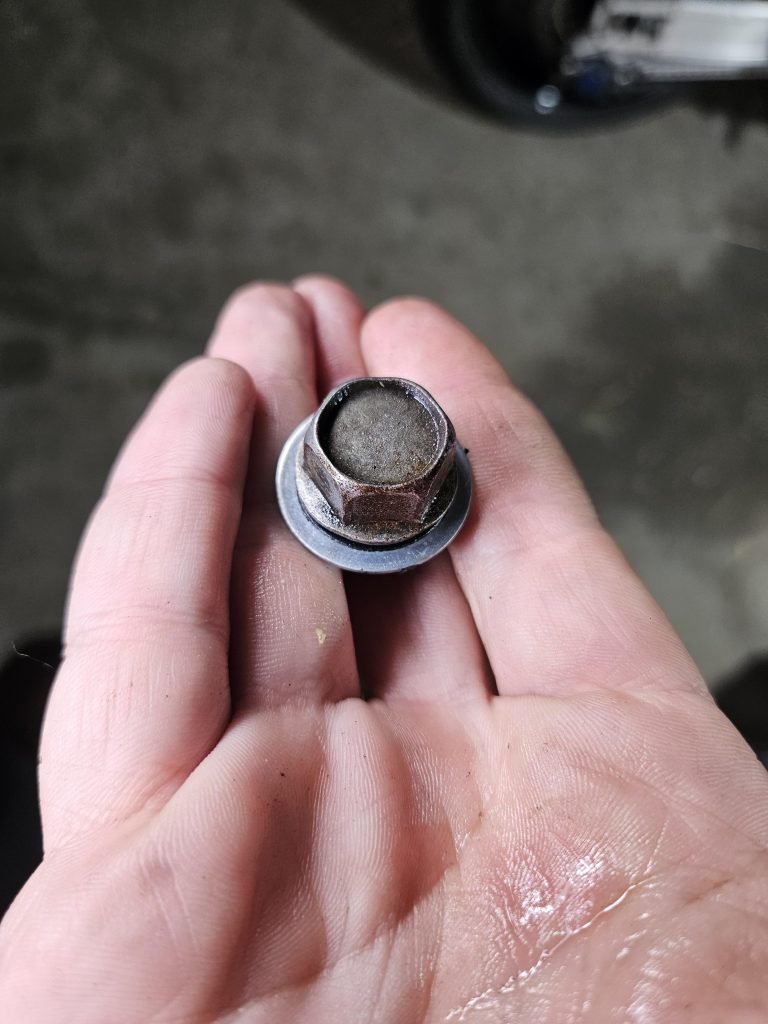
Changing your oil is an essential part of keeping your vehicle running smoothly. But what if your car doesn’t have a traditional oil drain plug?
It might sound tricky, but you can still change your oil without one—and save money doing it yourself. In this guide, you’ll discover simple, step-by-step methods to get the job done safely and efficiently. Whether you’re facing an unusual setup or just want to learn a new skill, this article will give you the confidence to handle it like a pro.
Keep reading, and you’ll be surprised at how easy it can be.

Credit: www.youtube.com
Tools Needed
Changing oil without an oil drain plug requires specific tools. These tools make the process clean and easy. Having the right equipment helps avoid spills and damage. Prepare all items before starting the oil change.
Oil Extractor Pump
An oil extractor pump removes oil through the dipstick tube. It uses suction to pull out old oil quickly. This tool is essential when no drain plug is available. Manual or electric pumps work well for this task.
Socket Set
A socket set helps remove engine covers or bolts. Some vehicles hide the oil filter behind panels. Having a complete set ensures access to tight spots. Choose sizes that fit your car’s bolts and screws.
Oil Filter Wrench
An oil filter wrench removes the old oil filter easily. It grips the filter tightly for smooth turning. This tool prevents damage to the filter and surrounding parts. Select a wrench that matches your filter size.
Drain Pan
A drain pan catches used oil safely during extraction. Use a pan with enough capacity for your engine oil. This prevents spills on the ground or garage floor. A wide, shallow pan works best for easy handling.
Gloves And Rags
Gloves protect your hands from hot oil and dirt. Use disposable or reusable gloves for safety. Rags help clean spills and wipe hands during the process. Keep extra rags nearby for quick cleanup.

Credit: www.youtube.com
Locate The Oil Reservoir
Locating the oil reservoir is your first crucial step when changing oil without an oil drain plug. Without the usual drain method, understanding exactly where your oil is stored helps you plan the next moves effectively. It also prevents unnecessary mess and ensures you don’t accidentally damage other engine parts.
Identify The Type Of Oil Reservoir In Your Vehicle
Most vehicles have either a traditional oil pan or a sealed reservoir. Some newer models come with a cartridge-style oil filter system that holds the oil inside a separate container. Knowing which type you have helps you decide how to access and drain the oil without a plug.
Check your owner’s manual or look under the hood to spot the oil container. If you see a large metal pan, that’s your oil reservoir. If it looks more like a sealed cylinder or cartridge, prepare for a different draining approach.
Use Visual And Tactile Clues Under The Hood
Open your hood and look for the oil filler cap, usually labeled with an oil can icon. The reservoir is often directly below this cap or nearby. Run your fingers around the oil pan area to feel for any seams or bolts that might indicate where the oil sits.
Sometimes, the oil pan might be hidden behind protective covers or shields. Removing these carefully will reveal the reservoir’s edges. If you notice no drain plug, it’s time to consider alternative methods like suction or pump extraction.
Consult Vehicle-specific Forums And Guides
Every car model is different, and some have unique oil reservoir designs. Online forums and repair guides often share insights and photos that can save you time. Other car owners’ experiences can reveal hidden access points or tricks to locate the reservoir more easily.
Have you ever found a surprising oil reservoir location after hours of searching? Sharing your story might help someone else avoid the same frustration. The more you know about your specific vehicle, the smoother the oil change process will be without a drain plug.
Prepare The Vehicle
Preparing your vehicle is essential before changing oil without an oil drain plug. It helps avoid spills and injuries. Taking time to set up the vehicle properly saves effort later. Follow these key steps to get started safely and efficiently.
Ensure Safety
Park your car on a flat, stable surface. Use wheel chocks to stop the car from rolling. Turn off the engine and set the parking brake. Wear gloves to protect your hands from hot oil. Use safety glasses to guard your eyes from splashes. Keep a fire extinguisher nearby, just in case.
Warm Up The Engine
Start the engine and let it run for 5 to 10 minutes. Warm oil flows out easier and drains more completely. Avoid overheating the engine; it only needs to be warm. Turn off the engine before you begin the oil change. Let the car cool for a minute if it feels too hot.
Remove Old Oil
Old oil can be removed by using an oil extractor pump that sucks the oil out through the dipstick tube. This method avoids the need for an oil drain plug and keeps the process clean and simple.
Changing oil without an oil drain plug might sound daunting, but it’s entirely possible with the right approach. The key is to remove the old oil effectively, ensuring your vehicle continues to run smoothly. Let’s explore how you can accomplish this task by accessing oil through alternative points and using a suction pump.Access Oil Through Alternative Points
Instead of the traditional oil drain plug, consider accessing the oil through other points like the oil filter housing. This method is often overlooked but can be quite effective. Ensure your vehicle is on a flat surface for stability. Carefully remove the oil filter housing, allowing oil to drain from this point. While this might take a bit longer, it ensures you capture all the old oil. Make sure to have a pan ready to collect the oil and avoid any spills.Use Suction Pump
A suction pump is your best friend in this scenario. It’s a quick and efficient tool to extract oil directly from the dipstick tube. If you don’t own a suction pump, they are relatively inexpensive and a worthwhile investment for DIY car maintenance. Insert the pump’s tube down the dipstick tube until it reaches the oil pan. Begin pumping, and watch as the oil is drawn out effortlessly. This method not only saves time but also reduces the mess associated with traditional oil changes. Have you ever thought about how much easier car maintenance could be with the right tools? A suction pump might just be the game-changer you need.Replace Oil Filter
Replacing the oil filter is an important part of changing oil without a drain plug. The oil filter traps dirt and debris from the engine oil. A clean filter ensures smooth engine performance and protects engine parts. Changing it is simple and helps keep your car running well.
Locate The Oil Filter
Find the oil filter under the hood or beneath the car. It looks like a small, round canister. Sometimes it is near the engine block. Use a flashlight if needed to see clearly.
Prepare For Removal
Wear gloves to keep your hands clean. Place a container under the filter to catch any oil spills. Have a cloth ready for wiping up drips. This keeps your work area tidy.
Remove The Old Oil Filter
Turn the oil filter counterclockwise to loosen it. Use an oil filter wrench if it is tight. Be careful; some oil may spill out. Set the old filter aside for proper disposal.
Clean The Mounting Surface
Wipe the filter mounting area with a clean cloth. Remove old oil and dirt. Check the old filter for its rubber seal. Make sure it came off with the filter.
Install The New Oil Filter
Apply a thin layer of new oil to the filter’s rubber seal. This helps create a good seal. Screw the new filter by hand until tight. Do not use the wrench to avoid over-tightening.

Credit: www.reddit.com
Add New Oil
Adding new oil without an oil drain plug requires extra care. The right oil type and careful pouring ensure your engine runs smoothly. Follow these guidelines to fill your engine correctly and avoid damage.
Choose The Right Oil
Select oil that matches your vehicle’s manual. Check viscosity and type like synthetic or conventional. Using incorrect oil can harm your engine. Look for labels that meet manufacturer standards. Keep the oil clean and fresh for best results.
Pour Oil Carefully
Use a clean funnel to avoid spills. Pour oil slowly to control flow. Stop often to check the level with a dipstick. Avoid overfilling, which can cause engine problems. Clean any drips immediately to keep the area safe.
Check Oil Level
Checking the oil level is a crucial step when you don’t have an oil drain plug. It helps you understand how much oil is currently in your engine and whether you need to add or remove oil before proceeding. Skipping this step can lead to overfilling or running your engine with too little oil, both of which can cause serious damage.
Locate The Dipstick
Find the oil dipstick under the hood of your car. It usually has a brightly colored handle, often yellow or orange, making it easier to spot. If you’re unsure, your car’s manual will point you in the right direction.
Clean The Dipstick
Pull the dipstick out and wipe it clean with a rag or paper towel. This removes old oil so you get an accurate reading when you check again. Dirt or grime on the dipstick can give a false reading, so don’t skip this step.
Check The Oil Level
Insert the dipstick back into its tube all the way, then pull it out again. Look at where the oil film reaches on the stick. The dipstick usually has markings like “Full” and “Low” or crosshatch areas to guide you.
Interpret The Reading
If the oil level is below the minimum mark, you need to add oil carefully. Too much oil can be just as harmful as too little, so aim to keep the level between the marks. If the oil looks dirty or gritty, it might be time for an oil change even without the drain plug.
Use The Right Oil Type
Check your owner’s manual or oil cap for the recommended oil type. Using the wrong oil can affect engine performance and lifespan. If you’re topping off oil without a drain plug, adding the correct type helps maintain your engine’s health.
Keep A Record
Note down the oil level and any oil you add. This helps track when the next check or oil change is due. Over time, you’ll notice patterns that could indicate leaks or other engine issues.
Dispose Of Old Oil Properly
Disposing of old oil properly is a critical step after changing your vehicle’s oil, especially when you don’t have a traditional oil drain plug. Used oil can harm the environment if not handled correctly. You must treat it as hazardous waste and ensure it does not end up in drains, soil, or water sources.
Collecting Old Oil Safely
After draining the oil, immediately transfer it into a clean, leak-proof container with a tight lid. Avoid using containers that previously held food or drinks to prevent contamination. Label the container clearly as “Used Motor Oil” to avoid confusion.
Finding Local Disposal Centers
Many auto shops and recycling centers accept used oil for free. You can also check with your city’s waste management services for designated drop-off locations. Don’t hesitate to call ahead and ask about their requirements to make the process smooth.
Why You Should Never Pour Oil Down Drains
Pouring oil down storm drains or toilets can pollute rivers and oceans, affecting wildlife and water quality. Have you ever considered how many gallons of water one quart of oil can contaminate? Protect your community by keeping oil out of the water system.
Recycling Used Oil
Recycled oil can be refined and reused as lubricant or fuel. By recycling, you reduce waste and conserve natural resources. It’s a simple action that has a big impact on the environment and your local ecosystem.
Storing Oil Before Disposal
If you can’t immediately take the oil to a disposal center, store it in a cool, dry place away from children and pets. Keep the container upright and on a stable surface to prevent spills. This helps you avoid accidents and keeps your workspace clean.
Common Mistakes To Avoid
Failing to fully drain old oil can cause engine damage. Avoid using the wrong tools that may cause leaks. Always secure the container to prevent spills and keep your workspace clean.
Changing oil without an oil drain plug might sound like a daunting task, but it’s completely doable with the right approach. However, in the process, it’s easy to make some common mistakes that could lead to bigger problems. By being aware of these pitfalls, you can ensure a smooth and hassle-free oil change experience. Let’s dive into some of the most common mistakes to avoid.Failing To Secure The Car Properly
Always ensure your car is on a flat surface and securely lifted with jack stands. Relying solely on a car jack can be dangerous and unstable. Remember, safety first!Using The Wrong Type Of Oil
Not all oils are created equal. Check your vehicle’s manual to find the recommended oil type. Using the wrong oil can affect your engine’s performance and longevity.Overfilling Or Underfilling The Oil
It’s crucial to get the oil level just right. Too much or too little can lead to engine problems. Use the dipstick to measure accurately and make adjustments as needed.Neglecting To Replace The Oil Filter
An old, clogged oil filter can reduce your engine’s efficiency. Always replace the oil filter during an oil change to ensure your engine runs smoothly.Ignoring The Importance Of Clean Tools
Clean tools are essential for a clean oil change. Dirt and debris can contaminate your new oil, leading to potential engine issues. Wipe everything down before starting.Skipping A Test Run
After changing the oil, start the car and let it run for a few minutes. This helps to circulate the new oil and identify any leaks. If something seems off, address it immediately. Avoiding these mistakes not only saves time but also ensures your car runs efficiently. What steps do you take to ensure a successful oil change?Frequently Asked Questions
How Do You Change Oil Without A Drain Plug?
To change oil without a drain plug, use an oil extractor pump. Insert the tube into the dipstick tube. Pump out the old oil, then refill with new oil through the filler hole. This method avoids oil spills and is easy to do.
Can You Use An Oil Extractor For Oil Change?
Yes, an oil extractor is ideal for changing oil without a drain plug. It safely sucks out old oil through the dipstick tube. This tool prevents mess and works well for vehicles lacking a drain plug or with hard-to-reach plugs.
What Tools Are Needed To Change Oil Without A Plug?
You need an oil extractor pump, a new oil filter, fresh oil, and a funnel. The extractor removes old oil, and the funnel helps refill new oil. Basic tools like gloves and rags are useful for cleanliness.
Is Changing Oil Without A Drain Plug Safe?
Yes, it is safe if done correctly using an oil extractor. Ensure the engine is warm for better oil flow. Avoid overfilling and dispose of used oil properly to protect the environment.
Conclusion
Changing oil without an oil drain plug can seem tricky. Using other methods like suction or removing the oil filter works well. Always take safety steps and use the right tools. Clean up spills quickly to avoid messes. Regular oil changes keep your engine healthy and running smooth.
Try these tips next time you need an oil change without a plug. Simple steps can save you time and money. Keep your car in good shape with easy oil care.





