Is your mower tire feeling a little flat? You might think it’s a simple fix, but using a compressor the right way can save you time and effort.
If you’ve never pumped a mower tire with a compressor before, it can seem tricky. But don’t worry—this guide will walk you through every step clearly and easily. By the end, you’ll know exactly how to get your mower running smoothly again.
Ready to learn a quick and effective way to boost your mower tire pressure? Let’s dive in!

Credit: www.youtube.com
Tools Needed
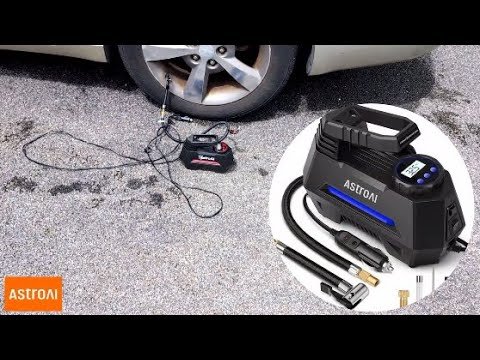
A portable air compressorwith a hose and nozzle works best. Choose a model with enough pressurefor lawn mower tires, usually 30-35 PSI. Smaller compressors may not inflate the tire fully.
Select a tire pressure gaugethat is easy to read. Digital or dial gauges both work well. Check the tire’s recommended pressure before pumping.
- Extension hose:Helps reach tires easily.
- Valve adapter:Fits different valve types.
- Protective gloves:Keep hands clean and safe.
Prepare The Mower
Place the mower on a flat surface to keep it steady. This makes pumping easier and safer. Ensure the mower is off and the blades are not moving.
Look for the tire valve on the wheel. It is a small metal or rubber stem sticking out from the tire. This valve lets air in and out.
Clean the area around the valve with a cloth. Remove dirt and dust so the compressor fits well. A clean valve helps air go in smoothly.
Check Tire Pressure
Use a tire pressure gaugeto check the mower tire’s pressure. Remove the valve cap and press the gauge firmly on the valve stem. The gauge will show the current pressure.
| Tire Type | Recommended Pressure (PSI) |
|---|---|
| Front Tires | 10 – 12 PSI |
| Rear Tires | 12 – 14 PSI |
Check for underinflated tires. Low pressure can cause poor traction and tire damage. Tires with pressure below the recommended range need air. Keep the pressure within limits for safe mowing and longer tire life.
Connect Compressor To Tire
Attach the compressor hose securely to the mower tire’s valve stem. Ensure a tight fit to prevent air leaks before starting the compressor.
Attaching The Air Hose
Insert the air hose into the tire valve. Make sure it fits snugly. Twist the connector until it’s tight. Listen for any hissing sounds.Ensuring A Secure Fit
Check the connection. The hose must not wobble. Press down to ensure it’s firm. A secure fit means no air escapes.Avoiding Air Leaks
Inspect the connection area. Use soapy water to find leaks. Bubbles mean a leak. Tighten the connection if needed. Repeat until no bubbles appear. `Inflate The Tire
Set the compressor pressure to match the tire’s recommended PSI. This helps avoid overinflation. Check your mower tire’s sidewall for this number. Use the compressor’s pressure gauge to adjust settings precisely.
Attach the air hose to the tire valve securely. Watch the pressure gauge closely as air fills the tire. Pause often to read the current pressure. This prevents inflating too much or too little.
- Stop inflating once the tire reaches the correct pressure.
- Remove the hose carefully to avoid air loss.
- Double-check the pressure after a few minutes.
Finish Up
Hold the compressor hose firmly and pull it off gently. Avoid sudden jerks to protect the valve stem from damage. Keep the hose away from moving parts of the mower.
Place the valve cap back on the tire’s valve stem. It helps keep dirt and moisture out. Screw it on tightly but do not overtighten.
| Check | What to Do |
|---|---|
| Tire Pressure | Use a tire gauge to confirm the pressure matches the recommended level. |
| Visual Inspection | Look for any bulges, cracks, or damage on the tire surface. |
| Firmness | Press the tire with your hand to feel if it is properly inflated. |
Troubleshooting Tips
Slow inflationmay happen due to a weak compressor or clogged valve. Check if the compressor hose is tight and clean. Clear any dirt around the tire valve for better airflow. Use the correct pressure setting on the compressor to match the mower tire’s needs.
Air leakscause tires to lose pressure fast. Listen for hissing sounds near the valve or tire surface. Use soapy water to spot bubbles that show leaks. Tighten the valve stem or replace the valve core if damaged.
Professional help is needed if:
- The tire has a large puncture or sidewall damage.
- The compressor stops working or shows error signs.
- You cannot find the source of the air leak.

Credit: www.youtube.com

Credit: www.youtube.com
Frequently Asked Questions
How Do I Pump A Mower Tire With A Compressor?
Attach the compressor hose to the tire valve stem securely. Turn on the compressor and fill until recommended pressure is reached. Use a pressure gauge to check tire pressure accurately for optimal performance.
What Pressure Should Mower Tires Have?
Most mower tires require 10 to 15 psi. Check your mower’s manual for exact specifications. Maintaining correct pressure ensures smooth operation and extends tire life.
Can I Use A Regular Air Compressor For Mower Tires?
Yes, a regular air compressor works well for mower tires. Ensure the compressor has a pressure regulator and a suitable hose attachment for the tire valve.
How Long Does It Take To Inflate A Mower Tire?
Inflating a mower tire typically takes 2 to 5 minutes. Time depends on compressor power and tire size. Monitor pressure to avoid overinflation.
Conclusion
Pumping your mower tire with a compressor is quick and simple. Check the tire pressure often to keep your mower running well. Use the right pressure level found in your mower’s manual. Avoid over-inflating to prevent damage. A good tire helps your mower cut grass evenly.
Take care of your tools to save time and money. Now you know how to keep your mower tire ready for work. Easy steps, better results.





