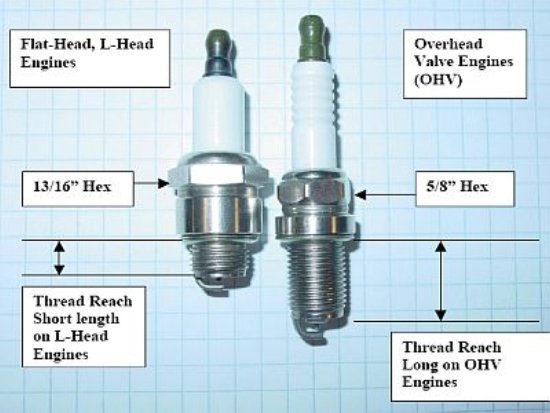
If your lawn mower isn’t starting smoothly or feels weak, the problem might be something simple—like the spark plug gap. Knowing how to gap a lawn mower spark plug can save you time, money, and frustration.
It’s a quick fix that can boost your mower’s performance and keep your lawn looking great. In this guide, you’ll learn exactly how to check and adjust the gap yourself, even if you’ve never done it before. Keep reading, and you’ll have your mower running like new in no time.
Why Spark Plug Gap Matters
The spark plug gapis the space between the two electrodes of the spark plug. This gap affects how the spark jumps to ignite the fuel. A correct gap helps the engine start easily and run smoothly.
If the gap is too small, the spark may be weak. This can cause the engine to stall or run poorly. If the gap is too wide, the spark might not jump at all, causing the mower not to start.
Maintaining the right gap ensures:
- Better fuel efficiency
- Stronger engine performance
- Less engine wear
- Easier starts
Credit: www.searspartsdirect.com
Tools Needed For Gapping
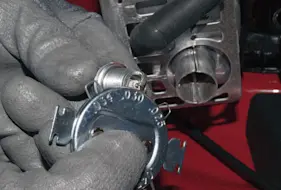
To gap a lawn mower spark plug, you need a few simple tools. A spark plug gap toolis the most important. It measures and adjusts the gap size. A feeler gaugeor a wire gaugecan also work well. You will need a spark plug wrenchto remove and install the spark plug. Some people use a pair of needle-nose pliersto gently bend the electrode if needed. It is best to have a clean clothto wipe off dirt from the spark plug. These tools help ensure the spark plug works properly and the engine runs smoothly.
Checking The Current Spark Plug Gap
Check the spark plug gap using a gap tool or feeler gauge. The gap is the space between the center and side electrodes. This space must be correct for the mower to start and run well. Too big or too small a gap can cause problems.
Place the gauge between the electrodes gently. If the tool fits snugly, the gap is okay. If it is loose or too tight, adjustment is needed.
- Use the spark plug gap chart in your mower manual for the exact size.
- Common gaps range from 0.025 to 0.035 inches.
- Adjust the gap carefully with a gap tool or small screwdriver.
Credit: www.familyhandyman.com
Adjusting The Spark Plug Gap
First, remove the spark plug from the lawn mower. Check the gap using a feeler gauge. This tool measures the space between the electrodes. The correct gap size is in the manual. If the gap is too big, gently tap the electrode on a hard surface. If it’s too small, use the gauge to widen it. Be careful not to damage the electrode. Always recheck the gap with the gauge. Ensure the gap is accurate. A correct gap helps the mower start easily. It also ensures a smooth engine operation. A small mistake can affect engine performance. Keep your tools organized for future use. Store the spark plug safely after adjustment. This keeps it clean and ready.
Tips For Accurate Gapping
Use a feeler gauge to measure the spark plug gap. The correct gap size is usually found in the lawn mower’s manual. Gently bend the side electrode to adjust the gap. Avoid touching the center electrode to keep it clean.
Check the gap after adjusting to ensure it matches the recommended size. A gap too wide or too narrow can cause poor engine performance. Always handle the spark plug carefully to prevent damage.
- Use a flat feeler gauge for accuracy
- Adjust slowly and check often
- Keep the spark plug free of oil and dirt
- Replace the spark plug if it’s worn or damaged
Reinstalling The Spark Plug
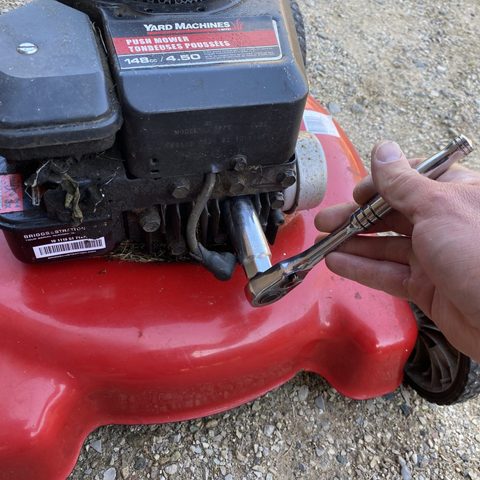
Make sure the spark plug threads are clean before reinstalling. Carefully screw the spark plug back into the engine by hand. This prevents cross-threading, which can damage the engine.
Once hand-tight, use a spark plug wrench to snug it. Do not over-tighten; it can cause cracks or damage the threads. A good rule is to turn it about a quarter turn after hand-tight.
Reconnect the spark plug wire firmly. The connection should be tight to ensure the mower starts easily. Check the wire for any wear or damage before attaching.
Signs Of A Worn Or Damaged Spark Plug
Worn or damaged spark plugscan cause several issues with lawn mowers. Signs include hard starting, where the engine struggles to run. You may notice poor fuel efficiency, meaning the mower uses more gas than usual. The mower can also run roughor stall during use.
Physical signs on the spark plug itself are important. Look for black sootwhich means the plug is fouled. A white, blistered tipshows overheating. Cracked or broken insulatorsare a clear sign the spark plug needs replacement.
- Hard startingor failure to start
- Engine stallingduring operation
- Poor fuel economyor increased fuel use
- Black sootor carbon buildup on plug
- White, blistered plug tipindicating heat damage
- Cracked, broken, or damaged insulator
Maintaining Spark Plug Health
Maintaining spark plug healthis key to a lawn mower’s good performance. A clean and properly gapped spark plughelps the engine start easily and run smoothly.
Check the spark plug regularly for dirt, wear, or damage. Clean it gently with a wire brush if dirty. Replace it if it looks worn or cracked.
The gap between the spark plug electrodes affects the spark. Use a spark plug gap toolto measure this gap. Adjust the gap to the mower’s recommended size by bending the side electrode carefully.
- Keep the gap clean and free of debris.
- Do not make the gap too wide or too narrow.
- Follow the mower manual for the correct gap size.
Regular maintenance saves fuel, reduces emissions, and extends engine life.

Credit: www.youtube.com
Frequently Asked Questions
What Is The Correct Gap Size For A Lawn Mower Spark Plug?
The ideal gap size for most lawn mower spark plugs is between 0. 025 and 0. 030 inches. Check your mower’s manual for exact specs. Proper gapping ensures efficient ignition and optimal engine performance.
How Do I Measure The Spark Plug Gap Accurately?
Use a spark plug gap tool or feeler gauge to measure the gap. Insert the tool between the electrodes gently. Adjust until it fits snugly but not too tight for precise ignition.
Why Is Gapping A Lawn Mower Spark Plug Important?
Correct gapping ensures the spark ignites the fuel-air mix efficiently. This improves engine starting, fuel efficiency, and reduces emissions. An incorrect gap can cause misfires or poor mower performance.
How Often Should I Gap My Lawn Mower Spark Plug?
Check and gap your spark plug at least once a season or every 25 hours of use. Regular maintenance keeps your mower running smoothly and extends spark plug life.
Conclusion
Gapping a lawn mower spark plug helps your mower run smoothly. It keeps the engine strong and saves fuel. Use the right gap size for your mower model. Check the gap regularly to avoid starting problems. A small tool and a little time make a big difference.
Keep your mower ready for work with this simple step. Easy to do and worth the effort. Your lawn will thank you.





