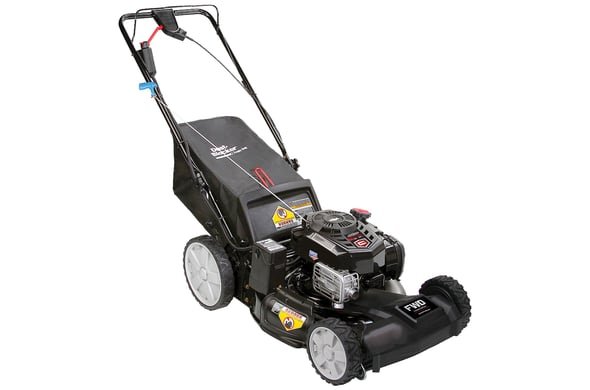
Is your mower refusing to start when it’s cold outside? You’re not alone, and it can be really frustrating.
Imagine needing to tackle your yard, but your mower just won’t cooperate. Understanding why this happens can save you time, money, and stress. You’ll discover the common reasons behind a cold mower that won’t start and simple steps you can take to fix it quickly.
Keep reading to get your mower running smoothly, no matter the temperature.
Common Cold Start Issues
Starting a mower on a cold morning can be frustrating, especially when it just won’t fire up. There are several common issues that can cause this problem, and understanding them can save you time and effort. Let’s take a closer look at the typical culprits behind cold start troubles and how you can spot them.
Fuel Problems
Fuel issues often top the list when your mower won’t start in cold weather. Gasoline can thicken or become contaminated with water, making it harder for the engine to ignite. Old fuel left in the tank from the previous season can also lose its volatility, causing weak combustion.
Check if your fuel is fresh and free from debris. Adding a fuel stabilizer before storing your mower can prevent these problems. Have you ever noticed your mower sputtering right before a cold snap? That’s often a sign of fuel trouble.
Spark Plug Issues
The spark plug is critical for ignition, and cold conditions can expose any weaknesses. A dirty or worn spark plug might not create a strong enough spark to start the engine. Sometimes, the gap between the electrodes becomes too wide or too narrow, disrupting the spark.
Inspect your spark plug for deposits or damage and clean or replace it if necessary. You can test the spark by removing the plug, reconnecting it to the ignition wire, and grounding it against the engine while pulling the starter rope. Have you checked your spark plug lately?
Carburetor Troubles
The carburetor mixes air and fuel, but it can get clogged with varnish or dirt, especially after sitting idle. Cold weather makes it harder for fuel to flow through these blocked passages, leading to starting issues. Sticking floats or jets can also prevent proper fuel delivery.
Cleaning the carburetor regularly helps maintain smooth operation. If your mower struggles to start only when it’s cold, the carburetor might need attention. Do you hear unusual sputtering or coughing sounds when starting your mower?
Battery And Electrical Faults
For electric start mowers, the battery plays a big role in cold starts. Batteries lose power and charge capacity in low temperatures, which can leave you without enough juice to crank the engine. Corroded or loose connections can also interrupt electrical flow.
Keep your battery charged and clean the terminals to ensure good contact. If your mower’s electric start feels sluggish or fails entirely in the cold, test the battery first. How often do you check your mower’s battery health before winter?

Credit: www.youtube.com
Fuel System Solutions
The fuel system plays a crucial role in your mower’s ability to start, especially in cold weather. Problems like stale fuel, clogged filters, or blocked lines can prevent the engine from getting the fuel it needs. Addressing these issues can make a big difference in how quickly your mower fires up.
Check And Replace Old Fuel
Old fuel loses its effectiveness and can cause your mower to stall or not start at all. Gasoline tends to degrade after about 30 days, especially if it contains ethanol, which attracts moisture. If your mower has been sitting unused since last season, drain the old fuel and refill with fresh gasoline to improve starting performance.
Have you ever tried starting your mower with fuel that’s been sitting for months? The sputtering and hesitation are signs that your engine is struggling to burn poor-quality fuel.
Clean Or Replace Fuel Filter
A clogged fuel filter restricts fuel flow, making it hard for the engine to start when cold. Dirt, debris, and varnish buildup can block the filter over time. Locate the fuel filter on your mower and either clean it if reusable or replace it with a new one to ensure smooth fuel delivery.
Ignoring a dirty fuel filter might seem minor, but it can cause frustrating delays and frequent starting failures. Don’t let a small part hold your mower hostage.
Inspect Fuel Lines For Blockages
Fuel lines carry gasoline from the tank to the engine. If these lines are kinked, cracked, or clogged, fuel flow can be interrupted. Carefully check your fuel lines for any visible damage or blockages and replace damaged sections to restore proper fuel flow.
Think about the last time your mower didn’t start – could a hidden blockage in the fuel line be the silent culprit? A quick visual inspection can save you hours of troubleshooting.
Spark Plug Fixes
The spark plug plays a key role in starting your mower, especially in cold weather. It creates the spark needed to ignite the fuel-air mix inside the engine. Problems with the spark plug often cause the mower not to start when cold. Checking and fixing the spark plug can solve many starting issues quickly and easily.
Clean Or Replace Spark Plug
Dirt and carbon buildup on the spark plug can stop it from sparking properly. Remove the spark plug and inspect it closely. Clean it with a wire brush or spark plug cleaner to remove deposits. If the plug looks worn out or damaged, replace it with a new one. Using a fresh spark plug improves ignition and mower performance.
Check Spark Plug Gap
The gap between the spark plug electrodes must be correct for a strong spark. Use a feeler gauge to measure the gap. Compare it with the mower’s manual specifications. Adjust the gap by gently bending the ground electrode if needed. A proper gap ensures the spark is strong enough to start the engine in cold conditions.
Test For Spark
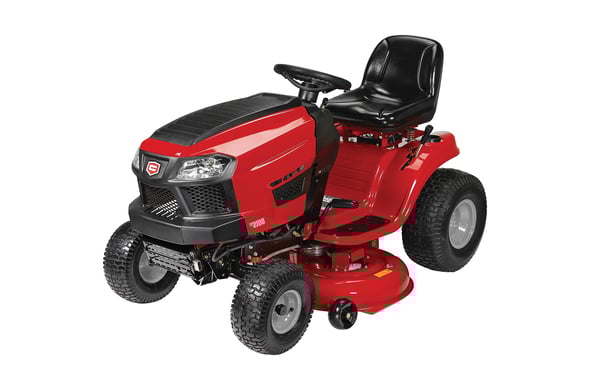
Testing the spark confirms if the plug is working well. Reattach the spark plug wire and ground the plug’s metal shell to the engine. Pull the starter cord and look for a bright blue spark at the electrode. No spark means the plug or ignition system may be faulty. Replace the spark plug or check the ignition coil if no spark appears.
Credit: www.searspartsdirect.com
Carburetor Adjustments
Carburetor adjustments affect fuel flow, which can cause a mower not to start when cold. Incorrect settings may lead to poor fuel mixture and hard starts. Proper tuning ensures smooth engine ignition in low temperatures.
Carburetor adjustments can often resolve issues with mowers that won’t start in cold weather. The carburetor plays a crucial role in mixing air and fuel for the engine. During cold conditions, the carburetor may need specific adjustments to ensure optimal performance. Below are key areas to focus on for carburetor adjustments.Clean The Carburetor
A dirty carburetor can block fuel flow. This makes starting difficult. Use a carburetor cleaner to remove debris. This restores proper fuel flow. Ensure all passages are clear. Cleaning improves engine performance.Adjust The Choke
The choke regulates air intake. Adjusting it helps in cold starts. Ensure the choke closes fully when starting. This allows a richer fuel mixture. Once the engine warms, open the choke gradually. This prevents stalling.Inspect Carburetor For Leaks
Leaks can cause air and fuel imbalance. Examine all carburetor joints. Look for signs of wear or damage. Replace gaskets if necessary. A leak-free carburetor ensures efficient starting.Battery And Electrical Checks
Battery and electrical issues are common reasons your mower won’t start on a cold morning. Cold temperatures can sap battery power and affect electrical connections. Checking these components can save you a lot of frustration and get your mower running smoothly again.
Charge Or Replace Battery
Cold weather drains battery power faster than usual. If your mower struggles to start, the battery might be weak or dead. Try charging the battery fully with a proper charger designed for small engines.
If charging doesn’t help, consider replacing the battery. A fresh battery often restores the starting power needed in chilly conditions. Have you checked your battery voltage recently? It’s a quick way to spot trouble before it leaves you stranded.
Inspect Wiring Connections
Loose or corroded wiring connections can interrupt the electrical flow needed to start your mower. Check all wiring harnesses, especially around the battery terminals and ignition switch.
Look for signs of corrosion, frayed wires, or loose clamps. Cleaning the terminals with a wire brush and tightening connections can often fix starting issues. Have you ever noticed a shaky wire causing unexpected mower problems?
Test Ignition Switch
The ignition switch controls the flow of electricity to your mower’s engine. If it’s faulty, your mower won’t start no matter how good the battery is. Test the switch by turning the key and listening for a click or using a multimeter to check continuity.
Replacing a bad ignition switch is straightforward and can save you from unnecessary troubleshooting. Think about the last time your mower failed to start—could the ignition switch have been the hidden culprit?
Additional Tips For Cold Starts
Dealing with a mower that won’t start when cold can be frustrating. Luckily, there are some practical tips you can use to make those chilly mornings easier. These additional steps help protect your mower and improve its chances of starting smoothly in cold weather.
Use Fuel Stabilizers
Old or degraded fuel can cause starting problems, especially in cold temperatures. Adding a fuel stabilizer helps keep your gasoline fresh and prevents it from breaking down. This means your mower will be ready to start even after sitting unused for weeks.
I once skipped using a stabilizer before winter, and my mower refused to start until I cleaned the carburetor. Since then, I always add stabilizer before storing my mower for extended periods.
Warm Up The Engine
Cold engines can struggle to ignite because the oil thickens and the fuel doesn’t vaporize well. Try warming the engine by running the choke slightly or using a block heater if your mower supports it. Even warming the engine for a minute or two can make a big difference.
Have you tried gently covering the engine with a towel before starting? It traps some heat and helps the engine reach operating temperature faster.
Store Mower Properly
Where and how you store your mower affects its cold start performance. Keep your mower in a dry, sheltered place away from freezing winds to prevent moisture buildup and cold damage. If you can’t avoid outdoor storage, use a weatherproof cover designed for lawn equipment.
Also, draining the fuel or running the mower until it’s out of gas before storing can reduce clogging and starting issues in cold weather. What storage habits do you think might be affecting your mower’s cold starts?

Credit: www.reddit.com
Frequently Asked Questions
Why Won’t My Mower Start When Cold?
A cold mower may not start due to thickened oil, stale fuel, or a weak battery. Cold temperatures affect fuel vaporization and engine compression, making ignition difficult.
How Does Cold Weather Affect Mower Starting?
Cold weather thickens engine oil and reduces fuel evaporation. This slows engine cranking and combustion, causing starting problems in cold conditions.
Can Old Fuel Cause Mower Starting Issues?
Yes, old or stale fuel loses volatility. It doesn’t ignite well, leading to hard starts or no start, especially in cold weather.
What Role Does The Spark Plug Play In Cold Starts?
A dirty or faulty spark plug weakens ignition. It can cause misfires or no spark, making it hard for the mower to start when cold.
Conclusion
Cold weather can make your mower hard to start. Check the fuel, spark plug, and oil first. Old or dirty parts often cause problems. Warm the engine gently before trying again. Regular care helps keep the mower ready to go.
Don’t ignore small signs of trouble early on. Fixing issues early saves time and money. Keep your mower running smoothly all season long. Simple steps make a big difference in cold starts. Stay prepared and enjoy hassle-free mowing every time.





