Are your mower blades getting dull and making your lawn look uneven? You might be wondering if you can sharpen them yourself using a drill.
The good news is, yes—you can! But before you grab your drill, it’s important to know the right way to do it. You’ll discover simple tips and tricks to safely sharpen your mower blades with a drill, saving you time and money.
Keep reading to find out how to bring back that sharp edge and keep your lawn mower running smoothly.

Credit: www.leevalley.com
Tools Needed
Before you sharpen your mower blades using a drill, gathering the right tools is crucial. The effectiveness of your sharpening job depends heavily on having equipment that fits the task perfectly. Let’s break down the essentials you’ll need to get started confidently and safely.
Choosing The Right Drill
Not every drill suits blade sharpening. You want a drill with variable speed settings to control how fast the blade spins. A cordless drill offers more flexibility, but a corded one often provides consistent power.
Consider drills with at least 12 volts for enough torque. Higher speed drills can be harder to manage and may overheat the blade or sharpener. Have you checked your drill’s RPM range? Keeping it low to medium is safer and more effective.
Selecting The Proper Blade Sharpener
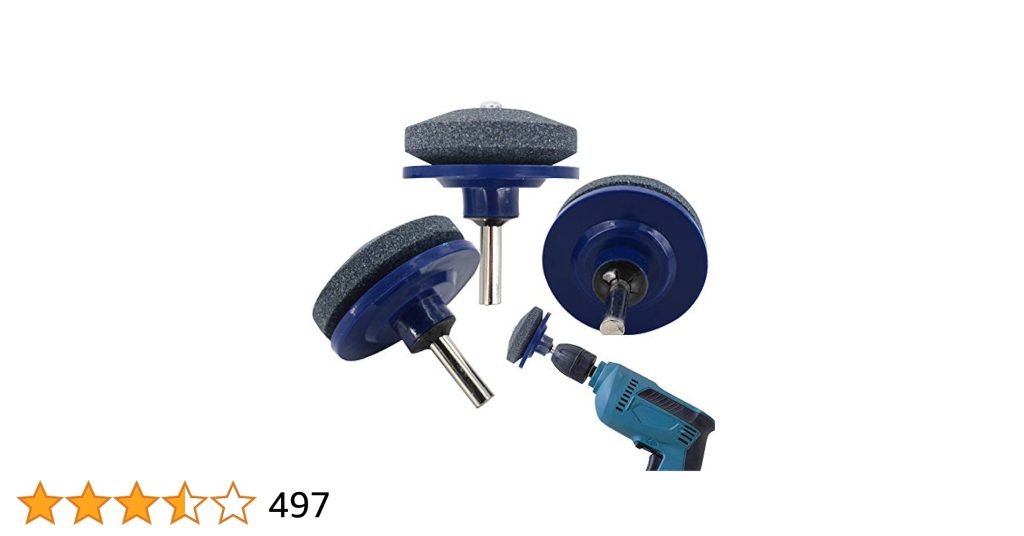
Drill attachments designed specifically for sharpening mower blades make the job easier. Look for a blade sharpener attachment with a secure clamp to hold the blade steady. This ensures even sharpening without slipping.
Some sharpeners come with grinding wheels, while others use sanding discs. Grinding wheels are better for dull blades, while sanding discs offer a smoother finish. What type of blade condition are you dealing with? Choose your sharpener accordingly.
Safety Gear Essentials
Sharpening blades can throw sparks and metal shards, so safety gear is a must. Always wear safety goggles to protect your eyes from flying debris. Thick gloves shield your hands from sharp edges and accidental slips.
Long sleeves and a dust mask help protect your skin and lungs from metal dust. Do you have a safe workspace with good lighting and ventilation? These factors reduce risks and improve your sharpening precision.
Credit: www.ihcubcadet.com
Preparing The Mower Blade
Preparing the mower blade is key before sharpening it with a drill. Proper preparation ensures safety and improves the sharpening process. It helps the blade last longer and work better.
Start by removing the blade safely. Then, clean and inspect it carefully. These steps prevent damage and reveal any issues that need fixing.
Removing The Blade Safely
First, disconnect the spark plug to stop the mower from starting. Wear thick gloves to protect your hands from sharp edges. Use a wrench to loosen the blade bolts. Turn the blade carefully and keep it steady. Place the blade on a flat surface after removal. Handle the blade with care to avoid cuts or injuries.
Cleaning And Inspecting The Blade
Remove dirt, grass, and debris from the blade using a brush or cloth. Check the blade for cracks, bends, or deep nicks. Look at both cutting edges for dullness or damage. If the blade is severely damaged, consider replacing it. Clean blades sharpen more evenly and last longer. A clean, inspected blade is ready for sharpening with a drill.
Sharpening Process
Sharpening mower blades with a drill is a practical way to extend the life of your blades and keep your lawn looking neat. The process requires a bit of care and attention to detail, but it’s something you can do at home without expensive equipment. Let’s break down the key parts of the sharpening process so you can get the best results safely and efficiently.
Setting Up The Drill
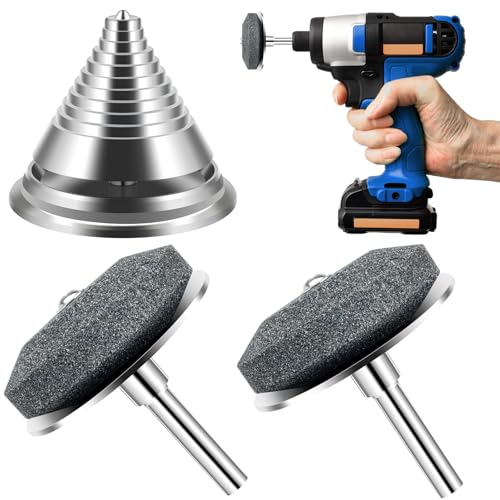
Start by securing the drill in a stable position or hold it firmly in your hand. Attach a grinding stone or a suitable sharpening bit designed for metal blades. Make sure the drill is fully charged or plugged in to maintain a consistent speed during sharpening.
Safety is critical here—wear gloves and eye protection. Clamp the blade securely in a vice or on a sturdy surface to prevent it from moving. This setup keeps your hands free and reduces the risk of accidents.
Sharpening Technique
Turn on the drill at a moderate speed; too fast can overheat the blade and ruin the edge. Gently press the grinding bit against the blade’s cutting edge, moving from the base to the tip in smooth, even strokes. Avoid staying in one spot for too long to prevent uneven sharpening.
Check your progress frequently by wiping away metal filings and inspecting the edge. Does your blade look uniformly sharp? If not, keep refining until you achieve a consistent bevel across the entire length. Remember, patience here pays off with a cleaner cut on your next mow.
Maintaining Blade Angle
The angle at which you sharpen the blade affects cutting efficiency. Most mower blades have a 30 to 45-degree bevel—try to match this angle as closely as possible. Holding the drill at the correct angle ensures the blade stays balanced and cuts grass cleanly rather than tearing it.
If you’re unsure about the angle, use a protractor or a smartphone app to measure it. Consistent angle maintenance prevents vibrations and uneven wear during mowing. Have you noticed your mower pulling or shaking? It might be time to check the blade angle.
Finishing Touches
Finishing the sharpening process of your mower blades is crucial. A well-sharpened blade ensures a clean and precise cut. But there’s more to do after sharpening. Let’s dive into the essential finishing touches to guarantee your mower’s peak performance.
Balancing The Blade
After sharpening, check the blade’s balance. An unbalanced blade can harm your mower. Place the blade on a balancing tool or a screwdriver. If one side dips, it needs more trimming. Keep adjusting until it sits evenly. This step prevents vibrations and ensures even grass cutting.
Reinstalling The Blade
Once balanced, it’s time to reinstall the blade. Use a wrench to secure it tightly. Ensure the blade is facing the correct direction. Consult your mower’s manual if unsure. A properly installed blade boosts mowing efficiency. Regular checks and maintenance keep your mower in top shape.
Safety Tips
Sharpening mower blades with a drill can save you time and money, but it demands careful attention to safety. Ignoring proper precautions can lead to serious injury. Before you start, focus on how you handle the blades and protect yourself.
Handling Sharp Blades
Sharp mower blades can cut through tough grass—and your skin just as easily. Always pick up and hold the blade by its dull edges or the center hole to avoid accidental cuts.
Secure the blade on a stable surface before sharpening. This prevents slipping, which can cause injury or damage the blade.
Have you ever felt the sting of a quick slip? Taking your time with careful handling reduces that risk significantly.
Using Protective Equipment
Protect your hands with heavy-duty gloves designed to resist cuts. Thin gloves won’t provide enough protection when working with sharp metal edges.
Eye protection is a must. Metal shards or sparks can fly when you sharpen blades with a drill, so wear safety goggles to shield your eyes.
Consider wearing long sleeves and closed-toe shoes for extra safety. Small precautions make a big difference in preventing injuries.
Troubleshooting
Troubleshooting issues with sharpening mower blades using a drill helps avoid common problems. Understanding mistakes and knowing when to replace the blade keeps your mower efficient. This section highlights key points to watch out for during sharpening.
Common Sharpening Mistakes
- Using too much pressure on the blade can cause damage.
- Sharpening at the wrong angle reduces cutting effectiveness.
- Overheating the blade can weaken the metal and dull it faster.
- Uneven sharpening leads to poor balance and mower vibrations.
- Failing to clean the blade before sharpening affects results.
- Not securing the blade properly can cause accidents.
When To Replace The Blade
Replace the blade if you see deep cracks or bends. Blades with excessive rust lose strength and sharpness. If sharpening removes too much metal, the blade becomes unsafe. Noticeable wear on the cutting edge means it’s time for a new blade. Replacing blades regularly improves mowing performance and safety.

Credit: www.reddit.com
Frequently Asked Questions
Can Mower Blades Be Sharpened Using A Drill?
Yes, mower blades can be sharpened with a drill using a grinding attachment. It’s a quick, effective method for minor blade sharpening at home.
What Drill Bit Is Best For Sharpening Mower Blades?
A grinding stone or flap wheel attachment works best. These bits remove metal efficiently while maintaining blade balance and sharpness.
Is Sharpening Mower Blades With A Drill Safe?
Yes, with proper safety gear and careful technique, sharpening with a drill is safe. Always wear gloves and eye protection during the process.
How Often Should Mower Blades Be Sharpened?
Sharpen mower blades every 20-25 hours of use or once per mowing season to ensure clean cuts and healthy grass.
Conclusion
Sharpening mower blades with a drill can save time and money. It works well if done carefully and with the right tools. Always keep safety in mind while sharpening. Dull blades cut grass unevenly and can harm your lawn. Regular sharpening keeps your mower running smoothly.
Try this simple method to extend blade life. A sharp blade means a healthier, cleaner cut for your grass. Give it a try and see the difference yourself.





