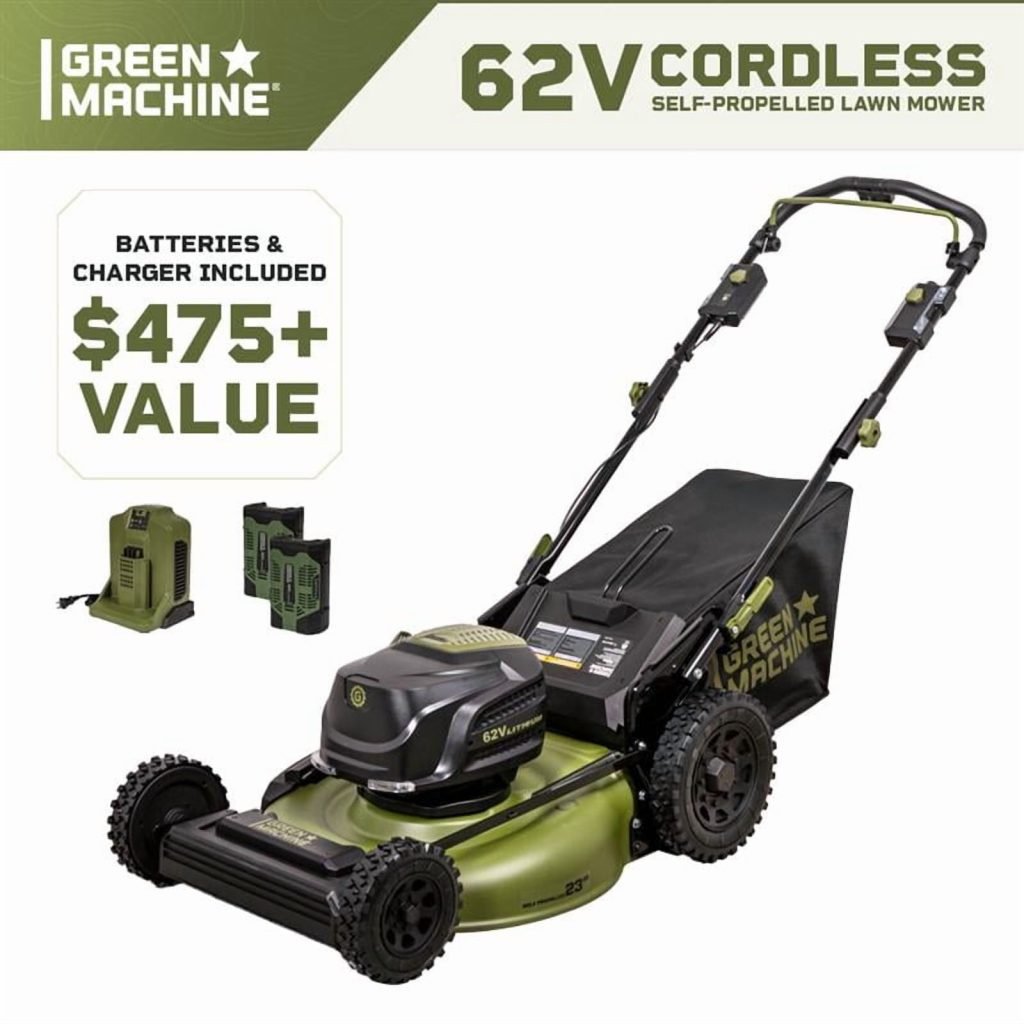
Choosing the right battery for your cordless mower can make all the difference in how well it works and how long it lasts. You want a battery that gives you enough power to cut your grass efficiently, but also one that holds a charge and fits your mower perfectly.
If you’ve ever struggled with a mower that dies too quickly or takes forever to recharge, this guide is for you. Keep reading, and you’ll discover exactly what type of battery suits your cordless mower best—so you can keep your lawn looking great with less hassle.
Battery Types For Cordless Mowers
Choosing the right battery for your cordless mower can make a huge difference in performance and convenience. Different battery types offer unique benefits and limitations, affecting how long you can mow, how fast the battery charges, and how long the battery lasts overall. Understanding these options will help you pick a mower that fits your lawn care needs and lifestyle.
Lithium-ion Batteries
Lithium-ion batteries are the most popular choice for cordless mowers today. They are lightweight and provide a high energy density, which means longer mowing times without adding extra weight to your mower. These batteries also charge quickly, often reaching full capacity in under an hour.
One of the best features of lithium-ion batteries is that they have no memory effect, so you can charge them at any time without reducing their capacity. Plus, they tend to last for several years, making them a cost-effective option in the long run. If you want a mower that’s easy to handle and ready to go on short notice, lithium-ion is likely your best bet.
Nickel-metal Hydride Batteries
Nickel-metal hydride (NiMH) batteries are less common but still used in some cordless mowers. They are heavier than lithium-ion batteries and usually offer shorter run times. However, NiMH batteries are more environmentally friendly than older battery types and don’t contain toxic metals like cadmium.
A key consideration with NiMH batteries is their self-discharge rate—they tend to lose charge faster when not in use. This means if you store your mower for a while, you might find the battery partially drained. If you don’t mind charging more frequently and want a greener option, NiMH batteries can be suitable.
Lead-acid Batteries
Lead-acid batteries are rarely used in modern cordless mowers but still appear in some heavy-duty or budget models. They are bulky and heavy, which can make your mower harder to maneuver. On the plus side, they are generally cheaper upfront than lithium-ion or NiMH batteries.
These batteries have a shorter lifespan and take longer to recharge. They also require more maintenance, like checking fluid levels. If you’re mowing a large area on a budget and don’t mind the extra weight, lead-acid batteries might work, but they come with clear trade-offs.
Key Features To Consider
Choosing the right battery for a cordless mower depends on several important features. These features affect how long the mower runs, how fast the battery charges, and how easy it is to handle. Understanding these key points helps pick a battery that fits your mowing needs and comfort.
Battery Capacity And Runtime
Battery capacity measures how much energy the battery holds. It is usually shown in ampere-hours (Ah). A higher capacity means the mower runs longer before needing a recharge. Consider the size of your lawn to choose the right capacity. Large yards need batteries with bigger capacity for longer runtime.
Charging Time
Charging time is how long the battery takes to get fully charged. Shorter charging times mean less waiting between uses. Some batteries charge in less than an hour, while others take several hours. Fast charging is useful if you mow often or have a big area to cover. Check the charger type and wattage for faster charging.
Battery Weight And Size
Battery weight affects how heavy the mower feels. A lighter battery makes the mower easier to push and maneuver. Size matters too, especially if the mower has a small battery compartment. Compact batteries fit better and keep the mower balanced. Choose a battery that fits your mower and feels comfortable to use.
Performance And Durability
Choosing the right battery for your cordless mower affects how well it performs and how long it lasts. Batteries vary widely in power and durability, which impacts your mowing experience. Understanding these factors helps you pick a battery that meets your needs without frequent replacements or unexpected power drops.
Power Output
The power output of a battery determines how strong your mower runs. Higher voltage batteries, like 40V or 60V, typically provide more cutting power and handle thick grass better. If you often mow dense or tall grass, a battery with a high power output will save you time and effort.
Think about how much power you need for your lawn size and grass type. A lower voltage battery might be enough for small yards but can struggle in tougher conditions. Are you willing to compromise power for lighter weight, or do you need maximum cutting strength?
Cycle Life
Cycle life refers to how many times a battery can be charged and discharged before its capacity drops significantly. Batteries with longer cycle lives cost more upfront but save money over time by lasting years. For example, lithium-ion batteries often last 500 to 1,000 cycles, outlasting older nickel-cadmium types.
Consider how often you’ll use your mower and how long you want the battery to last. Frequent mowing seasons demand batteries with strong cycle life to avoid early replacements. Have you checked the cycle life ratings before buying, or do you focus mainly on price?
Temperature Resistance
Temperature resistance impacts battery performance in different climates. Some batteries lose power quickly in cold weather or degrade faster under intense heat. Lithium-ion batteries usually handle temperature swings better than older types, maintaining more consistent power.
If you live in a region with harsh winters or hot summers, pick a battery known for temperature stability. This avoids surprises like reduced run time or battery damage. How does your local weather affect your lawn care schedule, and are you prepared with the right battery?
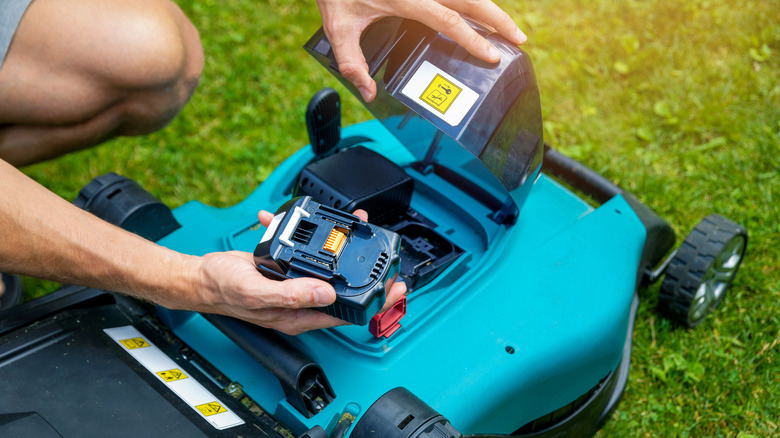
Credit: www.housedigest.com
Cost And Availability
Battery cost varies by type, with lithium-ion offering longer life but at a higher price. Availability depends on brand and local stores stocking compatible batteries.
Choosing the right battery for your cordless mower involves understanding cost and availability. Different batteries have varying price points and availability. These factors influence the overall expense and convenience of maintaining your mower.Initial Investment
The initial cost of a cordless mower battery is significant. Lithium-ion batteries usually cost more upfront. They offer efficiency and longer life. Nickel-cadmium batteries are cheaper but less efficient. Consider your budget and mowing needs before purchase.Replacement Costs
Batteries don’t last forever. Replacement adds to long-term costs. Lithium-ion batteries have a longer lifespan. They need fewer replacements, saving money over time. Nickel-cadmium batteries may need frequent replacements. Factor this into your budgeting plan.Brand Compatibility
Not all batteries fit every mower. Check brand compatibility before buying. Using the wrong battery can damage your mower. It voids warranties and increases maintenance costs. Stick to recommended brands for reliable performance.Safety And Environmental Impact
Choosing the right battery for your cordless mower is not just about power and runtime. Safety and environmental impact play a crucial role in making a responsible choice. Understanding how to handle, store, and dispose of batteries can protect you and the planet.
Safe Handling And Storage
Batteries can be dangerous if mishandled. Always keep your cordless mower battery away from extreme temperatures and moisture to prevent damage or leakage.
Store batteries in a cool, dry place, ideally in their original packaging or a protective case. Avoid dropping or puncturing the battery, as this can cause fires or chemical leaks.
Have you ever wondered how a small spark from a damaged battery could start a fire? Taking simple precautions reduces this risk significantly.
Recycling And Disposal
Throwing batteries in the trash harms the environment and violates disposal laws in many areas. Batteries contain harmful chemicals that can leak into soil and water.
Most communities offer battery recycling programs—use them. Recycling recovers valuable materials and reduces pollution.
Check your local hardware store or waste management center for drop-off points. Don’t let old batteries sit unused; they belong in recycling bins, not landfill.
Eco-friendly Options
Some batteries are greener than others. Lithium-ion batteries generally have a longer lifespan and better energy density, meaning fewer replacements and less waste.
Look for brands committed to sustainable practices, such as using recycled materials and reducing harmful chemicals. These choices lessen your mower’s carbon footprint.
Could choosing a battery with eco-friendly credentials make a difference in your lawn care routine? It’s a simple way to contribute to a healthier environment while keeping your grass neat.

Credit: litheli.com
Choosing The Right Battery For Your Needs
Choosing the right battery for your cordless mower makes a big difference in performance. The battery type affects how long you can mow and how powerful the mower feels. Picking a battery that fits your lawn size and mowing habits saves time and effort.
Understanding your needs helps find the best battery. This includes lawn area, how often you mow, and how much power you want. Balancing these factors ensures the mower runs smoothly without frequent recharges or heavy weight.
Matching Battery To Lawn Size
Large lawns need batteries with high capacity. These batteries hold more charge and last longer. Smaller lawns can use batteries with less capacity. This keeps the mower light and easy to handle.
- Large lawns: 4Ah or higher capacity recommended
- Medium lawns: 2Ah to 4Ah capacity works well
- Small lawns: 1.5Ah to 2Ah capacity is sufficient
Considering Mower Usage Frequency
Frequent use demands batteries that recharge quickly. A fast-charging battery reduces downtime. For occasional mowing, slower charging batteries may be fine. Consider how often you mow each week or month.
- Daily or weekly use: Choose batteries with quick recharge
- Monthly use: Standard batteries can work
Balancing Power And Portability
Powerful batteries may weigh more. Heavy batteries make the mower harder to move. Lightweight batteries increase portability but may reduce runtime. Find a balance that suits your strength and mowing style.
| Feature | Heavy Battery | Lightweight Battery |
|---|---|---|
| Power | High | Moderate |
| Runtime | Longer | Shorter |
| Portability | Lower | Higher |
Maintenance Tips For Battery Longevity
Keeping your cordless mower’s battery in top shape means better performance and longer life. Batteries can lose their power quickly if not cared for properly. Simple habits and timely checks can save you from unexpected downtime and costly replacements.
Proper Charging Practices
Always use the charger designed for your battery. Using the wrong charger can damage the cells and reduce capacity. Avoid overcharging by unplugging the battery once it reaches full charge.
Charge your battery in a cool, dry place. Heat speeds up battery wear, so keeping the charger away from direct sunlight helps. If your battery supports fast charging, use it sparingly as it can generate extra heat.
Storage Recommendations
If you won’t use your mower for a while, store the battery properly to avoid losing charge or damage. Keep it in a cool, dry spot away from extreme temperatures. Leaving the battery fully charged or completely drained during storage can harm it; aim for about 50% charge instead.
Check on stored batteries every few weeks. Top them up if the charge drops too low to keep them healthy. This small step can prevent the battery from becoming unusable when you need it most.
Troubleshooting Common Issues
Is your mower running shorter than usual? It might be time to test the battery’s health. Some chargers have indicators that show battery condition—pay attention to these signals.
If the battery isn’t charging, try cleaning the contacts with a dry cloth. Dirt or corrosion can block the flow of electricity. Still no luck? Consider testing the battery with a multimeter or taking it to a professional for a check-up.

Credit: www.lowes.com
Frequently Asked Questions
What Type Of Battery Powers Cordless Mowers?
Cordless mowers commonly use lithium-ion batteries. These batteries provide longer runtime and faster charging. They are lightweight, durable, and environmentally friendly. Lithium-ion batteries maintain consistent power, ensuring efficient mowing performance.
How Long Does A Cordless Mower Battery Last?
Battery life varies between 30 to 60 minutes per charge. Higher capacity batteries last longer but may add weight. Proper maintenance and storage extend battery lifespan. Always check manufacturer specifications for accurate runtime details.
Can I Use Any Battery For My Cordless Mower?
No, always use batteries specified by the mower manufacturer. Using incompatible batteries can damage the mower or void warranties. Match voltage and battery type to ensure safe operation and optimal performance.
How Do I Maintain A Cordless Mower Battery?
Store batteries in a cool, dry place away from direct sunlight. Charge batteries fully before storage and avoid complete discharge. Clean battery contacts regularly to prevent corrosion. Follow manufacturer guidelines for best maintenance practices.
Conclusion
Choosing the right battery keeps your cordless mower working well. Lithium-ion batteries last longer and charge faster. Nickel-metal hydride batteries are cheaper but heavier. Match the battery voltage and capacity to your mower. Think about how long you need to mow each time.
A good battery saves time and effort. Always follow the mower’s battery guide for safety. This helps you get the best cut every time. Simple choices lead to better lawn care.





