
Have you ever noticed your lawn looking uneven or ragged after mowing? The problem might be right under your nose—your lawn mower blades.
Keeping your blades sharp isn’t just about a cleaner cut; it directly affects the health of your grass, the efficiency of your mower, and even your safety. If you want a lush, vibrant lawn and a smoother mowing experience, understanding why you need to sharpen your lawn mower blades is a must.
Keep reading to discover how this simple step can transform your lawn care routine.

Credit: mowrator.com
Benefits Of Sharp Blades
Sharp lawn mower blades cut grass cleanly. This helps grass heal fast and stay healthy. Dull blades tear grass, causing brown edges and stress.
Cutting with sharp blades reduces lawn stress. Grass is less likely to get diseases or pests. The lawn looks greener and grows better.
Improved mower performance is another benefit. Sharp blades need less effort from the mower’s engine. This saves fuel and makes mowing easier and faster.
Signs Blades Need Sharpening
Torn or brown grass tipsshow that mower blades are dull. Instead of clean cuts, blades tear grass. This causes brown, ragged edges. Healthy grass needs sharp blades to stay green and strong.
Uneven cutting patternshappen when blades don’t cut evenly. Some areas look longer or patchy. This can make your lawn look messy and unkempt. Sharp blades give a smooth, even cut every time.
Increased mower strainmeans the engine works harder. Dull blades slow down cutting and use more fuel. This can wear out your mower faster and lead to costly repairs. Keeping blades sharp saves time and money.
How Dull Blades Affect Lawn Health
Dull lawn mower blades can harm your grass in many ways. They tear the grass instead of cutting it cleanly. This damage makes the grass weak and easy to get sick. Diseases spread faster on torn grass.
Grass grows slower with dull blades. The jagged cut wastes the grass’s energy. It struggles to grow back healthy and strong.
Weeds find it easier to grow too. Weak grass cannot fight weeds well. The lawn looks messy and unhealthy.
- Increased Disease Risk:Torn grass blades invite diseases.
- Slower Grass Growth:Grass uses more energy to heal.
- Weed Infestation:Weeds grow more in weak grass.
Sharpening Frequency
Dull mower blades tear grass, causing a ragged lawn and plant stress. Regular sharpening keeps cuts clean and grass healthy. Sharpen blades every 20-25 hours for best results.
Factors Influencing Schedule
Lawn size affects blade sharpening frequency. A big lawn means more frequent sharpening. Grass type also plays a role. Tougher grass can dull blades faster. Check for rocks and debris. These can damage blades quickly. Also, the mower usage time matters. Longer use requires more sharpening.
Seasonal Considerations
During spring, grass grows fast. This means mowing more often. Blades may need sharpening every few weeks. In summer, grass grows slower. Sharpening might be less frequent. Fall brings leaves and thicker grass. This can dull blades quicker. Always check blades before winter storage.
Blade Sharpening Methods
Sharpening lawn mower blades keeps them cutting cleanlyand evenly. Dull blades tear grass, causing brown edgesand uneven growth. Regular blade sharpening helps your lawn stay healthyand green.
Diy Techniques
- Use a hand fileto sharpen blade edges carefully.
- A bench grindercan speed up sharpening but needs caution.
- Remove the blade first, then secure it before sharpening.
- Balance the blade after sharpening to avoid vibrations.
Professional Services
| Service | Benefits | Cost |
|---|---|---|
| Blade Sharpening | Fast, precise, and balanced sharpening | Low to moderate |
| Blade Replacement | New blades for best cutting quality | Moderate to high |
| Blade Cleaning | Removes rust and buildup | Low |
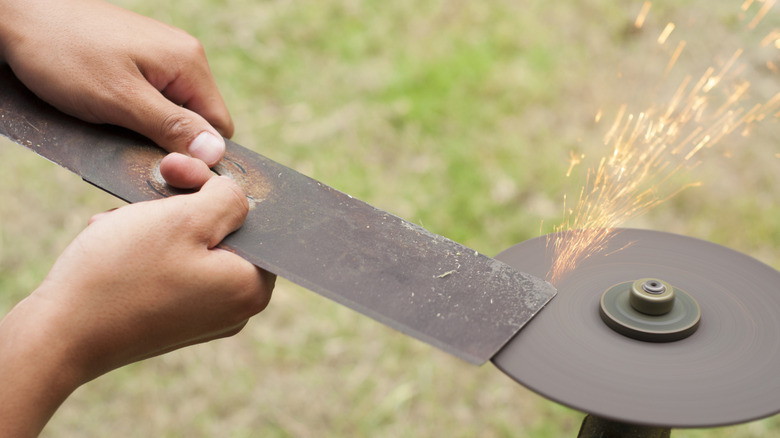
Credit: www.housedigest.com
Safety Tips While Sharpening
Use sharp, clean toolslike files or grinders for blade sharpening. Always wear protective glovesand eye protectionto avoid injuries. A stable work surface keeps the mower steady and safe.
- Unplug the mower or disconnect the spark plug before starting.
- Use a wrench to carefully remove the blade bolts.
- Mark the blade’s orientation to install it correctly later.
- Tighten bolts securely after sharpening to prevent accidents.

Credit: www.youtube.com
Frequently Asked Questions
Why Should I Sharpen Lawn Mower Blades Regularly?
Sharpening blades ensures a clean cut, promoting healthy grass growth. Dull blades tear grass, causing brown edges and disease. Regular sharpening also improves mower efficiency, saving fuel and reducing wear on the engine.
How Often Do Lawn Mower Blades Need Sharpening?
For most lawns, sharpen blades every 20-25 hours of mowing. If grass looks ragged or torn, sharpen them immediately. Frequent sharpening maintains blade performance and keeps your lawn looking neat and healthy.
What Are The Benefits Of Sharp Lawn Mower Blades?
Sharp blades cut grass cleanly, reducing stress on plants. This prevents brown tips and disease, resulting in a greener lawn. Sharp blades also improve mower efficiency, lower fuel consumption, and extend the mower’s lifespan.
Can Dull Mower Blades Damage My Lawn?
Yes, dull blades tear rather than cut grass blades. This causes brown, jagged edges and invites disease. Torn grass is weaker and less resistant to pests, leading to an unhealthy, patchy lawn.
Conclusion
Sharpening lawn mower blades keeps your grass healthy and neat. Dull blades tear grass, causing brown tips and disease. Sharp blades cut cleanly, helping your lawn grow strong. Regular sharpening saves time and fuel while improving mower life. Easy to do and worth the effort.
Keep your lawn looking its best by sharpening blades often. A small step that makes a big difference.





