Have you noticed your mower struggling to start or losing power unexpectedly? Your mower battery might be the hidden problem.
Knowing exactly when to replace your mower battery can save you time, money, and frustration. You’ll learn the key signs that tell you it’s time for a new battery and how to keep your mower running smoothly all season long.
Keep reading to avoid getting stuck with a dead battery when you need your mower the most.

Credit: mowrator.com
Battery Lifespan Basics
Understanding the basics of your mower battery’s lifespan is key to knowing when it’s time for a replacement. Batteries don’t last forever, but how long they do last depends on several factors. Getting familiar with these details can save you from unexpected breakdowns and keep your mower running smoothly.
Typical Mower Battery Life
Most mower batteries last between 3 to 5 years under normal conditions. If you’ve had your battery longer than that, it’s a good idea to check its performance regularly. You might notice slower starts or the mower struggling to turn over—these are signs your battery is losing power.
Keep in mind, some batteries might fail sooner, while others can exceed the average lifespan if well maintained. Have you ever had a battery that lasted much longer or much shorter than expected? What was different in how you used or cared for it?
Factors Affecting Battery Longevity
- Usage Frequency:The more often you use your mower, the quicker the battery can wear out.
- Charging Habits:Leaving your battery fully discharged for long periods damages its cells. Charging it regularly and properly extends life.
- Storage Conditions:Extreme temperatures, especially cold winters, can reduce battery capacity if not stored correctly.
- Maintenance:Cleaning terminals and checking electrolyte levels (for certain battery types) prevent corrosion and improve performance.
I once ignored my mower battery during winter storage, and it died before the next season. After that, I started charging it monthly and storing it in a warmer place, which made a noticeable difference. What small changes can you make today to protect your battery?
Key Warning Signs
Recognizing the key warning signs of a failing mower battery can save time and frustration. These signs indicate the battery is losing power or has sustained damage. Acting early prevents unexpected breakdowns during your mowing tasks.
Checking your mower regularly helps detect problems before they worsen. Watch for these clear signals that the battery needs replacement.
Slow Engine Start
Your mower engine takes longer to start than usual. The starter turns slowly or struggles to catch. This delay often means the battery cannot deliver enough power quickly. A slow start is a common sign the battery is weakening.
Frequent Jump Starts
Needing a jump start more than once signals battery trouble. The battery fails to hold a full charge. Each jump start stresses the battery further. Frequent jumps show the battery’s lifespan is near its end.
Corroded Battery Terminals
White or green powder on battery terminals blocks power flow. Corrosion causes poor connections and reduces battery efficiency. Cleaning helps temporarily, but corrosion often points to a failing battery. Check terminals regularly to catch corrosion early.
Swollen Or Leaking Battery Case
A swollen battery case means internal damage from heat or overcharging. Leakage of acid or fluid is dangerous and harms mower parts. Either sign requires immediate battery replacement. Do not ignore physical damage to the battery case.
Performance Issues
Performance issues often signal the need to replace a mower battery. These problems affect how well the mower starts and runs. Detecting these signs early can prevent unexpected breakdowns and save time.
Dimming Lights Or Accessories
Fading or dim lights are a clear sign of battery weakness. Accessories may also work slower or stop altogether. This happens because the battery cannot supply enough power.
Check for:
- Headlights dimmer than usual
- Dashboard lights flickering
- Slow or unresponsive electrical accessories
Unstable Power Output
Unstable power can make the mower stall or struggle to start. The engine may hesitate or run unevenly. This instability points to a battery losing its ability to hold a charge.
Signs include:
- Engine cranks slowly or weakly
- Sudden power drops during use
- Frequent need to jump-start

Credit: mowrator.com
Testing The Battery
Testing the mower battery helps spot signs of weakness before it fails. Replace the battery if it won’t hold a charge or the mower struggles to start. Regular checks keep your mower running smoothly and avoid unexpected breakdowns.
Testing the battery in your mower is a crucial step in determining whether it’s time for a replacement. It’s not just about noticing when your mower struggles to start; there’s a science to it. You want to ensure your battery is in top shape for a smooth mowing experience. So, how can you effectively test your mower battery? Let’s dive into some practical methods.Using A Multimeter
A multimeter is a handy tool for checking the voltage of your battery. First, set your multimeter to DC voltage. Attach the red probe to the positive terminal and the black probe to the negative terminal. Your mower battery should read around 12.6 volts when fully charged. If it consistently reads lower, it might be time for a new battery. This simple test can save you a lot of frustration in the long run.Load Testing Techniques
Load testing goes a step further by simulating the battery’s performance under real conditions. You’ll need a load tester for this, which you can purchase or borrow. Connect the load tester to the battery terminals, ensuring a secure connection. Activate the load and monitor the battery’s voltage drop. A significant drop indicates the battery can’t maintain its charge under load, suggesting replacement is necessary. Testing your battery might seem technical, but it’s empowering. You’ll save time and money by catching potential issues early. Plus, who doesn’t love the satisfaction of diagnosing and solving a problem on their own?Maintenance Tips To Extend Battery Life
Maintaining your mower battery properly can save you from the hassle of frequent replacements. Small, consistent actions can keep your battery charged and healthy for longer. Have you ever noticed your mower struggling to start after sitting unused? That’s often a sign your battery needs better care.
Regular Cleaning
Keep the battery terminals clean by wiping them with a damp cloth every few weeks. Dirt and corrosion build-up can block electrical flow and reduce battery efficiency.
If you see white or greenish powder around the terminals, gently clean it off with a mixture of baking soda and water. Always disconnect the battery before cleaning to avoid shocks or damage.
Proper Storage Practices
Store your mower and its battery in a cool, dry place during the off-season. Extreme temperatures, especially freezing cold, can drain the battery or cause permanent damage.
Remove the battery from the mower if you won’t use it for several weeks. Place it on a non-metallic surface, away from direct sunlight and moisture to prevent short circuits and corrosion.
Charging Guidelines
Charge your battery fully before storing it for a long time. Partial charges can reduce its overall lifespan.
Use a charger specifically designed for your battery type, and avoid overcharging. Modern smart chargers with automatic shut-off features can protect your battery from damage.
Have you ever left a battery on the charger overnight and wondered if that harms it? Smart chargers handle this well, but traditional chargers can overcharge and reduce battery life.
Choosing The Right Replacement
Choosing the right replacement battery for your mower is key to keeping it running smoothly. Picking a battery that fits your mower’s needs avoids frustration and saves money. Let’s break down what you need to know to make the best choice for your machine.
Battery Types For Mowers
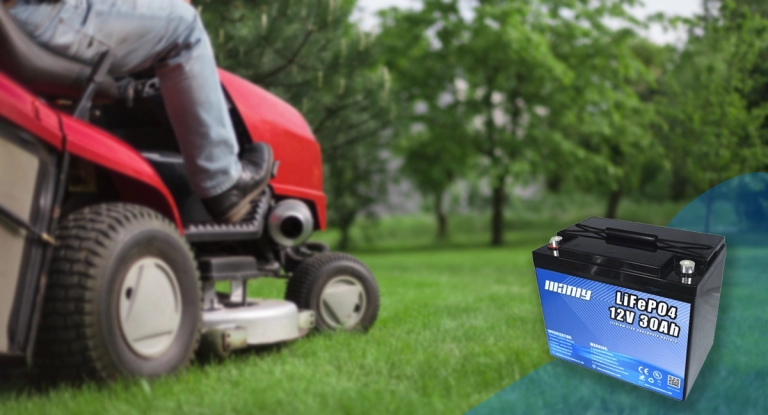
Mowers typically use one of three types of batteries: lead-acid, AGM (Absorbent Glass Mat), or lithium-ion. Lead-acid batteries are common and affordable but heavier and need more maintenance.
AGM batteries offer better performance and last longer without maintenance, making them a solid middle ground. Lithium-ion batteries are lighter and charge faster but usually cost more upfront.
Think about how often you use your mower and your budget. If you only mow a few times a season, a lead-acid battery might be enough. For frequent use, upgrading to AGM or lithium-ion can be worth it.
Matching Voltage And Capacity
Always check your mower’s manual to find the exact voltage your battery needs. Using a battery with the wrong voltage can damage your mower’s electrical system or cause poor performance.
Capacity, measured in amp-hours (Ah), determines how long your mower will run on a single charge. Higher capacity means longer run time but may also mean a larger, heavier battery.
Ask yourself: Do you need longer mowing time or a lighter battery? Balancing voltage and capacity ensures your mower works efficiently without adding unnecessary weight.
Brand And Warranty Considerations
Choosing a reputable brand can save you headaches down the road. Trusted brands often provide better quality control and customer support.
Check the warranty terms carefully. A longer warranty can be a sign of the manufacturer’s confidence in their product, giving you peace of mind.
Have you ever bought a cheap battery only to replace it within a year? Investing a bit more upfront in a quality battery with a solid warranty often pays off in reliability and cost savings.
Credit: manlybattery.com
Frequently Asked Questions
When Should I Replace My Mower Battery?
Replace your mower battery when it struggles to start the engine. Also, if it won’t hold a charge, it’s time to replace it. Regular wear, corrosion, and age reduce battery efficiency, signaling the need for a new one to maintain mower performance.
How Long Does A Mower Battery Typically Last?
A mower battery usually lasts between 3 to 5 years. Proper maintenance can extend its life. If you notice starting issues before this period, check the battery condition to decide if replacement is necessary.
What Are Signs Of A Failing Mower Battery?
Signs include slow engine start, dim headlights, and a dead battery after charging. Corrosion on terminals or swelling battery casing also indicate failure. These symptoms suggest it’s time to replace your mower battery for reliable operation.
Can I Replace A Mower Battery Myself?
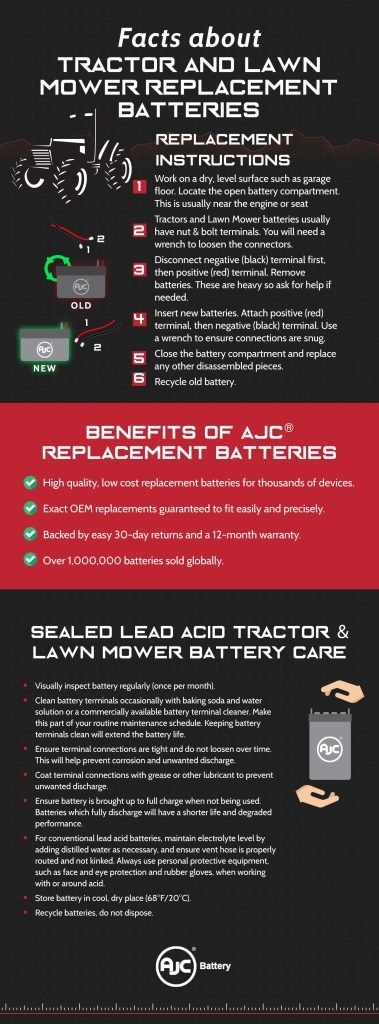
Yes, you can replace a mower battery yourself. Ensure the engine is off and remove the old battery carefully. Install the new battery following the correct polarity and secure connections for safe and efficient mower use.
Conclusion
A mower battery that won’t hold a charge needs replacing. Check for slow starts or weak power. Old batteries can cause mower trouble and delay work. Changing the battery keeps your mower running smooth and strong. Watch for signs like corrosion or leaks.
Regular checks help avoid sudden failures. A fresh battery saves time and effort during mowing. Keep your mower ready for every lawn day. Don’t wait until the battery dies completely. Replace it soon for best results and less stress.





