Changing your oil doesn’t have to be a messy, complicated task. With a siphon pump, you can make the process cleaner, faster, and easier—all by yourself.
Imagine saving time, avoiding spills, and getting your hands dirty less often. If you want to take control of your vehicle’s maintenance and keep it running smoothly, learning how to change oil with a siphon pump is a smart move.
Keep reading, and you’ll discover simple steps that anyone can follow to get the job done right.
Benefits Of Using A Siphon Pump
Using a siphon pump to change your oil can make the task quicker and cleaner. It removes the need to get under the vehicle, saving you time and effort. Plus, it helps you avoid common messes that usually come with traditional oil draining methods.
Clean And Mess-free Oil Removal
One of the biggest benefits is keeping your hands and workspace clean. The siphon pump draws the oil directly from the dipstick tube or oil fill hole, minimizing spills. This means no more oil dripping on your garage floor or your clothes.
Easy Access Without Lifting The Vehicle
Have you ever struggled to find the right place to put a drain pan under a low car? A siphon pump lets you skip that hassle. You don’t need to jack up your car or crawl underneath, making oil changes more accessible for anyone.
Time-saving And Convenient
Using a siphon pump speeds up the oil change process. You can start the pump and walk away while it does the work. This extra convenience means you can fit oil changes into your busy schedule with less stress.
Environmentally Friendly Disposal
Collecting old oil neatly in a container is easier with a siphon pump. This helps prevent accidental spills that harm the environment. You’ll find it simpler to recycle the used oil properly at your local disposal center.
Cost-effective Tool For Diy Maintenance
A siphon pump is an affordable tool that pays off over time. It reduces the need for professional oil changes and expensive clean-up products. Owning one puts you in control of your vehicle’s care and your budget.
Credit: www.victoryforums.com
Tools And Materials Needed
Changing oil with a siphon pump is simple and efficient. Having the right tools and materials makes the task easier and cleaner. Prepare everything before starting to avoid interruptions.
Essential Tools For Oil Change
- Siphon pump – for extracting old oil quickly
- Oil container – to catch used oil safely
- Funnel – for pouring new oil without spills
- Wrench or socket set – to open the oil cap
- Rags or paper towels – to clean up spills
- Gloves – to protect your hands from oil
Materials Needed For Oil Replacement
- New engine oil – check your vehicle’s manual for type and amount
- Oil filter – if you plan to replace it during the oil change
- Drain pan – optional, for extra protection against spills
Safety And Cleanup Supplies
- Protective eyewear – to guard against splashes
- Disposable gloves – for safe handling of oil
- Plastic bags – to dispose of used oil and rags
- Shop towels – for quick cleanups
Preparing Your Vehicle
Preparing your vehicle properly is key to a smooth and safe oil change using a siphon pump. Taking a few simple steps before you start can save you time and prevent messy mistakes. Let’s focus on two essential tasks that set the stage for an efficient oil change.
Locate The Oil Dipstick
Finding the oil dipstick is your first move. This thin metal rod lets you check your engine’s oil level and quality.
Pop the hood and look for a brightly colored handle—usually yellow or orange. It’s often near the front or side of the engine. If you’re unsure, your vehicle’s manual will point you right to it.
Knowing exactly where the dipstick is means you can monitor the oil condition before and after changing it. Have you checked your oil level lately? It’s a quick habit that can prevent engine troubles.
Warm Up The Engine
Running your engine for a few minutes before siphoning the oil is a smart move. Warm oil flows more easily and carries away more dirt and debris.
Start your car and let it idle for about 5 to 10 minutes. Avoid revving the engine—just keep it at a steady, gentle pace. This warm-up makes the oil thinner and simpler to extract with your siphon pump.
Be careful to avoid burns—check that the engine isn’t too hot to touch. Have you noticed how much easier oil drains when it’s warm? That’s exactly why this step matters.
Setting Up The Siphon Pump
Setting up the siphon pump is essential for a smooth oil change. It requires careful attention to detail. Proper setup ensures efficiency and avoids mess. Follow these steps for a successful process.
Assemble The Pump
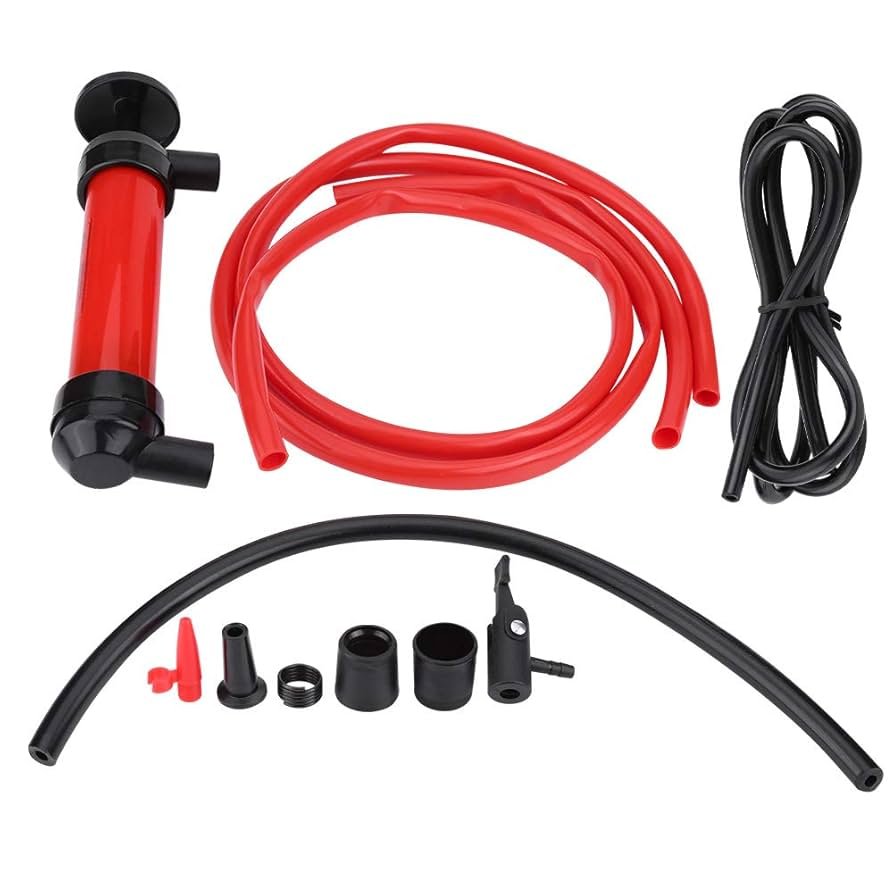
First, gather all the necessary parts. Check the manual for the exact components. Typically, a siphon pump includes a hand pump, a suction tube, and a discharge tube. Make sure you have these ready.
Securely attach the tubes to the pump. Confirm they are tightly connected. Loose connections can cause leaks. Ensure everything fits snugly.
Position The Tubes
Place the suction tube into the oil reservoir. Ensure it reaches the bottom. This allows complete oil removal.
Next, position the discharge tube in a suitable container. The container should be stable and large enough to hold all the oil. Keep it nearby to avoid spills.
Double-check the tube placements. Ensure they won’t slip or move during the process.
Draining Old Oil
Draining old oil is a crucial step in maintaining your engine’s health. Removing the used oil ensures that dirt and contaminants don’t damage your engine over time. Using a siphon pump simplifies this process, especially if you want to avoid the mess of traditional draining methods.
Insert The Pump Tube Into Oil Reservoir
Begin by locating the oil reservoir or the dipstick tube on your engine. Insert the pump tube carefully into the reservoir until it reaches the bottom. This allows the pump to access the full amount of old oil for removal.
Make sure the tube fits snugly to prevent air leaks, which can interrupt the siphoning flow. If the tube is too short, the pump won’t draw all the oil out, leaving residue behind.
Start The Siphoning Process
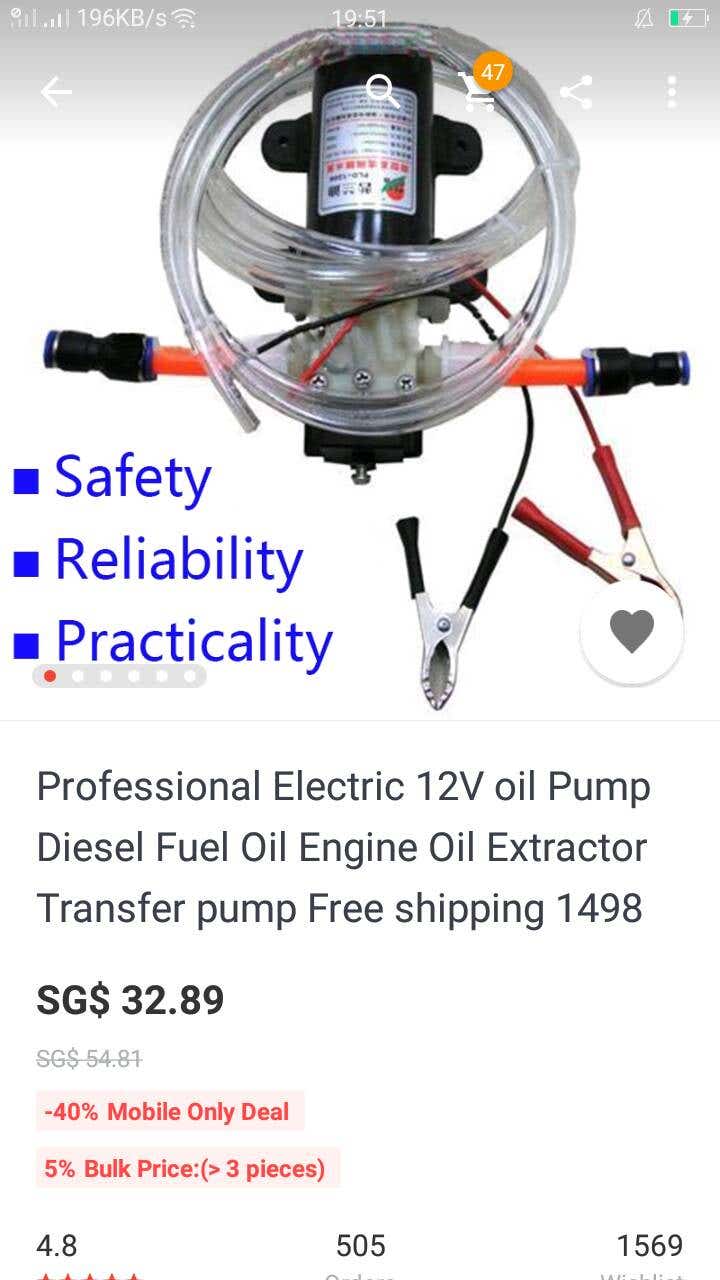
Activate the siphon pump as per its design—either by squeezing the bulb or using a manual or electric pump. You’ll notice the old oil flowing through the tube into your collection container.
Keep the container steady and positioned lower than the reservoir to maintain smooth flow. Watch closely to avoid overflows or spills, and stop siphoning once the oil flow slows significantly.
Have you ever struggled with messy oil changes? This technique keeps your hands cleaner and makes disposal easier. Plus, it’s less stressful than crawling under your car with a wrench.
Disposing Of Used Oil
Disposing of used oil properly is vital for protecting the environment. Used oil contains harmful chemicals that can damage soil and water. It must never be poured down drains, on the ground, or in the trash. Taking the right steps ensures safety and legal compliance.
Collecting Used Oil Safely
Use a clean, leak-proof container to store the oil. Choose containers with tight lids, like old oil bottles or plastic jugs. Avoid mixing oil with other fluids or debris. Label the container clearly to avoid confusion.
Finding Local Recycling Centers
Many cities offer free recycling for used oil. Auto shops, service stations, and recycling centers often accept oil. Check online or call local waste facilities for locations. Some places also take oil filters and oily rags.
Transporting Oil For Disposal
Keep the container upright and secure during transport. Place it in a sturdy box or bag to prevent spills. Avoid carrying oil in the passenger area of your vehicle. Follow any local rules for transporting hazardous materials.
Why Proper Disposal Matters
Used oil pollutes water and harms wildlife if dumped improperly. It can contaminate drinking water sources. Recycling oil saves energy by reusing valuable resources. Responsible disposal keeps communities clean and safe.
Adding New Oil
Pour fresh oil slowly into the engine through the dipstick tube. Keep an eye on the oil level using the dipstick. Stop adding oil once it reaches the full mark.
Adding new oil to your vehicle is a crucial step in the oil change process. After removing the old oil with a siphon pump, it’s essential to replenish your engine with fresh oil. This ensures optimal performance and longevity. Below, we will guide you on how to choose the right oil and pour it into your engine effectively.Choose The Right Oil Type
Selecting the correct oil is essential for engine health. Check your vehicle’s manual for the recommended oil type. It will specify the right viscosity and grade. Consider climate and driving conditions too. Cold climates often require thinner oils. Hotter climates might need thicker oils. Using the right oil improves efficiency and reduces wear.Pour Oil Into Engine
Once you’ve chosen the right oil, it’s time to add it to your engine. Locate the oil filler cap on your engine. Remove the cap carefully and set it aside. Use a clean funnel to avoid spills. Slowly pour the oil into the engine. Check the oil level with the dipstick. Ensure it’s within the recommended range. Secure the oil cap tightly after finishing. Dispose of any oil containers responsibly. This keeps your engine running smoothly and efficiently.
Credit: www.amazon.ae
Checking Oil Level
Checking the oil level is a crucial part of changing oil with a siphon pump. It ensures your engine has the right amount of oil to run smoothly without causing damage. Skipping this step or doing it incorrectly can lead to engine problems or costly repairs.
Use The Dipstick
Start by pulling out the dipstick from your engine. Wipe it clean with a cloth to remove old oil, then reinsert it fully back into the tube. Pull it out again and check the oil level against the marked indicators on the stick.
The oil should be between the “low” and “full” marks. If it’s below the low mark, you need to add more oil. If it’s near or above full, avoid adding more—too much oil can be harmful.
Avoid Overfilling
It’s tempting to add extra oil just to be safe, but overfilling can cause pressure build-up inside the engine. This might lead to leaks or damage to engine seals. Always add oil gradually and recheck the level with the dipstick after each addition.
Think about this: have you ever noticed smoke from the exhaust after adding oil? That’s often a sign of overfilling. Being cautious now can save you from unexpected headaches later.
Maintenance Tips For Siphon Pump
Proper maintenance of your siphon pump keeps it working smoothly. Regular care extends its life and ensures safe oil changes. Clean the pump after each use to avoid clogs and buildup.
Store the siphon pump in a dry place. Moisture can cause damage and reduce efficiency. Check for cracks or leaks before every use. Replace worn parts to maintain good suction.
Cleaning The Siphon Pump
Flush the pump with clean water after use. Use mild soap if oil residue is heavy. Rinse thoroughly to remove any soap. Allow the pump to dry completely before storing it.
Inspecting For Damage
- Look for cracks in the tubing and pump body.
- Check for leaks at connection points.
- Ensure valves move freely and seal properly.
- Replace damaged parts immediately to avoid spills.
Proper Storage Tips
Keep the pump in a cool, dry area. Avoid direct sunlight or extreme heat. Coil hoses loosely to prevent kinks. Store away from chemicals that could cause damage.
Lubricating Moving Parts
Apply a small amount of lubricant to pump seals. Use oil-safe lubricants only. This prevents drying and cracking of rubber parts. Repeat lubrication every few uses for best results.

Credit: www.amazon.ca
Frequently Asked Questions
What Is The Best Siphon Pump For Changing Oil?
The best siphon pump is durable, easy to use, and fits your vehicle. Choose one with strong suction and a long hose for convenience. Look for pumps made of high-quality materials to ensure safety and efficiency during oil changes.
How Do I Use A Siphon Pump To Change Oil?
Insert the siphon pump tube into the oil reservoir. Create suction by pumping or squeezing the bulb. Slowly draw out the old oil into a container. This method avoids mess and is ideal when the drain plug is hard to access.
Can I Change Oil Without Draining Plug Using A Siphon Pump?
Yes, a siphon pump allows oil removal without the drain plug. It extracts oil through the dipstick tube, making oil changes simpler. However, ensure the pump tube reaches the oil fully for effective draining.
How Often Should I Change Oil With A Siphon Pump?
Follow your vehicle manufacturer’s recommended oil change intervals. Typically, change oil every 3,000 to 7,500 miles. Using a siphon pump doesn’t affect timing but ensures clean, efficient oil removal each time.
Conclusion
Changing oil with a siphon pump saves time and effort. It keeps your engine running smoothly and lasts longer. The process is simple and safe when done carefully. Regular oil changes protect your vehicle from damage. Always follow safety steps and dispose of old oil properly.
Using a siphon pump makes this job cleaner and easier. Try it next time to keep your car in good shape. Simple tools and a bit of care go a long way.





