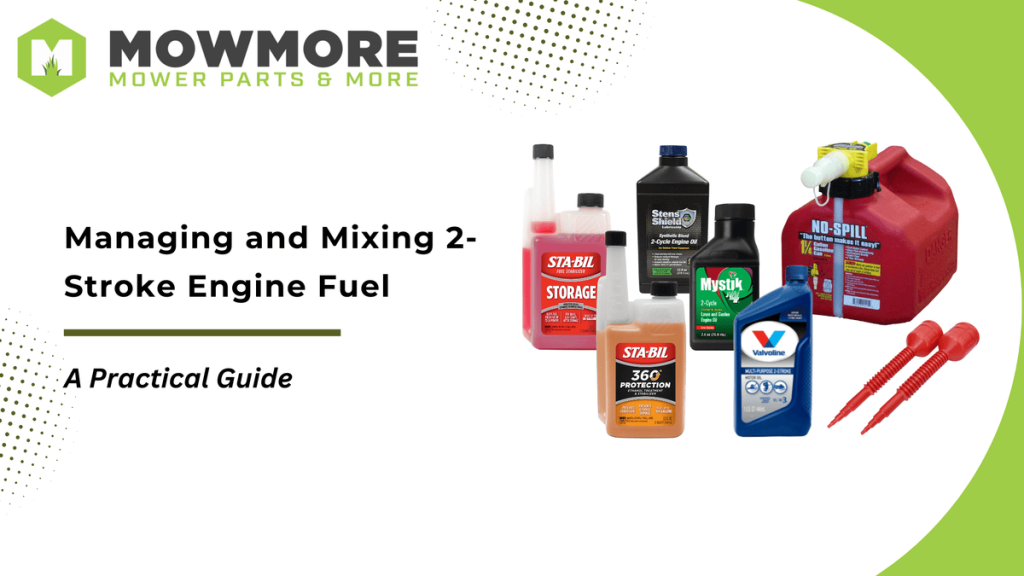
If you own a 2 stroke mower, knowing how to mix oil and fuel correctly is key to keeping it running smoothly. Using the wrong mix can damage your mower or make it stall when you need it most.
But don’t worry—this guide will walk you through the simple steps to get the perfect blend every time. By the end, you’ll feel confident and ready to power through your yard work without any hiccups. Keep reading to learn exactly what you need to do to protect your mower and make it last longer.
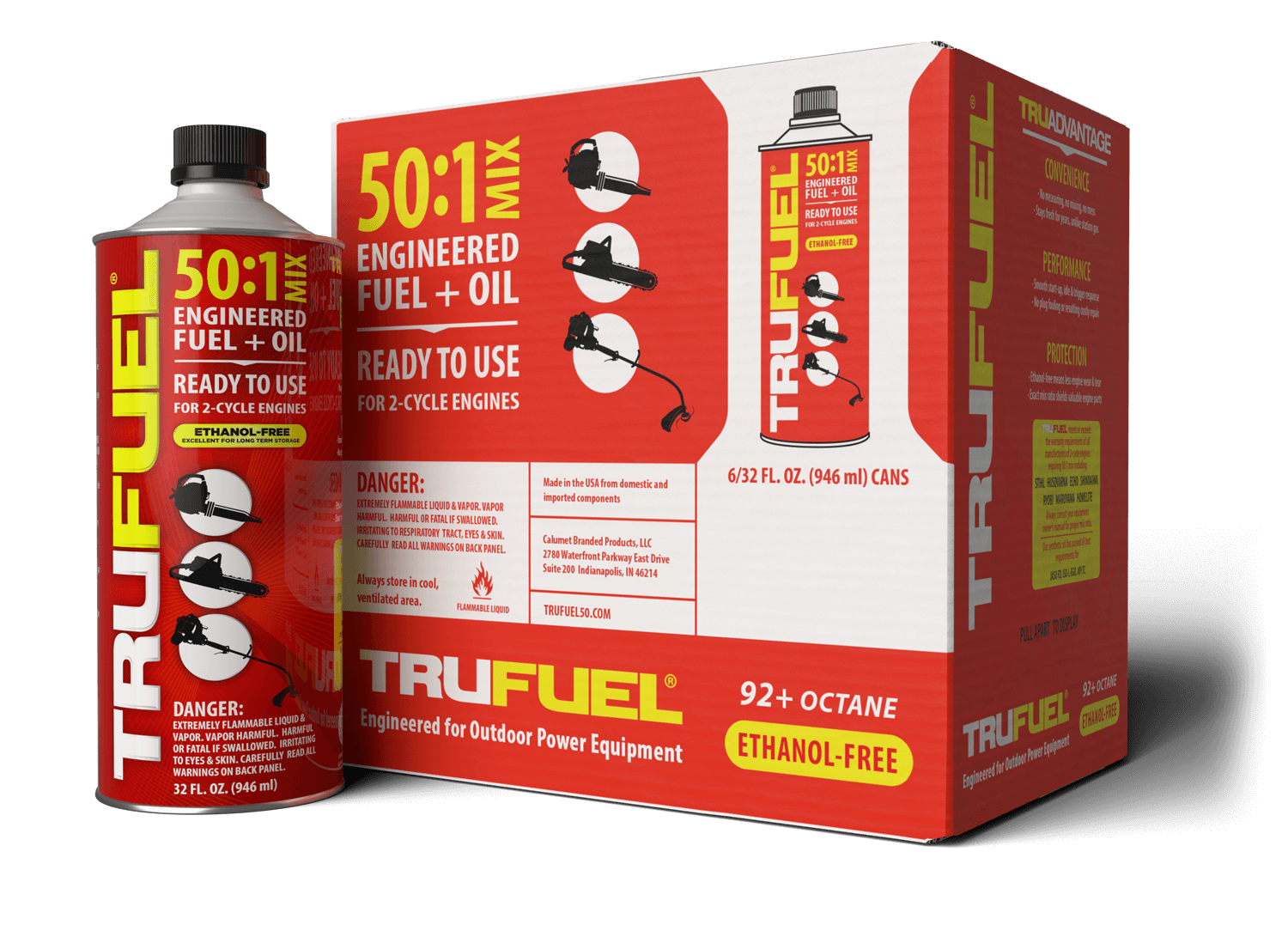
Credit: trufuel50.com
Choosing The Right Oil
Choosing the right oil for your 2-stroke mower is crucial to keep it running smoothly and avoid costly repairs. The oil you pick affects engine performance, exhaust smoke, and overall longevity. Understanding the different types and quality standards can save you time and money in the long run.
Types Of 2-stroke Oil
There are mainly two types of 2-stroke oils: mineral-based and synthetic. Mineral oils are cheaper but can create more deposits and smoke. Synthetic oils, though pricier, burn cleaner and provide better engine protection.
You might also see semi-synthetic oils, which combine both types to offer a balance of price and performance. If you want your mower to last longer, synthetic or semi-synthetic oils are worth considering. Have you noticed your mower smoking excessively? The oil type could be the reason.
Oil Quality And Specifications
Check the oil’s quality ratings before buying. Look for certifications like JASO FD or ISO-L-EGD, which indicate high-performance standards. These specs ensure the oil reduces deposits and protects against wear.
Using oil without proper specifications can cause engine knocking or poor fuel efficiency. Always match the oil quality to the manufacturer’s recommendations in your mower’s manual. Have you ever ignored this step and faced engine trouble? That’s a clear sign to pay attention.

Credit: www.mowmore.com
Selecting The Correct Fuel
Selecting the correct fuel is crucial for the smooth operation of a 2 stroke mower. Using the right type of fuel protects the engine and improves performance. The wrong fuel can cause damage and reduce the mower’s lifespan.
Always use fresh, high-quality fuel. It ensures better combustion and cleaner running. Mixing oil with the correct fuel also helps maintain engine health.
Recommended Fuel Types
- Use unleaded gasoline with an octane rating of 89 or higher.
- Avoid ethanol blends higher than 10%. Ethanol can harm the engine parts.
- For best results, choose fresh gasoline stored in a clean container.
- Do not use old or stale fuel. It causes poor engine performance.
Avoiding Contaminated Fuel
- Always store fuel in a sealed, clean container.
- Keep fuel away from dirt, water, and debris.
- Use a fuel filter or strainer if available.
- Never mix fuel with unknown liquids or chemicals.
- Check the fuel for cloudiness or strange smells before use.
Determining The Oil-to-fuel Ratio
Mixing oil and fuel correctly ensures your 2-stroke mower runs smoothly. Use a 50:1 ratio for most mowers. Always check the manual for specific ratios.
Determining the right oil-to-fuel ratio for your 2-stroke mower can be a game-changer in terms of performance and longevity. It’s not just about keeping your engine running; it’s about making sure it runs smoothly and efficiently. But how do you find the right balance?Common Ratios For 2-stroke Mowers
Most 2-stroke mowers operate well with a few standard oil-to-fuel ratios. A 50:1 ratio is quite common, meaning you would mix 2.6 ounces of oil with one gallon of gasoline. Some older models might require a 32:1 ratio, or about 4 ounces of oil per gallon of fuel. Using the correct ratio is crucial. Too much oil can lead to excessive smoke and deposits, while too little can cause engine damage. Always double-check the ratio if you’re unsure.Checking Manufacturer’s Guidelines
Your mower’s manual is your best friend when it comes to determining the correct oil-to-fuel ratio. Manufacturers usually specify the ideal mix for optimal performance. If you’ve misplaced the manual, many manufacturers offer digital copies online. Sometimes, labels on the mower itself will indicate the right ratio. If you’re still unsure, contacting customer service for your mower brand can be a helpful step. Have you ever considered how a simple check could save you costly repairs down the road?Tools Needed For Mixing
Mixing oil and fuel for your 2-stroke mower requires more than just eyeballing the amounts. Using the right tools ensures accuracy and safety, which can save your engine from damage and extend its lifespan. Before you start, gather the essential items that will help you mix the fuel properly and protect yourself during the process.
Measuring Containers
Precision is key when mixing oil and fuel. A measuring container with clear markings lets you add the exact amount of oil needed, avoiding too much or too little. Look for containers made of durable plastic or glass that won’t react with the fuel.
I once used a cup without clear measurements and ended up ruining the mixture. Since then, I always use a small graduated jug for precise measuring. It’s a simple tool but makes a big difference.
Mixing Containers
You’ll need a separate container to mix the oil and fuel thoroughly. A funnel can help pour the liquids without spilling, keeping your workspace clean. Choose a container that seals well to avoid fuel evaporation and spills during storage or transport.
Think about how often you mix fuel. If you do it frequently, a container with a built-in spout saves time and mess. It also helps when pouring the final mixture into your mower’s tank.
Safety Gear
Handling fuel and oil exposes you to harmful fumes and spills. Wearing gloves protects your skin from irritation and keeps things hygienic. Safety glasses are a smart addition—they shield your eyes from accidental splashes.
Have you noticed how easy it is to overlook safety when you’re in a hurry? Taking a minute to put on protective gear can prevent injuries and keep your mixing experience worry-free.
Step-by-step Mixing Process
Mixing oil and fuel for a 2-stroke mower requires careful attention. The right mix keeps the engine running smoothly and prevents damage. Follow these simple steps to prepare the fuel correctly.
Measuring The Fuel
Start with clean, fresh gasoline. Use a clean container designed for fuel. Measure the amount of fuel needed for your mower’s tank capacity. Check the mower’s manual for the exact fuel volume.
Use a measuring cup or a marked container. Pour the fuel slowly to avoid spills. Accurate measurement ensures the right oil-to-fuel ratio.
Adding The Oil
Choose the correct 2-stroke engine oil. The manual will specify the right type and ratio, usually 50:1 or 40:1. Measure the oil carefully with a measuring cup or syringe.
Add the oil directly into the fuel container. Pour slowly to avoid splashing. Use a funnel for precision and to keep the area clean.
Mixing Thoroughly
Seal the fuel container tightly. Shake it well for at least 30 seconds. This mixes the oil and fuel evenly.
Check the mixture before pouring it into the mower. A well-mixed fuel looks uniform without separation. Proper mixing protects the engine and improves performance.

Credit: www.youtube.com
Storing Mixed Fuel
Storing mixed fuel for your 2-stroke mower requires care to keep it fresh and safe to use. Improper storage can cause the fuel to degrade, leading to poor engine performance or damage. Let’s look at how to store your fuel correctly so your mower runs smoothly every time you need it.
Proper Containers
Always use containers specifically designed for fuel storage. These containers are made from materials that resist chemical breakdown and prevent leaks. Avoid using old soda bottles or random jars—they aren’t safe and can cause fuel contamination.
Look for containers with tight-sealing caps to stop air from getting in. Air exposure speeds up fuel deterioration and can cause the oil and fuel mix to separate. If possible, choose containers labeled for 2-stroke fuel mix or gasoline storage.
Storage Duration And Conditions
Mixed fuel doesn’t last forever. Even in the best containers, it’s best to use it within 30 days for optimal performance. After that, the oil and fuel start to separate, and the fuel can lose its combustibility.
Store your mixed fuel in a cool, dry place away from direct sunlight. Heat speeds up chemical reactions that degrade the fuel, and moisture can cause rust or corrosion inside the container. Do you have a well-ventilated shed or garage? That’s usually the best spot.
One time, I stored mixed fuel in an unventilated space and came back to find it smelled sour and looked cloudy. It didn’t run well in my mower afterward, so I had to mix a fresh batch. That experience taught me the value of proper storage conditions firsthand.
Common Mistakes To Avoid
Mixing oil and fuel for your 2-stroke mower might seem straightforward, but small mistakes can lead to engine problems or reduced performance. Avoiding common pitfalls ensures your mower runs smoothly and lasts longer. Let’s look at the errors you should watch out for.
Incorrect Ratios
Using the wrong oil-to-fuel ratio is one of the biggest mistakes. Too much oil can cause excess smoke and carbon buildup, while too little oil risks severe engine damage due to poor lubrication.
Check your mower’s manual for the exact ratio. Many require a 50:1 or 40:1 mix, but don’t assume all models are the same. Have you ever guessed the ratio and ended up with a smoky mess or a stalling engine? Precision matters.
Using Old Or Contaminated Oil
Oil doesn’t last forever, and neither does fuel. Using old or contaminated oil can clog your engine or reduce its efficiency. If your oil smells rancid or looks dirty, don’t risk it—replace it with fresh oil.
Similarly, avoid mixing fuel that’s been sitting for months. Stale fuel can cause starting issues and uneven running. Do you keep your oil and fuel stored properly, or has neglect caused you headaches before?
Poor Mixing Practices
Simply pouring oil and fuel together without mixing properly is a common oversight. If they don’t blend evenly, some parts of the engine receive too little oil, increasing wear.
Always mix the oil and fuel in a separate container before filling your mower. Shake or stir well to create a uniform mixture. Have you ever experienced engine sputtering that was fixed just by mixing the fuel properly? It’s that simple.
Tips For Maintaining Your 2-stroke Mower
Maintaining your 2-stroke mower keeps it running smoothly and extends its life. Simple care steps protect the engine and improve performance. Regular attention avoids costly repairs and downtime.
Regular Cleaning
Clean the mower after each use. Remove grass clippings and dirt from the deck and blades. Wipe the engine area to prevent buildup. Use a brush or cloth for hard-to-reach spots. Avoid water spraying directly on the engine.
Proper Storage
Store your mower in a dry place. Keep it away from rain and moisture. Drain the fuel or use a fuel stabilizer if storing for months. Cover the mower to block dust and pests. Store on a flat surface to avoid fuel leaks.
Routine Maintenance Checks
Check the spark plug for wear and clean it regularly. Inspect the air filter and replace it if dirty. Tighten loose bolts and screws. Lubricate moving parts to reduce friction. Check the fuel mixture and refill with fresh oil and fuel.
Frequently Asked Questions
What Is The Correct Oil-to-fuel Ratio For 2 Stroke Mowers?
The ideal oil-to-fuel ratio for most 2 stroke mowers is 50:1. This means 50 parts fuel to 1 part oil. Always check your mower’s manual for the exact ratio to ensure optimal performance and avoid engine damage.
Can I Use Regular Gasoline For 2 Stroke Mower Fuel Mix?
Yes, you can use regular unleaded gasoline with an octane rating of 87 or higher. Avoid using ethanol blends above 10% as they can harm the engine. Use fresh fuel mixed with the correct oil ratio for best results.
Why Do I Need To Mix Oil With Fuel In 2 Stroke Mowers?
2 stroke engines lack a separate lubrication system. Mixing oil with fuel lubricates internal parts and prevents wear. Proper mixing ensures smooth engine operation and extends the mower’s lifespan.
How Do I Mix Oil And Fuel Safely For My Mower?
Always mix fuel and oil in a clean, approved container. Measure the correct ratio precisely. Stir or shake the container gently to blend. Store mixed fuel in a cool, dry place away from direct sunlight.
Conclusion
Mixing oil and fuel correctly keeps your 2-stroke mower running well. Use the right ratio to protect the engine. Always measure carefully to avoid damage. Fresh mix means better power and longer machine life. Store the mixture safely and shake well before use.
Following these steps saves time and money on repairs. Simple care helps your mower work strong every time. Keep your mower ready for any lawn task ahead.





