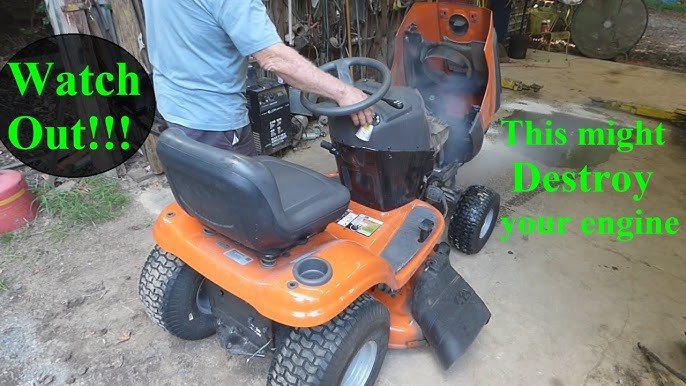
Is your mower refusing to start because there’s no spark? It’s frustrating when your trusty tool won’t fire up just when you need it most.
But don’t worry—you can fix this. Understanding why your mower has no spark and how to solve the problem can save you time, money, and a trip to the repair shop. In this guide, you’ll find simple steps to diagnose and fix the spark issue quickly, even if you’re not a mechanic.
Keep reading, and get your mower back to work today.

Credit: www.youtube.com
Common Causes Of No Spark
When a mower has no spark, it cannot start or run properly. This problem often stems from a few common causes. Identifying these causes can help fix the issue faster. Understanding the root can save time and money.
Ignition Coil Issues
The ignition coil creates the spark needed to start the engine. A damaged or worn coil will fail to produce spark. Signs include weak or no spark at the plug. Testing the coil with a multimeter helps find faults. Replacing a bad coil restores proper spark function.
Faulty Spark Plug
Spark plugs deliver the spark inside the engine cylinder. Over time, plugs get dirty or worn out. This reduces spark strength or stops it completely. Check the spark plug for cracks, carbon build-up, or damage. Cleaning or replacing the plug often fixes the no spark problem.
Wiring And Connections
Loose or broken wires can disrupt the spark flow. Check all wiring between the ignition coil and spark plug. Look for corrosion, cuts, or disconnections. Tighten loose connections and replace damaged wires. Proper wiring ensures the spark reaches the engine.
Safety Switch Problems
Mowers have safety switches to prevent accidents. Faulty or misaligned switches can block the spark. Common switches include blade engagement and brake switches. Test switches for continuity using a multimeter. Adjust or replace faulty switches to restore spark and safe operation.

Credit: www.youtube.com
Tools Needed For Spark Testing
Testing the spark on a mower requires a few simple tools. These tools help you find out if the spark plug or ignition system has a problem. Having the right tools makes the job easier and faster.
Each tool serves a specific purpose in the spark testing process. Knowing how to use them will help you fix the mower quickly. Here are the main tools needed for spark testing.
Spark Tester
A spark tester is a small device that checks if the spark plug produces a spark. It connects between the spark plug and ignition wire. When the engine turns over, you can see a spark inside the tester. This tool is safe and simple to use. It shows clearly if the spark plug fires or not.
Multimeter
A multimeter measures electrical values like voltage and resistance. It helps test the ignition coil and spark plug wires. You can check if these parts carry electricity properly. Using a multimeter ensures the mower’s electrical system works well. It is an important tool for detailed troubleshooting.
Basic Hand Tools
Basic hand tools include a wrench, screwdriver, and pliers. You need these to remove the spark plug and access other parts. A wrench fits the spark plug for easy removal. Screwdrivers and pliers help disconnect wires safely. These tools are essential for opening and handling mower components.
Checking The Spark Plug
Checking the spark plug is a key step in fixing a mower with no spark. The spark plug creates the spark needed to ignite the fuel and start the engine. If the spark plug is dirty, damaged, or worn, the mower will not run properly. Careful inspection and maintenance of the spark plug can often restore the mower’s function.
Removing And Inspecting The Plug
Begin by removing the spark plug wire from the plug. Use a spark plug socket wrench to unscrew and pull out the plug. Check the plug for signs of wear, such as:
- Black soot or carbon buildup
- Oil or fuel deposits
- Cracked or chipped ceramic
- Worn or rounded electrodes
Any of these issues can stop the spark from forming. Take a close look before deciding on cleaning or replacement.
Cleaning Or Replacing The Plug
Light carbon buildup can be cleaned off with a wire brush or spark plug cleaner. Avoid using sandpaper, which can damage the electrodes. After cleaning, wipe the plug with a clean cloth.
If the plug shows heavy deposits, cracks, or electrode wear, replace it with a new one. Use the exact type and size recommended in the mower’s manual. A fresh plug improves spark quality and engine performance.
Gap Adjustment
The spark plug gap is the distance between the center and ground electrodes. This gap affects the spark size and strength. Use a spark plug gap tool to measure the gap. Check the mower manual for the correct gap size.
Adjust the gap by gently bending the ground electrode. Too small or too large a gap reduces spark efficiency. Proper gap adjustment ensures strong ignition and smoother engine running.

Credit: www.reddit.com
Testing The Ignition Coil
Testing the ignition coil helps find out if it causes no spark in your mower. Use a multimeter to check for proper resistance and continuity. Replace the coil if readings fall outside the normal range to restore spark and engine function.
If your lawn mower refuses to start, and you’ve ruled out fuel issues, it’s time to test the ignition coil. This component is crucial for generating the spark needed to ignite the fuel-air mixture in the engine. By testing the ignition coil, you can determine if it’s the culprit behind your mower’s no-spark condition. Let’s dive into this process step-by-step.Locating The Coil
First, locate the ignition coil on your mower. Generally, it is situated near the engine and connected to the spark plug via the spark plug wire. You might need to remove the engine cover or shroud to access it. Don’t worry, it’s a straightforward task. Once you’ve found it, disconnect the spark plug wire to safely proceed with testing.Using A Multimeter For Resistance Test
A multimeter is your best friend when it comes to testing electrical components. Set your multimeter to measure resistance (ohms). Place one probe on the metal terminal where the spark plug wire was attached, and the other probe on the grounding point or the metal core of the coil. Make sure your connections are solid for accurate readings.Interpreting Test Results
Now, let’s make sense of those multimeter readings. Typical resistance values for ignition coils vary, but a reading significantly lower or higher than the manufacturer’s specifications indicates a faulty coil. Check your mower’s manual for specific resistance values. If the coil shows no resistance (infinite reading), it’s definitely time for a replacement. Testing the ignition coil can save you time and hassle. Wouldn’t you prefer to know what’s wrong rather than just guessing? Engage with your tools, trust the process, and you’ll have your mower back in action in no time.Inspecting Wiring And Connections
Inspecting wiring and connections is key to fixing a mower with no spark. Faulty wiring can stop the spark from reaching the engine. Wires may get loose, break, or corrode over time. Checking these parts helps find hidden problems. A careful inspection often reveals simple fixes that restore power quickly.
Checking For Loose Or Damaged Wires
Look closely at all wires connected to the ignition system. Wiggle each wire gently to spot loose ends. Broken or frayed wires block the spark. Focus on wires near the spark plug and ignition coil. Replace any wire that shows signs of damage or weakness. Tighten connectors to ensure a firm fit.
Cleaning Connectors
Dirty or corroded connectors stop electricity flow. Remove connectors carefully and examine them. Use a wire brush or sandpaper to clean corrosion. Wipe away dirt with a dry cloth. Make sure connectors are dry before reattaching. Clean connectors improve electrical contact and spark delivery.
Repairing Or Replacing Damaged Parts
Damaged wiring parts need repair or replacement. Use electrical tape for minor wire damage. Replace wires that are badly worn or broken. Check connectors and terminals for cracks or rust. Swap out any parts that look worn out. Using quality replacement parts ensures a reliable spark.
Examining Safety Switches
Examining safety switches is essential when fixing a mower with no spark. These switches stop the engine from starting under unsafe conditions. A faulty safety switch can prevent the spark needed to ignite the fuel. Checking these switches ensures the mower’s safety features work correctly and helps identify the spark problem quickly.
Common Safety Switch Locations
- Handlebar or lever control switch
- Blade engagement or PTO switch
- Seat switch on riding mowers
- Neutral or clutch switch
These switches are usually near the controls or engine. They connect to the ignition system to stop the spark if unsafe conditions exist.
Testing Switch Functionality
Use a multimeter to check each switch. Set the meter to measure continuity. Press or move the switch to its “on” position. The meter should show a closed circuit. If it shows no continuity, the switch might be broken or dirty.
Inspect wiring for corrosion or loose connections. Clean switch contacts gently with sandpaper or contact cleaner. Recheck the switch after cleaning.
Bypassing Switches Safely For Testing
Bypass a switch only to test if it causes the no spark issue. Disconnect the switch wires. Connect them with a jumper wire or metal strip. This completes the circuit without the switch.
Try starting the mower. If it sparks, the switch is likely faulty. Remove the jumper and repair or replace the switch. Never run the mower with safety switches bypassed. They protect you from injury.
Additional Tips To Restore Spark
Restoring spark to your mower can be simple with the right approach. Beyond basic checks, some extra steps help bring the spark back to life. These tips focus on key parts that affect ignition and keep your mower running smoothly.
Cleaning The Flywheel Magnet
The flywheel magnet plays a big role in creating spark. Dirt and rust can stop it from working well. Use a clean cloth or fine sandpaper to gently clean the magnet’s surface. Remove any debris or corrosion. A clean magnet helps the ignition coil generate a strong spark every time.
Replacing The Ignition Module
The ignition module controls the spark’s timing and strength. Over time, it can wear out or break. If cleaning does not fix the spark, consider changing the ignition module. Match the replacement part with your mower’s model. Installing a new module often restores spark and improves mower performance.
Regular Maintenance Practices
- Check spark plug condition and replace if dirty or worn.
- Keep the air filter clean for proper engine function.
- Inspect the ignition coil and connections regularly.
- Store the mower in a dry place to avoid rust and corrosion.
- Run the mower periodically to keep parts active and prevent buildup.
Consistent maintenance reduces spark problems and extends mower life. Small steps prevent big issues later.
Frequently Asked Questions
Why Does My Mower Have No Spark?
A mower may have no spark due to a faulty ignition coil, bad spark plug, or dirty connections. Check these parts to diagnose the issue quickly and ensure proper engine function.
How Do I Test The Spark Plug On My Mower?
Remove the spark plug, clean it, and reconnect the wire. Hold the plug against the engine and pull the starter cord to see if it sparks.
Can A Dirty Air Filter Cause No Spark?
No, a dirty air filter affects airflow but does not cause spark issues. Focus on ignition components for spark-related problems.
How Do I Fix A Faulty Ignition Coil?
Test the coil with a multimeter for continuity. Replace it if readings are off to restore proper spark generation.
Conclusion
Fixing a mower with no spark takes patience and simple steps. Check the spark plug, ignition coil, and wiring carefully. Clean or replace parts if needed. Test the connections to ensure power flows well. Regular mower care helps avoid spark problems later.
Follow these tips to get your mower running again quickly. Don’t let a no-spark issue stop your yard work. Keep your mower ready for the next cut. Simple checks save time and money. Easy to do, even without much experience.





