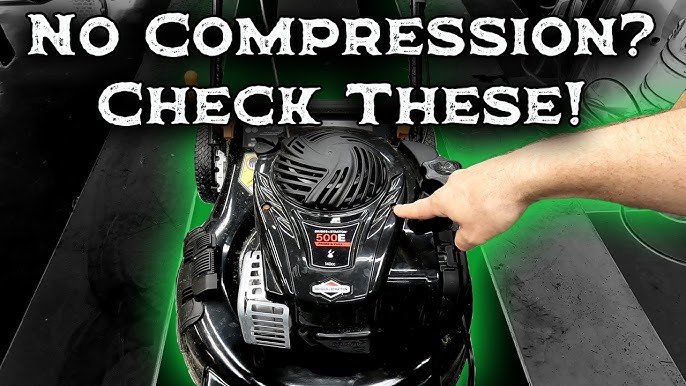
Have you noticed your mower struggling to start or losing power suddenly? Low engine compression could be the hidden culprit behind these frustrating problems.
Understanding what causes mower engine low compression is key to fixing the issue and keeping your mower running smoothly. You’ll discover the common reasons why compression drops and how you can spot them early. Keep reading to learn how to protect your mower and save time and money on repairs.
Symptoms Of Low Compression
Low compression in your mower engine can cause several noticeable problems that affect its performance. Recognizing these symptoms early can save you time and money by addressing the issue before it worsens. Here are some common signs that your mower might be suffering from low compression.
Hard Starting
If your mower struggles to start or requires multiple pulls to get going, low compression could be the culprit. The engine needs adequate compression to ignite the fuel-air mixture properly. Without it, the spark won’t create enough force to start the engine smoothly.
Have you ever noticed your mower acting sluggish right from the start? This difficulty often hints at compression loss inside the cylinder.
Loss Of Power
Does your mower feel weaker during operation? Low compression reduces the engine’s ability to generate power, especially when cutting thick grass or climbing hills. You might find yourself having to slow down or make multiple passes to finish a task that used to be quick.
Pay attention if your mower suddenly can’t keep up with your usual workload—this drop in power is a strong sign compression is low.
Excessive Smoke
Seeing more smoke than usual coming from your mower’s exhaust can indicate low compression. When the piston rings or cylinder walls are worn, oil can leak into the combustion chamber and burn with the fuel. This results in blue or gray smoke, signaling that compression is compromised.
Have you noticed smoke that looks different or thicker than normal? It’s a warning sign that shouldn’t be ignored.
Unusual Engine Noise
Strange sounds such as knocking, rattling, or tapping while the engine runs may point to low compression problems. These noises often arise from worn piston rings, valves, or cylinder damage. They indicate that the engine’s internal components aren’t sealing properly.
Listen closely to your mower’s engine—odd noises can tell you a lot about its health before a complete failure occurs.
Credit: carfromjapan.com
Worn Piston Rings
Piston rings play a crucial role in maintaining engine compression. Over time, these rings can wear out due to constant friction and heat. Worn piston rings are a common cause of low compression in mower engines. This section explains their function, signs of wear, and how they affect compression.
Role Of Piston Rings
Piston rings seal the gap between the piston and cylinder wall. They keep the combustion gases inside the cylinder during engine operation. They also help control oil consumption by scraping excess oil from the cylinder walls. Proper sealing by piston rings ensures efficient engine performance.
Signs Of Wear
- Difficulty starting the mower engine
- Loss of power during operation
- Excessive smoke from the exhaust
- Increased oil consumption
- Uneven engine running or misfires
These signs suggest the piston rings may no longer seal the cylinder properly.
Impact On Compression
Worn piston rings allow combustion gases to escape. This reduces the pressure inside the cylinder. Low pressure means lower compression, which leads to poor engine performance. The mower engine may run rough or stall frequently. Repairing or replacing piston rings restores proper compression and engine power.
Damaged Cylinder Walls
Damaged cylinder walls cause poor sealing, lowering engine compression in mowers. Scratches or wear let air escape, reducing power. This often leads to hard starts and weak performance.
Damaged cylinder walls can lead to mower engine low compression. These walls are crucial for maintaining engine power. They ensure the piston moves smoothly within the engine block. When these walls are compromised, engine performance suffers. Understanding the causes and effects of cylinder wall damage is essential.Causes Of Cylinder Damage
Several factors can damage cylinder walls in a mower engine. Dirt and debris entering the engine can scratch the walls. This creates grooves, leading to compression loss. Overheating is another cause. It can warp the walls, affecting their integrity. Poor lubrication also results in damage. Without proper oil, friction increases, wearing down the walls.Effects On Engine Performance
Damaged cylinder walls impact engine performance significantly. The engine may struggle to start or run. It might consume more fuel than usual. Power output decreases, affecting mower efficiency. You might notice unusual noises from the engine. These are all signs of low compression due to cylinder damage. Regular maintenance can prevent these issues.Leaking Valves
Leaking valves are a common cause of low compression in mower engines. When valves fail to seal properly, the engine loses the tight compression needed for efficient combustion. This problem can quietly reduce your mower’s power and make it harder to start, often leading to frustration if you don’t know what to look for.
Valve Function In Compression
Valves control the flow of air and fuel into the engine and allow exhaust gases to exit. During compression, the valves must close completely to create a sealed chamber. This tight seal ensures the air-fuel mixture is compressed properly, which is essential for the engine to run smoothly.
If a valve doesn’t close fully, the compression pressure drops. This means less power is generated during combustion, and your mower may stall or struggle to start. Understanding how valves work helps you see why a small leak can cause big problems.
How Leaks Occur
Valves can leak due to several reasons:
- Valve seat wear:Continuous contact between the valve and its seat can wear down the surface, causing gaps.
- Burnt valves:Overheating can damage the valve edges, preventing a tight seal.
- Dirt and debris:Small particles can get stuck between the valve and seat, blocking a full closure.
Think about the last time you noticed your mower running rough after mowing in dusty conditions. That dirt might have settled on the valves, leading to leaks. Regular cleaning and inspection can prevent these issues.
Detecting Valve Leaks
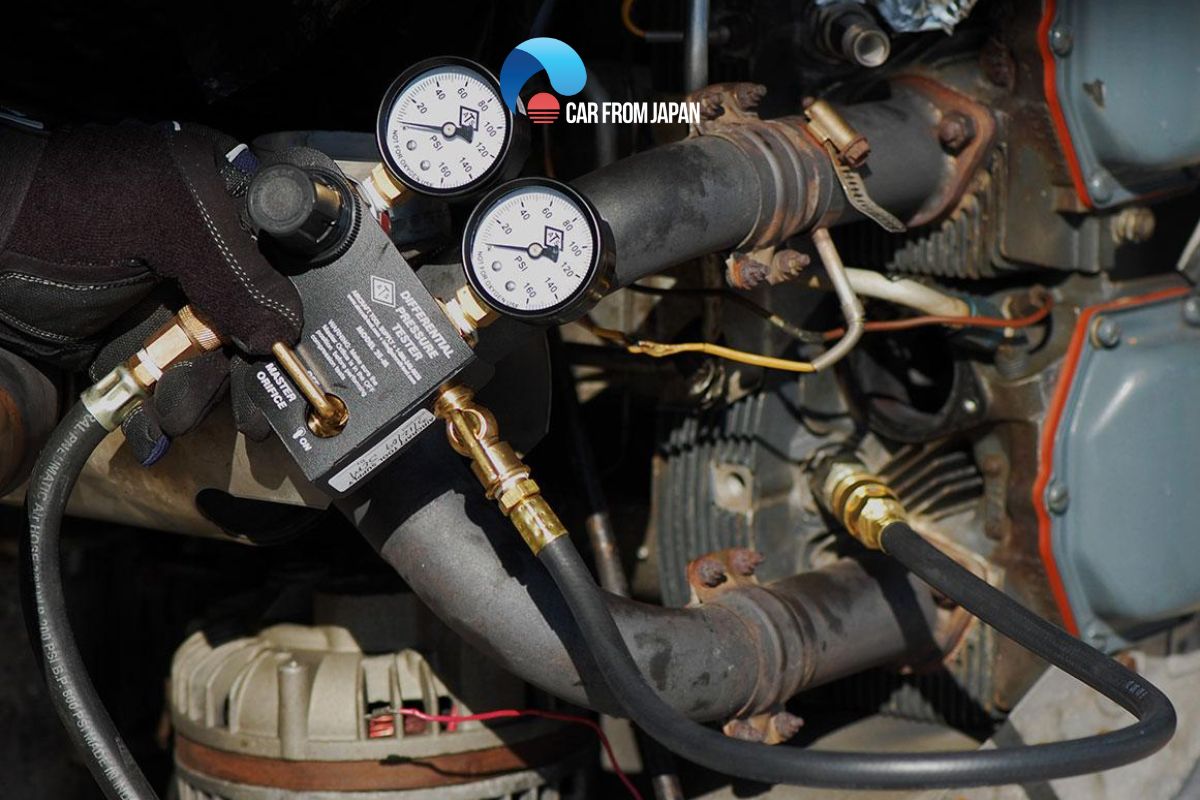
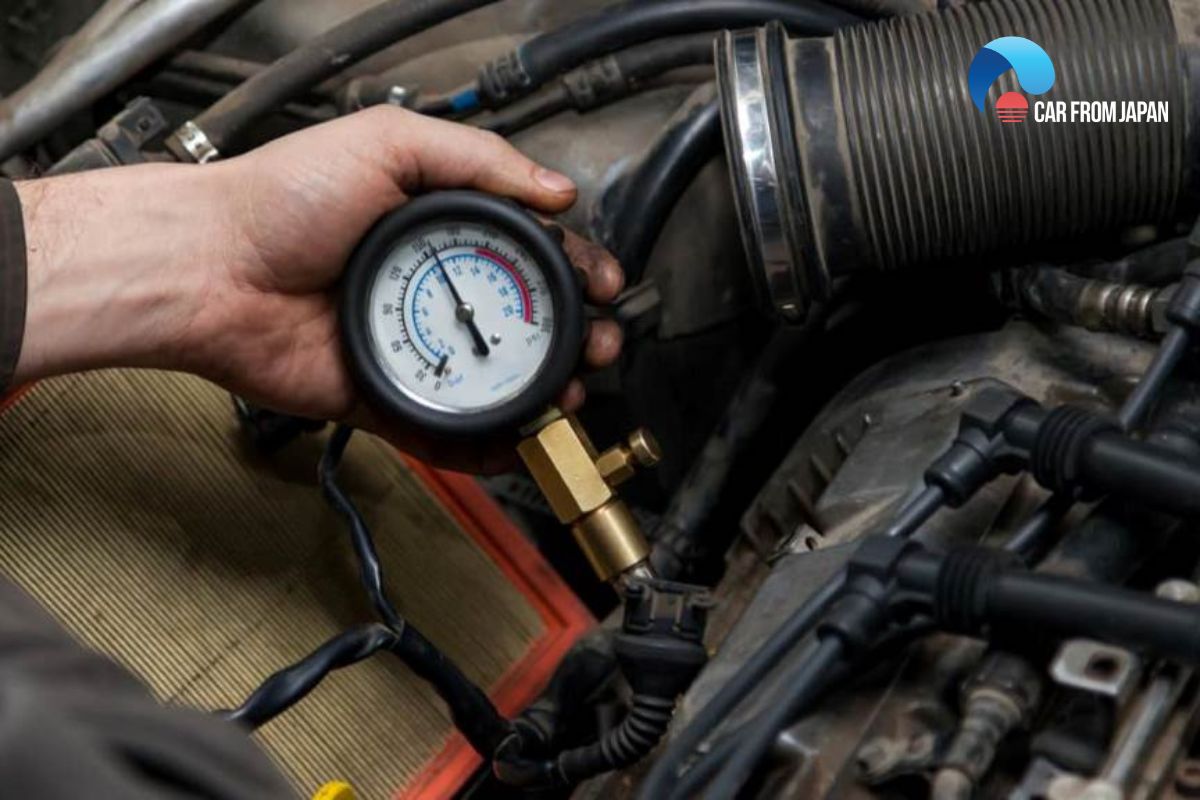
You can detect valve leaks without expensive tools by performing a simple compression test. Attach a compression gauge to the spark plug hole and crank the engine. Low readings can indicate valve leaks among other problems.
Another way is the “wet test”: add a few drops of oil into the cylinder and retest compression. If the pressure improves, it points to worn valves or rings. This test helps you decide if valve repair or replacement is necessary.
Have you ever listened closely to your engine? A tapping or hissing sound during operation can also hint at valve leaks. Paying attention to these signs saves you time and money on repairs.
Blown Head Gasket
A blown head gasket is a common cause of low compression in mower engines. It happens when the gasket between the engine block and cylinder head fails. This failure allows air, fuel, or coolant to leak, which reduces engine performance. Understanding the role of the head gasket helps spot the problem early and fix it before it worsens.
Head Gasket Purpose
The head gasket seals the engine block and cylinder head. It keeps combustion gases inside the cylinder. It also stops coolant and oil from mixing. This seal ensures the engine runs smoothly and efficiently. Without a good gasket, the engine loses power and can overheat.
Symptoms Of A Blown Gasket
- Engine overheating frequently
- White smoke from the exhaust
- Coolant leaking or mixing with oil
- Loss of engine power and rough running
- Milky or frothy oil appearance
These signs often indicate a blown head gasket. Early detection can prevent costly repairs.
Compression Loss Mechanism
A blown head gasket lets combustion gases escape the cylinder. This escape lowers the pressure inside the cylinder. Lower pressure means less power for the engine to run. Coolant or oil leaks also affect compression indirectly. They cause overheating or lubrication issues that damage engine parts. This damage further reduces compression and engine performance.

Credit: www.reddit.com
Improper Valve Timing
Improper valve timing can cause low compression in a mower engine. It affects how the engine breathes and works. The valves open and close to let air in and out at the right time. If this timing is off, the engine loses power and efficiency. Understanding valve timing helps spot and fix these issues.
Valve Timing Basics
Valve timing means the exact moment valves open and close. Intake valves let air-fuel mix into the cylinder. Exhaust valves release burned gases. Both must work in sync with the piston movement. The camshaft controls valve timing by turning at half the crankshaft speed. Proper valve timing ensures smooth engine operation and good compression.
Consequences Of Timing Issues
Wrong valve timing can cause several problems:
- Valves open too early or too late.
- Air-fuel mixture leaks from the cylinder.
- Exhaust gases stay inside the cylinder.
- Reduced pressure during compression stroke.
- Engine runs rough or stalls.
- Lower power and fuel efficiency.
These issues reduce the mower engine’s performance. Checking and correcting valve timing is crucial for strong compression.
Damaged Spark Plug Or Spark Plug Hole
A damaged spark plug or spark plug hole can cause low compression in a mower engine. These parts are essential for engine performance. Damage can allow air or fuel to escape, lowering compression. Identifying problems in these areas helps maintain engine power and efficiency.
Spark Plug Role
The spark plug ignites the fuel-air mix inside the engine. It creates a spark at the right moment. This spark starts the combustion process. Proper combustion is necessary for strong engine compression. The spark plug must seal tightly in the hole. This prevents pressure loss during the engine cycle.
Impact Of Damage On Compression
- A cracked or fouled spark plug can misfire or fail to ignite.
- A damaged spark plug hole can cause air leaks.
- Leaks reduce pressure in the combustion chamber.
- Low pressure means weak engine power and poor starts.
- Damaged threads in the hole prevent a proper seal.
- Loose spark plugs increase the chance of compression loss.
Maintaining spark plug and hole condition is vital. Regular inspection and replacement help keep compression strong.
Maintenance Tips To Prevent Low Compression
Keeping your mower engine in top shape means preventing low compression before it becomes a problem. Low compression can make your mower struggle, waste fuel, or even fail to start. The good news? Simple maintenance steps can keep your engine running smoothly and powerfully.
Regular Inspection
Check your mower engine regularly for signs of wear or damage. Look closely at the spark plug, air filter, and cylinder head for any buildup or cracks. Small issues caught early can save you from costly repairs later.
Have you ever noticed your mower running rough? That could be a sign you need to inspect the engine. Consistent checks help you spot problems like worn piston rings or valve leaks that lower compression.
Timely Replacement Of Parts
Parts like spark plugs, air filters, and piston rings don’t last forever. Replacing them at the right time keeps your engine sealed and efficient. Waiting too long often leads to decreased compression and poor engine performance.
For example, changing your air filter every season can prevent dirt from damaging the cylinder walls. Similarly, replacing worn piston rings can restore the tight seal your engine needs. Do you keep track of your mower’s part lifespan?
Proper Engine Operation
How you run your mower affects engine health. Avoid overloading the engine or running it at too low or too high speeds for long periods. This helps maintain proper compression and reduces wear.
Using the right fuel mix and letting the engine warm up before heavy use also protect compression. Think about your mower’s workload—are you pushing it too hard without breaks? Proper handling can extend your engine’s life significantly.
Credit: carfromjapan.com
Frequently Asked Questions
What Are Common Causes Of Mower Engine Low Compression?
Low compression often results from worn piston rings, damaged cylinder walls, or leaking valves. These issues reduce the engine’s ability to compress air-fuel mixture, leading to poor performance and starting problems.
How Does Low Compression Affect Mower Engine Performance?
Low compression causes weak power output, difficulty starting, and rough running. The engine struggles to generate enough force for efficient cutting, reducing mower effectiveness and fuel efficiency.
Can Low Compression Be Fixed Without Engine Replacement?
Yes, low compression can often be fixed by replacing worn parts like piston rings or valves. Reboring the cylinder or valve adjustments may also restore compression without needing a full engine replacement.
How To Test Mower Engine Compression Accurately?
Use a compression gauge by removing the spark plug, inserting the gauge, and pulling the starter cord. Compare the reading to the manufacturer’s recommended compression value for accurate diagnosis.
Conclusion
Low compression in a mower engine causes poor performance and hard starting. Worn piston rings, damaged valves, and cylinder wear are common reasons. Dirt and debris can also reduce compression. Regular maintenance helps prevent these issues. Checking compression early saves time and money.
Fix small problems before they become big. Keep your mower running strong all season. Simple care makes a big difference.





