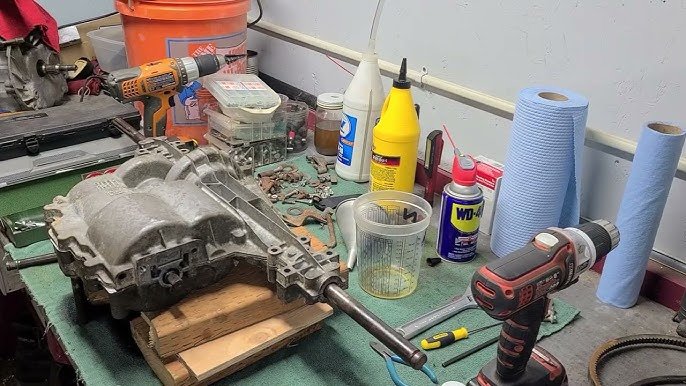
Is your mower struggling to move like it used to? A worn-out transmission might be the culprit, but don’t worry—you can fix it yourself.
Learning how to rebuild your mower transmission can save you money and give your machine a new lease on life. In this guide, you’ll find simple steps and clear tips to make the process easy, even if you’ve never done it before.
Keep reading to discover how you can get your mower running smoothly again, without calling a costly repair service.
Tools And Materials Needed
Rebuilding a mower transmission needs the right tools and materials. Having these ready makes the job easier and faster. Using proper tools helps avoid damage and ensures quality work.
Gather all necessary items before starting. It saves time and prevents interruptions. A clean workspace also helps keep parts organized and safe.
Essential Hand Tools
- Socket wrench set with various sizes
- Screwdrivers (flathead and Phillips)
- Pliers (needle-nose and standard)
- Hammer or mallet
- Adjustable wrench
- Torque wrench for precise tightening
Replacement Parts
- New transmission gears
- Seals and gaskets
- Bearings
- Drive belts or chains
- Lubricants and grease
Cleaning And Safety Supplies
- Cleaning solvent or degreaser
- Rags or shop towels
- Gloves to protect your hands
- Safety goggles
- Container for small parts
Credit: www.searspartsdirect.com
Preparing The Mower For Repair
Preparing the mower for transmission repair is vital for a smooth process. Taking time to get the mower ready protects you and the machine. It also makes the repair easier and faster.
Start by creating a clean, well-lit workspace. Gather all tools and materials before starting. Keep the mower stable to avoid any accidents during the repair.
Safety Precautions
Safety is the top priority. Always wear gloves and eye protection. Make sure the mower is off and the key is removed. Disconnect the spark plug to prevent accidental starts.
Wear sturdy shoes to protect your feet. Work on a flat surface to keep the mower steady. Avoid loose clothing that can get caught in parts.
Removing The Mower Deck
Removing the mower deck gives better access to the transmission. Clear the area around the mower deck first. Use the owner’s manual to find deck removal steps.
Disconnect the belts carefully to avoid damage. Keep all bolts and screws in a safe place. Set the deck aside on a clean surface to prevent dirt buildup.
Draining Transmission Fluid
Draining the old fluid helps avoid mess and damage. Warm the mower slightly to make fluid flow easier. Place a container under the transmission drain plug.
Remove the plug slowly to let fluid drain completely. Check the fluid for dirt or metal pieces; this indicates wear. Replace the drain plug securely after draining.
Accessing The Transmission
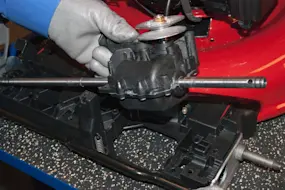
Begin by safely lifting the mower and removing the necessary covers to reveal the transmission. Carefully disconnect any belts or linkages attached to access the transmission fully.
Accessing the transmission of your mower is a crucial step in the rebuilding process. It may seem daunting, but with a bit of patience and the right approach, you can manage it efficiently. Taking the time to properly access the transmission will ensure a smoother repair process and ultimately extend the life of your mower.Removing Wheels And Belts
Begin by positioning your mower on a flat, stable surface. This ensures safety and provides better access to the components. First, remove the wheels. This might require a wrench, so keep one handy. Once the wheels are off, you’ll need to carefully take off the drive belts. Pay attention to how the belts are positioned, as you’ll need to replace them exactly as they were. Consider labeling or taking a picture of the belt arrangement. This simple step can save you time and frustration later on.Detaching Transmission Housing
With the wheels and belts out of the way, you can now focus on the transmission housing. This part is usually held in place with bolts or screws. Using the appropriate tool, carefully unscrew these fasteners. Once loosened, gently detach the transmission housing. Be cautious not to force it off, as this could damage other components. Reflect on whether you’ve ever taken something apart only to struggle with reassembly. Avoid this by keeping all parts organized and noting their original positions. By following these steps, accessing the mower’s transmission becomes a manageable task. Remember, the key lies in patience and careful attention to detail. Are you ready to take on this challenge and give your mower a new lease on life?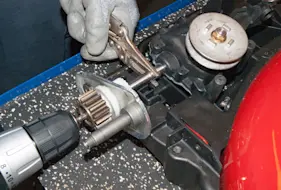
Credit: www.searspartsdirect.com
Inspecting Transmission Components
Inspecting transmission components is a crucial step in rebuilding a mower transmission. It helps find worn or broken parts that affect performance. Careful inspection can prevent future damage and costly repairs.
Each part must be clean and free of debris before inspection. Use good lighting and a magnifying glass to see small details clearly. Check every component for signs of wear, cracks, or rust.
Checking Gears And Bearings
Gears must have smooth, even teeth without chips or cracks. Look for worn or rounded edges that can cause slipping. Bearings should spin freely without noise or rough spots. Any grinding or stiffness means replacement is needed.
Check for metal shavings or debris around the gears and bearings. This can indicate internal damage or poor lubrication. Replace any parts that show excessive wear to keep the transmission running smoothly.
Examining Seals And Gaskets
Seals and gaskets prevent leaks and keep dirt out of the transmission. Inspect them for cracks, tears, or hardening. Old seals may become brittle and lose their sealing ability.
Look for oil or grease leaks around the seals and gaskets. Any sign of leakage means those parts need replacing. Use new seals and gaskets to ensure a tight, leak-free fit.
Disassembling The Transmission
Disassembling the mower transmission is a crucial part of the rebuild process. It requires patience and care to avoid damage. Taking apart the transmission allows you to inspect each component closely. This step helps identify worn or broken parts that need replacement.
Removing Gears And Shafts
Begin by loosening bolts and screws that hold the transmission cover. Carefully lift the cover to expose gears and shafts inside. Use pliers or a puller tool to remove gears gently. Take note of the gear arrangement for reassembly later.
Remove shafts by sliding them out slowly. Avoid forcing parts as this can cause damage. Place each gear and shaft on a clean surface. Organize parts in order to keep track of them easily.
Cleaning Parts Thoroughly
Clean all parts using a degreaser or mild solvent. Use a brush to remove dirt and old grease from gears and shafts. Wipe parts with a clean cloth to dry them completely.
Inspect each component for cracks, rust, or wear. Replace any damaged parts before reassembly. Proper cleaning ensures smooth operation and extends the transmission’s life.
Replacing Damaged Parts
Replacing damaged parts is key to restoring your mower’s transmission. Worn or broken components cause poor performance and can lead to bigger problems. Identifying and swapping these parts ensures smooth operation and extends the mower’s life.
Focus on quality parts to maintain durability. Precise installation prevents future damage and keeps the transmission running well.
Sourcing Replacement Components
Find exact parts designed for your mower model. Use the mower’s manual or part numbers to match components. Purchase from trusted dealers or official manufacturers.
Check for compatibility with your transmission type. Avoid cheap parts that wear out quickly. Look for:
- Gears made from hardened steel
- Durable seals resistant to oil and dirt
- Bearings with smooth rotation
Installing New Gears And Seals
Clean the transmission housing before installation. Remove old gears carefully to avoid damaging shafts or bearings. Fit new gears in their correct position. Ensure teeth mesh smoothly without gaps or tight spots.
Replace all seals to prevent leaks. Use a seal driver or press to insert seals evenly. Double-check alignment and rotation after assembly.
- Lubricate gears lightly before fitting
- Use the right tools to avoid damage
- Tighten fasteners to manufacturer specs
Reassembling The Transmission
Reassembling the transmission is a crucial phase in rebuilding your mower. It demands patience and attention to detail to ensure every part fits and functions perfectly. Taking your time here prevents issues down the road and keeps your mower running smoothly.
Aligning Components Correctly
Proper alignment is key to a transmission that works efficiently. Start by placing the gears, shafts, and bearings back into their original positions carefully. If any part feels forced or out of place, stop and double-check—forcing components can cause damage or misalignment.
Use reference marks or take photos before disassembly to guide you during this step. Pay close attention to how the gears mesh; they should rotate smoothly without binding or excessive play. Have you ever noticed a grinding sound from your mower? That often points to misaligned gears needing correction now.
Securing Housing And Fasteners
Once everything is aligned, it’s time to secure the housing and fasteners. Tighten bolts evenly in a crisscross pattern to distribute pressure and avoid warping the casing. Using a torque wrench can help you apply the right amount of force without overtightening.
Check that all fasteners are in place—missing even one can cause leaks or parts to loosen later. Don’t forget to reattach any seals or gaskets properly to prevent oil leaks. Think about how a simple loose bolt once caused me hours of troubleshooting—don’t let that happen to you.
Refilling Transmission Fluid
Refilling the transmission fluid is a key step in rebuilding your mower’s transmission. This fluid keeps all parts moving smoothly and prevents wear. Using the right amount and type of fluid can extend the life of your mower and improve its performance.
Checking and refilling the fluid properly avoids leaks and damage. It also helps the transmission shift gears correctly. Take your time to choose the correct fluid and fill it to the right level for best results.
Choosing The Right Fluid
Select a transmission fluid made for lawn mowers or small engines. Avoid using car or truck fluids. These may not work well with mower parts. Check your mower’s manual for the recommended fluid type. Some common options include:
- Automatic transmission fluid (ATF)
- Hydraulic oil
- Special mower transmission oil
Using the correct fluid ensures smooth operation and protects internal parts from damage. Quality matters, so pick a reputable brand.
Proper Fluid Levels
Fill the transmission fluid to the level shown in the manual. Too much fluid can cause leaks and pressure issues. Too little fluid leads to overheating and part wear. To check the level:
- Locate the fill or dipstick plug on the transmission
- Remove the plug and wipe the dipstick clean
- Insert and remove the dipstick to read the fluid level
- Add fluid slowly until it reaches the correct mark
Check for leaks after refilling. Run the mower briefly and recheck fluid levels. Top up if needed to keep everything running smoothly.
Testing The Rebuilt Transmission
Testing the rebuilt transmission is a crucial phase that confirms whether your hard work has paid off. This step ensures that the transmission functions properly and that no hidden issues remain. Without thorough testing, you risk running into problems that could damage your mower or cause costly repairs down the line.
Checking For Leaks
Leaks can quickly ruin your transmission’s performance and cause fluid loss. Start by visually inspecting all seals and gaskets after reassembling the transmission. Look for any signs of fresh oil or grease around joints and fittings.
Next, place the mower on a clean surface and run it briefly to observe if any fluid drips. Even a small leak can indicate a misaligned seal or loose bolt. Don’t ignore these signs; tightening bolts or replacing seals early can save you a lot of trouble.
Verifying Smooth Operation
Once you’re confident there are no leaks, it’s time to check how smoothly the transmission operates. Engage the mower’s gears and listen for unusual noises like grinding or clunking. Smooth, quiet operation means the gears mesh correctly and the transmission rebuild was successful.
Try moving the mower forward and backward under light load to feel for resistance or jerking motions. If the transmission hesitates or sticks, it could be a sign of improper assembly or damaged components. Testing under different conditions helps you catch issues you might miss during a simple idle test.

Credit: www.tractorforum.com
Maintenance Tips To Extend Transmission Life
Regularly check and change the transmission fluid to keep parts moving smoothly. Clean and inspect components for wear to avoid costly repairs. Tighten bolts and replace seals to prevent leaks and extend mower transmission life.
Maintaining your mower’s transmission is crucial for its longevity. Regular care helps keep it running smoothly. Prevent costly repairs with some simple maintenance tips. Learn how to extend your transmission’s life.Check Fluid Levels Regularly
Always ensure the transmission fluid is at the right level. Low fluid can cause overheating. Use the manufacturer’s guidelines for the correct fluid type. Regular checks prevent potential issues.Inspect For Leaks
Look for fluid leaks under the mower. Leaks indicate a problem needing immediate attention. Fix leaks promptly to avoid further damage.Keep The Transmission Clean
Dirt and debris can harm the transmission. Regularly clean the area around it. Use a soft brush or cloth. This keeps dirt from entering the system.Monitor Transmission Temperature
Overheating can damage the transmission. Check its temperature during operation. If it feels too hot, let it cool before using again.Use The Correct Type Of Oil
Using the wrong oil can harm the transmission. Always use the recommended type. Refer to the owner’s manual for guidance.Perform Regular Maintenance Checks
Schedule routine inspections for your mower. This helps catch issues early. Regular checks save money and extend the transmission’s life.Replace Worn-out Parts Promptly
Worn parts can strain the transmission. Replace them as needed. This keeps the system running efficiently.Lubricate Moving Parts
Proper lubrication reduces friction in moving parts. Apply lubricant where necessary. This ensures smoother operation.Store Your Mower Properly
Proper storage prevents damage. Keep your mower in a dry, clean place. Protect it from harsh weather conditions.Frequently Asked Questions
How Do I Know If My Mower Transmission Is Bad?
Signs include slipping gears, unusual noises, and loss of power. Inspect for oil leaks and difficulty moving. If these occur, the transmission likely needs rebuilding or replacement.
What Tools Are Needed To Rebuild Mower Transmission?
You’ll need wrenches, screwdrivers, pliers, a socket set, and a torque wrench. Having a clean workspace and replacement seals or bearings is also helpful for a smooth rebuild.
Can I Rebuild A Mower Transmission Myself?
Yes, if you have basic mechanical skills and patience. Follow a step-by-step guide carefully, keep parts organized, and double-check reassembly to ensure the transmission works correctly.
How Long Does It Take To Rebuild A Mower Transmission?
Typically, it takes 2 to 4 hours depending on experience and model complexity. Taking your time ensures proper assembly and prevents future issues.
Conclusion
Rebuilding a mower transmission takes patience and care. Follow each step slowly and carefully. Use the right tools for best results. Check all parts for wear and damage. Keep everything clean to avoid problems later. Take your time during reassembly.
Test the transmission before full use. This helps your mower run smoothly again. Regular maintenance keeps it working longer. Small repairs save money and frustration. You can handle this with some effort and focus. Keep your mower ready for any job ahead.





