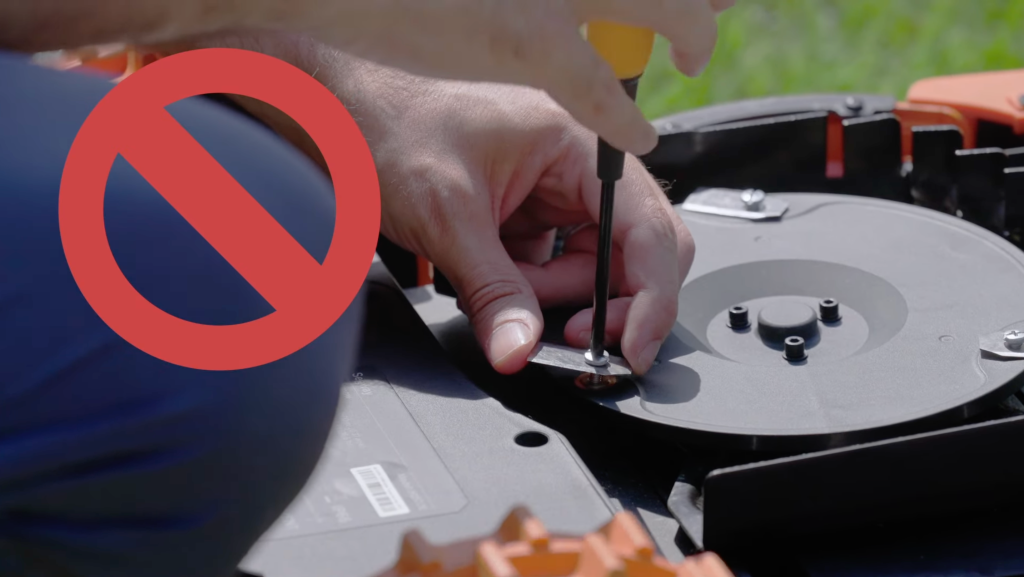
Is your lawn mower not cutting grass as cleanly as it used to? Dull or damaged blades might be the culprit.
Replacing your lawn mower blades can instantly boost your mower’s performance and give your yard that fresh, neat look you want. Don’t worry if you’ve never done it before—this guide will walk you through each step clearly and safely. By the end, you’ll have the confidence and know-how to keep your lawn mower in top shape, saving time and money.
Ready to get started? Let’s dive in.

Credit: navimow.segway.com
Tools Needed
Essential equipment includes a wrenchor socket set to remove the blade bolt. A replacement bladethat fits your mower model is necessary. A block of woodhelps to keep the blade from turning while loosening the bolt.
Safety gear is very important. Wear thick glovesto protect your hands from sharp edges. Use safety glassesto shield your eyes from dirt or debris. Make sure the mower is turned offand disconnectedfrom any power source before starting.
Preparing The Mower
First, disconnect the spark plug wireto stop the engine from starting. This is very important for safety. It prevents accidental starting while working on the mower.
Next, tip the mower on its side. Make sure the carburetor and air filter face up to avoid fuel leaks. Place the mower on a flat surface to keep it steady.
- Use gloves to protect your hands from sharp blades.
- Keep the mower stable to avoid slipping.
- Work in a well-lit area for better visibility.
Removing Old Blades
Use a wrench or socket to loosen the blade bolts. Hold the blade steady with a block of wood to stop it from moving. Turn the bolt counterclockwise until it comes off. Keep the bolts safe; you will need them for the new blade.
Blades have very sharp edges that can cut skin easily. Always wear thick gloves to protect your hands. Handle blades carefully by holding the center, not the edges. Place the blade on a flat surface when setting it down.

Credit: www.youtube.com
Choosing New Blades
Choosing the right lawn mower blade is very important for good cutting. Blades come in different typesand sizes.
- Standard Blades: Good for regular grass cutting.
- Mulching Blades: Cut grass into small pieces to feed the lawn.
- High-Lift Blades: Create strong airflow for better grass lift and bagging.
Matching the blade size to your mower is key. The size is usually shown on the old blade or in the mower manual. Too big or too small blades won’t fit well or work properly.
| Blade Size (inches) | Use |
|---|---|
| 16-18 | Small push mowers |
| 20-22 | Standard walk-behind mowers |
| 24-25 | Riding mowers and larger models |
Installing New Blades
Place the new blades on the mower shaft carefully. Make sure the sharp edges point in the right direction for cutting. Align the holes on the blade with the holes on the mower.
Hold the blade firmly in place before tightening any bolts. Use a wrench to tighten the bolts securely. Tight bolts keep the blade from moving during use.
- Check that the blade sits flat against the mower deck.
- Tighten bolts evenly to avoid blade wobble.
- Use the recommended torque from the mower manual.

Credit: navimow.segway.com
Final Checks
Testing blade balance is important for smooth lawn mower use. Hold the blade in the center hole. Use a screwdriver or nail to balance it on. If one side drops, the blade is uneven. Sharpen or replace the blade if needed. Balanced blades reduce vibration and wear.
Reconnecting the spark plug is the last step. Make sure the spark plug wire is clean and dry. Push the wire firmly onto the spark plug. A good connection helps the mower start easily. Always check the spark plug after blade changes for safety.
Maintenance Tips
Replacing lawn mower blades keeps your mower cutting cleanly and safely. Always unplug the mower before removing old blades and use the right tools. Tighten the new blades firmly to avoid accidents during use.
Regular Blade Sharpening
Sharpening blades keeps the lawn mower cutting well. Dull blades tear grass and harm it. Use a file or grinder to sharpen. Be careful and wear gloves for safety. Regular sharpening saves time and helps the lawn stay healthy. Sharp blades need less fuel, saving money too.
Safe Storage Practices
Store the lawn mower in a dry and safe place. Wet areas can rust the mower. Clean the mower before storing. Remove grass and dirt from blades. Check the mower for any loose or broken parts. Cover the mower to keep it clean. This keeps the mower in good shape for a long time.
Frequently Asked Questions
How Often Should I Replace Lawn Mower Blades?
Replace blades every 20-25 hours of use or at least once per season. Dull blades tear grass and reduce mower efficiency. Regular inspection helps determine blade sharpness and damage.
What Tools Do I Need To Replace Mower Blades?
You need a socket wrench, blade removal tool, and gloves. A block of wood can secure the blade. Safety glasses and a sturdy work surface are recommended.
Can I Sharpen Mower Blades Instead Of Replacing Them?
Yes, sharpening blades extends their life and improves cutting. However, replace blades if they have cracks, bends, or severe damage. Proper sharpening maintains balance and ensures a clean cut.
How Do I Safely Remove Old Lawn Mower Blades?
Disconnect the spark plug before starting. Use a wrench to loosen blade bolts while securing the blade. Always wear gloves and follow the mower’s manual instructions.
Conclusion
Replacing lawn mower blades keeps your mower working well. Sharp blades cut grass cleanly and evenly. Dull blades can damage your lawn and mower. Always wear gloves for safety during the process. Tighten bolts firmly to avoid accidents. Regular blade replacement saves time and effort.
Keep your mower in good shape all season. Simple steps lead to better lawn care results. You can do this yourself with basic tools. Start today and enjoy a healthier, greener lawn.





