If you want to keep your mower running smoothly, knowing how to use a spark plug socket is key. You might think changing a spark plug is tricky, but with the right tool and simple steps, you can do it yourself quickly and safely.
This guide will show you exactly how to use a spark plug socket on your mower, saving you time and money on repairs. Ready to get your mower in top shape? Let’s dive in and make this task easy for you.
Tools Needed
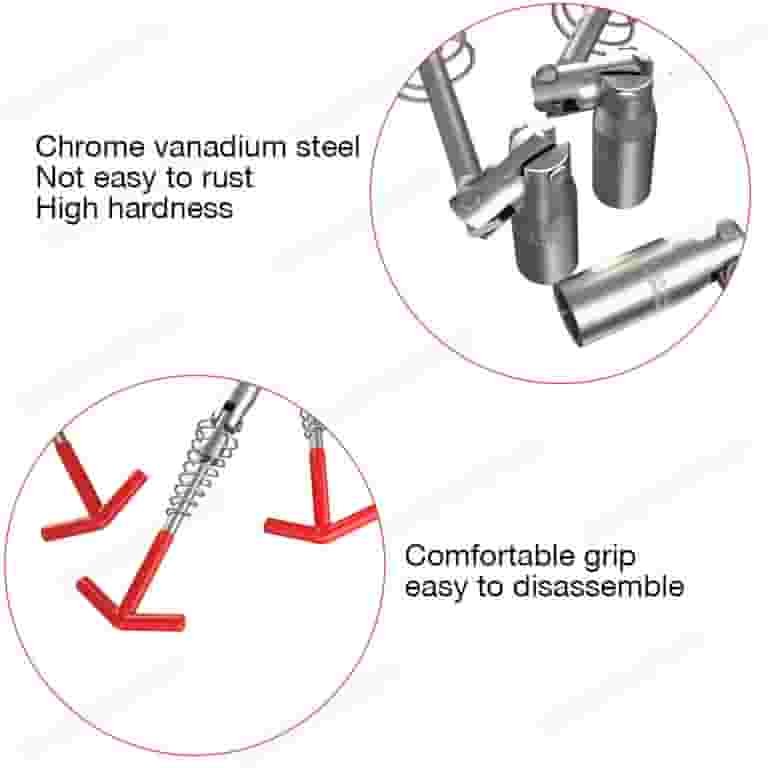
Choose a spark plug socketthat fits your mower’s spark plug size. Most lawn mowers use a 5/8-inch socket, but check your manual to be sure. The socket should have a rubber insertor magnetic feature to hold the plug securely.
Other tools help make the job easier and safer:
- Ratchet wrench:For turning the socket smoothly.
- Extension bar:Helps reach deep spark plugs.
- Spark plug gap tool:Measures and adjusts the gap.
- Gloves:Protect your hands from dirt and heat.
- Cleaning brush:Removes dirt around the plug.
Preparing The Mower
First, make sure the mower is off and cool. This prevents burns and accidents. Remove the key or unplug the spark plug wire to stop the mower from starting by mistake.
Wear gloves and safety glasses to protect your hands and eyes. Keep the working area clean and dry to avoid slipping.
Find the spark plug by looking near the engine block. It looks like a small metal piece with a wire connected to it. The wire is usually thick and black or red.
Check the spark plug wire carefully. Pull it gently from the plug to avoid damage. Now, the spark plug is ready to be removed using the spark plug socket.
Removing The Old Spark Plug
Begin by locating the spark plug on your mower engine. Use the spark plug socket to grip and turn it counterclockwise for easy removal. Ensure the socket fits snugly to avoid damaging the plug.
Disconnecting The Spark Plug Wire
Gently pull the spark plug wire away from the plug. Ensure the mower is off. This prevents any accidental start. Hold the wire by its boot. Do not tug on the wire itself. A firm grip is essential here. Slowly twist and pull until it disconnects.Using The Spark Plug Socket To Remove
Place the spark plug socket over the spark plug. Ensure it fits snugly. Attach the socket to a ratchet wrench. Turn the wrench counterclockwise. This loosens the spark plug. Keep turning until the plug is free. Carefully remove the old plug. Check for wear or damage. Dispose of it properly. Now, the mower is ready for a new plug. `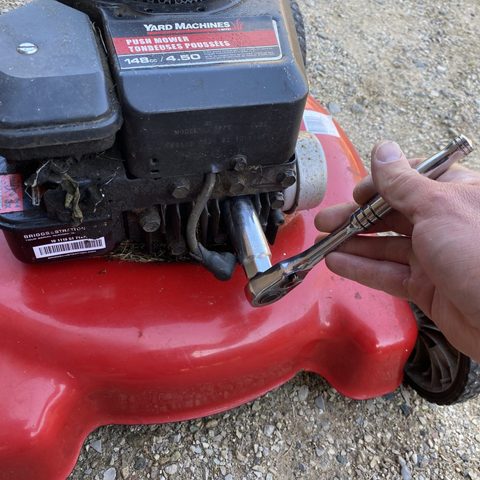
Credit: www.familyhandyman.com
Inspecting And Cleaning
Carefully remove the old spark plug from the mower. Check for damage, like cracks or heavy deposits. A worn spark plug can cause poor engine performance. Look at the electrode and insulator. If they are dirty or broken, replace the spark plug.
Clean the spark plug socket before use. Dirt inside can make it hard to fit the plug properly. Use a dry clothor a small brush to remove debris. Also, clean the area around the spark plug on the engine. This stops dirt from falling in when you remove the plug.
Installing The New Spark Plug
Check the spark plug gap before installing. Use a gap tool to measure the space between electrodes. The correct gap is usually in the mower manual. Adjust the gap by gently bending the ground electrode. Proper gapping helps the engine run smoothly.
Insert the spark plug into the engine’s hole carefully. Use a spark plug socket to avoid damage. Turn the socket clockwise to tighten. Do not overtighten; snug is enough to hold it firm. Over-tightening can harm the threads.

Credit: www.youtube.com
Final Checks
Reconnect the spark plug wirecarefully to avoid damage. Ensure it snaps firmly onto the spark plug terminal. A loose connection can cause the mower not to start. Check the wire for any cracks or wear before attaching.
Test the mower in a safe, open area. Start the engine and listen for smooth running sounds. If it sputters or won’t start, recheck the spark plug and wire connections. Clean or replace the spark plug if needed.
- Wear safety gloves while handling the spark plug wire.
- Make sure the mower is on a flat surface before testing.
- Keep hands and feet away from moving parts.
- Turn off the mower immediately if it runs rough.
Tips For Maintenance
Use a spark plug socket to remove and install spark plugs safely on your mower. Ensure the socket fits snugly to avoid damage. Turn slowly to loosen or tighten the plug without stripping threads.
Regular Spark Plug Inspection
Check the spark plug every few months. Look for dirt, cracks, or wear on the plug. Clean the plug with a wire brush if it is dirty. Replace the spark plug if it is damaged or worn out. A clean and good spark plug helps the mower run smoothly.
Proper Socket Care
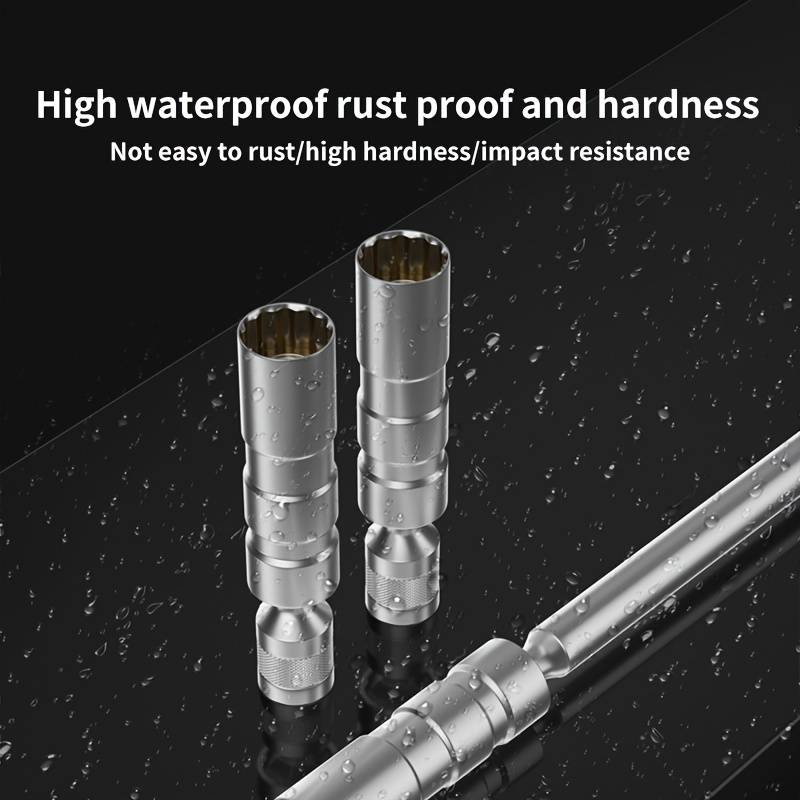
Keep the spark plug socket clean and dry. Store it in a safe place to avoid damage. Use the right size socket for your mower’s spark plug. Avoid dropping or hitting the socket to keep it in good shape. Proper care makes the socket last longer and work better.
Credit: eurotradefish.com
Frequently Asked Questions
What Size Spark Plug Socket Fits A Mower?
Most mowers use a 5/8-inch spark plug socket. Check your mower’s manual to confirm the correct size before use. Using the right socket size ensures a secure grip and prevents damage to the spark plug or mower.
How Do I Safely Remove A Mower Spark Plug?
First, disconnect the spark plug wire for safety. Use a spark plug socket with a ratchet to turn counterclockwise. Remove the plug gently to avoid damaging the threads. Always work on a cool engine to prevent burns.
Can I Use A Regular Socket Instead Of A Spark Plug Socket?
No, regular sockets lack the rubber insert needed to grip spark plugs securely. Spark plug sockets prevent slipping and protect the plug’s ceramic insulator. Using the correct socket ensures safe and efficient removal or installation of spark plugs.
How To Install A Spark Plug With A Spark Plug Socket?
Place the spark plug in the socket’s rubber insert for a firm hold. Thread the plug by hand first to avoid cross-threading. Use the socket to tighten until snug, then give a slight additional turn as per manufacturer instructions.
Conclusion
Using a spark plug socket on your mower makes the job easier and safer. It fits perfectly and helps remove or install spark plugs without damage. Remember to keep the socket clean and use the right size. Taking these small steps saves time and keeps your mower running well.
Practice this skill, and maintenance will feel less like work. Your mower will thank you with better performance and longer life. Simple tools, simple care—easy results.





