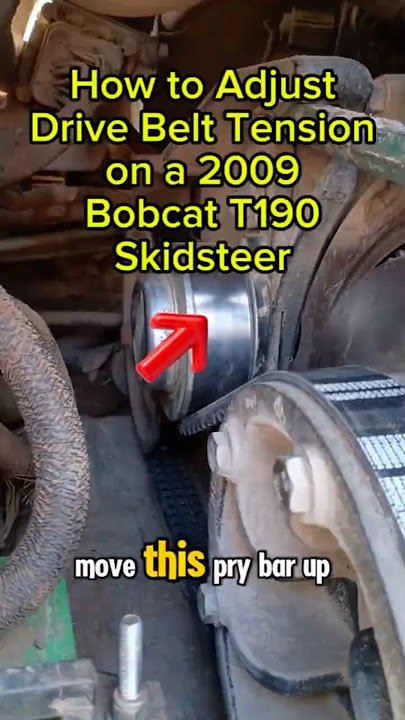
Is your vehicle making strange noises or slipping gears? The problem might be your transmission belt.
Knowing how to adjust your transmission belt can save you time and money on repairs. In this guide, you’ll learn simple steps to fix it yourself, even if you don’t have much experience. Keep reading, and you’ll discover easy tips that will keep your car running smoothly and help you avoid costly visits to the mechanic.
Let’s get started!
Tools Needed
Adjusting a transmission belt requires the right tools to make the job efficient and safe. Having these tools ready before you start saves you from unnecessary frustration and helps you get the job done correctly the first time.
Think about the last time you tried fixing something without the proper tools. Did it take longer? Was the result less reliable? Using the right equipment not only speeds up the process but also protects your vehicle from damage.
Basic Hand Tools
- Wrenches and Socket Set:Essential for loosening and tightening bolts on the belt tensioner and mounting brackets.
- Screwdrivers:Needed for removing covers or panels that block access to the belt.
- Pliers:Useful for gripping and holding small parts during adjustment.
Measuring Instruments
- Tension Gauge:A must-have for checking the correct tension on the belt to avoid over-tightening or slack.
- Ruler or Tape Measure:Helpful for measuring belt deflection when applying pressure.
Additional Helpful Tools
- Breaker Bar:Provides extra leverage for loosening stubborn bolts without damaging them.
- Flashlight or Work Light:Ensures good visibility in tight or dark engine compartments.
- Gloves:Protect your hands from sharp edges and hot surfaces.
Do you have these tools in your toolbox already? If not, investing in a good set will pay off not just for belt adjustments but many other vehicle maintenance tasks. Remember, the right tools make your job safer and your results more precise.

Credit: www.youtube.com
Signs Of Loose Or Tight Belt
Knowing the signs of a loose or tight transmission belt can save you from costly repairs and unexpected breakdowns. Your vehicle’s performance is closely linked to the condition of this belt. Paying attention to subtle changes can help you spot problems early and keep your car running smoothly.
Symptoms Of A Loose Transmission Belt
- Squealing Noise:A high-pitched squeal when starting the engine or accelerating often means the belt is slipping due to looseness.
- Poor Acceleration:If your car struggles to pick up speed or feels sluggish, a loose belt might not be transferring power efficiently.
- Visible Slack:You can sometimes see or feel extra movement when pressing on the belt; it should be firm with minimal give.
- Overheating:A slipping belt may fail to drive the cooling pump properly, causing the engine temperature to rise unexpectedly.
Indicators Of A Tight Transmission Belt
- Whining or Groaning Sounds:A belt that’s too tight can create unusual noises as it strains the pulleys and bearings.
- Rapid Wear:Excessive tension can cause the belt to crack or fray faster than normal.
- Harder Steering or Braking:Since the belt often drives power steering or brake components, tightness can make these systems feel stiff.
- Vibration or Shaking:You might notice vibrations from the engine bay, signaling over-tension on the belt system.
Have you noticed any of these signs in your vehicle? Paying close attention to these symptoms can help you decide when it’s time to check or adjust your transmission belt. Ignoring them could lead to bigger issues down the road.
Locate The Transmission Belt
Locate the Transmission Belt Find the transmission belt near the engine or within the machine’s housing. It connects pulleys or gears, facilitating power transfer. Identifying its position is crucial for adjustments or replacements.
Locating the transmission belt is essential before any adjustments. This belt connects the engine to various components, ensuring smooth operation. Misplacement can disrupt functionality. Begin by identifying the engine compartment. The belt is usually found here. It’s a rubber-like loop running across pulleys. Wear and tear are visible signs on a belt. Look for cracks or fraying edges. These indicate potential issues.Open The Hood
To locate the transmission belt, first open the hood. Ensure the vehicle is parked safely. Engage the parking brake. Look for the hood release lever inside the car. Usually near the driver’s seat. Pull it to release the hood. Secure it with the prop rod.Identify The Engine Compartment
After opening the hood, find the engine compartment. It’s the large area housing the engine. The transmission belt runs through this space. It connects various pulleys. Look carefully for rubber belts. They are usually black or dark gray.Spot The Pulleys
Pulleys guide the transmission belt. They are circular and metal. The belt wraps around them. Check for the alternator, power steering, and water pump. These components have pulleys. The belt connects them, forming a loop.Inspect The Belt Path
Trace the path of the belt. Ensure it loops correctly around all pulleys. Misalignment can cause malfunctions. Check for even tension. A loose belt may slip. A tight belt can strain the engine. Adjust accordingly.Examine For Wear And Tear
Look closely at the belt surface. Check for cracks or frayed edges. These signs indicate wear and tear. A worn belt can break unexpectedly. Replacing it promptly is crucial. A new belt ensures smooth operation.
Credit: www.reddit.com
Loosen The Mounting Bolts
Loosening the mounting bolts is a crucial step when adjusting your transmission belt. These bolts hold the belt tensioner or the component in place, so loosening them allows you to move the part slightly and change the belt tension. If you skip this step, the belt won’t adjust properly, and you might damage the belt or the pulleys.
Before loosening the bolts, make sure your engine is off and cool. This prevents any accidental injuries and ensures the parts haven’t expanded from heat. You’ll need the right size wrench or socket to avoid stripping the bolts.
Locate The Mounting Bolts
First, identify the bolts securing the tensioner or the component that controls the belt tension. These are usually found on the side of the pulley assembly. If you’re unsure where to look, consult your vehicle’s manual or search for a diagram online specific to your model.
Use The Correct Tools
Having the right tools makes this task easier and safer. A socket wrench set with the proper size socket is often the best choice. Avoid using adjustable wrenches as they can slip and round off the bolt heads.
Loosen The Bolts Carefully
Turn the bolts counterclockwise slowly to loosen them. Don’t remove them completely unless the instructions specify it. Loosening just enough to allow movement will help you adjust the belt tension smoothly.
Check For Any Tensioner Locking Mechanism
Some vehicles have a locking pin or bolt that holds the tensioner in place. If yours does, release or remove it before loosening the mounting bolts. Missing this step can make the adjustment impossible or cause parts to snap back suddenly.
Test The Movement After Loosening
Once the bolts are loose, gently try to move the tensioner or component. It should shift enough to let you adjust the belt tension. If it feels stuck, double-check that all locking mechanisms are released and bolts are sufficiently loosened.
Adjust Belt Tension
Adjusting the belt tension is crucial for the smooth operation of your machine. Too loose or too tight belts can cause damage or reduce efficiency. Proper tension helps the belt grip the pulleys and transmit power effectively. This section explains how to adjust belt tension manually and with a belt tension gauge.
Manual Adjustment Method
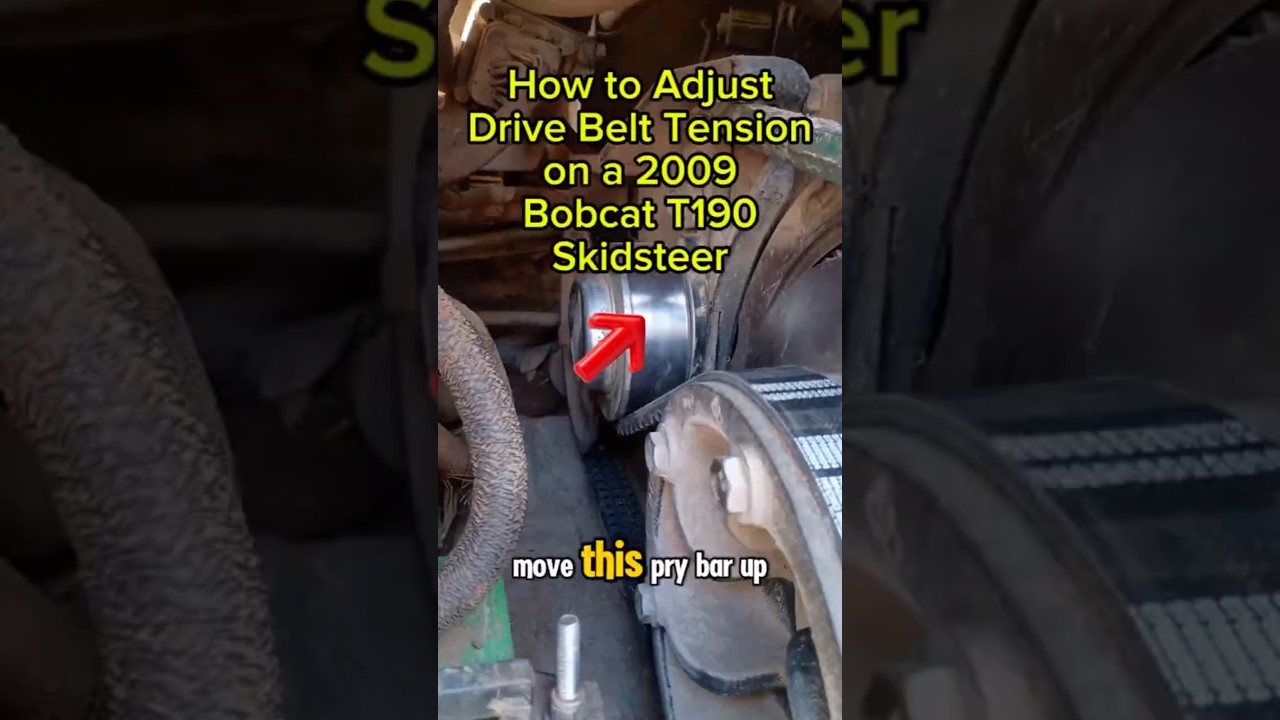
Start by locating the adjustment bolts on the belt drive system. Loosen these bolts slightly to allow movement of the motor or pulley. Push or pull the motor to increase or decrease the belt tension. The belt should have a small amount of give when pressed, about half an inch. Avoid over-tightening, which can cause wear. Once the desired tension is set, tighten the bolts securely. Check the belt alignment to prevent slipping or uneven wear.
Using A Belt Tension Gauge
A belt tension gauge offers a precise way to measure and set tension. Place the gauge on the belt at the midpoint between pulleys. Apply pressure as instructed by the gauge manual. Read the tension value displayed on the gauge. Compare this value to the manufacturer’s recommended tension range. Adjust the belt by moving the motor or pulley to reach the correct tension. Tighten the adjustment bolts after setting the proper tension. Using a gauge reduces guesswork and extends belt life.
Credit: www.youtube.com
Tighten Bolts Securely
Tightening bolts securely is a crucial step when adjusting a transmission belt. If the bolts are not fastened properly, the belt tension can become inconsistent, leading to slippage or premature wear. Ensuring the bolts are tight enough will keep your transmission running smoothly and extend the life of your belt.
Use The Right Tools For Tightening
Using the correct wrench or socket is essential to avoid stripping the bolt heads. A snug fit reduces the risk of slipping and damaging the bolts or surrounding parts.
Have you ever tried tightening a bolt with the wrong tool and ended up making it worse? Avoid that frustration by double-checking your tools before you start.
Apply Even Pressure On Bolts
When tightening bolts, apply pressure evenly. Tighten each bolt a little at a time in a crisscross pattern if there are multiple bolts to ensure balanced tension.
This approach prevents warping and uneven stress on the belt or components, which can cause early failure.
Check Torque Specifications
Always refer to your vehicle’s manual for the recommended torque settings. Over-tightening can strip threads or damage parts, while under-tightening can cause bolts to loosen over time.
Using a torque wrench guarantees you reach the exact tightness needed without guesswork.
Recheck Bolts After Initial Use
After driving a short distance, revisit the bolts to confirm they remain tight. Vibration and heat cycles can sometimes cause bolts to loosen even after proper tightening.
This quick follow-up step can save you from unexpected breakdowns and costly repairs.
Test The Belt Tension
Testing the belt tension is a key part of adjusting a transmission belt. The right tension keeps the belt from slipping or wearing out too fast. Too tight or too loose tension can cause problems with your machine’s performance.
Proper tension helps the belt run smoothly and lasts longer. It also protects other parts from damage. Checking the tension correctly saves time and money on repairs.
Check Belt Deflection
Press down on the belt at the midpoint between pulleys. The belt should move slightly but not too much. About half an inch of deflection is common for many belts.
If the belt moves too easily, it is too loose. If it barely moves, the belt is too tight. Adjust the tension accordingly.
Use A Belt Tension Gauge
A belt tension gauge measures the exact tension on the belt. Place the gauge on the belt and read the force required to deflect it.
Compare your reading to the manufacturer’s recommended tension range. Adjust the belt until the gauge shows the correct tension.
Listen For Unusual Noises
Run the machine after adjusting the belt tension. Listen closely for squealing or slipping sounds.
Noises often mean the belt tension is off. Tighten or loosen the belt until the noise stops. Proper tension should make the machine run quietly.
Monitor Belt Temperature
After testing, feel the belt for heat. Excess heat can mean the belt is too tight or slipping.
A warm but not hot belt is ideal. Check the tension again if the belt feels very hot.
Common Mistakes To Avoid
Adjusting a transmission belt seems simple but has common pitfalls. Avoiding these mistakes saves time and protects your vehicle. Many errors come from rushing or using wrong tools. Taking care with each step ensures a smooth process and longer belt life.
Using Incorrect Tools
Using the wrong tools can damage the belt or parts. Always use a proper wrench or socket for bolts. Avoid makeshift tools like pliers or hammers. Correct tools help apply the right force without slipping or stripping.
Over-tightening The Belt
Tightening the belt too much causes stress and wear. It can break the belt or damage pulleys. The belt should be firm but still have slight give. Follow manufacturer guidelines for proper tension levels.
Ignoring Belt Alignment
Misaligned belts wear unevenly and can slip off pulleys. Check belt runs straight along pulleys and rollers. Adjust pulleys if needed to keep proper alignment. A well-aligned belt lasts longer and runs quietly.
Not Checking For Belt Wear
Adjusting a worn belt reduces effectiveness and risks failure. Inspect the belt for cracks, frays, or glazing. Replace the belt if it shows visible damage. Adjusting only works well with a healthy belt.
Forgetting Safety Precautions
Skipping safety steps can cause injuries or damage. Always disconnect the power source before working. Wear gloves and safety glasses to protect hands and eyes. Work in a well-lit area to see all parts clearly.
When To Replace The Belt
Knowing when to replace your transmission belt is key to keeping your vehicle running smoothly. Ignoring worn belts can lead to costly repairs and unexpected breakdowns. Let’s look at clear signs that tell you it’s time for a new belt.
Visible Wear And Tear
Check your belt regularly for cracks, fraying, or glazing. Even small cracks mean the belt is drying out and losing flexibility. A shiny or glazed surface indicates slipping, which reduces performance and can cause overheating.
Unusual Noises
If you hear squealing or chirping sounds when starting the engine or accelerating, your belt might be slipping or misaligned. These noises often signal the belt’s tension is off or that it’s worn out. Ignoring these sounds can lead to belt failure on the road.
Loss Of Performance
Has your vehicle been losing power or struggling with acceleration? A slipping transmission belt can cause poor power transfer to the wheels. You might also notice sluggish gear shifts or strange vibrations during driving.
Age And Mileage
Even if your belt looks fine, it wears out over time. Most manufacturers recommend replacing the transmission belt every 60,000 to 100,000 miles. If you’re unsure about your belt’s age or mileage, check your service records or consult a mechanic.
Oil Or Fluid Contamination
Belts exposed to oil or transmission fluid can degrade faster. If you spot any leaks near the belt area, inspect the belt carefully. Contaminated belts lose grip and can slip more easily, which reduces their lifespan.
Frequently Asked Questions
How Do I Know When To Adjust A Transmission Belt?
You should adjust the belt if it slips, squeals, or shows signs of wear. Check tension regularly to avoid damage.
What Tools Are Needed To Adjust A Transmission Belt?
You typically need a wrench, screwdriver, and a belt tension gauge for accurate adjustment.
How Tight Should A Transmission Belt Be?
The belt should be firm but allow about half an inch of play when pressed.
Can I Adjust The Transmission Belt Myself Safely?
Yes, with basic tools and safety precautions, most DIYers can adjust the belt properly.
Conclusion
Adjusting a transmission belt helps your machine run smoothly. Check the belt often for wear or looseness. Tighten it carefully to avoid damage or slipping. Use the right tools and follow safety steps. Regular maintenance keeps your equipment working longer.
Small efforts now prevent big problems later. Stay patient and work step-by-step for best results. You can keep your machine strong and reliable this way.





