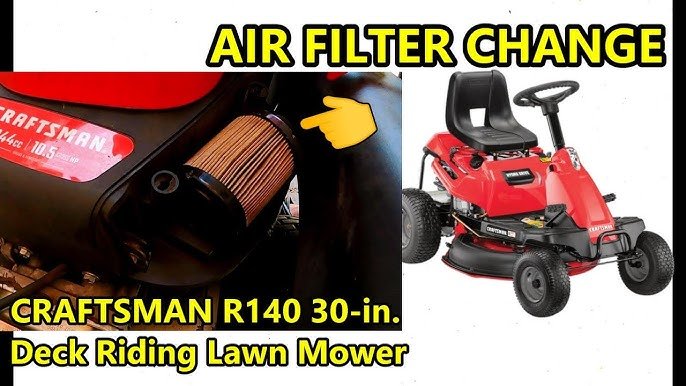
Your mower works hard to keep your lawn looking perfect. But have you ever thought about the hydro filter?
It’s a small part that plays a big role in keeping your mower running smoothly. Ignoring it can lead to costly repairs and frustrating breakdowns. You’ll learn exactly when to replace your mower’s hydro filter. Knowing this can save you time, money, and headaches.
Keep reading to protect your mower and keep your lawn care hassle-free.
Role Of Hydro Filters In Mowers
The hydro filter plays a vital role in a mower’s hydraulic system. It keeps the hydraulic fluid clean and free from harmful particles. Clean fluid ensures smooth movement and proper functioning of mower parts. Ignoring the hydro filter can lead to damage and costly repairs.
How Hydro Filters Work
Hydro filters trap dirt and debris from the hydraulic fluid. They use a fine mesh or synthetic material to catch contaminants. As fluid passes through, the filter removes particles that could cause damage. This process protects the hydraulic pump, valves, and cylinders from wear.
Impact On Mower Performance
A clean hydro filter helps the mower run efficiently. It maintains proper fluid flow and pressure. This results in smoother steering and blade movement. A clogged filter reduces performance and may cause the mower to overheat. Regular filter care prevents breakdowns and extends mower life.

Credit: www.mowmore.com
Signs Your Hydro Filter Needs Replacement
Knowing the signs your mower’s hydro filter needs replacement helps avoid costly damage. A worn or clogged filter reduces the system’s performance and can cause serious issues. Watch for these clear warning signs to keep your mower running smoothly.
Reduced Hydraulic Efficiency
Hydraulic power may feel weaker than usual. The mower might respond slower during operation. You may notice the cutting deck moves sluggishly or unevenly. This happens because the filter is blocked, restricting fluid flow.
Unusual Noises Or Vibrations
Strange sounds like whining or grinding can come from the hydro system. Vibrations may increase during use. These noises often indicate the filter is dirty or damaged, causing the pump to work harder than normal.
Visible Contamination
Check the filter for dirt, sludge, or metal particles. Dark or murky fluid around the filter signals contamination. Visible debris means the filter cannot clean the hydraulic fluid effectively. This contamination harms the entire system.
Recommended Replacement Intervals
Replace the mower hydro filter every 100 to 200 hours of use to keep the system clean. Regular changes help prevent damage and maintain smooth operation. Check the owner’s manual for specific intervals based on your mower model.
Understanding when to replace your mower’s hydro filter is crucial for maintaining optimal performance. Regular replacement of this component ensures that your mower runs smoothly, preventing costly repairs down the line. But how do you determine the best time to make this change?Manufacturer Guidelines
Most mower manufacturers provide clear guidelines on when to replace the hydro filter. Typically, these recommendations are found in your mower’s manual. For many models, the suggested interval is every 200-250 hours of operation. However, it’s essential to check your specific manual, as some mowers might have different requirements. Have you ever overlooked a manual and regretted it? Following these guidelines can save you from that frustration.Factors Affecting Replacement Frequency
Several factors might necessitate more frequent filter changes. Operating your mower in dusty or dirty conditions can clog the filter faster. If you live in an area with lots of pollen or debris, consider replacing the filter more often. Your mowing habits also play a role. Do you often mow large areas or in challenging terrains? This puts more strain on the mower, potentially requiring more frequent maintenance. Regularly inspecting the filter can help you decide if an early replacement is needed. Keeping these factors in mind ensures your mower stays in top shape. Are you ready to give your mower the attention it deserves?Consequences Of Delayed Replacement
Ignoring the replacement schedule of your mower’s hydro filter can lead to serious problems. Delaying this simple maintenance task might seem harmless, but it can cause far-reaching damage to your mower’s hydraulic system. Understanding these consequences helps you avoid costly repairs and downtime.
Damage To Hydraulic Components
Hydraulic systems rely on clean fluid to function properly. When your hydro filter clogs, dirt and debris circulate freely, wearing down sensitive parts like pumps, valves, and cylinders. This wear can cause leaks, reduced performance, or even total failure of these components.
Think about your last mower breakdown. Was it something small that spiraled into a bigger problem? Skipping filter replacement often sets off a chain reaction of damage that’s avoidable with timely care.
Increased Maintenance Costs
Delaying the hydro filter replacement doesn’t just harm your mower’s parts; it also hits your wallet hard. Contaminated hydraulic fluid forces more frequent oil changes, part replacements, and labor costs. These expenses add up quickly compared to the modest cost of a new filter.
Have you ever calculated how much a minor repair could save if done early? Staying on top of filter replacement keeps maintenance predictable and more affordable over time.
Steps To Replace A Mower Hydro Filter
Replacing your mower’s hydro filter is essential for keeping the hydro system running smoothly. Knowing the exact steps helps you avoid damage and ensures the filter does its job properly. Let’s walk through the process so you can handle it confidently and efficiently.
Gathering Necessary Tools
Before you start, make sure you have everything ready. You’ll need a new hydro filter, a wrench or filter removal tool, clean rags, and some hydraulic oil for topping off. Having a container to catch any leaking fluid is also smart to keep your workspace clean.
Do you know where your mower’s hydro filter is located? Checking your mower’s manual beforehand can save you time searching around once you’re ready to begin.
Removing The Old Filter
Begin by turning off the mower and allowing it to cool to avoid burns or spills. Use the wrench or filter tool to loosen the old hydro filter by turning it counterclockwise. Be prepared for some hydraulic fluid to leak out—this is normal but keep rags handy to wipe it up quickly.
Have you noticed any dirt or debris around the old filter? Cleaning the area before installing the new filter helps prevent contamination in the system.
Installing The New Filter
Before screwing in the new filter, lightly coat its rubber gasket with fresh hydraulic oil. This ensures a tight seal and makes future removal easier. Screw the new filter in by hand until it’s snug, then tighten it an additional three-quarters of a turn—don’t overtighten, or you risk damaging the gasket.
Are you checking for leaks as you install? A quick visual inspection here can save you from costly repairs later.
Testing After Replacement
Once the new filter is in place, start the mower and let it run for a few minutes. Watch for any leaks around the filter and listen for unusual noises in the hydro system. Check the hydraulic fluid level and top it off if needed to maintain proper pressure and function.
Have you ever skipped this testing step? Even a small leak can lead to bigger problems if unnoticed early on.

Credit: m.youtube.com
Tips To Extend Hydro Filter Life
Extending the life of your mower’s hydro filter can save you time, money, and hassle. Taking simple yet effective steps can keep your hydro system running smoothly longer than you might expect. Let’s look at some practical tips that you can start using today to protect your investment.
Regular Maintenance Practices
Checking and changing your hydro filter on schedule is crucial. Dirt and debris build up quickly, reducing filter efficiency and stressing the system. Don’t wait until you see symptoms of poor performance; inspect your filter regularly.
Along with filter checks, keep an eye on the hydraulic fluid level and quality. Contaminated fluid can clog the filter faster. Cleaning the area around the filter before removal also prevents dirt from entering the system.
Have you ever skipped a filter change and noticed your mower acting sluggish or overheating? That’s a clear sign your hydro filter needs attention. Staying proactive with maintenance avoids costly repairs down the road.
Using Quality Filters
Not all hydro filters are created equal. Choosing high-quality filters designed specifically for your mower model ensures better filtration and durability. Cheaper alternatives might save money upfront but often let contaminants slip through.
Investing in genuine or well-reviewed aftermarket filters helps maintain optimal fluid flow and prevents system wear. Always check the manufacturer’s recommendations before buying a replacement filter.
Think about the last time you used a low-grade filter. Did it last as long as expected? Using quality filters can extend the lifespan of your hydro system significantly, reducing the frequency of replacements.

Credit: www.mowmore.com
Frequently Asked Questions
When Should I Replace My Mower Hydro Filter?
Replace the mower hydro filter every 100 hours of use or annually. Dirty filters reduce hydraulic efficiency and damage components.
How Do I Know If The Hydro Filter Is Clogged?
Signs include reduced mower power, sluggish hydraulic response, and unusual noises. Inspect the filter regularly for dirt and debris buildup.
Can I Clean And Reuse The Mower Hydro Filter?
No, hydro filters are designed for single use only. Replacing ensures optimal hydraulic system performance and prevents contamination.
What Happens If I Delay Replacing The Hydro Filter?
Delaying replacement causes hydraulic fluid contamination, leading to costly repairs. It reduces mower lifespan and lowers cutting efficiency.
Conclusion
Replacing your mower hydro filter keeps your machine running smooth. A clean filter stops dirt from harming parts. Check the filter regularly to avoid damage. Change it if you see dirt or after many hours of use. This small step saves money on big repairs later.
Keep your mower working well and cut grass easily. Simple care makes a big difference in mower life. Don’t wait until problems start. Act early and enjoy a healthy mower.





