If your mower won’t start or keeps dying while you’re working, the charging system might be the problem. But how much does mower charging system repair cost?
You’re probably worried about unexpected expenses and want to know if it’s worth fixing or better to replace. You’ll get clear answers and practical tips to help you save money and get your mower back in shape fast. Keep reading to find out what affects the repair cost and how you can avoid common pitfalls.

Credit: www.searshomeservices.com
Mower Charging System Basics
The mower charging system keeps your lawn mower running smoothly. It powers the battery and electrical parts during operation. Knowing the basics helps understand repair costs better. The system has several parts working together to charge the battery while you mow.
Key Components
- Battery:Stores electrical energy for starting and running.
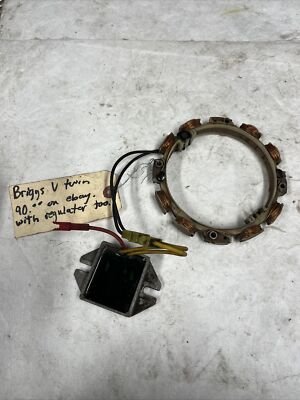
- Alternator or Stator:Generates electricity while the engine runs.
- Voltage Regulator:Controls voltage to prevent battery damage.
- Wiring and Connectors:Transfer electricity safely between parts.
How It Works
The engine spins the alternator or stator. This action creates electrical current. The voltage regulator controls the current strength. It sends the right power to the battery. The battery stores this energy for later use. This process keeps the battery charged during mowing.
Common Charging System Issues
Charging system issues often cause mower problems. These issues affect starting and running. Repair costs depend on the exact problem.
Understanding common faults helps estimate repair costs. Some faults are easy to fix. Others need more time and parts.
Battery Problems
Batteries lose charge or fail over time. A weak battery cannot hold a charge well. Corrosion on terminals stops power flow. Replacing the battery costs vary by model and size.
Alternator Failures
The alternator charges the battery during use. A broken alternator stops battery charging. Signs include dim lights and engine stalling. Repair or replacement prices depend on mower type.
Wiring And Connection Faults
Loose or damaged wires cause charging issues. Faulty connections prevent power from reaching parts. Wires may break from vibration or wear. Fixing wiring faults requires inspection and repair work.
Signs Of Charging System Trouble
Dimming lights or a mower that won’t start can signal charging system issues. Strange noises or battery problems also hint at repair needs. Recognizing these signs helps estimate mower charging system repair costs early.
Spotting early signs of charging system trouble in your mower can save you both time and money. Ignoring these signs could lead to more severe issues, resulting in costlier repairs. But how do you know if your mower’s charging system needs attention?Slow Starting
Your mower should start promptly without hesitation. If you find it struggling to get going or if it takes longer than usual to start, there might be an issue with the charging system. This could be a sign that the battery isn’t being charged properly, leaving it drained and sluggish. Have you noticed your mower taking its sweet time to start lately?Dim Lights
The brightness of your mower’s lights can be a clear indicator of charging system health. Dim lights often signal an insufficient charge. This can affect your mowing efficiency, especially if you mow during the early hours or late evenings. Keep an eye on those lights; they might be trying to tell you something.Battery Drain
A battery that frequently loses its charge can be frustrating. If your mower’s battery isn’t holding a charge like it used to, it’s time to investigate the charging system. Consistent battery drain not only affects performance but can also lead to unexpected downtimes. Isn’t it annoying when your mower quits in the middle of a job? Pay attention to these signs, and you’ll catch issues before they escalate. Addressing them early on ensures your mower remains reliable and efficient.
Credit: www.reddit.com
Factors Affecting Repair Costs
Repair costs for a mower’s charging system can vary widely depending on several key factors. Understanding what influences these costs helps you make smarter decisions when faced with a repair. Let’s break down the main elements that affect the price you’ll pay.
Type Of Mower
The kind of mower you own plays a big role in repair expenses. Riding mowers often have more complex charging systems than push mowers, which means parts and labor can be pricier. Specialized or commercial mowers may also require unique components that are harder to find.
If your mower is a popular brand or model, parts tend to be easier to source and less costly. But if you have an older or rare mower, expect to pay more for compatible parts and possibly longer labor times because technicians need extra care.
Parts Replacement
What exactly needs fixing will impact the total cost. Sometimes, a simple battery replacement or a new fuse is all that’s required. Other times, the alternator, voltage regulator, or wiring might need replacement, which adds to the price.
Choosing genuine manufacturer parts usually costs more but can save you money in the long run by preventing repeated repairs. On the other hand, aftermarket parts are cheaper but might not last as long or work as efficiently.
Labor Charges
Labor fees vary based on where you take your mower and how complicated the repair is. Some shops charge by the hour, while others offer flat rates for specific repairs. More complex electrical system issues require more diagnostic time, increasing labor costs.
Think about how much your time is worth too. Sometimes paying a bit more for professional repair saves you hours of frustration and trial-and-error troubleshooting. Would you prefer a quick fix or trying to figure it out yourself?
Typical Repair Cost Estimates
Understanding the typical repair costs for your mower’s charging system can help you plan your budget better. Repair expenses vary widely depending on the severity of the issue and whether you choose to fix it yourself or hire a professional. Let’s break down what you might expect for different levels of repair.
Minor Repairs
Minor repairs often include fixing loose connections, replacing fuses, or swapping out worn-out wires. These fixes usually cost between $50 and $150. In many cases, you can identify these problems by checking for warning lights or inconsistent battery charging.
These small repairs might seem simple, but they can prevent bigger issues down the road. Have you ever ignored a small electrical fault only to face a dead mower battery later? Catching these early saves both money and frustration.
Major Overhauls
When the charging system’s alternator or voltage regulator fails, the repair costs rise significantly. A full replacement or overhaul can range from $200 to $500 or more, depending on your mower’s model and parts availability. Labor fees contribute heavily to this price, especially if the repair involves dismantling components.
Major issues often show up as repeated battery failures or the mower stalling unexpectedly. Have you noticed your mower’s battery dying even after charging? This could signal a need for a more extensive repair.
Diy Vs Professional
Deciding whether to tackle the repair yourself or hire a pro depends on your comfort level and tools available. DIY repairs can save you money, often cutting costs by 50% or more, especially for minor issues. However, mistakes during a DIY repair can lead to higher costs later.
Professionals bring expertise and the right equipment, which means faster and more reliable fixes. If you’re unsure about the problem or lack electrical experience, investing in professional help might be the best choice. Which path would you take if your mower stopped charging tomorrow?
Ways To Save On Repair Expenses
Repairing a mower charging system can cost a fair amount. Saving money on these repairs is possible with smart choices. Small efforts can reduce expenses and keep your mower running longer. Here are some practical ways to save on repair costs without sacrificing quality.
Regular Maintenance
Keep your mower in good shape by checking it often. Clean the battery terminals and check the charging system regularly. Tighten loose connections and replace worn parts early. Routine care prevents big problems and costly repairs. Spend a little time now to avoid high repair bills later.
Buying Parts Online
Online stores offer mower parts at lower prices than local shops. Compare prices and read reviews to find quality parts. Buying directly saves money on shipping and retail markups. Look for trusted websites that sell genuine parts. This approach cuts costs without lowering repair quality.
Choosing Local Mechanics
Local mechanics often charge less than big service centers. They can offer personalized service and faster turnaround times. Ask neighbors or read reviews to find reliable, affordable help nearby. Supporting local businesses can also lead to discounts and better service. A good local mechanic keeps repair costs reasonable.
Preventing Future Charging System Issues
Keeping your mower’s charging system in good shape can save you from costly repairs down the road. Small habits and regular attention prevent many common issues before they start. Let’s look at practical steps you can take to protect your mower’s charging system and keep it running smoothly.
Routine Checks
Checking your mower’s charging system regularly is a simple way to catch problems early. Look for loose wires, corrosion on terminals, or worn-out belts that could affect charging. Testing the battery voltage with a multimeter every few weeks helps you spot weak spots before they cause a breakdown.
Have you ever ignored a strange noise or flickering battery light only to face a bigger problem later? A quick inspection can save you from unexpected repair bills and frustration.
Proper Storage
How you store your mower during off-seasons plays a big role in the health of its charging system. Keep it in a dry, sheltered area to prevent moisture from causing rust and electrical shorts. If possible, disconnect the battery or use a trickle charger to maintain battery charge without overloading the system.
Think about how long you leave your mower idle—could better storage extend its lifespan? Keeping it protected ensures the charging system components don’t degrade unnecessarily.
Battery Care Tips
Your battery is the heart of the charging system, so treating it well is crucial. Clean battery terminals regularly to avoid corrosion buildup that disrupts the charging process. Avoid overcharging by using the correct charger and remove the battery if the mower won’t be used for long periods.
Do you check your battery’s water level or electrolyte condition? These small maintenance tasks can improve performance and prevent premature battery failure, saving you money on repairs.

Credit: www.amazon.ca
Frequently Asked Questions
How Much Does Mower Charging System Repair Cost?
Mower charging system repair typically costs between $100 and $300. Prices vary based on parts, labor, and mower type. Minor repairs like battery replacement are cheaper. Complex alternator or stator repairs cost more. Always get a detailed estimate for accurate pricing.
What Factors Affect Mower Charging System Repair Price?
Repair cost depends on mower model, parts needed, and labor rates. Older mowers may require more expensive parts. Labor costs vary by location and technician expertise. Diagnostic fees can add to total. Regular maintenance reduces repair expenses over time.
Can I Fix My Mower Charging System Myself?
Basic repairs like battery checks are DIY-friendly. However, alternator or stator repairs require technical skills. Incorrect repairs can damage the mower further. Use proper tools and manuals if attempting. Otherwise, professional service ensures safety and proper functioning.
How Long Does Mower Charging System Repair Take?
Most repairs take 1 to 3 hours. Simple battery replacements are quicker. Complex alternator fixes may need more time. Time depends on parts availability and technician schedule. Early diagnosis speeds up the repair process.
Conclusion
Mower charging system repair costs vary depending on the problem. Simple fixes may cost less, while major repairs cost more. Knowing the issue helps you plan your budget better. Regular maintenance can prevent expensive repairs later. Always choose a trusted mechanic for quality work.
Understanding costs keeps your mower running smoothly. Keep your mower ready for every mowing season. A working charging system saves time and effort. Don’t ignore warning signs to avoid bigger bills. Repair costs might seem high but protect your mower’s lifespan.





