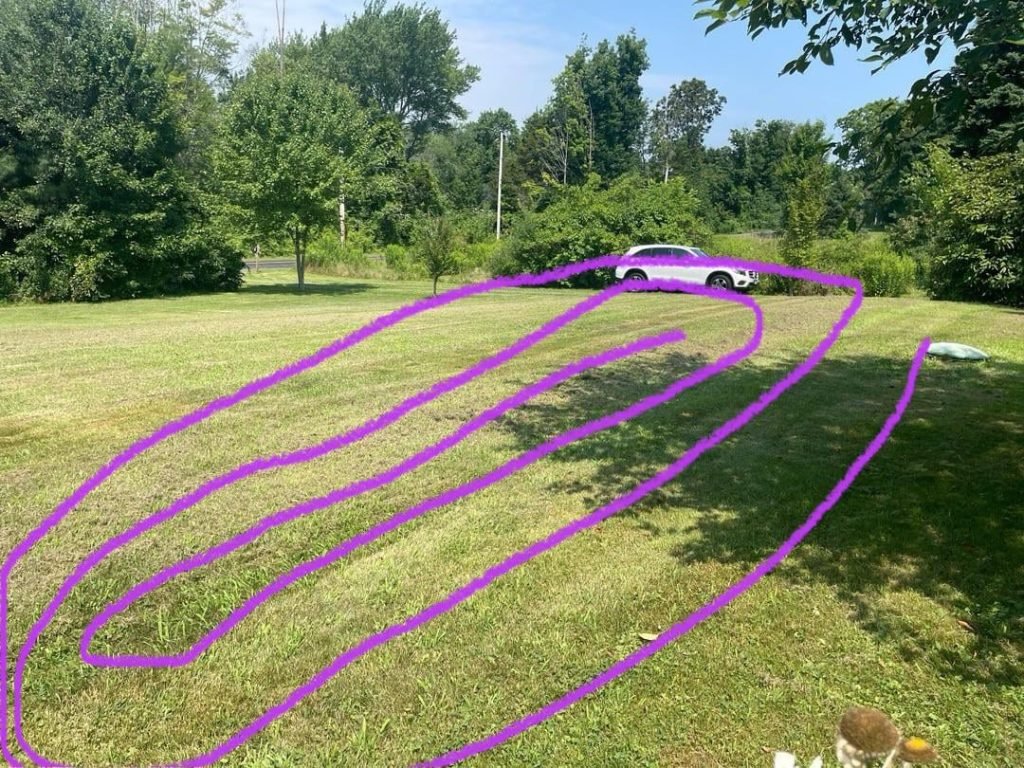
Are you tired of constantly filling up your lawnmower bag with grass clippings? What if you could turn those clippings into a natural boost for your lawn without the hassle of bagging them?
Mulching your grass clippings right where they fall is easier than you think, and it can save you time, effort, and money. You’ll discover simple, effective ways to mulch clippings without using a bag, helping your lawn stay healthier and greener all season long.
Keep reading to unlock the secrets that make mulching a game-changer for your yard care routine.
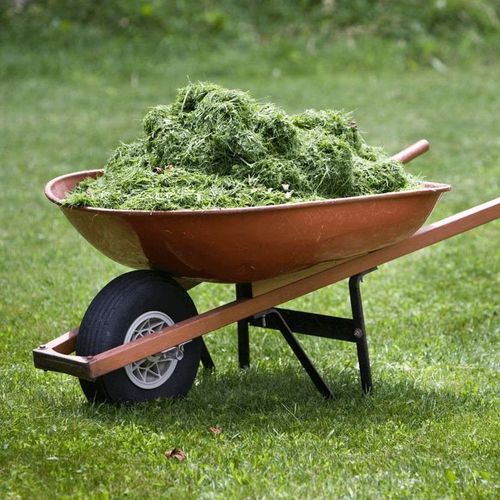
Credit: ezypeazy.co.nz
Benefits Of Mulching Grass Clippings
Mulching grass clippingshelps return important nutrientslike nitrogen back to the soil. This process improves soil health and reduces the need for extra fertilizers. It is an easy way to keep your lawn green and healthy.
Grass clippings also help with moisture retention. They create a thin layer that keeps the soil from drying out too fast. This means your lawn needs less watering and stays healthy longer during dry days.
- Suppresses weed growthby blocking sunlight
- Keeps soil temperature steady
- Reduces soil erosion
Mulching is a simple, natural way to help your lawn grow strong and stay green.
Choosing The Right Mower For Mulching
Choosing a mower with mulching capabilitieshelps recycle grass clippings easily. Look for models with a specialized mulching blade. These blades cut grass finely, allowing clippings to fall back and nourish the lawn.
Mulching mowers often have a closed deck design. This keeps clippings inside longer for better cutting. A powerful engineensures smooth cutting and mulching, especially in thick grass.
| Blade Type | Benefits | Maintenance Tips |
|---|---|---|
| Mulching Blade | Chops grass finely for quick decomposition | Sharpen regularly for best performance |
| Standard Blade | Good for bagging, less effective for mulching | Keep edges sharp and clean |
Regular blade sharpening keeps cuts clean and healthy. Dull blades tear grass, causing stress and disease. Check blades before each use. Replace blades if damaged or worn out.
Preparing Your Lawn For Mulching
Grass should be around three inches tall. This height helps mulching. It keeps clippings small and easy to spread. Too short grass may leave patches. Long grass can clog your mower. Adjust your mower to the right setting. This ensures a clean cut.
Dry clippings are best for mulching. They spread evenly and decompose quickly. Wet clippings tend to clump together. This can block sunlight to the grass. Mow in dry conditions for best results. Morning dew can make grass wet. Wait until the grass is dry to mow.
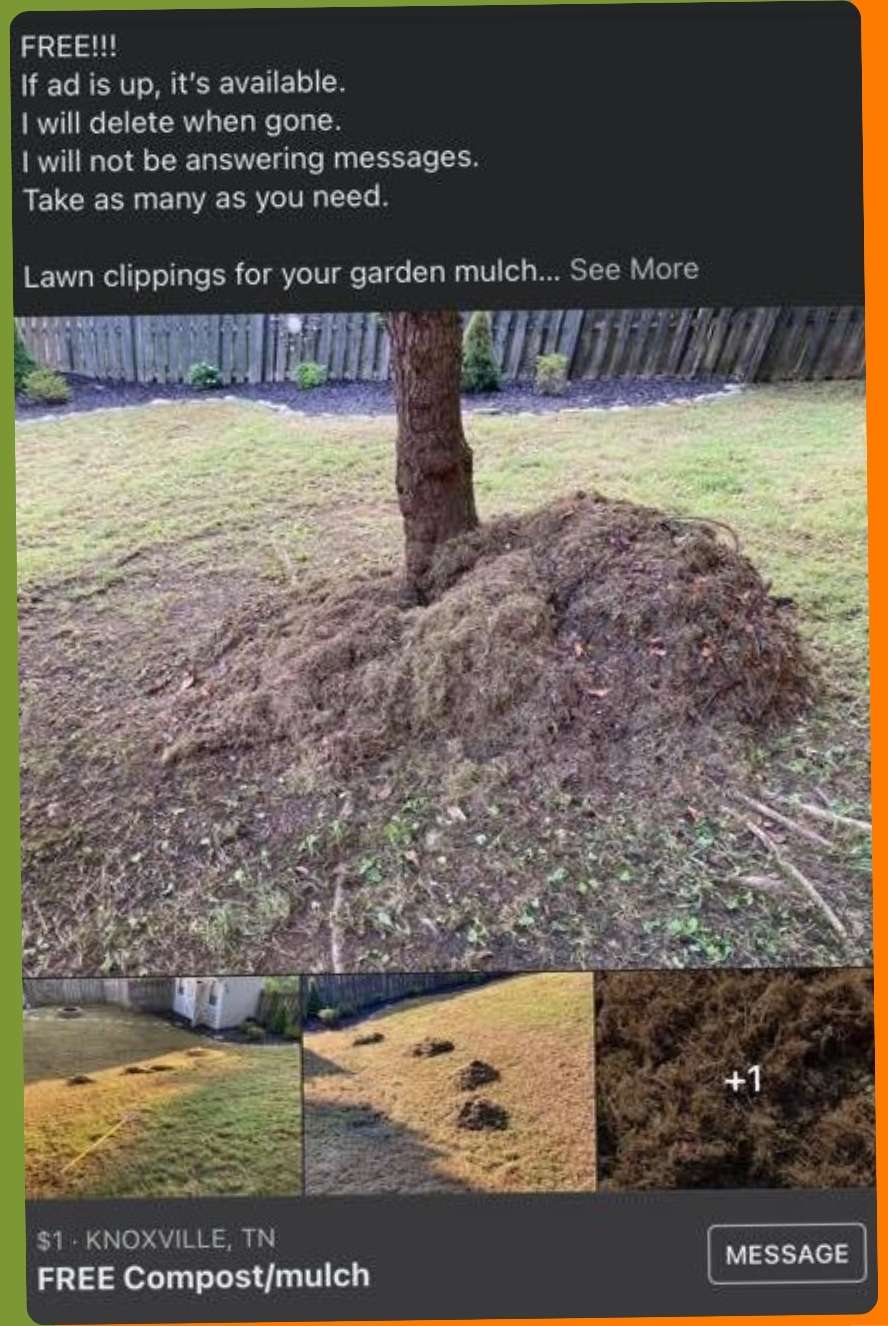
Credit: www.yourgreenpal.com
Step-by-step Mulching Process
Use a sharp mower blade to cut grass evenly. Set the mower height to leave grass about 2-3 inches tall. Avoid cutting more than one-third of the grass height at once. This helps clippings break down faster and spreads them thinly over your lawn.
- Cut dry grass for better mulching results.
- Move mower at a steady, moderate pace.
- Overlap slightly to spread clippings evenly.
- Change mowing direction each time for uniform coverage.
Common Mulching Mistakes To Avoid
Clumping clippingscan block water and air from reaching the soil. This often happens when grass is too long or wet. Spread clippings evenly to avoid thick layers. Use a sharp mower blade to make fine cuts. Thin layers dry faster and break down well.
Over-mulchingrisks include suffocating grass roots and causing mold. Too much mulch can trap moisture, leading to fungus growth. Keep mulch layer thin, about 1 to 2 inches. Remove excess clippings if they pile up. Proper mulching helps grass stay healthy and green.
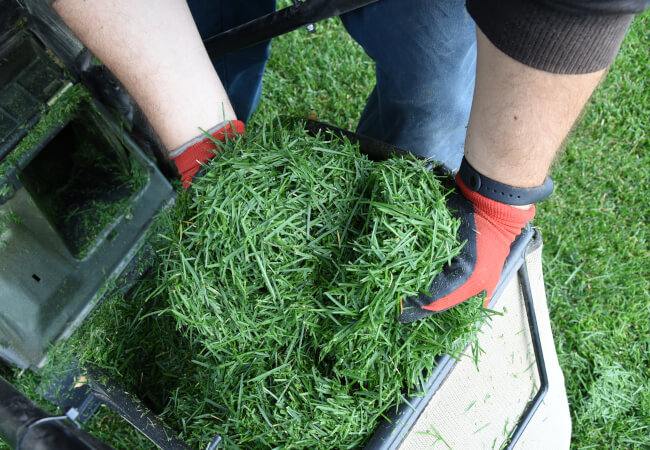
Credit: blog.fantasticservices.com
Seasonal Mulching Adjustments
Mulching grass clippings helps keep your lawn healthy and nourished. In spring and summer, mow frequently to avoid thick layers of clippings. Thin layers dry fast and break down easily. Avoid piling clippings; instead, spread them thinly to prevent mold and lawn damage.
During fall and winter, grass grows slower, so mow less often. Use a mulching mower to chop leaves and clippings together. This mix protects soil and adds nutrients. Avoid thick mulch layers that block sunlight.
| Season | Tips for Mulching Clippings |
|---|---|
| Spring and Summer |
|
| Fall and Winter |
|
Tools And Accessories To Enhance Mulching
Grass catchers collect clippings for easy disposal. Mulching kits chop clippings finely. This helps grass decompose quickly. Mulching kits keep nutrients in the soil. Grass catchers reduce mess but remove nutrients. Choose based on your lawn needs.
Lawn cleanup tools include rakes, blowers, and mowers. Rakes gather leaves and clippings. Blowers clear hard-to-reach spots fast. Mowers with mulching features cut grass finely. These tools make cleanup easier and faster.
| Tool | Purpose | Benefit |
|---|---|---|
| Grass Catcher | Collects clippings | Keeps lawn tidy |
| Mulching Kit | Chops clippings finely | Feeds soil nutrients |
| Rake | Gathers leaves and clippings | Easy cleanup |
| Leaf Blower | Clears leaves and debris | Fast cleaning |
Frequently Asked Questions
What Is The Best Way To Mulch Clippings Without A Bag?
The best way is to use a mulching mower that finely chops clippings. This allows grass to decompose quickly, enriching the soil naturally without needing to collect them.
Can Mulching Clippings Improve Lawn Health?
Yes, mulching clippings returns nutrients like nitrogen to the soil. This enhances soil moisture retention and promotes a greener, healthier lawn without extra fertilizers.
How Often Should I Mulch Grass Clippings?
Mulch clippings every time you mow, ideally when the grass is dry. Regular mulching prevents thatch buildup and maintains nutrient cycling for sustainable lawn care.
Will Mulching Clippings Cause Lawn Diseases?
No, mulching fresh, dry clippings typically does not cause diseases. Proper mowing height and frequency help prevent fungal growth and keep your lawn disease-free.
Conclusion
Mulching clippings without a bag saves time and helps your lawn stay healthy. Grass clippings break down quickly and add nutrients to the soil. This method reduces waste and keeps your yard clean naturally. Remember to mow when the grass is dry and cut small amounts at a time.
Mulching this way supports strong roots and green grass. Try these tips to keep your lawn green and happy all season. Simple steps make a big difference in your garden care.





