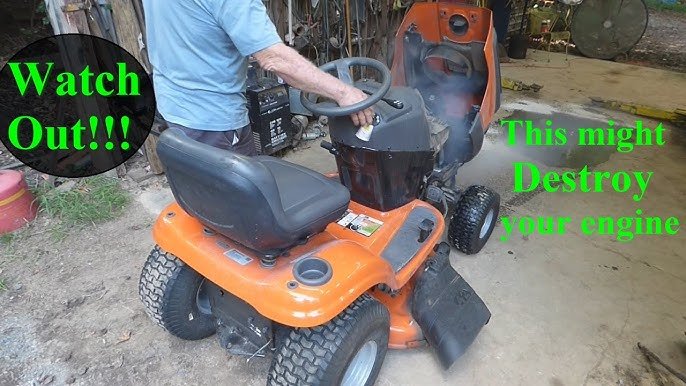
Is your riding mower refusing to start just when you need it most? It’s frustrating, time-consuming, and can throw off your entire day.
But don’t worry—you don’t have to call a repair shop or buy a new mower right away. In this guide, you’ll discover simple, step-by-step fixes that anyone can try. By the end, you’ll know exactly how to get your mower running smoothly again, saving you time, money, and stress.
Ready to bring your mower back to life? Let’s dive in.
Common Reasons Mowers Fail To Start
Riding mowers often fail to start due to common issues that affect their basic functions. These problems usually involve the battery, fuel, ignition, or engine systems. Knowing these causes helps to diagnose and fix the mower quickly. This saves time and prevents frustration.
Battery And Electrical Issues
The battery is the heart of the mower’s electrical system. A dead or weak battery often stops the mower from starting. Corroded or loose battery connections can also block power flow. Faulty wiring or blown fuses can cause electrical failure. Regular battery checks and cleaning terminals help maintain good contact.
Fuel System Problems
Fuel issues are a major cause of starting problems. Old or stale fuel can clog the carburetor and fuel lines. A dirty fuel filter blocks the flow of gasoline to the engine. Air in the fuel line or a faulty fuel pump stops fuel delivery. Using fresh fuel and cleaning the fuel system improves performance.
Ignition System Failures
The ignition system creates the spark needed for the engine. Faulty spark plugs or bad ignition coils stop this spark. Worn or damaged ignition wires reduce spark strength. Dirty spark plugs cause weak ignition. Regular inspection and replacement of these parts keep the mower running.
Engine And Mechanical Troubles
Mechanical problems inside the engine can prevent starting. A clogged air filter limits airflow and chokes the engine. Low oil levels trigger safety switches to stop the engine. Engine compression issues reduce power needed for start. Checking filters, oil, and engine parts helps avoid these troubles.
Checking The Battery And Connections
Checking the battery and connections is a key step in fixing a riding mower that won’t start. A weak or dead battery often causes starting problems. Loose or dirty connections can also stop the mower from getting power.
Start by making sure the battery has enough charge. Then, inspect the terminals for dirt or corrosion. Clean and tighten the terminals to ensure a solid connection. These simple checks can restore power and help the mower start smoothly.
Testing Battery Charge
Use a multimeter to check the battery voltage. A fully charged battery shows about 12.6 volts or more. If the reading is below 12 volts, the battery needs charging or replacement.
Another way to test is by trying to start the mower. If the engine only clicks or doesn’t turn over, the battery might be weak. Recharge it with a battery charger or swap it with a known good battery to test.
Cleaning And Tightening Terminals
Dirty or loose terminals stop the battery from sending power. First, disconnect the battery cables, starting with the negative (-) side. Use a wire brush or battery terminal cleaner to remove corrosion and dirt.
After cleaning, reconnect the cables. Tighten them firmly but avoid over-tightening. Secure connections help the battery deliver steady power to the mower’s starter motor and ignition system.
Inspecting The Fuel System
Checking the fuel system is a key step in fixing a riding mower that won’t start. Fuel problems often cause engine issues. Dirt, old fuel, or blockages can stop fuel from reaching the engine properly. Inspecting the fuel system helps find these problems fast. This section covers draining old fuel, replacing the fuel filter, and checking fuel lines for blockages. These tasks improve fuel flow and help the mower start smoothly.
Draining Old Fuel
Old fuel can lose its power and cause starting problems. Gasoline breaks down after a few months. Drain the fuel tank to remove stale fuel. Use a clean container to catch the drained fuel. Dispose of old fuel safely at a recycling center. After draining, refill with fresh gasoline. Fresh fuel helps the engine run better and start easily.
Replacing Fuel Filter
The fuel filter keeps dirt out of the engine. A clogged filter blocks fuel flow. Locate the fuel filter along the fuel line. Remove the old filter carefully. Insert a new filter in the same direction as the old one. Secure the connections tightly. Regular filter replacement prevents engine problems and keeps fuel clean.
Checking Fuel Lines For Blockages
Fuel lines carry gasoline from the tank to the engine. Blockages can stop fuel flow. Inspect the lines for cracks, leaks, or kinks. Remove any debris or dirt around the lines. Blow compressed air through the lines to clear small blockages. Replace damaged fuel lines immediately. Clear, intact lines ensure steady fuel delivery to the engine.

Credit: www.youtube.com
Addressing Ignition And Spark Plug Issues
Check the spark plug for dirt or damage, as it often causes starting problems. Cleaning or replacing the spark plug can restore ignition and get the mower running again. Ensure the ignition switch is working properly to allow the engine to start smoothly.
Addressing ignition and spark plug issues can solve many mower problems. These components play a vital role in starting your riding mower. If your mower fails to start, spark plugs could be the cause. Understanding how to handle these issues is key.Removing And Inspecting Spark Plug
Begin by turning off the mower and removing the key. Locate the spark plug wire and detach it carefully. Use a spark plug wrench to unscrew the plug. Inspect the spark plug for any visible damage or dirt. Look for cracks, rust, or heavy deposits. A damaged plug can prevent the mower from starting.Cleaning Or Replacing Spark Plug
If the spark plug is dirty, clean it with a wire brush. Remove any carbon buildup or grime. Ensure the gap between the electrodes is correct. If the plug is damaged, replace it with a new one. Ensure the new plug matches the specifications of your mower. Screw it in place and reattach the spark plug wire.Testing For Spark
Reconnect the spark plug wire to test for spark. Hold the plug against a metal part of the engine. Turn the ignition key and watch for a spark. A visible spark indicates the ignition system is working. If there’s no spark, further investigation is needed. This could mean a deeper ignition system issue.Examining Engine Components
Examining your riding mower’s engine components is essential when it refuses to start. Small issues within the engine can stop it from running smoothly, but they often go unnoticed. Taking a closer look at key parts like the air filter, carburetor, and oil can save you time and money.
Checking Air Filter Condition
Your mower’s air filter controls the airflow to the engine. A clogged or dirty air filter can choke the engine, making it hard to start. Remove the filter and hold it up to the light—if you see little to no light passing through, it’s time to clean or replace it.
Keep in mind that a clean air filter improves fuel efficiency and reduces engine wear. If you’ve been mowing in dusty conditions, check the air filter more often. Have you noticed your mower running rough or stalling? The air filter might be the culprit.
Inspecting Carburetor
The carburetor mixes air and fuel for the engine. Dirt and old fuel can clog its tiny passages, preventing the engine from starting. Carefully remove the carburetor and inspect it for gunk or buildup. If it looks dirty, soak it in carburetor cleaner and use a soft brush to clear any debris.
Make sure the fuel jets aren’t blocked and that the float moves freely. A stuck float or clogged jets can cause fuel starvation. Have you checked if fuel is reaching the carburetor? Sometimes the fuel line or filter might be the hidden problem.
Assessing Oil Levels And Quality
Oil lubricates your engine’s moving parts, so the right level and quality are crucial. Too little oil can cause serious damage, while old, dirty oil reduces performance. Pull out the dipstick and check the oil level and color—if it’s dark or gritty, it’s time for a change.
Think about how long it’s been since your last oil change. If you can’t remember, don’t wait any longer. Clean, fresh oil helps your engine run smoothly and start easily, especially after long periods of inactivity.
Step-by-step Starting Procedure
Knowing the exact procedure to start a riding mower can save time and avoid frustration. A clear, step-by-step approach helps identify common issues and ensures the mower runs smoothly. Follow these instructions carefully to prepare your mower and use the right starting technique.
Preparing The Mower For Start
- Check the fuel level. Use fresh gasoline only.
- Inspect the oil. Add more if it is low.
- Make sure the parking brake is on.
- Set the blade engagement to off.
- Ensure the mower is on a flat surface.
- Look for any loose parts or debris around the engine.
- Verify the battery is charged and connections are clean.
Using The Correct Starting Technique
- Insert the key and turn it to the “on” position.
- Push the choke lever fully if the engine is cold.
- Press the brake pedal firmly.
- Pull the throttle control slightly forward.
- Turn the key to start the engine.
- Release the key once the engine starts.
- Gradually push the choke back as the engine warms up.
Preventive Maintenance Tips
Preventive maintenance helps keep your riding mower in good shape. It stops many common problems that cause starting issues. A few simple habits can save time and money. Regular care improves mower performance and extends its life. Follow these tips to avoid frustration and keep your mower ready to go.
Regular Cleaning And Servicing
Clean your mower after every use. Remove grass clippings, dirt, and debris from blades and deck. Check and change the oil regularly. Replace air filters to keep the engine running smoothly. Inspect spark plugs and replace if worn or dirty. Tighten loose bolts and parts. Regular servicing by a professional helps catch hidden problems early.
Proper Storage Practices
Store your mower in a dry, sheltered place. Keep it away from rain and moisture to prevent rust. Drain the fuel or add a fuel stabilizer before storage. Remove the battery and store it indoors during winter. Cover the mower with a breathable cover to avoid dust buildup. Proper storage protects your mower and helps it start easily next season.

Credit: www.youtube.com

Credit: www.youtube.com
Frequently Asked Questions
Why Won’t My Riding Mower Start At All?
Common causes include a dead battery, clogged fuel filter, or faulty spark plug. Check each part carefully to fix it.
How Do I Check The Battery On My Mower?
Use a multimeter to test voltage or try jump-starting. Clean terminals if corroded to ensure good connection.
Can Dirty Air Filters Prevent Mower Starting?
Yes, a clogged air filter restricts airflow, causing starting problems. Clean or replace it regularly for smooth operation.
What Role Does The Spark Plug Play In Starting?
The spark plug ignites the fuel-air mix. If dirty or damaged, it can stop the engine from starting.
Conclusion
Fixing a riding mower that won’t start can be simple. Check the battery, fuel, and spark plug first. Clean or replace parts if needed. Regular maintenance helps avoid future problems. Stay patient and follow each step carefully. Soon, your mower will run smoothly again.
Keep your lawn looking great all season. Simple care saves time and money. Don’t give up—small fixes make a big difference.





