
Is your lawn mower leaving uneven cuts or tearing the grass instead of slicing it cleanly? Dull mower blades could be the reason.
Sharpening your mower blades at home might sound tricky, but it’s easier than you think—and it can save you time and money. Imagine having a perfectly manicured lawn without the hassle of buying new blades or hiring a pro. In this guide, you’ll discover simple, step-by-step tips to get your mower blades sharp and ready to deliver a clean, smooth cut every time.
Keep reading—you’re just a few easy steps away from a healthier, greener lawn.

Credit: www.mowmore.com
Tools Needed
Sharpening mower blades at home requires some basic tools. These tools help you work safely and get sharp, even edges. Having the right equipment makes the task easier and faster. Prepare all items before starting to avoid interruptions.
Essential Sharpening Tools
- Flat file or a sharpening stone for manual sharpening
- Angle grinder or bench grinder for faster sharpening
- Wire brush to clean rust and dirt from blades
- Wrench or socket set to remove and reattach blades
- Clamp or vise to hold the blade steady
- Marker to mark the blade edge before sharpening
- Measuring tool to check blade balance after sharpening
Safety Gear
- Protective gloves to avoid cuts and scrapes
- Safety goggles to protect eyes from sparks and metal shards
- Hearing protection if using loud power tools
- Long sleeves to protect arms from flying debris
- Dust mask if working in dusty or rusty conditions
Preparing The Mower
Preparing the mower is the first and most important part of sharpening blades at home. Safety is the top priority. Taking the right steps ensures a smooth process and prevents accidents. Before touching the blades, the mower must be made safe and ready.
Disconnecting The Spark Plug
Disconnect the spark plug wire from the spark plug. This stops the mower from starting accidentally. Use gloves for extra protection. Secure the wire away from the plug so it does not touch it again. This simple action protects your hands and fingers during blade removal.
Removing The Blade
Turn the mower on its side with the air filter facing up. This prevents oil leaks. Use a wrench to loosen the blade bolt. Hold the blade firmly to avoid slipping. Remove the bolt and carefully take off the blade. Keep all parts in a safe place for reassembly.
Sharpening Techniques
Sharpen mower blades using a file or grinder for a clean cut. Remove the blade, secure it, and carefully sharpen each edge. Regular sharpening improves lawn health and mower performance.
Sharpening your mower blades at home doesn’t have to be a daunting task. With the right techniques, you can ensure your blades are sharp, effective, and ready to tackle your lawn. Let’s look at some practical ways to get those blades back in shape.Using A File
Using a file is a straightforward and inexpensive way to sharpen your mower blades. Secure the blade in a vice to keep it steady, then hold the file at the same angle as the blade’s edge. Make smooth, consistent strokes along the edge, applying even pressure. Check your progress regularly to avoid over-sharpening. Does the edge feel sharp to the touch? If yes, you’re done!Using A Bench Grinder
A bench grinder can make the sharpening process quicker and more efficient. Before you start, ensure you’re wearing safety goggles and gloves. Hold the blade at the correct angle and gently press it against the grinder. Move the blade back and forth to sharpen evenly. Be careful not to overheat the blade, which can weaken it. If it starts to get too hot, pause for a moment to let it cool down.Using A Sharpening Stone
A sharpening stone is a great option for more precise sharpening. Wet the stone with a little water or oil to reduce friction. Hold the blade at the correct angle and use smooth, even strokes. This method allows for better control and a finer edge. Take your time and check the sharpness frequently. The effort will pay off with a cleaner, more precise cut. What method suits you best? Try them out and see which one gives you the best results!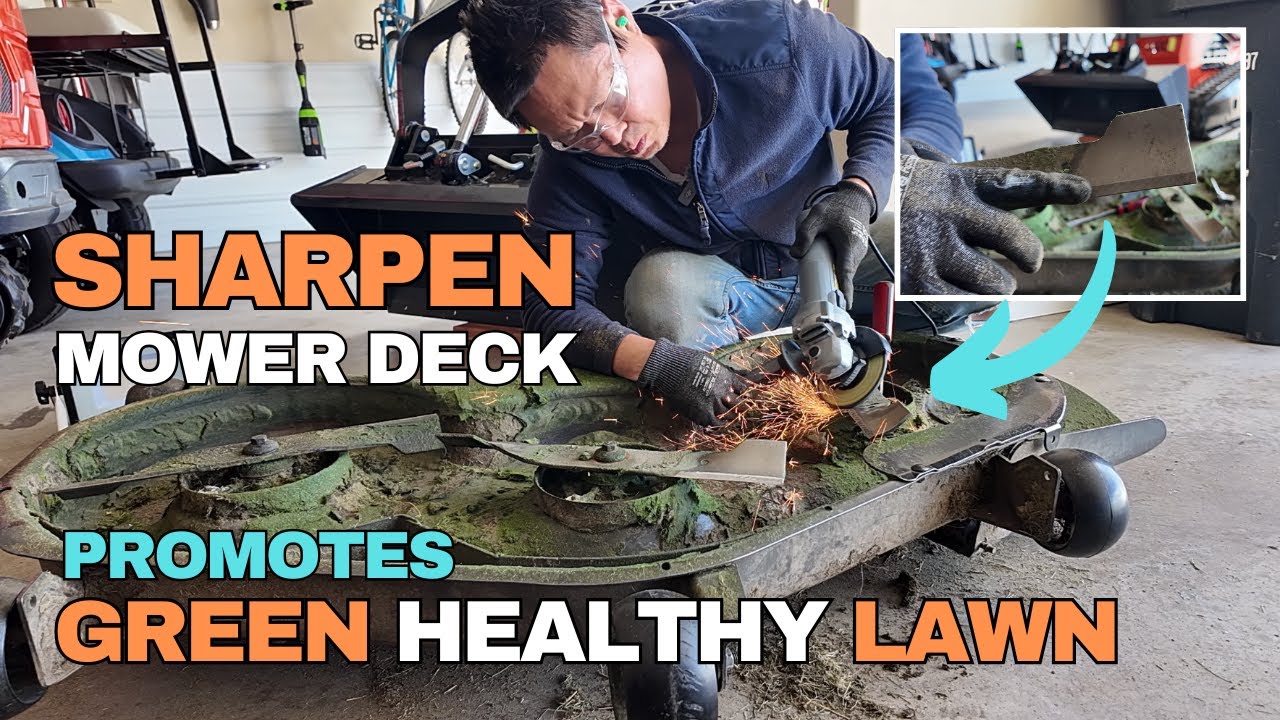
Credit: www.youtube.com
Balancing The Blade
Balancing the mower blade is a crucial step after sharpening. An unbalanced blade can cause uneven cuts and vibrations that damage your mower’s motor. Taking a few extra minutes to balance the blade ensures a smoother mowing experience and extends the life of your equipment.
Why Balancing The Blade Matters
Have you ever felt your mower shake or heard strange noises during use? These are signs of an unbalanced blade. A blade that’s heavier on one side puts extra strain on the engine and can lead to premature wear.
Balancing helps the blade spin evenly, providing a clean cut and reducing stress on your mower’s parts.
Tools You’ll Need To Balance The Blade
- A blade balancer tool (available at most hardware stores)
- A nail or screwdriver (if you don’t have a balancer)
- Protective gloves for safety
You don’t need fancy equipment. A simple nail fixed between two supports can work as a makeshift balance point.
How To Check The Balance
Hang your blade horizontally on the balancer or nail through the center hole. The blade should stay level without tipping to one side. If one end dips, that side is heavier and needs adjustment.
Try sharpening the heavier side a bit more or filing down small amounts until the blade balances evenly.
Tips For Safe And Effective Balancing
- Always wear gloves to protect your hands from sharp edges.
- Work in a well-lit area to see the blade clearly.
- Balance after every sharpening to maintain optimal performance.
Balancing might seem minor, but it makes a big difference. Have you checked your blade balance before or just sharpened and reinstalled it? Give balancing a try next time and feel the difference.
Reinstalling The Blade
After sharpening your mower blades, putting them back correctly is crucial for safety and performance. Reinstalling the blade might seem simple, but mistakes here can cause damage or injury. Take your time and make sure every part fits as it should.
Securing The Blade Properly
First, align the blade with the mower’s spindle. Check that the blade’s cutting edge faces the right direction—usually, the sharp edge points toward the ground.
Use a torque wrench to tighten the bolt to the manufacturer’s recommended specification. Over-tightening can strip threads, while under-tightening risks the blade coming loose during operation.
If you don’t have a torque wrench, tighten the bolt firmly but carefully. Consider using a thread-locking compound for extra security, especially if your mower vibrates a lot.
Testing The Mower
Once the blade is secured, test your mower before mowing the whole lawn. Start it on a flat surface and listen for unusual noises or vibrations.
Pay attention to how the mower feels—does it run smoothly or does the engine struggle? If anything feels off, turn it off immediately and recheck the blade installation.
Have you ever ignored a strange noise only to regret it later? Catching problems early saves you time and money on repairs.
Maintenance Tips
Maintaining mower blades is crucial for a healthy lawn and a smooth mowing experience. Proper care helps blades stay sharp longer and prevents damage. Small efforts keep your mower working well and safe to use.
Regular Sharpening Schedule
Set a regular time to sharpen your mower blades. Sharpen blades after every 20-25 hours of mowing. A sharp blade cuts grass cleanly, improving lawn health. Dull blades tear grass, causing brown tips and disease risk. Check blades more often if the lawn has many sticks or rocks. Keep a sharpening tool handy for quick touch-ups during the season.
Blade Care And Storage
Clean blades after each use to remove grass and dirt. Use a brush or cloth to wipe blades dry. Moisture can cause rust, so dry blades thoroughly before storage. Store blades in a dry, cool place away from moisture. If removing blades for storage, coat them lightly with oil to prevent rust. Avoid storing mower in damp areas to keep blades sharp and safe.

Credit: www.thisoldhouse.com
Frequently Asked Questions
How Often Should Mower Blades Be Sharpened?
Mower blades should be sharpened after every 20-25 hours of use. Regular sharpening ensures clean cuts and lawn health. Dull blades tear grass, causing damage and uneven mowing. Seasonal checks help maintain optimal blade sharpness and extend blade life.
What Tools Do I Need To Sharpen Mower Blades At Home?
You need a bench grinder, metal file, or rotary tool for sharpening. Safety gear like gloves and goggles is essential. A wrench is required to remove blades. Having a blade balancer helps ensure even sharpening and smooth mower operation.
Can I Sharpen Mower Blades Without Removing Them?
Sharpening mower blades without removal is possible but less effective. Removing blades allows better access and safer, precise sharpening. Always disconnect the spark plug before attempting any blade work to prevent accidents.
How Do I Balance Mower Blades After Sharpening?
Balance blades by placing them on a blade balancer or nail. If one side dips, file the heavier side evenly. Balanced blades reduce vibration and wear, improving mower performance and cutting quality.
Conclusion
Sharpening mower blades at home saves time and money. Clean, sharp blades cut grass evenly and keep your lawn healthy. Follow safety steps to avoid accidents while sharpening. Use the right tools to make the job easier and better. Regular blade care helps your mower last longer.
Try this simple task yourself and enjoy a neat yard.





