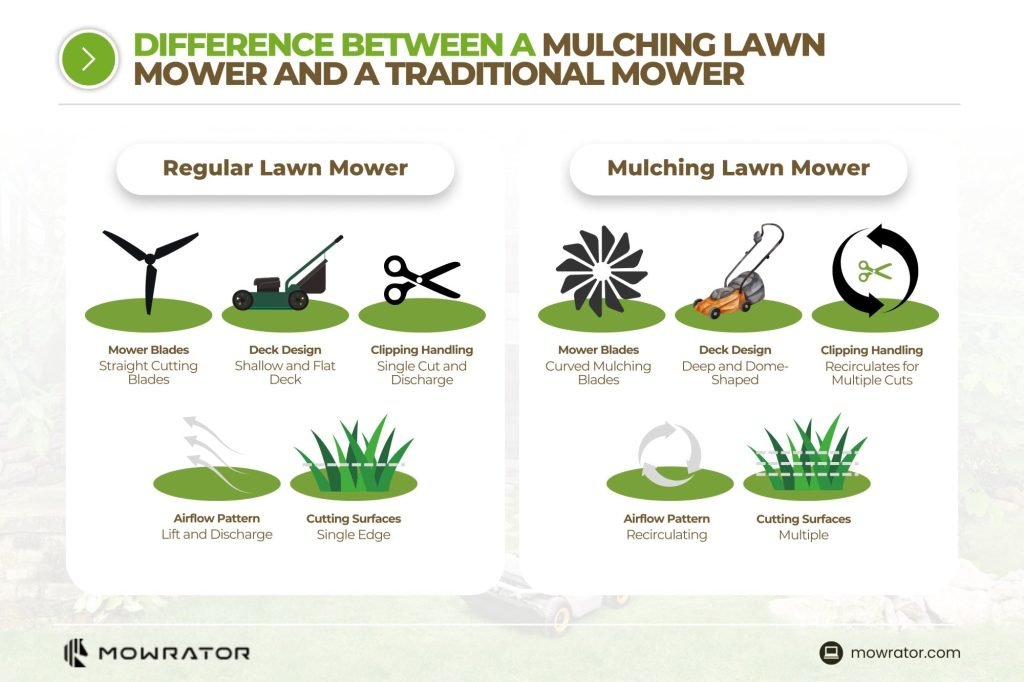
Are you struggling to get the most out of your mulch? Mulching can transform your garden by keeping weeds at bay, retaining moisture, and improving soil health—but only if it’s done right.
Imagine your plants growing stronger, your soil richer, and your garden looking healthier with just a few simple changes. You’ll discover easy tips and proven tricks to boost your mulching performance. Get ready to unlock the full potential of your garden and see results faster than you thought possible.
Keep reading to find out how!

Credit: au.mowrator.com
Benefits Of Effective Mulching
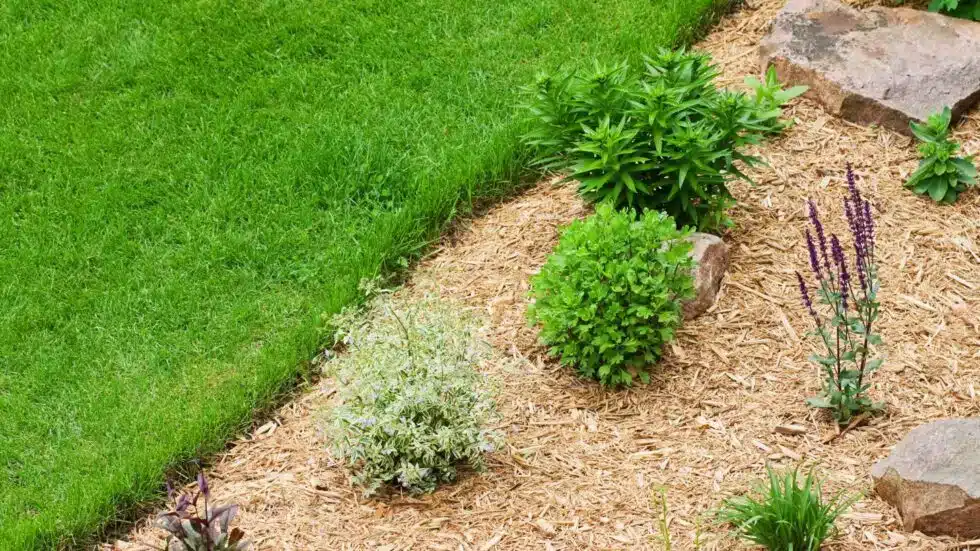
Effective mulchinghelps keep soil moistby reducing water evaporation. This saves water and helps plants grow better.
Mulch blocks sunlight, which stops weedsfrom growing. Fewer weeds mean less competition for nutrients and space.
Mulch acts like a blanket. It keeps soil cool in summerand warm in winter. This protects plant roots from harsh temperatures.
Mulching improves soil healthby adding organic matter. As mulch breaks down, it feeds tiny soil creatures. This makes soil rich and fertile.
Credit: mulchpros.com
Choosing The Right Mulch
Organic mulchis made from natural materials like leaves, straw, and bark. It improves soilby adding nutrients as it breaks down. Inorganic mulchincludes plastic, gravel, or rubber. It lasts longerbut does not enrich soil.
| Plant Type | Best Mulch Type | Reason |
|---|---|---|
| Vegetables | Organic (straw, compost) | Improves soil fertility and moisture |
| Flower Beds | Organic (bark, wood chips) | Keeps soil cool and adds nutrients |
| Pathways | Inorganic (gravel, rubber) | Prevents weeds and lasts long |
| Trees & Shrubs | Organic (wood chips, leaves) | Protects roots and retains moisture |
Good mulch should have the right texture. It must be loose enoughto let air and water pass. Fine mulchcan get compacted and stop water flow. Coarse mulchhelps soil breathe and drains well.
Preparing The Area For Mulching
Clear the ground of weeds and debris to help mulch stay in place. Loosen the soil slightly for better water absorption and root growth.
Clearing Weeds And Debris
Remove all unwanted plants first. Weeds compete with mulch for nutrients. Use a garden tool for this task. Clear out any debris too. Twigs and leaves can block mulch. Keep the area clean and tidy.
Soil Preparation Techniques
Loosen the soil with a rake. This helps the mulch settle well. Mix in some compost for added nutrients. Ensure the soil is even. Uneven soil can cause water pooling. Well-prepared soil supports healthy plants.
Proper Moisture Levels
Check that the soil is damp but not soggy. Dry soil won’t support mulch well. Water the area lightly if needed. Avoid overwatering to prevent root rot. Keep moisture levels balanced for best results.
Credit: www.quickcrop.co.uk
Applying Mulch Correctly
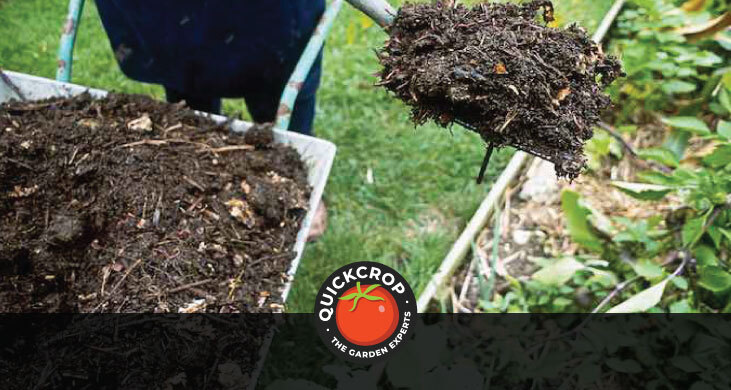
Ideal mulch depthis usually between 2 to 4 inches. Too thin mulch won’t stop weeds well. Too thick mulch can block water and air from reaching plants. Keep mulch a little away from plant stems to avoid rot and pests.
- Place mulch evenly around plants, covering soil fully.
- Keep mulch 1-2 inches away from tree trunks and stems.
- Water the soil before and after applying mulch.
- Use organic mulch like wood chips or straw for better soil health.
Avoid common mistakeslike piling mulch too deep. Don’t let mulch touch plant stems directly. Avoid mulch with weed seeds. Remove old mulch before adding new layers to stop pests and diseases.
Maintaining Mulch For Longevity
Regularly check mulch for thinning or decay. Thin mulch lets weeds grow and soil dry out. Look for mold or bad smells that show rot. Remove old, broken mulch to keep soil healthy.
Top up mulch every year or when it looks thin. Keep mulch at 2-4 inches thick for best results. Too much mulch can stop water and air from reaching roots. Spread new mulch evenly without piling it near plant stems.
Watch for pests like insects and rodents that can hide in mulch. Remove mulch if pests appear and treat the area. Use mulch that resists pests, such as cedar or cypress. Keep mulch dry to prevent diseases. Good air flow helps stop mold and fungus.
Advanced Mulching Techniques
Layering mulchhelps keep the soil moist and cool. Start with a thin layer of fine mulch to cover the soil. Add a thicker layer of coarse mulch on top. This stops weeds better and lets water soak in slowly. Avoid piling mulch too thick to prevent air flow problems.
Mixing mulch with fertilizerscan feed plants while protecting soil. Use organic fertilizers like compost or manure under the mulch. This slowly releases nutrients as the mulch breaks down. It saves time and helps plants grow healthy.
| Season | Mulch Use Tips |
|---|---|
| Spring | Use light mulch to warm the soil and keep weeds low. |
| Summer | Apply thick mulch to keep soil cool and moist. |
| Fall | Use mulch to protect roots from cold and slow nutrient loss. |
| Winter | Apply thick mulch to insulate plants and prevent frost damage. |
Frequently Asked Questions
What Is The Best Mulch Type For Improving Performance?
Organic mulches like wood chips and straw enhance soil health and retain moisture. Choose based on your plant needs and local climate.
How Often Should I Replace Mulch For Best Results?
Replace mulch annually or when it decomposes significantly. This maintains soil protection, moisture retention, and weed control effectively.
Can Mulch Improve Soil Fertility And Structure?
Yes, organic mulch breaks down, enriching soil with nutrients and improving texture. This promotes healthy root growth and plant vigor.
How Thick Should Mulch Layers Be For Optimal Performance?
Apply mulch 2 to 4 inches thick. Too thin reduces effectiveness; too thick can suffocate roots and cause rot.
Conclusion
Improving mulching performance helps your plants grow strong and healthy. Use the right mulch type and apply it properly. Keep mulch away from plant stems to avoid rot. Water mulch regularly to keep soil moist. Check mulch thickness; too much or too little can harm plants.
Mulching also saves water and reduces weeds. Small changes make a big difference in your garden. Try these tips and watch your garden thrive with better mulch care. Simple steps lead to great results. Mulching done right means happier plants all season.





