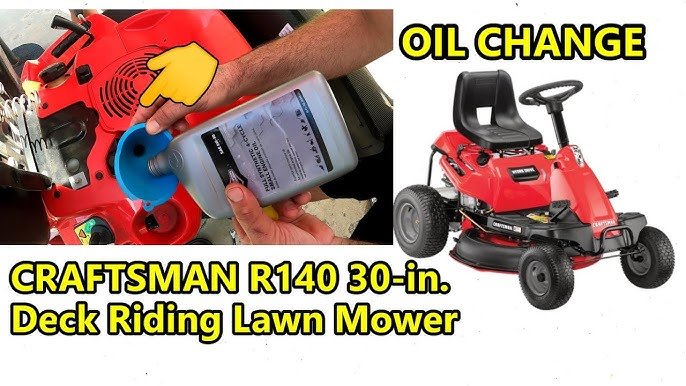
Changing the oil in your lawn mower might seem like a small task, but it’s one of the easiest ways to keep your mower running smoothly and extend its life. If you’ve ever felt unsure about how to do it or worried about making a mistake, you’re not alone.
This guide will walk you through each step in a simple, clear way so you can take control of your mower’s maintenance. By the time you finish reading, you’ll know exactly how to change your lawn mower’s oil quickly and safely—saving you time, money, and frustration.
Ready to get started? Let’s dive in!
:max_bytes(150000):strip_icc()/GettyImages-1267584660-26f71400e7384966be4d68433e3418b7.jpg)
Credit: www.marthastewart.com
Why Change Lawn Mower Oil
Changing the oil in your lawn mower isn’t just another maintenance chore—it’s key to keeping your mower running smoothly season after season. You might wonder why this simple task matters so much. Understanding why you need to change lawn mower oil helps you protect your investment and avoid costly repairs down the line.
Oil’s Role In Engine Health
Oil acts as the lifeblood of your lawn mower’s engine. It lubricates moving parts, reducing friction that causes wear and tear. Without fresh oil, metal components grind against each other, leading to overheating and engine damage.
Besides lubrication, oil also carries away heat and traps dirt and debris inside its particles. This keeps the engine clean and cool. Have you ever felt how hot your mower’s engine gets after use? That heat needs managing, and oil does this job quietly but effectively.
Signs Of Old Or Dirty Oil
Knowing when your lawn mower oil is old or dirty can save you a lot of trouble. If the oil looks dark, thick, or gritty, it’s time for a change. Clean oil is usually clear or light amber, while dirty oil loses its color and consistency.
Other signs include the engine running roughly or starting with difficulty. You might also notice increased exhaust smoke. These symptoms mean your oil isn’t protecting the engine like it should.
Benefits Of Regular Oil Changes
Changing your lawn mower’s oil regularly extends the engine’s life and improves performance. Fresh oil reduces friction, helping the engine run cooler and more efficiently. This means less fuel consumption and smoother operation.
Regular oil changes also prevent buildup of sludge and contaminants that can clog engine parts. Think of it as giving your mower a fresh start every season. Would you want your mower to struggle through a job or work like new each time you start it?

Credit: www.familyhandyman.com
Tools And Materials Needed
Changing the oil in your lawn mower is a simple task that needs the right tools and materials. Having everything ready makes the job faster and safer. Prepare the tools and supplies before you start to avoid interruptions. Use items designed for small engines to protect your mower’s parts.
Essential Tools
- Socket wrench or adjustable wrench for removing the drain plug
- Oil drain pan to catch old oil
- Funnel to pour new oil without spilling
- Clean rags or paper towels for wiping spills
- Oil filter wrench if your mower has an oil filter
Choosing The Right Oil
Use oil made for small engines. Check your mower’s manual for the recommended type. Usually, 10W-30 oil works well in many climates. Synthetic oil may last longer but is more expensive. Avoid automotive oil as it can harm the engine.
Safety Gear
- Gloves to protect your hands from hot oil and dirt
- Safety glasses to shield your eyes from splashes
- Old clothes or coveralls to keep clean
Preparing The Lawn Mower
Begin by placing the lawn mower on a flat surface and turning off the engine. Allow the mower to cool down before you start changing the oil. Gather all necessary tools like an oil pan, wrench, and fresh oil for a smooth process.
Preparing your lawn mower for an oil change is a crucial step that sets the stage for a smooth and efficient process. By taking the time to position your mower correctly, allowing the engine to cool, and gathering all necessary supplies, you ensure a hassle-free experience. Let’s dive into these essential preparatory steps.Positioning The Mower
Start by moving your lawn mower to a flat, stable surface. This is important to prevent any accidental spills or the mower tipping over. Consider placing a piece of cardboard or an old sheet beneath it to catch any drips. Ensure the mower is turned off and the key is removed if it’s a riding mower. Safety should always be your priority. Tipping the mower to one side can cause oil to spill into the carburetor or air filter, so keep it upright.Cooling Down The Engine
Before you start, let your mower’s engine cool down. This step is crucial since working with a hot engine can be dangerous. Allowing it to cool not only ensures your safety but also prevents the oil from being too hot and potentially causing burns. It’s a perfect time to grab a cup of coffee or take a short break. Is your engine cool to the touch? If so, you’re good to go!Gathering Supplies
Gathering your supplies beforehand saves you from interruptions. You’ll need a few basics: the right type and amount of oil for your mower, an oil pan to catch the old oil, and a wrench to remove the oil plug. A funnel can be handy to avoid spills when adding new oil. Have some rags or paper towels ready for any unexpected messes. You’re almost ready to tackle the oil change with confidence! Preparing your lawn mower thoughtfully can make the oil-changing process smooth and efficient. As you set up, consider how these simple steps can save you time and energy in the long run. Have you ever skipped a step and faced challenges? Share your experiences in the comments!Draining The Old Oil
Draining the old oil is an essential part of lawn mower maintenance. It removes dirt and debris that harm the engine. Clean oil helps the mower run smoothly and last longer.
To drain the oil safely, you need to find the drain plug. The process requires care to avoid spills. Proper disposal of used oil protects the environment.
Locating The Drain Plug
Turn the mower on its side carefully. Look near the bottom of the engine. The drain plug is a small bolt or screw.
Check the owner’s manual for the exact spot. It may also be under a plastic cover. Use a flashlight if needed to see clearly.
Draining Process
Place a container under the drain plug to catch the oil. Use a wrench to loosen the plug slowly. Let the oil flow out completely.
Remove the oil cap on top of the engine. This helps oil drain faster. Wait a few minutes to ensure all old oil drains out.
Disposing Of Used Oil
Never pour used oil down drains or on the ground. It can pollute soil and water. Collect the oil in a sealed container.
Take the container to a recycling center or auto shop. Many places accept used oil for free. Follow local rules for safe disposal.
Adding New Oil
Adding new oil to your lawn mower is a key part of its care. It keeps the engine running smoothly and helps avoid damage. The process is simple but requires attention to detail. Choosing the right oil, filling the reservoir correctly, and checking levels are all important steps. Follow these guidelines to ensure your mower works well all season.
Selecting The Correct Oil Type
Use the oil type recommended in your mower’s manual. Most lawn mowers need SAE 30 oil for warm weather. For cooler climates, 10W-30 is often better. Synthetic oils can last longer but check compatibility first. Avoid mixing different oil types to prevent engine problems.
Filling The Oil Reservoir
Place the mower on a flat surface before adding oil. Remove the oil fill cap or dipstick carefully. Use a clean funnel to pour oil slowly into the reservoir. Fill up to the recommended level but do not overfill. Wipe any spilled oil to keep the mower clean.
Checking Oil Levels
After filling, insert the dipstick back into the reservoir. Pull it out and check the oil level against the marks. The oil should be between the “full” and “add” marks. If low, add a small amount more and recheck. Proper oil level helps the engine run efficiently and last longer.

Credit: www.youtube.com
Final Checks And Maintenance Tips
After changing the oil in your lawn mower, taking a few final steps ensures your machine runs smoothly and lasts longer. These checks and maintenance tips help you catch any issues early and keep everything clean and organized.
Inspecting For Leaks
Once you’ve added fresh oil, carefully inspect the mower around the drain plug and oil fill cap. Look for any signs of dripping or pooling oil. Even a small leak can cause engine problems later.
Gently tilt the mower from side to side to help spot leaks in hidden areas. If you notice any leaks, tighten the drain plug or replace the washer. Have you ever ignored a minor drip only to deal with a bigger mess later?
Cleaning Up
Oil spills can attract dirt and damage parts, so wipe off any excess oil around the engine. Use a clean rag to remove oil residue and avoid using water directly on the engine to prevent rust.
Dispose of the used oil responsibly. Many auto parts stores and recycling centers accept used motor oil for free. Keeping your workspace tidy not only looks better but also helps you spot issues sooner.
Scheduling Future Oil Changes
Set a reminder for your next oil change based on your mower’s manual or usage hours. Most lawn mowers need an oil change every 25-50 hours of operation, but this varies by model.
Consider keeping a maintenance log with dates and details of oil changes. This simple habit helps you stay on top of upkeep and can increase your mower’s lifespan. How often do you check your mower’s maintenance schedule?
Frequently Asked Questions
How Often Should I Change Lawn Mower Oil?
Change your lawn mower oil after every 25-50 hours of use. For new mowers, change oil after the first 5 hours. Regular oil changes keep the engine running smoothly and prevent damage.
What Type Of Oil Is Best For Lawn Mowers?
Use SAE 30 oil for warm weather and 10W-30 for cooler temperatures. Always check your mower’s manual for the recommended oil type to ensure proper engine performance.
Can I Reuse Old Lawn Mower Oil?
No, reusing old oil reduces engine efficiency and increases wear. Always drain and replace with fresh, clean oil to maintain optimal mower health and performance.
How Do I Safely Dispose Of Used Lawn Mower Oil?
Take used oil to a recycling center or hazardous waste facility. Never pour it down drains or on the ground, as it harms the environment.
Conclusion
Changing the oil in your lawn mower keeps it running smoothly. Fresh oil helps the engine stay cool and clean. Regular oil changes can extend the mower’s life. It also improves cutting performance and fuel efficiency. Follow the steps carefully for best results.
Take your time and stay safe during the process. Good maintenance saves money and avoids big repairs later. Now, your mower is ready for the next mowing session. Simple care makes a big difference.





