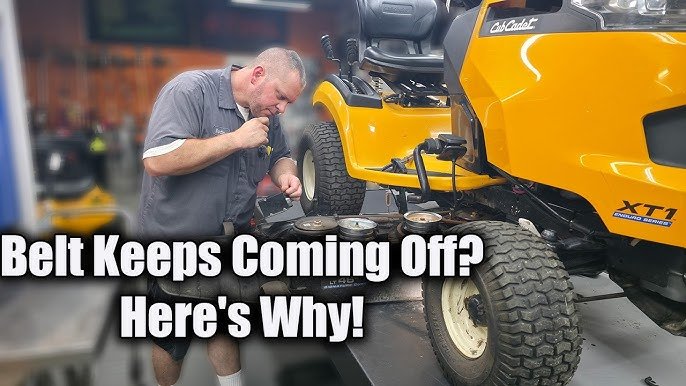
Are you tired of your mower belt slipping or jumping just when you need it most? It can be frustrating and slow down your yard work.
But the good news is, you can stop this from happening with a few simple steps. You’ll learn easy ways to keep your mower belt tight and secure. By following these tips, you’ll save time, avoid costly repairs, and enjoy a smoother mowing experience.
Keep reading to find out how to prevent your mower belt from jumping and get your lawn care back on track.

Credit: www.youtube.com
Common Causes Of Belt Jumping
Worn or damaged beltslose grip easily, causing slips. Check belts often and replace if cracks appear. Old belts do not hold well on pulleys.
Misaligned pulleysmake belts slip off track. Pulleys should be straight and in line. Misalignment causes uneven belt wear and jumping.
Loose belt tensionallows belts to jump over pulleys. Tighten the belt to keep it snug but not too tight. Proper tension stops slipping.
Debris and dirt build-upon pulleys or belts reduce friction. Clean all parts regularly to keep belts gripping well. Dirt can cause belts to slip or jump.
Signs Of A Jumping Belt
Unusual noisesoften signal a belt that is slipping or jumping. These sounds might be squealing, chirping, or grinding. Such noises mean the belt isn’t running smoothly on the pulleys.
Reduced cutting performanceshows that the mower blades are not spinning at full power. The belt may slip, causing the blades to slow down. This leads to uneven or poor grass cutting.
Visible belt slippagecan be seen if the belt looks loose or moves out of place. The belt might look worn, cracked, or frayed. This is a clear sign the belt is not tight enough or needs replacement.
Step-by-step Belt Inspection
Check the mower belt for cracks, wear, or looseness to keep it secure. Ensure pulleys are clean and aligned to prevent slipping. Tighten or replace the belt if it shows signs of damage or improper tension.
Safety Precautions
Always disconnect the mower from power before inspection. Wear gloves to protect your hands. Ensure the mower is on a flat surface to prevent movement. Avoid loose clothing that can get caught in parts.
Checking Belt Condition
Look for cracks, frays, or shiny spots on the belt. A worn belt can slip or jump off. Check if the belt feels loose or too tight. Replace the belt if it shows damage or wear signs.
Inspecting Pulleys And Tensioners
Make sure pulleys spin freely without noise. Look for dirt or debris on pulleys that can cause slipping. Check tensioners for proper tension and movement. Tighten or replace any loose or broken parts.
Adjusting Belt Tension
- Wrench– Adjusts the bolts.
- Screwdriver– Helps with small screws.
- Belt Tension Gauge– Measures belt tension.
Loosen the bolts near the belt. Use a wrench for this task. Pull the belt gently to test it. If the belt is too loose, tighten the bolts. Use your wrench again. Make sure the belt feels snug. It should not be too tight.
Adjust slowly to avoid damage. Check the alignment of the belt. It should be straight. A crooked belt can jump off easily.
Use a belt tension gauge. Place it on the belt. Check the reading carefully. It should be in the safe zone. If it’s not, adjust again. The belt should not sag. It should move smoothly. Listen for any strange sounds. These can indicate problems.
Aligning Pulleys Correctly
Misaligned pulleys cause the mower belt to jump off. Check if pulleys are not in line. Look for belts that lean or twist during movement. You might see extra wear on one side of the belt or hear unusual noises.
To realign pulleys, loosen the bolts holding them. Move pulleys gently until they line up straight. Tighten bolts carefully, making sure pulleys do not shift. Use a ruler or straight edge for accuracy. Proper alignment helps the belt run smoothly and stay in place.
Ensure smooth belt movement by checking pulley surfaces. Clean dirt and debris off pulleys regularly. Replace worn or damaged pulleys quickly. Keep the belt tight but not too tight. Smooth movement reduces belt slipping and jumping.

Credit: www.reddit.com
Cleaning And Maintenance Tips
Remove all dirt, grass, and small stones from the mower belt area. Debris can cause the belt to slip or jump off. Use a brush or cloth to clean hard-to-reach places carefully. Keeping the belt area clean helps the mower work smoothly.
Lubricate the moving parts near the belt often. Use the right lubricant for your mower model to avoid damage. Lubrication reduces friction and wear on parts, helping the belt stay in place and last longer.
Follow a regular maintenance schedule to check the belt and its parts. Look for cracks, frays, or signs of wear. Replace the belt if it looks damaged. Regular checks keep the mower running safely and efficiently.
When To Replace The Belt
Signs of belt wearinclude visible cracks, fraying edges, and shiny spots. A slipping belt may cause the mower blades to slow down or stop. If the belt feels loose or too tight, it needs attention. Worn belts can make a squealing noise when the mower runs. Check the belt regularly to avoid sudden breakdowns.
Choosing the right replacementmeans matching the belt size and type exactly. Use the mower’s manual to find the correct part number. A belt made for your mower model lasts longer and fits better. Avoid cheap belts as they wear out quickly and cause problems.
Installation tipsinclude cleaning the pulleys before fitting the new belt. Ensure the belt fits snugly but not too tight. Follow the mower’s guide for the correct path of the belt. Test the mower after installation to make sure the belt runs smoothly.

Credit: www.mytractorforum.com
Preventive Measures For Long-term Use
Store the mower belt in a cool, dry place to avoid damage. Keep it away from sunlight and moisture, which can weaken the belt material.
Do not overload the mower. Heavy grass or thick bushes put extra strain on the belt, causing it to slip or jump.
Check the belt regularly for signs of wear, cracks, or looseness. Tighten or replace the belt as needed to keep it secure.
- Keep the mower clean to prevent debris buildup around the belt.
- Inspect pulleys and tensioners for smooth operation.
- Lubricate moving parts to reduce friction.
Frequently Asked Questions
Why Does A Mower Belt Keep Jumping Off?
A mower belt jumps off due to improper tension, worn pulleys, or misalignment. Regular inspection and adjustment prevent this issue.
How Can I Fix A Slipping Mower Belt?
To fix slipping, adjust belt tension, clean pulleys, and replace worn belts. Proper maintenance ensures smooth operation.
What Causes Mower Belt Misalignment?
Mower belt misalignment occurs from loose pulleys, damaged components, or debris buildup. Align pulleys correctly to avoid belt jumping.
How Often Should I Replace Mower Belts?
Replace mower belts every 1-2 years or when visibly worn. Timely replacement prevents breakdowns and improves mower performance.
Conclusion
Preventing your mower belt from jumping keeps your mower working well. Check belt tension often and adjust it as needed. Keep the pulleys clean and free from dirt. Replace worn or damaged belts quickly to avoid bigger problems. Regular maintenance saves time and money in the long run.
A smooth-running mower makes yard work easier and faster. Follow these simple steps to keep your mower belt in place. Your lawn will thank you for the care you give.





