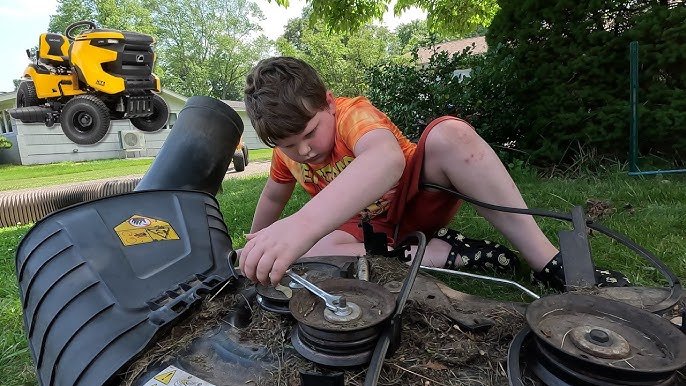
Is your mower belt acting up, leaving your lawn care on hold? You might be wondering, “Can mower belt be repaired, or do I need a new one?” Before you rush to buy a replacement, there’s good news.
Sometimes, a simple fix can save you time and money. You’ll discover easy steps to check your mower belt’s condition and find out if repair is possible. Keep reading to learn how you can get your mower back in action without unnecessary expenses.
Signs Of A Damaged Mower Belt
The mower belt plays a key role in your lawn mower’s operation. It transfers power from the engine to the blades. A damaged belt can reduce mower performance or stop it completely. Recognizing the signs of a damaged mower belt helps avoid bigger problems.
Common Belt Wear Symptoms
- Slipping belt making a squealing noise
- Burnt rubber smell near the belt area
- Visible cracks or frayed edges on the belt
- Uneven mower blade movement or slow blade speed
- Loss of power or mower not cutting grass properly
How To Inspect The Belt
Turn off the mower and disconnect the spark plug wire. Remove the mower deck cover to access the belt. Check for cracks, tears, or missing chunks. Look for shiny spots indicating belt slippage. Feel for stiffness or brittleness in the belt material. Rotate the belt by hand to check for smooth movement.
When To Replace Instead Of Repair
- Belt has deep cracks or missing pieces
- Belt stretches beyond its original size
- Frayed edges that cannot be trimmed
- Repeated slipping after attempts to tighten
- Visible signs of burning or melting
Repairing is only possible for minor surface damage. Replace the belt for major wear to keep mower safe and efficient.

Credit: www.youtube.com
Tools And Materials Needed
Before you dive into repairing your mower belt, gathering the right tools and materials is crucial. Having everything on hand saves time and prevents frustration. It also ensures the repair is done safely and correctly.
Essential Repair Tools
You’ll need a few basic tools to get started. A socket wrench set helps you remove the mower deck and access the belt easily. Screwdrivers, both flathead and Phillips, assist with various screws and clips.
Don’t forget a pair of gloves to protect your hands from sharp edges. A flashlight or work light can be handy if you’re working in a dim garage. Lastly, a pair of pliers helps with stubborn bolts or clips that hold the belt in place.
Choosing The Right Replacement Belt
Picking the correct belt is key to a successful repair. Check your mower’s manual for the exact belt size and type. Using the wrong belt can cause poor performance or damage other parts.
If you don’t have the manual, look for a model number on the mower deck or engine. Many belts are labeled with size codes, so match those carefully. Ask yourself, have you ever tried fixing something only to realize the part didn’t fit? Avoid that hassle by double-checking before buying.
Optional Repair Kits
Sometimes, a complete belt repair kit can make the job easier. These kits often include the belt, tensioners, and necessary hardware. They save you from multiple trips to the store.
Consider a kit if your mower is older or if you want to replace worn-out parts at the same time. It’s a smart move that can extend the life of your mower. Would you rather buy parts individually or have everything ready in one package?
Step-by-step Belt Repair Process
A mower belt can sometimes be repaired if the damage is minor. Clean the belt, check for cracks, and use patching methods to fix small tears. Replace the belt if it shows severe wear or breaks.
Repairing a mower belt can be a satisfying task that saves both time and money. Whether you’re dealing with a worn-out belt or one that has snapped, learning the step-by-step belt repair process can make you feel like a DIY expert. With some basic tools and a bit of patience, you can extend the life of your mower without breaking a sweat. Let’s dive into the detailed process to get your mower back on track.Removing The Old Belt
Start by disconnecting the spark plug to ensure safety. Locate the belt guard and carefully remove it using a wrench or screwdriver. Slide the belt off the pulleys by loosening the tensioner, making sure to remember the belt path for easy reinstallation.Identifying Belt Issues
Examine the belt for cracks, fraying, or glazing. A cracked belt often leads to poor performance, while a glazed belt can slip off easily. If the belt is simply loose, it might only need tension adjustment rather than replacement.Temporary Belt Repair Techniques
If you’re caught without a replacement, consider using duct tape as a short-term fix to hold the belt together. Tighten loose belts by adjusting the tensioner to maintain the right grip. Remember, these are temporary solutions and should be followed by a permanent fix.Installing A New Or Repaired Belt
Thread the new or repaired belt through the pulleys, following the original path. Reattach the belt guard securely to prevent any accidents. Finally, reconnect the spark plug and test the mower to ensure everything runs smoothly. By following these steps, you can restore your mower’s efficiency with minimal fuss. Have you ever tried repairing a mower belt yourself? What unexpected challenges did you face? Share your experiences in the comments below.Preventive Maintenance Tips
Preventive maintenance extends the life of your mower belt. It reduces the chances of sudden breakdowns. Regular care keeps the mower running smoothly. Simple steps help avoid costly repairs.
Proper Belt Tensioning
Check the belt tension often. A belt too tight wears out fast. A loose belt slips and damages the mower. Adjust the tension according to the mower manual. Use a belt tension gauge for accuracy. Correct tension improves performance and belt life.
Cleaning And Lubrication
Remove dirt and debris from the belt and pulleys. Use a soft brush or cloth for cleaning. Avoid water contact with the belt. Lubricate moving parts like pulleys and bearings. Use recommended lubricants only. Clean and lubricate every few uses to prevent wear.
Storage Best Practices
Store the mower in a dry, cool place. Avoid direct sunlight to prevent belt cracking. Remove the belt if storing long-term. Hang the belt or lay it flat to keep its shape. Cover the mower to protect from dust and moisture. Proper storage saves money and effort later.
When To Seek Professional Help
Knowing when to seek professional help for your mower belt can save you time, money, and frustration. Some belt issues are straightforward and manageable on your own, but others require a trained eye and specialized tools. Understanding the signs that point to professional intervention ensures your mower stays in top shape without unnecessary risks.
Complex Belt Problems
Not all belt problems are simple to fix. If your mower belt shows signs of deep cracks, fraying, or significant stretching, it’s a clear signal to get expert help. Professionals can diagnose underlying issues like pulley misalignment or worn bearings that you might miss.
Have you ever replaced a belt only to find it snapped again shortly after? That’s often because the root cause wasn’t addressed. A technician can identify and fix these complex problems before they cause more damage.
Safety Considerations
Repairing mower belts involves working near sharp blades and moving parts. If you’re unsure about how to safely handle these components, it’s better to leave the job to a pro. Incorrect repairs can lead to accidents or damage to your mower.
Ask yourself: Do you have the right tools and protective gear? If not, professional service not only protects you but also ensures the mower operates safely after the repair.
Cost Vs. Repair Benefits
Sometimes, the cost of repair can approach the price of a new mower belt or even a new mower. Professionals can help you weigh these options by assessing the mower’s overall condition. This helps you decide if repairing or replacing is the smarter financial choice.
Consider how much time and effort you’ll save by avoiding trial-and-error fixes. Paying for expert service can be a worthwhile investment when it prevents repeated breakdowns and extends your mower’s life.

Credit: www.youtube.com
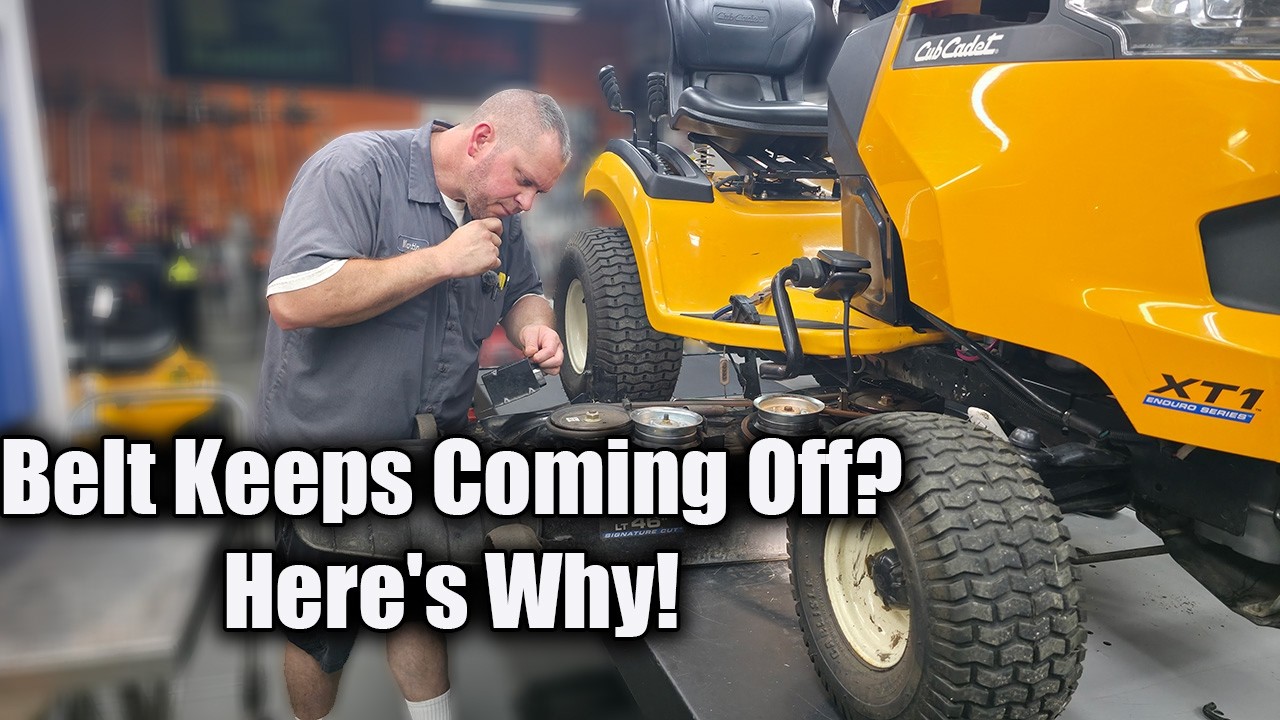
Credit: www.youtube.com
Frequently Asked Questions
Can A Mower Belt Be Repaired At Home?
Yes, minor mower belt issues like small tears can sometimes be repaired at home. However, full replacement is often safer and more reliable.
How Do I Know If My Mower Belt Needs Repair?
Look for cracks, fraying, or slipping during operation. If the mower isn’t cutting evenly, the belt might need repair or replacement.
What Tools Are Needed To Repair A Mower Belt?
Basic tools like wrenches, screwdrivers, and pliers are needed. A replacement belt and possibly belt repair kits may also be required.
Is It Better To Repair Or Replace A Mower Belt?
Replacing a worn or damaged mower belt is usually better. Repairs can be temporary and might not restore full functionality.
Conclusion
Mower belts sometimes can be fixed if the damage is small. A small crack or fray might be repaired carefully. But deep cuts or heavy wear mean replacement is best. Repairing saves money but may not last long. Check your mower belt often to avoid problems.
Keep the belt clean and tight for smooth work. Choose the right belt type and size for your mower. Taking care of the belt helps your mower run well. A strong belt makes mowing easier and safer.





