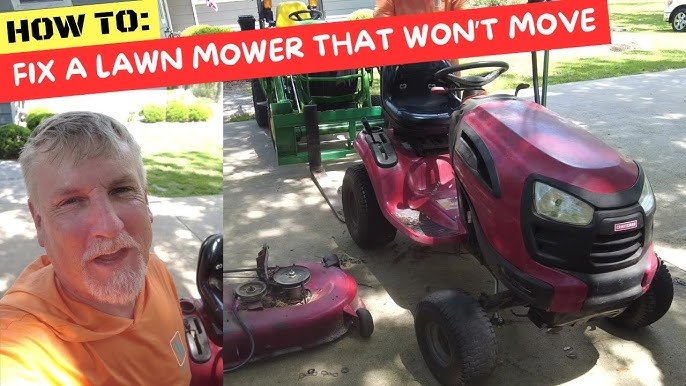
Is your mower standing still when it should be moving? A mower transmission with no movement can be frustrating, especially when you have work to do.
But don’t worry—you can fix this problem yourself. You’ll discover simple, step-by-step solutions to get your mower back in motion quickly. Keep reading, and by the end, you’ll know exactly what to check and how to fix it, saving you time and money.
Your mower will be running smoothly before you know it!
Common Causes Of Transmission Failure
Transmission failure often happens due to worn belts, broken gears, or low fluid levels. Dirt and debris can also block the mower’s movement. Checking these parts helps find the problem quickly.
Understanding the common causes of mower transmission failure can help you maintain your equipment and prevent unnecessary breakdowns. Transmission issues can be frustrating, especially when your lawn is in desperate need of a trim. Knowing what might go wrong and how to address it can save you time, money, and energy. Let’s dive into the potential culprits behind a non-functional mower transmission.Worn Or Broken Drive Belt
A worn or broken drive belt is one of the simplest issues to check. If your mower isn’t moving, the belt might have slipped off, snapped, or become frayed. Regularly inspect the belt for signs of wear and replace it if necessary. Remember, a small tear can grow quickly, leaving your mower out of commission.Faulty Transmission Oil
Transmission oil is crucial for smooth operation. Low or contaminated oil can cause the transmission to fail. Check the oil level and quality regularly. Dirty oil can lead to overheating and further damage the transmission.Damaged Gears Or Bearings
Gears and bearings take a lot of strain and can wear out over time. Listen for unusual noises when the mower is running—grinding or whining sounds may indicate a problem. If you suspect gear or bearing damage, it’s wise to consult a professional to avoid further complications.Clutch Problems
The clutch is vital for engaging and disengaging the mower’s transmission. If the clutch is not functioning correctly, your mower may refuse to move. Ensure that the clutch cable is properly adjusted and not stretched or damaged. Regular checks can prevent abrupt failures.Hydrostatic Transmission Issues
Hydrostatic transmissions rely on fluid pressure to function. If there’s a leak or the fluid level is low, the mower won’t move. Inspect for any leaks and ensure that the transmission fluid is topped up to the recommended level. Keep an eye on how your mower responds to adjustments; sluggishness can be a telltale sign of hydrostatic issues. Have you experienced any of these issues with your mower? Addressing these common problems early can extend the life of your equipment and keep your lawn looking pristine.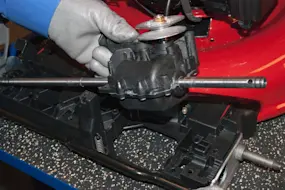
Credit: www.searspartsdirect.com
Diagnosing Transmission Problems
Diagnosing transmission problems in your mower is the first crucial step when you notice no movement. Understanding what’s causing the issue can save you time and money by targeting the exact fix. Let’s break down how you can check key components yourself before calling for professional help.
Checking For Fluid Leaks
Start by examining the area beneath your mower for any signs of fluid leaks. Transmission fluid is usually red or brown and slick to the touch. Even a small leak can cause the transmission to fail because it relies on fluid to stay lubricated and cool.
If you spot wet spots or puddles, trace them back to their source. Check around seals and gaskets, as these are common weak points. Have you ever ignored a tiny drip only to face a costly repair later?
Inspecting Drive Belts
The drive belts transfer power from the engine to the transmission. If a belt is worn, cracked, or loose, it can prevent your mower from moving. Grab a flashlight and look closely at the belts running under the mower deck.
Look for fraying edges or glazing on the belt surface. Press on the belt to see if it feels too loose or too tight. Replacing a damaged belt is a simple fix that often restores movement instantly.
Testing Transmission Engagement
Next, test if the transmission itself is engaging when you activate the drive control. With the engine running, gently engage the drive lever or pedal and observe the mower’s response. Does the mower creep forward or stay still?
Sometimes the transmission linkage or cables can become disconnected or stuck. Check if the cables move smoothly and connect firmly to the transmission. Have you checked if your controls feel different than usual?
Listening For Unusual Noises
Unusual sounds can reveal hidden transmission problems. Listen carefully for grinding, whining, or clunking noises when you try to move the mower. These sounds often indicate worn gears or bearings inside the transmission.
Try to identify when the noise occurs—is it constant or only when you engage the drive? This can help pinpoint the issue faster. Paying attention to these sounds can save you from unexpected breakdowns.
Step-by-step Repair Guide
Fixing a mower transmission with no movement can feel overwhelming, but breaking down the repair into clear steps helps you tackle the issue confidently. This guide walks you through each important phase, ensuring you have the right tools, know what to check, and understand how to put everything back together properly. Let’s get your mower moving again with straightforward, hands-on advice.
Gathering Necessary Tools And Parts
Start by collecting all the tools you’ll need, such as wrenches, screwdrivers, pliers, and possibly a socket set. Don’t forget safety gear like gloves and eye protection. Identifying replacement parts beforehand—like belts, fluids, or seals—saves time and avoids frustrating interruptions.
Removing The Transmission
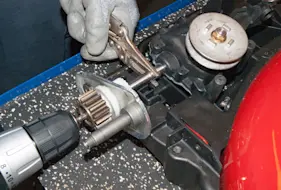
Before you remove the transmission, make sure the mower is off and the spark plug wire is disconnected for safety. Locate the transmission housing and carefully unbolt or unscrew it. Keep track of all screws and small parts by placing them in a container—losing them can make reassembly tricky.
Replacing Or Repairing Drive Belts
Drive belts often cause transmission problems. Check if the belt is cracked, stretched, or broken. If it’s damaged, remove it and replace it with a new one that matches your mower’s model. Sometimes, belts just need tightening—can you adjust the tension without replacing?
Changing Transmission Fluid
Old or low transmission fluid can cause your mower to stop moving. Drain the old fluid completely and refill with the recommended type and amount of new fluid. Remember, clean fluid keeps your transmission running smoothly and prevents costly damage.
Fixing Or Replacing Damaged Components
Inspect gears, seals, and bearings inside the transmission for wear or damage. If you spot broken parts, decide whether to repair or replace them based on how bad the damage is. Sometimes, replacing a small gear can save you from buying a whole new transmission.
Reassembling And Testing
Put everything back together carefully, making sure all bolts are tight and parts align correctly. Reconnect the spark plug wire, start your mower, and test if the transmission moves smoothly. If it doesn’t, what part might still be causing trouble? Double-check your work and adjust as needed.
Credit: www.searspartsdirect.com
Preventive Maintenance Tips
Preventive maintenance plays a vital role in keeping your mower’s transmission working smoothly. Small, regular checks prevent big problems and save money. Simple habits protect your mower from unexpected breakdowns. Follow these tips to extend the life of your mower transmission.
Regular Fluid Checks And Changes
Check transmission fluid levels often. Low fluid can cause the transmission to stop moving. Use the correct type of fluid as recommended by the mower’s manual. Change the fluid regularly to remove dirt and debris. Clean fluid helps the transmission parts move easily and last longer.
Belt Tension And Condition Monitoring
Inspect belts for wear, cracks, or damage. Loose or worn belts can slip and stop power from reaching the wheels. Adjust belt tension to the right tightness. Replace belts that look worn out. Proper belt care ensures smooth mower operation and avoids transmission strain.
Keeping The Transmission Clean
Remove grass, dirt, and debris around the transmission area. Build-up can cause overheating and damage. Use a brush or compressed air to clean hard-to-reach spots. A clean transmission runs cooler and lasts longer. Keep the mower dry to avoid rust and corrosion.
Seasonal Storage Practices
Store the mower in a dry, sheltered place during off-season months. Drain or change transmission fluid before storing for a long time. Cover the mower to protect it from dust and moisture. Proper storage prevents rust and fluid breakdown, keeping the transmission ready for use.
When To Seek Professional Help
Knowing when to seek professional help for a mower transmission that won’t move can save you time, money, and frustration. Some problems are simple enough to fix yourself, but others require expert knowledge and tools. It’s important to recognize the signs that indicate it’s time to call in a pro before causing more damage or risking safety.
Complex Transmission Issues
Transmission problems that involve internal gears, clutches, or hydraulic systems are often too complex for DIY fixes. If you’ve tried basic troubleshooting like checking belts and fluids without success, the issue might lie deeper. Professionals have the right tools and experience to diagnose and repair these complicated parts accurately.
Attempting to fix these issues yourself can lead to incomplete repairs or further damage. Have you noticed unusual noises, slipping gears, or inconsistent movement? These are clear indicators that professional diagnosis is necessary.
Warranty And Safety Considerations
If your mower is still under warranty, attempting repairs on your own might void it. Manufacturers often require that complex repairs be performed by authorized technicians. Checking your warranty terms before opening up the transmission can save you from losing coverage on expensive components.
Safety is another critical factor. Transmission repairs may involve heavy parts or hazardous fluids. Professionals are trained to handle these risks safely, reducing the chance of injury or accidental damage to your mower.
Cost Vs. Repair Benefits
Sometimes, the cost of professional repair might seem high, but it’s important to weigh that against the benefits. A skilled technician can fix the problem correctly the first time, potentially extending the life of your mower. This can be more cost-effective than repeated DIY attempts or replacing the mower prematurely.
Consider these points before deciding:
- How much will the parts and labor cost?
- Is the mower’s overall value worth the repair?
- Will a professional repair prevent future breakdowns?

Credit: www.youtube.com
Frequently Asked Questions
Why Is My Mower Transmission Not Moving?
Your mower transmission may fail due to worn belts, low fluid, or damaged gears. Check belts and fluid first. Replace or repair damaged parts to restore movement.
How Can I Fix A Stuck Mower Transmission?
To fix a stuck transmission, inspect and replace broken belts. Check for debris blocking gears. Lubricate moving parts and test operation after repairs.
What Causes Mower Transmission To Lose Power?
Loss of power often results from low transmission fluid, worn clutches, or damaged gears. Regular maintenance and fluid checks prevent these issues and maintain power.
Can I Repair Mower Transmission Myself?
Yes, simple repairs like belt replacement or fluid top-up are DIY-friendly. For complex issues, consult a professional to avoid further damage.
Conclusion
Fixing mower transmission no movement saves time and money. Check the transmission fluid and replace if low or dirty. Inspect belts and pulleys for wear or damage. Tighten or replace loose or broken parts as needed. Test the transmission after each repair step.
Regular maintenance helps avoid future problems. Keep your mower clean and stored properly. Small fixes keep your mower running smoothly. Stay patient and follow steps carefully. Your mower will move again soon.





