
Your mower cover protects your lawn mower from rain, dust, and sun damage. But how do you know when it’s time to replace it?
Using a worn-out cover can leave your mower vulnerable to rust and wear, costing you more in repairs. You’ll discover the key signs that show your mower cover needs an upgrade. Keep reading to learn how to spot these signs early and make sure your mower stays in top shape all year round.
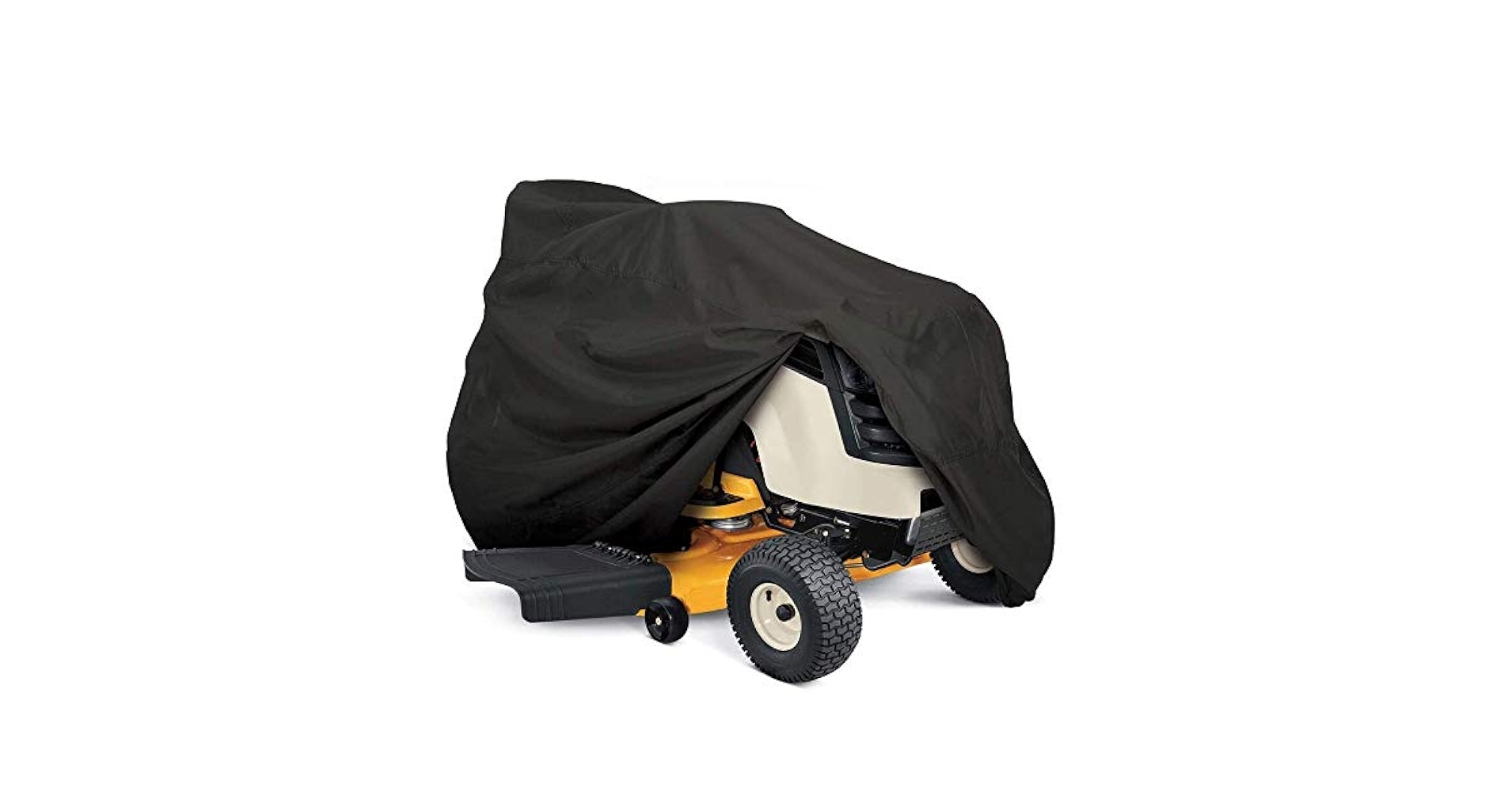
Credit: www.amazon.com
Common Types Of Mower Covers
Choosing the right mower cover is key to protecting your equipment from weather, dust, and wear. Different types of covers offer various levels of protection and convenience. Understanding these options helps you decide when it’s time to replace your current cover for better care of your mower.
Heavy-duty Waterproof Covers
These covers are made from thick, durable materials designed to keep out rain, snow, and moisture. If you store your mower outside, a waterproof cover is a must-have. Look for covers with reinforced seams and secure straps to prevent water from sneaking in.
Have you noticed water pooling on your current cover or moisture on your mower? That’s a clear sign your waterproof cover is failing and needs replacement.
Lightweight Dust Covers
Lightweight covers protect your mower from dust and dirt when stored indoors or in a garage. They are easy to handle and provide basic protection but won’t guard against heavy rain or snow. If your mower cover feels brittle or tears easily, it might be time to upgrade.
Consider how often you clean your mower. A dusty cover can mean extra work for you and less protection for your mower.
Uv-resistant Covers
Sunlight can fade paint and damage plastic parts on your mower. UV-resistant covers block harmful rays and extend the life of your mower’s exterior. If your current cover has lost its color or feels thin, it may no longer protect against UV damage effectively.
Ask yourself if your mower shows signs of sun damage despite being covered. That’s a strong indication to replace your UV-resistant cover.
Custom-fit Covers
Custom-fit covers hug your mower’s shape closely, providing excellent protection and preventing wind from blowing them off. They usually cost more but offer superior coverage. If your cover slips off easily or leaves parts exposed, switching to a custom-fit option can solve that problem.
Think about how secure your current cover feels in windy weather. If it’s loose or flapping, consider investing in a custom-fit cover for peace of mind.
Signs Of Wear And Tear
Noticing signs of wear and tear on your mower cover is crucial for protecting your mower effectively. Ignoring these signs can lead to damage from weather, dirt, and pests. Let’s look at key indicators that it’s time to replace your cover before it’s too late.
Tears And Holes
Small tears or holes can quickly grow larger, leaving your mower vulnerable to rain and debris. Even minor damage lets moisture in, which can cause rust and mechanical issues. If you spot any rips, check if patching is possible, but remember that extensive damage means replacement is the safer bet.
Fading And Discoloration
Sunlight wears down the material over time, causing fading and loss of waterproof qualities. If your cover looks dull or the color has changed significantly, it might not be protecting your mower as well as before. Ask yourself—has the cover lost its strength or flexibility? If yes, it’s time for a new one.
Frayed Edges
Fraying along the edges signals material breakdown from constant use or harsh weather exposure. These worn edges can unravel, making the cover less secure and more prone to tearing. When you notice threads pulling away or the fabric thinning, consider replacing your cover to keep your mower safe.
Impact Of Weather Exposure
The impact of weather exposure on a mower cover is significant. Weather can weaken the cover’s material and reduce its effectiveness. Different weather elements cause different types of damage. Recognizing these signs helps in deciding when to replace the cover.
Sun Damage
Sunlight contains ultraviolet (UV) rays that break down the fabric fibers. Over time, the cover may fade and become brittle. Cracks and tears appear more easily in sun-damaged covers. A cover with sun damage no longer protects the mower well.
Rain And Moisture Effects
Water can seep into the cover’s material if it is worn out. Constant moisture leads to mold and mildew growth. These fungi cause unpleasant smells and weaken the fabric. Wet covers can also trap rust on the mower’s metal parts.
Wind And Debris Damage
Strong winds cause the cover to flap and rub against rough surfaces. This friction wears down the material and causes holes. Debris like sticks or stones can puncture or tear the cover. A torn cover fails to shield the mower from dirt and damage.
When Fit And Function Decline
Mower covers lose their fit and protection over time. Tears, holes, or fading signal it’s time for a new cover. Keeping your mower covered prevents damage and extends its life.
When your mower cover starts to lose its fit and function, it’s time to consider a replacement. A cover that doesn’t fit well can expose your mower to damaging elements, reducing its lifespan. Identifying signs of decline early can save you from costly repairs or replacements later on.Loose Or Broken Straps
Straps are crucial for keeping your cover securely in place. If you notice straps becoming loose or breaking, your cover might not withstand strong winds or harsh weather. A cover flapping in the wind can lead to scratches or other damage to your mower.Improper Coverage
A cover that no longer fits snugly may leave parts of your mower exposed. This improper coverage can lead to rust, fading, or deterioration of your mower’s exterior. Ask yourself: is your mower fully protected from rain, sun, and dust?Difficulty Securing Cover
Struggling to secure your cover is a clear sign of wear. If you find yourself wrestling with the cover each time you use it, it’s not doing its job effectively. Consider the convenience factor—your time and effort should not be wasted on a cover that no longer fits well.Risks Of Using A Damaged Cover
Using a damaged mower cover can cause serious problems. It might seem like a small issue, but the risks add up fast. Protecting your mower is the cover’s main job. A worn-out cover can fail to do this well. This leads to damage that costs time and money.
Rust And Corrosion
Holes or tears let moisture reach the metal parts. Water causes rust to form quickly. Rust weakens the mower’s structure and parts. Corrosion can stop the mower from working properly. Fixing rust damage is often expensive.
Debris Accumulation
A broken cover cannot block dirt and leaves. Debris gathers on and inside the mower. This buildup clogs important parts and filters. It can also cause the engine to overheat. Cleaning clogged debris takes time and effort.
Reduced Protection
A damaged cover loses its ability to shield the mower. Sunlight can fade and crack plastic parts. Rain and snow cause electrical problems. Animals might nest inside, causing further harm. The mower’s lifespan shortens without proper cover protection.

Credit: www.amazon.com
Choosing A Replacement Cover
Choosing the right replacement cover for your mower can save you time, money, and frustration. A well-selected cover protects your equipment from weather damage, dust, and pests. But what should you look for to ensure it fits your needs perfectly?
Material Options
Your mower cover’s material determines how well it protects against rain, sun, and dirt. Heavy-duty polyester or vinyl covers offer excellent water resistance and durability.
Breathable fabrics help prevent mold and rust by allowing moisture to escape. If you live in a humid area, this might be a better choice for you.
Think about your climate and how often you use the mower. Will the cover face harsh sun or heavy rain? This will guide your material choice.
Size And Fit Considerations
A cover that’s too small won’t protect your mower fully, while one that’s too big can flap in the wind and wear out faster. Measure your mower’s length, width, and height before buying.
Look for adjustable covers with drawstrings or elastic hems for a snug fit. This keeps the cover secure during storms and windy days.
Have you ever struggled with a cover that slips off or leaves parts exposed? Avoid that hassle by choosing the right size from the start.
Additional Features
Extra features can make a big difference in convenience and protection. Some covers come with UV protection to prevent fading and cracking from sunlight.
Consider covers with reinforced corners or straps to hold the cover in place. These can extend the life of your cover and keep your mower safe.
Think about storage pockets or handles if you want easier handling and storage. Small details like these can improve your everyday experience.
Maintenance Tips To Extend Cover Life
Keeping your mower cover in good shape is easier than you think. Simple maintenance habits can add years to its life and save you money on replacements. Let’s look at some practical tips you can start using today to protect your investment.
Regular Cleaning
Dirt, leaves, and moisture can wear down your mower cover over time. Clean it regularly using mild soap and water to remove grime without damaging the material. Avoid harsh chemicals that might break down the fabric or waterproof coating.
After washing, let the cover air dry completely before folding it away. This prevents mold and mildew, which can weaken the cover and cause unpleasant smells. How often do you check your cover for buildup? A quick wipe-down every few uses can make a big difference.
Proper Storage
Where you keep your mower cover matters just as much as how you use it. Store it in a cool, dry place away from direct sunlight, which can fade and weaken the fabric. Avoid stuffing it into a tight space that causes creases or tears.
Rolling the cover loosely instead of folding it can prevent stress points. Using a breathable storage bag helps keep dust and moisture out while allowing air circulation. Have you tried changing your storage spot to see if it affects the cover’s durability?
Seasonal Care
Season changes demand different care routines for your mower cover. Before winter, check for small holes or weak spots and patch them to stop damage from snow and ice. In the spring, clean off any leftover debris and inspect for wear after months of storage.
During the rainy season, ensure the cover fits snugly to keep water out. Consider applying a fabric protector spray to boost water resistance if your cover’s material allows it. What seasonal habits could you add to your routine to catch problems early?

Credit: www.familyhandyman.com
Frequently Asked Questions
When Should I Replace My Mower Cover?
Replace your mower cover when it shows cracks, tears, or significant wear. Damaged covers no longer protect your mower from weather and debris effectively, leading to rust and mechanical issues.
How Do I Know If My Mower Cover Is Worn Out?
Check for holes, fading, or stiffness in the cover material. If the cover no longer fits snugly or lets water seep through, it’s time to get a new one.
Can A Damaged Mower Cover Cause Mower Problems?
Yes, a damaged cover exposes your mower to rain, dust, and UV rays. This exposure can cause rust, corrosion, and reduced mower lifespan, affecting performance and reliability.
How Often Should I Replace My Mower Cover?
Typically, replace your mower cover every 2-3 years, depending on usage and weather. Frequent exposure to harsh elements may require earlier replacement to maintain mower protection.
Conclusion
A mower cover protects your equipment from weather damage. Replace it if you see tears, holes, or fading. A worn cover can let rain or dust in. This can cause rust or other damage to your mower. Choosing a strong, well-fitting cover helps keep your mower safe.
Check your cover often, especially after storms or strong sun. A good cover extends your mower’s life and saves money. Don’t wait until damage appears. Change your mower cover to keep your lawn tool ready for use. Simple steps help your mower last longer and work better.





