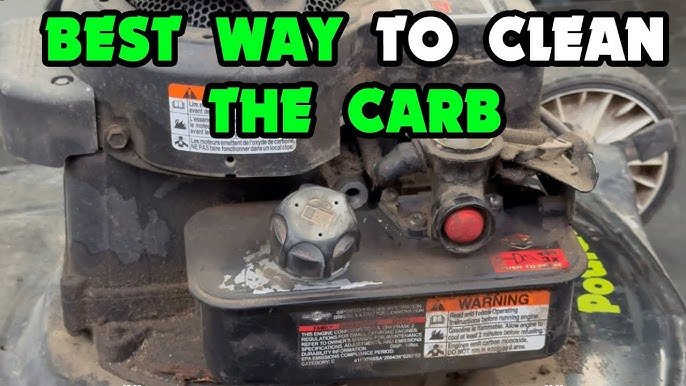
Your mower engine works hard every time you cut the grass. But do you know when it’s time to give it a good cleaning?
Ignoring this simple step can lead to poor performance, costly repairs, and a shorter engine life. You’ll discover the clear signs that tell you exactly when to clean your mower engine. By knowing the right moments to act, you’ll keep your mower running smoothly and save yourself time and money.
Keep reading to learn how to spot these signs and protect your mower the smart way.

Credit: www.youtube.com
Signs Your Mower Engine Needs Cleaning
Recognizing the signs that your mower engine needs cleaning can save you time and money. Ignoring these warning signals can lead to bigger problems and costly repairs. Pay attention to how your mower behaves—it often tells you when it’s due for a thorough clean.
Reduced Engine Power
If your mower feels sluggish or struggles to cut through thick grass, it might be a sign of engine buildup. Dirt and debris can clog important parts, reducing engine efficiency.
Have you noticed your mower working harder than usual? That extra effort often means the engine isn’t running as smoothly as it should.
Unusual Smoke Emission
Smoke coming from your mower’s engine is never a good sign. Black or blue smoke usually indicates that the engine is burning oil or fuel inefficiently due to dirt accumulation.
Pay attention to the color and smell of the smoke. It can help you determine if cleaning is urgently needed before damage worsens.
Difficulty Starting
When your mower hesitates or refuses to start, dirt in the engine might be the culprit. A clogged air filter or dirty carburetor can restrict airflow, making ignition tough.
Ask yourself—has your mower been sitting unused for a while? Dust and grime can build up quickly, causing startup problems.
Overheating Issues
Overheating can happen when dirt blocks cooling fins or air pathways in the engine. This prevents proper heat dissipation and puts your mower at risk of serious damage.
If your mower feels hotter than usual or shuts off suddenly, it’s time to check for dirt and clean the engine thoroughly.
Key Cleaning Intervals
Knowing the right times to clean your mower engine keeps it working smoothly. Regular cleaning stops dirt and grass build-up. This prevents damage and extends engine life. Follow these key cleaning intervals for the best results.
After Each Use
Cleaning after every mowing session removes fresh grass and debris. Wipe off clippings from the engine area. Check air vents for any blockages. A quick clean keeps the engine cool and efficient.
Seasonal Deep Cleaning
At the start and end of the mowing season, do a thorough clean. Remove the spark plug and clean around it. Clear out dirt from the carburetor and air filter. Inspect the engine for rust or damage. This deep clean prepares the mower for heavy use or storage.
Post-storage Maintenance
After storing your mower, clean the engine before use. Check for dust or moisture that may have built up. Replace old fuel and clean the fuel tank if needed. Proper post-storage care helps the engine start easily and run well.
Tools And Supplies Needed
Cleaning your mower engine requires specific tools and supplies. These items help ensure a thorough job. Using the right tools prevents damage and saves time.
Cleaning Brushes And Cloths
Use soft-bristle brushes to clean engine surfaces. They remove dirt without scratching. Microfiber cloths are excellent for wiping. They trap dust and grime effectively. Keep several cloths handy for different parts.
Degreasers And Solvents
Select a high-quality degreaser to break down oil. It dissolves tough grease deposits. Solvents help clean stubborn residues. Ensure they are safe for engine parts. Check product labels for compatibility.
Protective Gear
Always wear gloves to protect your hands. They guard against chemicals and sharp edges. Safety goggles shield your eyes from debris. A mask helps avoid inhaling fumes. Safety should always be a priority.

Credit: ahmcorp.com
Step-by-step Cleaning Process
Cleaning your mower engine doesn’t have to be a chore if you follow a clear, straightforward process. Knowing exactly what to do keeps you efficient and helps avoid damage to your equipment. Let’s break down the cleaning process into simple tasks that anyone can handle.
Preparing The Mower
Start by making sure your mower is off and cool to the touch. Disconnect the spark plug wire to prevent accidental starting. Gather your cleaning supplies—gloves, a brush, a rag, and mild detergent—before you begin.
Check the surrounding area for fuel spills or oil leaks. Addressing these before cleaning prevents slippery surfaces and keeps your work safe. Have a container ready to catch any debris or fluids that might come loose during the cleaning.
Removing Debris And Dirt
Use a stiff brush or compressed air to clear away grass clippings, dirt, and leaves from the engine’s exterior. Focus on tight spaces where debris tends to accumulate, like around the cooling fins and under the engine cover.
If compressed air isn’t available, a soft brush will do just fine. Be gentle to avoid damaging delicate parts. Do you notice more buildup than usual? It might be time to check if your mowing habits need adjusting.
Cleaning The Air Filter
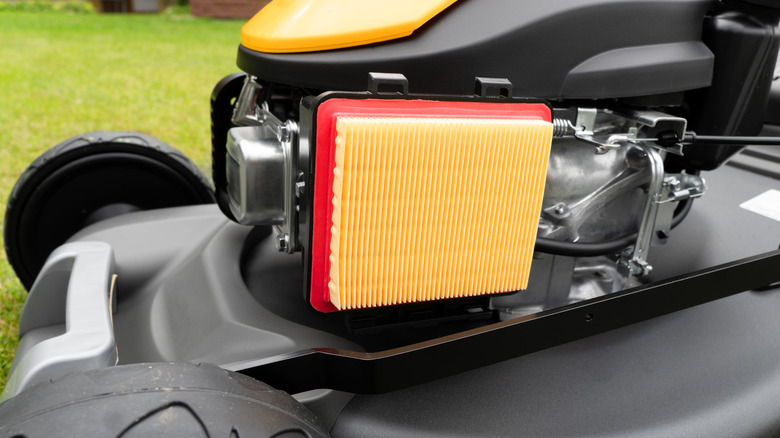
Locate the air filter cover and remove it carefully. Take out the filter and inspect it for dirt and damage. If it’s foam, wash it gently in warm, soapy water and let it dry completely before reinstalling.
Paper filters should be replaced if clogged, as cleaning them can reduce efficiency. A clean air filter improves engine performance and extends its life—how often do you check yours?
Wiping The Engine Exterior
Use a damp cloth with a small amount of mild detergent to wipe down the engine exterior. Avoid spraying water directly onto the engine to prevent internal damage.
Focus on removing oil stains and grime, but take care around electrical components. Keeping the engine exterior clean helps you spot potential issues early and keeps your mower running smoothly.
Preventive Tips For Engine Care
Keeping your mower engine in top shape means more than just cleaning it when it looks dirty. Preventive care helps avoid breakdowns and extends the engine’s life. Small habits can make a big difference in how well and how long your mower runs.
Regular Inspection Routine
Checking your engine regularly helps catch issues before they become serious. Look for loose bolts, oil leaks, and dirt buildup around the air filter and spark plug. Even a quick glance before each use can save you time and money later.
Ask yourself: Does the engine sound unusual or run rough? If yes, it’s a sign to inspect more closely. Spotting problems early lets you fix them before they stop your work completely.
Proper Storage Practices
How you store your mower impacts engine health. Keep it in a dry, sheltered place to prevent rust and moisture damage. If you’re not using it for weeks, drain the fuel or add a stabilizer to avoid gum buildup inside the engine.
Covering the mower protects it from dust and debris that can clog engine parts. Have you noticed your mower getting harder to start after winter? Improper storage is often the cause.
Using Quality Fuel And Oil
Fuel and oil quality directly affect engine performance. Always use fresh gasoline with the right octane rating, and never mix old fuel with new. Using clean, recommended oil keeps the engine lubricated and prevents overheating.
Consider this: How often do you change your mower’s oil? Skipping this step can lead to sludge buildup, reducing engine efficiency. Choosing quality products is a small effort that pays off in smoother starts and longer engine life.
Credit: www.housedigest.com
Frequently Asked Questions
How Often Should I Clean My Mower Engine?
You should clean your mower engine after every 25 hours of use or at least once a season. Regular cleaning prevents dirt buildup. It helps maintain engine efficiency and prolongs engine life.
What Signs Indicate My Mower Engine Needs Cleaning?
Look for reduced performance, overheating, or excessive smoke. These signs often mean dirt or debris clogs the engine. Cleaning can restore smooth operation and prevent damage.
Can I Clean The Mower Engine Myself Safely?
Yes, cleaning is safe if you follow instructions. Always disconnect the spark plug before cleaning. Use a brush or compressed air to remove dirt gently. Avoid water on electrical parts.
What Tools Are Needed To Clean A Mower Engine?
You will need a soft brush, compressed air, a clean cloth, and mild detergent. These tools help remove dirt without damaging engine components. Avoid harsh chemicals or abrasive materials.
Conclusion
Cleaning your mower engine keeps it running smooth and long. Dirt and debris slow the engine down. Regular checks help spot when cleaning is due. After heavy use or dusty conditions, clean the engine. A clean engine uses less fuel and works better.
Don’t wait for problems to start cleaning. Small efforts now save big repairs later. Keep your mower ready for every cut. Simple care protects your tool and your lawn.





