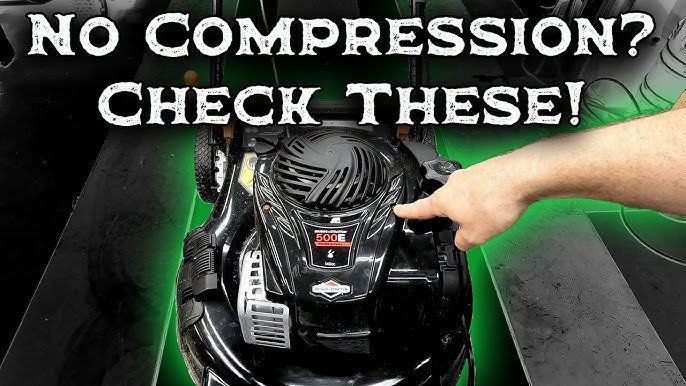
Is your mower struggling to start or running weak? One common cause might be low engine compression.
Testing your mower’s engine compression is a simple step you can take to find out if the engine is healthy or needs repair. You’ll learn exactly how to test mower engine compression yourself, without needing expensive tools or a mechanic.
By the end, you’ll know how to diagnose engine problems quickly and keep your mower running strong all season long. Let’s get started!
Credit: crossroadoc.org
Tools Needed
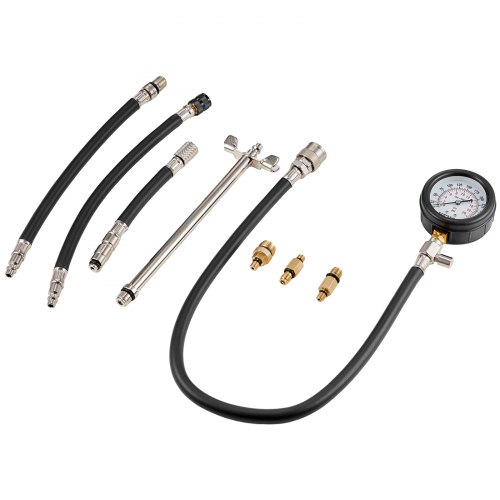
Testing mower engine compression requires specific tools for accurate results. Having the right equipment ensures the process is smooth and safe. Basic tools and special testers play key roles in measuring compression effectively.
Compression Tester Types
- Dial Gauge Tester:Uses a dial to show pressure in PSI. Easy to read and common for small engines.
- Digital Compression Tester:Displays pressure on a screen. Offers precise readings and is user-friendly.
- Fuel Injection Compression Tester:Designed for engines with fuel injection. Has adapters for different spark plug sizes.
- Universal Compression Tester:Comes with multiple fittings. Fits various engine types and sizes.
Additional Equipment
- Socket Wrench Set:Removes spark plugs safely and quickly.
- Spark Plug Socket:A special socket that fits spark plugs perfectly.
- Gloves:Protect hands from dirt and heat.
- Rag or Cloth:Cleans spark plug holes and tools.
- Battery or Power Source:Powers the mower engine for testing.
Preparing The Mower
Preparing the mower before testing engine compression is essential. This step ensures accurate results and protects you from injuries. Taking time to get the mower ready makes the process smooth.
Safety Precautions
Start by wearing safety gloves and goggles. These protect your hands and eyes from dirt and debris. Remove any jewelry or loose clothing that could get caught in moving parts. Work in a well-ventilated area to avoid inhaling fumes. Disconnect the spark plug wire to stop the engine from starting accidentally. Keep the mower on a flat surface and make sure the blades are not touching the ground.
Engine Setup
Empty the fuel tank or run the engine until it stops. This prevents fuel spills or fires during testing. Clean the mower’s exterior to see any leaks or damage clearly. Remove the air filter to access the spark plug easily. Use a wrench to remove the spark plug from the engine. Check the spark plug for damage or wear and replace it if needed. Attach a compression gauge to the spark plug hole firmly to get precise readings.
Testing Steps
Testing mower engine compression is a straightforward process that reveals a lot about your engine’s health. Each step requires attention but is simple enough to do with basic tools. Let’s break down these steps so you can confidently test your mower’s engine compression and know exactly what’s going on inside.
Removing The Spark Plug
Start by locating the spark plug on your mower engine. It’s usually easy to spot, with a thick wire connected to it.
Use a spark plug socket or wrench to carefully unscrew and remove the spark plug. This gives you access to the combustion chamber, which is essential for an accurate compression test.
Keep the spark plug in a safe place so you don’t lose it. Have you ever tried testing compression without removing the plug? It simply won’t work, as the tester needs to connect where the plug was.
Attaching The Tester
Grab your compression tester and screw it into the spark plug hole. Make sure it fits snugly to avoid air leaks that can skew your results.
If the tester has a hose, connect it firmly. A tight connection ensures the gauge reads the true pressure inside the cylinder when you crank the engine.
Think about this: a small air leak can drop your readings by several PSI, making you think the engine is in worse shape than it really is. Double-check your connections before moving on.
Cranking The Engine
Now, it’s time to crank the engine. Use the mower’s starter or pull the cord several times to build pressure inside the cylinder.
Watch the compression gauge closely as you crank. The highest reading you get after a few pulls is your engine’s compression pressure.
Don’t rush this part. Let the engine turn over enough times to get a stable reading. If the pressure is below the recommended range, it might be time to inspect the piston rings or valves.

Credit: bexcodeservices.com
Reading Results
After you’ve tested the mower engine compression, the next crucial step is understanding what the numbers mean. Reading the results accurately helps you decide if your mower’s engine is in good shape or needs attention. Let’s break down how to interpret those compression values so you can take the right action.
Normal Compression Range
Most small engines, like those in lawn mowers, have a compression range between 90 and 120 psi. If your gauge shows numbers in this range, your engine is likely healthy and ready to run efficiently.
Keep in mind, slight variations between cylinders are normal. A difference of up to 10 psi between cylinders usually isn’t a problem. However, if your readings fall consistently within this range, you can feel confident the engine’s internal parts are sealing well and working properly.
Interpreting Low Compression
What if your compression reading is below 90 psi? Low compression often signals issues like worn piston rings, damaged valves, or a leaking head gasket. These problems reduce engine power and can cause starting difficulties or rough running.
Think about the last time you struggled to start your mower or noticed it running unevenly. Low compression might be the hidden cause. To confirm, you can add a small amount of oil into the cylinder through the spark plug hole and test again. If compression improves, it usually points to piston ring wear.
Addressing low compression early can save you from costly repairs later. Would you rather fix a simple gasket or replace the entire engine? Knowing your readings helps you make that call wisely.
Troubleshooting Low Compression
Low compression in a mower engine can cause poor performance. Engines need proper compression to run smoothly. Sometimes, low compression is the culprit behind starting issues. Identifying the cause can save time and money. Troubleshooting requires a systematic approach. Let’s explore the steps involved.
Checking For Leaks
Leaks can lead to low compression. Start by inspecting the cylinder head gasket. A damaged gasket can allow air to escape. Check for oil around the gasket area. This might indicate a leak. Use a leak-down tester for precise results. It helps find leaks in the system. Listen for hissing sounds which suggest escaping air.
Inspecting Valves And Rings
Valves and rings are vital for compression. Worn-out valves might not seal well. This results in lost compression. Examine the valve seats for wear or damage. Carbon deposits can also affect valve sealing. Clean them if needed. Next, inspect the piston rings. Rings that don’t seal properly cause compression loss. Replace any worn or broken rings. This restores compression and improves engine performance.
Credit: crossroadoc.org
Maintaining Engine Health
Maintaining your mower’s engine health is essential for smooth operation and extending its lifespan. Regular checks and proper care help you catch problems early before they lead to costly repairs or complete engine failure. Understanding how to test and maintain engine compression can save you both time and money while keeping your mower running like new.
Regular Compression Checks
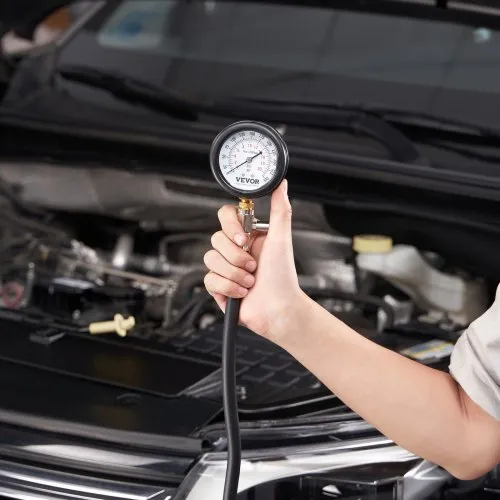
Checking your mower’s engine compression regularly helps you spot issues like worn piston rings or valve leaks. Use a compression gauge to measure the pressure inside the cylinder. Ideally, this should be consistent with the manufacturer’s recommended range.
Try to test compression when the engine is warm for the most accurate reading. If you notice a drop in compression, it’s a sign to inspect further or seek professional help. How often do you check your mower’s compression? Skipping this step might let small problems grow unnoticed.
Engine Care Tips
- Keep the Air Filter Clean:A clogged air filter reduces airflow, affecting engine performance and compression.
- Use Fresh Fuel:Old or contaminated fuel can cause hard starts and poor combustion.
- Change Oil Regularly:Clean oil lubricates engine parts and prevents excessive wear.
- Inspect Spark Plugs:Worn or dirty spark plugs reduce ignition efficiency, impacting compression indirectly.
I once ignored a dirty air filter and noticed my mower struggled to start and ran rough. After cleaning it, the engine felt much stronger, proving small maintenance tasks matter. Are you giving your mower the attention it deserves? Simple daily checks can prevent most engine issues before they escalate.
Frequently Asked Questions
How Do I Test Mower Engine Compression Safely?
To test mower engine compression safely, first disconnect the spark plug wire. Use a compression gauge and crank the engine. Follow all safety guidelines to avoid injury and ensure accurate readings.
What Tools Are Needed To Check Mower Engine Compression?
You need a compression gauge, a wrench to remove the spark plug, and safety gloves. These tools help measure the engine’s pressure effectively.
What Is A Normal Compression Reading For Mower Engines?
A normal mower engine compression reading ranges between 90 to 120 psi. Readings below this may indicate engine problems like worn piston rings or valves.
How Often Should Mower Engine Compression Be Tested?
Test mower engine compression annually or when experiencing starting or performance issues. Regular checks help maintain engine health and prevent costly repairs.
Conclusion
Testing mower engine compression helps keep your machine running well. It shows engine health and points out problems early. Using a compression gauge is simple and quick. Check the pressure and compare it to the manual’s numbers. Low compression means worn parts or leaks.
Regular testing saves time and repair costs later. Keep your mower ready for the season by testing often. Remember, a strong engine means better cutting and longer life. Simple steps lead to smoother mowing days ahead.





