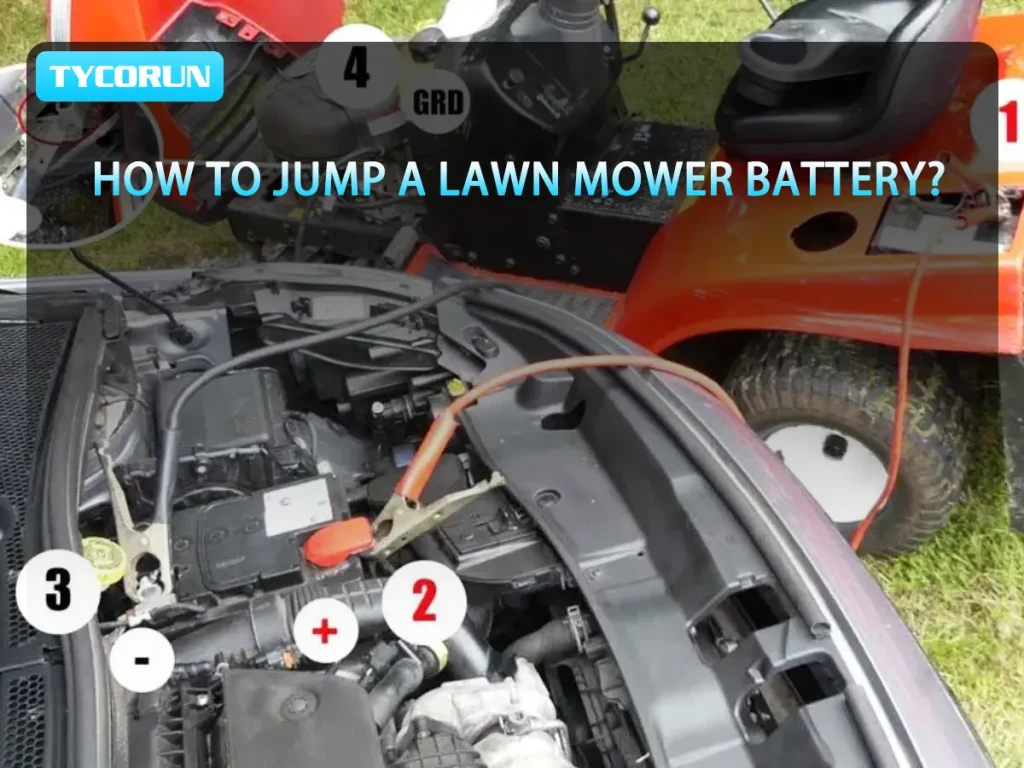
Is your mower battery dead right when you need it most? Instead of buying a new one or waiting hours for a slow charger, you can quickly bring your mower back to life using your car charger.
Sounds simple, right? But if you’ve never done it before, you might wonder how to do it safely and effectively. In this guide, you’ll learn step-by-step how to charge your mower battery with a car charger, saving you time, money, and frustration.
Keep reading—you’ll be back to mowing in no time!
Credit: www.fridayparts.com
Preparing Your Mower Battery
Preparing your mower battery properly is key before using a car charger. It ensures safety and improves charging efficiency. Taking a few moments to check the battery type, inspect its condition, and gather the right tools can save you time and prevent damage.
Check Battery Type
Not all mower batteries are the same. Most lawn mowers use lead-acid or lithium-ion batteries, but you need to confirm your specific type.
Look for labels or check your mower’s manual to find the exact battery model. Using a car charger on the wrong battery type can cause damage or reduce battery life.
Have you ever assumed a battery was standard, only to find out it wasn’t compatible with your charger? Avoid that mistake by verifying your battery type first.
Inspect Battery Condition
Before charging, closely examine your battery for cracks, leaks, or corrosion. Damaged batteries are unsafe to charge and may cause acid spills or electrical shorts.
Check the terminals for any buildup of white or greenish residue. Cleaning terminals with a mixture of baking soda and water can improve the connection.
If your battery looks swollen or severely corroded, it’s better to replace it than risk charging. Have you noticed unusual battery behavior or leaks? That’s a warning sign.
Gather Necessary Tools
Having the right tools ready makes the charging process smoother and safer. You will need:
- A car battery charger suitable for your mower’s battery type
- Protective gloves and safety glasses
- A wire brush or battery terminal cleaner
- Multimeter to check voltage (optional but helpful)
- Clean cloth to wipe terminals
Skipping protective gear is risky. Safety should always come first when handling batteries and electrical equipment.
Do you have all your tools ready before starting? Preparing everything upfront can prevent frustrating interruptions.
Choosing The Right Car Charger
Choosing the right car charger is crucial when you want to charge your mower battery safely and efficiently. The wrong charger can damage your battery or even pose safety risks. Understanding what to look for will save you time, money, and frustration.
Select Compatible Charger
Not every car charger works with all mower batteries. You need to pick a charger that matches the voltage and type of your mower battery. For example, if your mower has a 12V lead-acid battery, using a charger meant for 6V batteries won’t work properly.
Check your mower’s manual or battery label to find the exact specifications. A compatible charger ensures a steady and correct flow of power, which helps extend your battery’s life.
Understand Charger Specifications
Look closely at the charger’s output voltage and current ratings. A charger with a voltage higher than your battery’s rating can cause overcharging, while too low voltage won’t charge effectively.
Charging current also matters. A high current charger will charge faster but might stress the battery if it’s not designed for quick charging. Slow charging is safer but takes longer.
Ask yourself: Do you want a quick charge or a safer, slower one? Your choice depends on how soon you need your mower back in action.
Safety Features To Look For
Safety should never be an afterthought. Look for chargers with built-in protections like:
- Overcharge protection to stop charging when the battery is full
- Short circuit protection to avoid sparks or damage
- Reverse polarity protection to prevent damage if you connect the cables wrong
- Temperature control to avoid overheating
These features protect both your battery and your vehicle’s electrical system. Have you ever seen a charger get too hot or spark? Choosing one with these safeguards can prevent accidents and costly repairs.
Step-by-step Charging Process
Disconnect the mower battery and clean the terminals for a secure connection. Connect the car charger clamps to the battery terminals, matching positive to positive and negative to negative. Plug in the charger, turn it on, and let the battery charge until full.
Charging a mower battery with a car charger can be a practical solution, especially when your mower’s battery is running low and you need a quick fix. This process isn’t complicated, but it requires some specific steps to ensure safety and effectiveness. Let’s dive into the detailed process and see how you can do this efficiently.Disconnect Battery From Mower
Start by disconnecting the battery from your mower. This is a crucial step to prevent any accidental electrical issues. Make sure the mower is turned off and the keys are removed. Carefully disconnect the negative cable first, followed by the positive cable, ensuring that the battery terminals are not touching anything metallic.Connect Charger To Battery
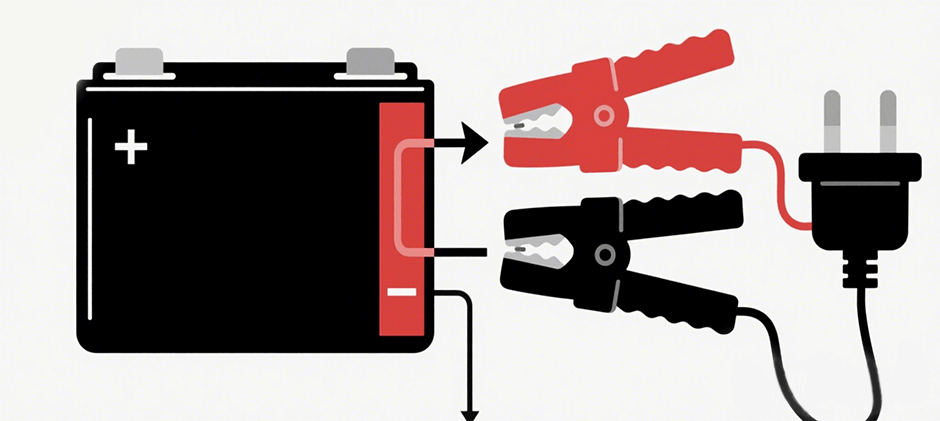
Once the battery is safely disconnected, it’s time to connect the car charger. First, attach the positive (red) clamp of the charger to the positive terminal of the battery. Then, connect the negative (black) clamp to the negative terminal. Double-check the connections for a secure fit, ensuring they are not loose.Set Charger Settings
Before turning on the charger, set it to the appropriate voltage and current settings. Most mower batteries are 12 volts, so make sure your charger is set accordingly. If your charger has an adjustable amp setting, choose a lower setting, like 2 amps, for a slow and safe charge. This helps prolong the battery’s life and reduces the risk of overheating.Monitor Charging Progress
After setting the charger, turn it on and begin the charging process. Keep an eye on the charger and the battery, checking periodically to ensure everything is functioning correctly. Most modern chargers have an indicator light or a digital display to show the charging progress. Once the battery is fully charged, turn off the charger and disconnect the clamps, starting with the negative. Have you ever found yourself halfway through mowing only to realize your battery is about to die? By following these steps, you ensure your mower is always ready to tackle the yard. What other tools do you find indispensable for quick fixes around the house?
Credit: www.tycorunenergy.com
Safety Tips During Charging
Charging your mower battery with a car charger can be a straightforward task, but it demands careful attention to safety. Ignoring basic precautions can lead to battery damage or even personal injury. Here are some essential safety tips to keep in mind while charging your mower battery.
Avoid Overcharging
Overcharging can significantly shorten your battery’s lifespan and may cause it to overheat or leak acid. Always monitor the charging process and disconnect the charger once the battery is fully charged. Some chargers come with automatic shut-off features—using one can save you the hassle and risk of overcharging.
Handle Battery With Care
Batteries contain corrosive chemicals that can harm your skin and eyes. Wear protective gloves and safety glasses when connecting or disconnecting the battery. Avoid dropping the battery or exposing it to extreme temperatures, as this can cause cracks or leaks.
Work In A Well-ventilated Area
Charging batteries can release harmful gases like hydrogen, which are highly flammable. Choose a well-ventilated space to prevent gas buildup and reduce the risk of explosion. Have a fire extinguisher nearby, just in case, and never smoke or use open flames near the charging area.
Troubleshooting Common Issues
Charging your mower battery with a car charger can be straightforward, but sometimes issues pop up that slow you down. Identifying these problems early helps you fix them quickly and keeps your mower ready to go. Let’s look at some common troubleshooting tips to get your battery back on track.
Battery Not Charging
If your mower battery isn’t charging, start by checking the battery terminals. Are they clean and free from corrosion? Dirt or rust can block the flow of electricity, stopping the charge.
Next, test the battery voltage with a multimeter. A reading below 12 volts often means the battery is deeply discharged or faulty. You might need to replace it if it won’t hold a charge after multiple attempts.
Also, verify that the charger is connected properly. Loose clamps or reversed polarity can prevent charging and even damage the battery.
Charger Not Turning On
Your car charger might refuse to power on for several reasons. First, inspect the fuse in the charger’s plug or the car’s cigarette lighter socket. A blown fuse is a common cause and easy to replace.
Check that your vehicle’s ignition is turned on. Some chargers won’t work unless the car is running or the ignition is in the accessory position.
Lastly, examine the charger cord for any cuts or frays. Damaged wires can interrupt the power supply and pose safety risks.
Unusual Battery Behavior
Notice if your battery heats up excessively during charging or if it swells. These are signs of internal damage and can be dangerous. Stop charging immediately to avoid accidents.
Sometimes, batteries show inconsistent voltage levels or lose charge quickly after being charged. This usually indicates sulfation or internal cell failure.
Have you tried charging the battery in a cooler environment? High temperatures can affect battery performance and lifespan significantly.

Credit: www.vevor.ca
Maintaining Your Mower Battery
Maintaining your mower battery is key to keeping your lawn mower ready for action whenever you need it. A well-cared-for battery lasts longer and performs better, saving you both time and money. Let’s look at some practical ways to keep your mower battery in top shape.
Regular Charging Schedule
Charging your mower battery regularly is crucial, even if you don’t use the mower often. Batteries lose power over time, so topping them up prevents deep discharge that can damage them.
Try to charge your battery every two to three weeks during the off-season. This simple routine can extend your battery’s life by months. Have you noticed your battery struggling after long storage? That’s often due to irregular charging.
Proper Storage Techniques
Where and how you store your mower battery affects its health significantly. Store it in a cool, dry place away from direct sunlight and extreme temperatures.
Remove the battery from the mower if you won’t be using it for a while. Keep it on a non-conductive surface and avoid leaving it connected to the mower. This prevents slow power drain and corrosion on the terminals.
Signs Battery Needs Replacement
Knowing when your mower battery needs replacing saves you from unexpected breakdowns. Common signs include slow starting, dim lights if your mower has them, and the battery not holding a charge after several attempts.
If you notice swelling, leaks, or a rotten egg smell, stop using the battery immediately. These are clear warnings that it’s time to get a new one for your safety and mower’s performance.
Frequently Asked Questions
How Do I Charge A Mower Battery With A Car Charger?
To charge a mower battery with a car charger, connect the charger clamps to the battery terminals. Ensure the charger is set to the correct voltage. Turn on the charger and monitor the battery until fully charged. Always follow safety precautions during the process.
Can I Use A Car Charger For All Mower Batteries?
Car chargers work best with 12-volt lead-acid mower batteries. Using a charger with incompatible voltage or battery type can cause damage. Always check your mower battery’s specifications before charging. Consult your mower’s manual or battery label for proper guidance.
How Long Does It Take To Charge A Mower Battery?
Charging time depends on battery capacity and charger output. Typically, it takes 4 to 8 hours to fully charge a mower battery. Using a faster charger can reduce time but may harm battery life. Always follow recommended charging durations for best results.
Is It Safe To Charge A Mower Battery With A Car Charger?
Yes, it is safe if you use the correct charger and follow instructions. Avoid overcharging and ensure proper ventilation during charging. Disconnect the charger once the battery is full. Always wear protective gear to prevent accidents.
Conclusion
Charging a mower battery with a car charger is simple and safe. Always connect the cables correctly to avoid damage. Keep an eye on the charging process and never leave it unattended. This method saves time and money by using tools you already have.
Follow these steps carefully for good results. Now, your mower will be ready to work whenever you need it. Easy and effective charging is just a few steps away.





