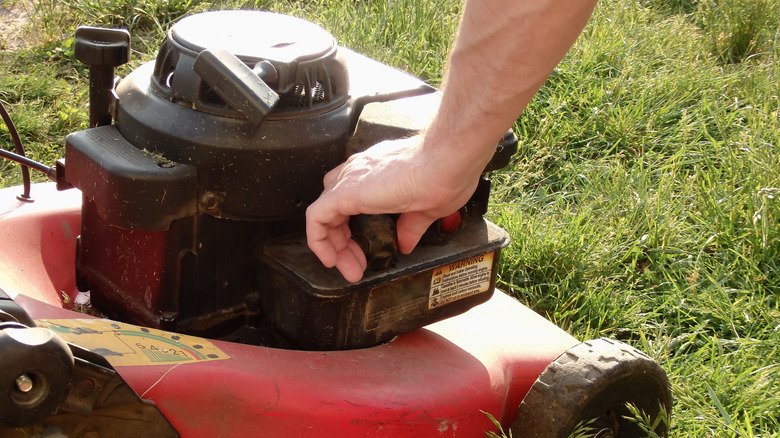
If you want your mower to run smoothly next season, draining it before storage is a must. Leaving fuel in your mower can cause clogs, damage, and costly repairs.
But don’t worry—draining your mower is easier than you think. In this guide, you’ll discover simple steps to protect your mower and save money. Keep reading to learn exactly how to drain your mower before storage and keep it in top shape for years to come.
Credit: www.familyhandyman.com
Why Drain Your Mower
Draining your mower before storage is a small task that can save you from big headaches later. Many overlook this step, but it plays a crucial role in keeping your mower ready and reliable for the next season. Have you ever tried starting a mower only to find it clogged or unresponsive? That’s often due to fuel left sitting inside.
Prevent Fuel Degradation
Fuel doesn’t stay fresh forever. When left in your mower’s tank, gasoline can break down and form varnish or gum deposits. These sticky residues can clog fuel lines and filters, causing poor engine performance.
Draining the fuel removes the chance for this degradation to occur. If you want your mower to start smoothly after months of storage, emptying the tank is essential.
Avoid Carburetor Issues
The carburetor mixes fuel and air to power your engine. Old fuel can leave behind sticky deposits inside the carburetor, leading to blockages and improper fuel flow. This often results in rough idling or failure to start.
Emptying the fuel tank and running the engine dry helps keep the carburetor clean. This simple step can prevent costly repairs or the need for a carburetor rebuild later on.
Reduce Engine Damage
Fuel left in the mower can cause more than just clogs—it can lead to corrosion inside the engine. Water can condense inside the tank, mixing with fuel and causing rust. Rust particles can damage engine components, reducing your mower’s lifespan.
Draining the mower protects internal parts from corrosion and extends engine life. Isn’t it better to spend a few minutes now than repair or replace your mower down the road?
When To Drain The Mower
Knowing the right time to drain your mower before storage is crucial for keeping it in top shape. Draining at the wrong moment can lead to engine problems and costly repairs. Let’s look at the best times to empty your mower’s fuel tank to help you avoid these issues.
End Of Season Timing
Draining your mower at the end of the mowing season is essential. Leaving fuel in the tank over winter can cause it to go stale and clog the carburetor. I once skipped this step and ended up with a mower that wouldn’t start the next spring — a frustrating and avoidable problem.
Try to drain the tank right after your last cut of the season. This stops fuel breakdown and keeps your engine clean. Even if you plan to store the mower indoors, fuel left inside can still cause damage over several months.
Before Long Storage Periods
If you won’t be using your mower for several weeks or months, draining the fuel is a smart move. Gasoline degrades quickly, especially when exposed to air and temperature changes. This degradation leads to sticky residues that block fuel lines and filters.
Think about how long you’ll store the mower. If the break is longer than 30 days, draining the tank prevents buildup inside the engine. This small step saves you time and money when it’s time to get back to mowing.
Tools Needed For Draining
A fuel siphon or a fuel container helps safely remove gasoline from the mower. A wrench or screwdriver may be needed to open fuel caps or drain plugs. Clean rags are useful for wiping spills during the draining process.
Before storing your mower, draining it is crucial. This prevents fuel from degrading and harming the engine. To drain the mower effectively, gather the right tools. Proper equipment ensures a smooth and safe process. Below are the essential tools needed for draining your mower.Fuel Container
A sturdy fuel container is essential. Choose one designed for gasoline. This prevents spills and leaks. It also ensures safe storage of the fuel. Keep the container nearby during the draining process. It allows for quick transfer of gasoline.Wrenches And Screwdrivers
Wrenches and screwdrivers help access the fuel line. They are needed to loosen clamps and screws. A socket wrench set is ideal for different sizes. Ensure your tools are in good condition. This prevents stripping screws or bolts.Gloves And Safety Gear
Safety gear is vital when handling fuel. Gloves protect your hands from spills. Use safety glasses to shield your eyes. Wear long sleeves to cover your skin. Safety gear reduces the risk of accidents. Always prioritize safety during this task.
Credit: trimyxs.com
Step-by-step Draining Process
Draining your mower before storage keeps the engine healthy. Old fuel can clog parts and cause problems next season. Follow these steps carefully for a clean fuel system. This process helps avoid costly repairs and ensures your mower starts easily later.
Locate The Fuel Valve Or Shut Off
Find the fuel valve on your mower. It is usually near the fuel tank or carburetor. Turn the valve to the “off” position to stop fuel flow. This step prevents leaks during draining. If your mower has no fuel valve, skip this step.
Drain The Fuel Tank
Remove the fuel cap carefully. Use a siphon pump or drain the fuel into a container. Make sure to use a clean, approved container for gasoline. Avoid spilling fuel on the ground or mower parts. This removes most of the old fuel from the tank.
Empty The Carburetor Bowl
Locate the carburetor bowl under the engine. Place a small container beneath it. Open the drain screw or remove the bowl carefully. Let the fuel inside drain completely. Tighten the drain screw or reattach the bowl securely after draining.
Run The Engine To Clear Fuel Lines
Turn on the fuel valve if you turned it off. Start the mower and let it run until it stops. This uses up remaining fuel in the lines and carburetor. The engine will stop when the fuel is gone. Turn off the mower and wait before storing.
Alternative Fuel Storage Tips
Proper fuel care is vital for mower storage. It keeps the engine safe and ready for use later. Using alternative fuel storage tips helps avoid problems like stale fuel and damage. These simple steps extend your mower’s life and save money.
Using Fuel Stabilizers
Fuel stabilizers slow down fuel breakdown. They keep gasoline fresh for months. Add stabilizer to fresh fuel before storing. Run the engine briefly to spread it in the tank. This stops gum and varnish buildup inside the mower.
Choose a stabilizer designed for small engines. Follow product instructions carefully. Avoid overuse to keep the fuel mixture safe. Using stabilizers means less cleaning and fewer repairs next season.
Proper Fuel Storage Containers
Use approved fuel containers only. They protect fuel from air and moisture. Containers must be airtight and made of fuel-safe materials. Store containers in a cool, dry place away from sunlight.
Label containers clearly with the fuel type and date. Avoid using old or damaged containers. Keep containers out of reach of children and pets. This practice reduces the risk of spills and fire hazards.
Post-drain Maintenance
After draining the fuel from your mower, paying attention to post-drain maintenance helps keep it in top shape during storage. These small tasks prevent damage and make your mower ready to go when the next season arrives.
Clean Or Replace The Air Filter
Your mower’s air filter collects dirt and debris, which can clog it over time. Take a moment to remove the filter and check its condition. If it’s covered in dust or oil, clean it gently with soap and water or replace it entirely.
A clean air filter improves engine performance and helps avoid costly repairs. Think about the last time you ignored this step—did your mower struggle to start? Keeping this simple part fresh can save you headaches later.
Check And Change Oil
Oil keeps your mower’s engine parts lubricated and running smoothly. After draining fuel, check the oil level and quality. If the oil looks dark or gritty, it’s time for a change.
Changing the oil before storage prevents sludge buildup and corrosion. You’ll find your mower starts easier and lasts longer when you treat the oil like the lifeblood it is. Have you noticed how clean oil makes a difference in engine sound?
Inspect Spark Plug Condition
The spark plug ignites the fuel-air mixture inside the engine, so its condition directly affects mower performance. Remove the spark plug and look for carbon buildup, cracks, or wear.
If the spark plug looks worn or fouled, replace it. Cleaning it with a wire brush can help if it’s only lightly dirty. This simple check can prevent starting problems and keep your mower running efficiently next season.
Storing The Mower Safely
Storing the mower safely protects it from damage and extends its life. Proper storage prevents rust, corrosion, and mechanical issues. It also keeps the mower ready for use next season.
Taking simple steps ensures your mower stays in good shape during storage.
Choose A Dry, Covered Location
Select a place that stays dry and shields the mower from rain and snow. A garage or shed works best. Avoid storing the mower outside, where moisture can cause rust. Good air circulation helps prevent mold and mildew.
Protect Against Rodents And Moisture
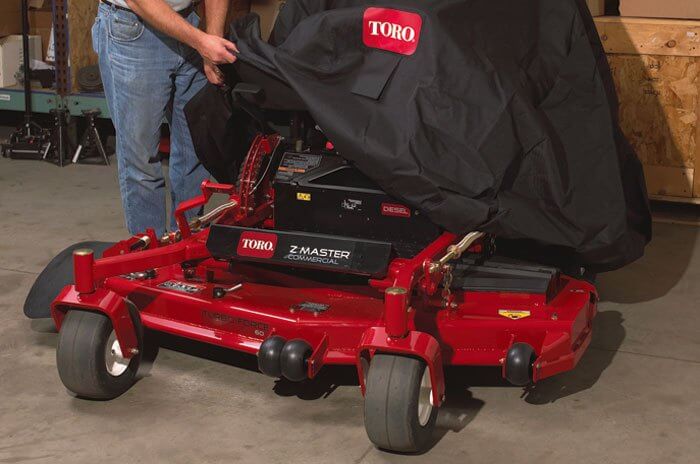
Rodents can chew wires and damage parts. Use rodent repellents or traps near the mower. Cover the mower with a breathable tarp to block moisture but allow airflow. Keep the area clean and free of food scraps to avoid attracting animals.
Credit: www.yardcare.com
Frequently Asked Questions
How Do You Drain Fuel From A Mower Before Storage?
To drain fuel, run the mower until it stops. Then, open the fuel valve or siphon out remaining gasoline. This prevents stale fuel from damaging the engine during storage.
Why Is Draining The Mower Important Before Storage?
Draining prevents fuel from gumming up the carburetor. It also stops engine damage caused by stale fuel. Proper draining extends mower life and ensures easy starting next season.
How Long Should You Run The Mower To Drain Fuel?
Run the mower until it runs out of fuel and stops. This usually takes about 5 to 10 minutes depending on the fuel amount.
Can You Store A Mower Without Draining The Fuel?
Storing without draining risks fuel degradation. Old fuel can clog carburetors and cause engine problems. It’s best practice to drain or stabilize fuel before storage.
Conclusion
Draining your mower before storage keeps it safe and ready for use. Empty fuel stops damage and helps the engine last longer. Take time to drain carefully and follow simple steps. Store your mower in a dry place to avoid rust.
A little effort now saves money and trouble later. Ready for next season with no hassle. Simple care makes a big difference. Keep your mower working well all year.





