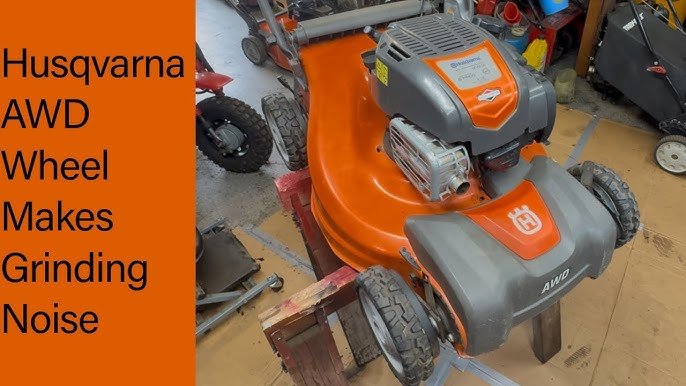
Is your mower making a grinding noise when you try to change gears? That annoying sound could mean your mower’s transmission needs fixing.
If you ignore it, you might end up with a costly repair or even a broken mower. But don’t worry—you can learn how to fix mower transmission grinding right now. In this guide, you’ll discover simple steps to stop the grinding, save money, and get your mower running smoothly again.
Keep reading, and take control of your mower’s health before the problem gets worse.

Credit: www.reddit.com
Common Causes Of Transmission Grinding
Transmission grinding in lawn mowers often signals a mechanical problem. Understanding the common causes helps in fixing the issue quickly. It also prevents further damage to the mower’s transmission system.
Several factors can lead to grinding noises during operation. These problems usually involve key components inside the transmission or related parts. Identifying the source is the first step to a smooth-running mower.
Worn Gears And Bearings
Gears and bearings work together to transfer power. Over time, these parts wear down due to friction and use. Worn gears may not mesh properly, causing grinding sounds. Damaged bearings can create extra resistance and noise. Regular inspection can spot wear before serious damage occurs.
Low Or Contaminated Transmission Fluid
Transmission fluid lubricates gears and bearings to reduce friction. Low fluid levels cause metal parts to rub harshly, creating grinding. Contaminated fluid with dirt or debris also harms internal components. Check fluid levels and quality often to keep the transmission running smoothly.
Damaged Clutch Components
The clutch engages and disengages power to the transmission. Worn or broken clutch parts fail to connect properly. This leads to slipping and grinding sounds when the mower moves. Clutch damage requires timely repair to avoid complete transmission failure.
Loose Or Misaligned Parts
Transmission parts must fit tightly and align correctly. Loose bolts or shifted components cause gears to misalign. This misalignment creates grinding noises and may damage teeth on gears. Tightening and aligning parts ensures proper gear engagement and quiet operation.

Credit: www.youtube.com
Tools And Materials Needed
Fixing a mower transmission that grinds requires the right tools and materials. Having everything ready makes the repair smoother and faster. The tools help you open parts, replace broken pieces, and clean the system well.
Here is a list of what you need to prepare before starting the repair.
Basic Hand Tools
- Screwdrivers (flathead and Phillips)
- Socket wrench set
- Pliers (needle-nose and regular)
- Adjustable wrench
- Hammer
- Wire brush
- Work gloves
- Safety goggles
Replacement Parts
- Transmission gears
- Clutch parts
- Drive belt
- Seals and gaskets
- Bearings
- Springs
Lubricants And Cleaners
- Grease for gears and bearings
- WD-40 or penetrating oil
- Brake cleaner or degreaser
- Rags or shop towels
- Compressed air (optional)
Preparing The Mower For Repair
Repairing a mower’s transmission requires careful preparation. Before diving into the mechanics, set the stage for a smooth repair process. Properly preparing your mower ensures a safer and more efficient fix. Follow these steps to get your mower ready for repair.
Safety Precautions
Safety is the priority during any repair task. Start by disconnecting the spark plug to prevent accidental starts. Wear gloves to protect your hands from sharp edges. Use safety goggles to shield your eyes from debris. Ensure your working area is well-lit and ventilated.
Accessing The Transmission
Begin by placing the mower on a flat surface. Lift the mower using a jack or sturdy support. This provides better access to the mower’s underside. Remove any protective covers or shields blocking the transmission. Keep screws and bolts in a safe place for reassembly.
Cleaning The Work Area
A clean workspace minimizes the risk of losing small parts. Sweep away dirt and grass clippings from the area. Use a brush or compressed air to clear debris from the transmission. A tidy work area makes the repair process more efficient.

Credit: www.youtube.com
Step-by-step Repair Process
Fixing a mower transmission grinding noise requires careful attention and a clear plan. Tackling the issue step-by-step not only makes the process manageable but also increases the chances of a successful repair. Let’s walk through the essential actions you’ll take to restore smooth operation to your mower’s transmission.
Draining And Inspecting Transmission Fluid
Start by locating the transmission drain plug and carefully draining the fluid into a clean container. Pay attention to the fluid’s color and consistency—dark, gritty, or burnt-smelling fluid often signals internal wear or damage. This simple check can give you valuable clues about what’s going wrong inside your mower.
Don’t rush this part. Fluid inspection is your first insight into whether the problem might be more serious than just a low fluid level. Have you noticed if the fluid looks cloudy or contains metal shavings? That’s a sign you’ll need to dig deeper.
Removing And Examining Transmission Components
After draining the fluid, you’ll need to remove the transmission housing to access the internal parts. Lay out all components neatly and take pictures as you go—this makes reassembly much easier. Check gears, bearings, and shafts for signs of wear, cracks, or chips.
Look closely for any parts that feel loose or have excessive play. Sometimes, the problem is as simple as a misaligned gear or a worn bearing causing the grinding noise. Have you ever found a small, overlooked part that turned out to be the culprit?
Replacing Worn Or Damaged Parts
Once you identify worn or damaged components, replace them with exact matches from your mower’s manufacturer or trusted suppliers. Using the wrong parts can cause more damage down the line and increase your repair costs. Keep your receipts and note part numbers for future reference.
Even if only one gear looks bad, consider inspecting all related parts for wear. Grinding noises often come from a combination of small issues rather than a single failure. What’s your experience with sourcing quality replacement parts?
Reassembling The Transmission
With new parts in hand, carefully reassemble the transmission. Use your photos and notes to ensure everything goes back exactly as it came out. Tighten bolts to the manufacturer’s specifications to avoid leaks or misalignment.
Take your time here—rushing can cause you to miss small details that lead to future problems. Do you double-check your work or rely on memory during reassembly?
Refilling Transmission Fluid
After reassembly, refill the transmission with the recommended type and amount of fluid. Avoid overfilling, which can cause pressure issues, or underfilling, which leads to poor lubrication. Check your mower’s manual for fluid specifications.
Once filled, run the mower briefly and listen for any unusual noises. Smooth operation means you’ve done the job right. What signs do you look for to confirm a repair is successful?
Testing And Adjusting The Transmission
Testing and adjusting your mower’s transmission is key to stopping that grinding noise and ensuring smooth operation. This process helps you pinpoint if the issue is truly with the transmission or if something else is causing the problem. Taking the time to carefully check and tweak settings can save you from costly repairs down the line.
Starting The Mower And Checking Performance
Begin by starting your mower in a safe, open area. Listen closely for any grinding sounds as you engage the transmission. Pay attention to how smoothly the mower moves forward and backward.
If you notice resistance or unusual noises, try shifting between gears slowly. Does the grinding stop or get worse? This can help you understand if the transmission gears are misaligned or worn out.
Fine-tuning Transmission Settings
Most mowers have adjustable transmission settings like tension or belt alignment. Check your owner’s manual for specific instructions on how to access these adjustments.
Use a wrench or screwdriver to make small changes. After each adjustment, test the mower again. This trial-and-error approach helps you find the perfect balance for smooth gear engagement.
- Adjust the belt tension to avoid slipping
- Check for proper alignment of pulleys
- Lubricate moving parts as recommended
Identifying Persistent Issues
If grinding continues despite your adjustments, consider other factors like worn gears or damaged bearings. These parts may need replacement.
Ask yourself: Has the transmission been making noise for a long time, or did it start suddenly? Sudden grinding might indicate a broken component, while gradual noise could mean wear and tear.
At this point, consulting a professional or ordering specific replacement parts might save you frustration and time. Don’t ignore persistent grinding—it’s a sign your mower needs proper attention before bigger problems arise.
Preventive Maintenance Tips
Preventive maintenance keeps your mower’s transmission running smoothly. It stops grinding noises and costly repairs. Small care steps extend the life of your mower. Follow simple tips to avoid transmission problems.
Regular Fluid Checks And Changes
Check transmission fluid level often. Low fluid causes grinding and damage. Use the recommended fluid type for your mower. Change fluid as the manual suggests. Clean fluid helps parts move easily and stay cool.
Routine Inspection Of Transmission Parts
Look at belts, gears, and seals regularly. Worn parts cause slipping and noise. Tighten loose bolts and replace damaged components. Catch issues early to prevent bigger problems. Use a flashlight to see small cracks or leaks.
Proper Storage And Handling
Store your mower in a dry, clean place. Avoid damp spots that cause rust. Lift the mower when moving to protect the transmission. Keep the mower upright to stop fluid leaks. Clean the mower after each use to remove dirt and debris.
Frequently Asked Questions
What Causes Mower Transmission Grinding Noise?
Grinding noise often results from worn gears, low transmission fluid, or damaged bearings. Regular maintenance helps prevent these issues.
How Do I Fix Mower Transmission Grinding?
Check fluid levels, replace worn parts, and lubricate gears. If unsure, consult a professional for accurate repair.
Can Low Transmission Fluid Cause Grinding In Mowers?
Yes, low fluid reduces lubrication, causing metal parts to grind and wear quickly. Always maintain proper fluid levels.
How Often Should Mower Transmission Be Serviced?
Service mower transmission at least once a year or after 50 hours of use to ensure optimal performance.
Conclusion
Fixing mower transmission grinding takes patience and careful steps. Start by checking the fluid and gears for damage. Tighten or replace parts as needed to stop the noise. Regular maintenance helps prevent future problems. A smooth-running mower saves time and effort.
Keep tools handy and follow safety rules during repairs. Small fixes can make a big difference in mower life. Stay calm, work methodically, and you will see results. Your mower will run quietly and efficiently again.





