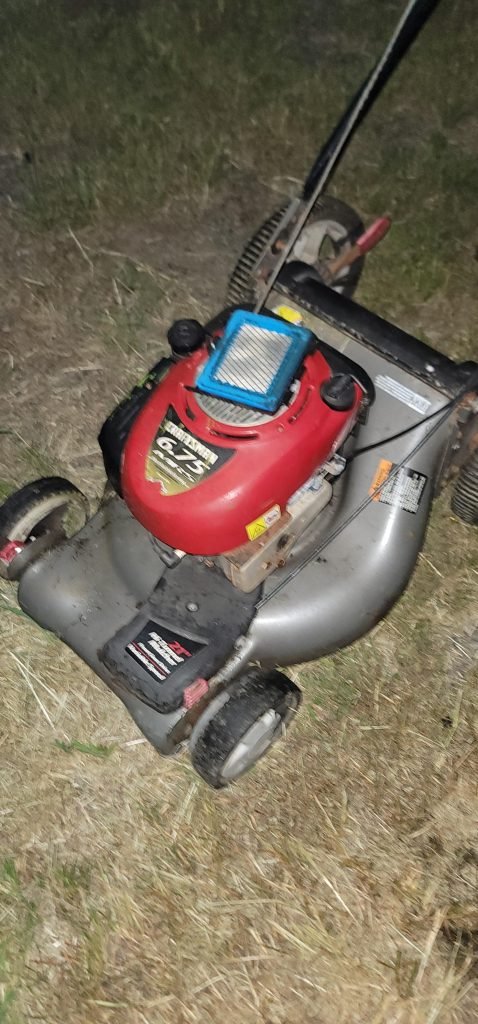
You just installed a new carburetor on your mower, expecting it to roar to life—but it won’t start. Frustrating, right?
You might be wondering why a brand-new part isn’t doing its job. The good news is, you’re not alone, and this problem usually has simple solutions. You’ll discover the common reasons behind this issue and how you can fix them quickly.
Keep reading, and you’ll have your mower running smoothly again in no time.
Common Causes Of Starting Issues
Starting problems with a mower, even after installing a new carburetor, are common. Several factors can stop the engine from firing up. Identifying the exact cause helps fix the issue quickly. The most frequent reasons relate to fuel, air, ignition, or the carburetor setup itself.
Fuel Supply Problems
Fuel issues often stop the mower from starting. Old or stale fuel clogs the carburetor passages. A dirty fuel filter restricts flow. Check the fuel line for cracks or leaks. Make sure the fuel tank has clean, fresh gasoline. Without proper fuel, the engine cannot run.
Airflow Blockages
Air is crucial for combustion. A blocked air filter chokes the engine. Dirt, dust, or debris can clog the filter quickly. Inspect the air filter and clean or replace it if needed. Clear any debris around the carburetor air intake. Good airflow helps the engine start and run smoothly.
Ignition System Faults
The ignition system creates the spark to start the engine. Faulty spark plugs or damaged ignition coils cause no spark. Check the spark plug for wear or carbon buildup. Replace the plug if it looks damaged. Test the ignition coil for proper function. Without a spark, the engine won’t start.
Incorrect Carburetor Installation
Improper carburetor installation can block fuel or air flow. Loose bolts or gaskets cause air leaks. Incorrect linkage adjustment stops the throttle or choke from working. Double-check the carburetor mounting and connections. Ensure all parts fit tightly and correctly. A well-installed carburetor is essential for smooth starting.

Credit: www.youtube.com
Checking Fuel And Air Flow
When your mower won’t start even after installing a new carburetor, the issue often lies with fuel and air flow. These two elements are crucial for the engine to run smoothly. Without a proper balance of clean fuel and unrestricted air, your mower might fail to ignite.
Inspecting The Fuel Line
Check the fuel line for any blockages or cracks. A clogged fuel line can prevent gasoline from reaching the carburetor, causing startup failure.
Look for any signs of wear or damage that could be leaking fuel or letting air in. Replacing a cracked line is cheap and easy, but ignoring it can waste your time troubleshooting other parts.
Cleaning The Air Filter
A dirty air filter chokes the engine by restricting airflow. Remove the filter and tap it gently to shake off dust and debris.
If it’s too clogged, wash it with warm soapy water or replace it entirely. A clean air filter improves combustion and helps your mower start faster.
Ensuring Proper Venting
Check the fuel tank vent to make sure it isn’t blocked. If the tank can’t “breathe,” a vacuum forms inside, stopping fuel flow to the carburetor.
Try loosening the fuel cap or cleaning the vent hole. You might be surprised how often this simple fix gets your mower running again.
Carburetor Adjustment Tips
Installing a new carburetor on your mower doesn’t always solve starting issues. Proper adjustment is crucial for optimal performance. Understanding the right steps ensures your mower starts smoothly and runs efficiently. Let’s explore essential tips for adjusting your carburetor.
Setting The Idle Speed
The idle speed controls the engine’s low-speed operation. First, locate the idle screw on the carburetor. Turn it clockwise to increase the speed. Turn it counterclockwise to decrease. Listen carefully to the engine. It should run smoothly without sputtering. If it stalls, adjust slightly until it idles consistently.
Adjusting The Mixture Screws
Mixture screws control air and fuel balance. Locate these screws on the carburetor. Start by turning them clockwise gently until they stop. Then, turn them back counterclockwise by one-and-a-half turns. This is a good starting point. Listen to the engine. It should run smoothly without backfiring. Make small adjustments to find the perfect mix.
Verifying Choke Operation
The choke helps start a cold engine. Ensure the choke opens and closes fully. Move the choke lever and observe its movement. It should not stick or move slowly. A functioning choke is vital for easy starts in cold weather. Adjust the linkage if necessary for smooth operation.

Credit: www.reddit.com
Electrical And Ignition Checks
Electrical and ignition problems often cause a mower not to start, even after installing a new carburetor. Checking these components can save you time and frustration. Ignoring them means you might replace parts unnecessarily without solving the root issue.
Spark Plug Inspection
Check the spark plug for dirt, wear, or damage. A fouled or broken spark plug won’t create the spark needed to ignite the fuel-air mix. Remove the plug and look for black soot or cracks; these signs mean it needs cleaning or replacement.
Also, test the spark by grounding the plug against the engine and pulling the starter cord. If you don’t see a bright blue spark, the plug or ignition system might be faulty. Have you checked your spark plug’s gap? Sometimes adjusting it to the correct distance helps restore the spark.
Testing The Ignition Coil
The ignition coil sends voltage to the spark plug, so a faulty coil can prevent starting. Use a multimeter to measure resistance; the readings should match the manufacturer’s specifications. If they don’t, the coil might need replacement.
Sometimes the coil looks fine but fails under engine load. If you’ve tested the coil and spark plug without success, consider swapping in a known good coil to see if the mower starts. This practical test often confirms the problem quickly.
Examining Wiring Connections
Loose or corroded wiring can interrupt the electrical flow and stop the mower from starting. Inspect all ignition wires, connectors, and ground points for damage or corrosion. Clean any corrosion with a wire brush and tighten loose connections.
Wiring problems are often overlooked because they don’t show obvious signs. Have you checked the continuity of your wires using a multimeter? A break in the wiring harness can be the hidden cause behind your mower’s stubborn no-start condition.
Additional Quick Fixes
When a new carburetor is installed and the mower still won’t start, some quick fixes can help. These fixes focus on small parts that affect fuel flow and engine performance. Checking these can save time and avoid extra repairs.
Cleaning The Carburetor Jets
Carburetor jets can clog with dirt or old fuel. Clean them carefully with a fine wire or carburetor cleaner. This removes blockages and helps fuel flow smoothly. Clean jets improve engine start and running.
Replacing Fuel Filter
A dirty fuel filter blocks fuel from reaching the engine. Replace the filter if it looks clogged or old. A new filter ensures clean fuel flow. This quick change often fixes starting problems after carburetor replacement.
Ensuring Fresh Fuel Use
Old or stale fuel can cause the mower to stall or not start. Always use fresh gasoline. Drain old fuel from the tank and carburetor bowl. Fresh fuel burns better and supports easy starting.

Credit: ahmcorp.com
Frequently Asked Questions
Why Won’t My Mower Start With A New Carburetor?
A new carburetor may be improperly installed or clogged. Check fuel lines, air filter, and spark plug for issues. Ensure the choke is set correctly to allow fuel flow.
Can A Faulty Carburetor Cause Starting Problems?
Yes, a faulty carburetor can block fuel flow or mix fuel incorrectly. This prevents the engine from starting or running smoothly.
How Do I Fix A Mower That Won’t Start After Carburetor Replacement?
Verify correct carburetor installation and tighten all bolts. Clean or replace the fuel filter. Check for air leaks and ensure proper choke and throttle settings.
Is Fuel Quality Affecting My Mower Start-up With A New Carburetor?
Old or contaminated fuel can clog the carburetor and block engine start-up. Always use fresh, clean fuel to avoid problems.
Conclusion
A mower that won’t start with a new carburetor can be frustrating. Check fuel, spark, and air flow carefully. Dirty parts or wrong installation often cause issues. Small mistakes can block the engine from starting. Take time to inspect each part closely.
Proper care helps your mower run smoothly. Keep your mower in good shape to avoid problems. Simple fixes often solve the starting trouble fast. Stay patient and methodical to get your mower working again.





