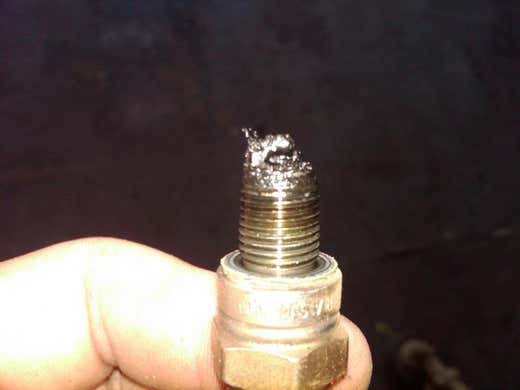
Is your mower struggling to start or running rough? The culprit might be a fouled spark plug.
When your spark plug gets dirty or clogged, it can stop your mower from working smoothly. But don’t worry—fixing spark plug fouling is easier than you think. In this guide, you’ll learn simple steps to clean or replace your spark plug and get your mower back to perfect working order.
Keep reading, and you’ll save time, money, and frustration with a quick, effective fix.

Credit: www.lawnsite.com
Causes Of Spark Plug Fouling
Excessive fuel mixturecauses the spark plug to get wet and dirty. This makes it hard to create a spark. The engine may run poorly or not start at all.
Oil contaminationhappens when oil leaks into the combustion chamber. Oil coats the spark plug, stopping it from sparking well. This can cause smoking and rough running.
Carbon buildupforms from burning fuel and oil. It creates a black, dusty layer on the spark plug. This blocks the spark and reduces engine power.
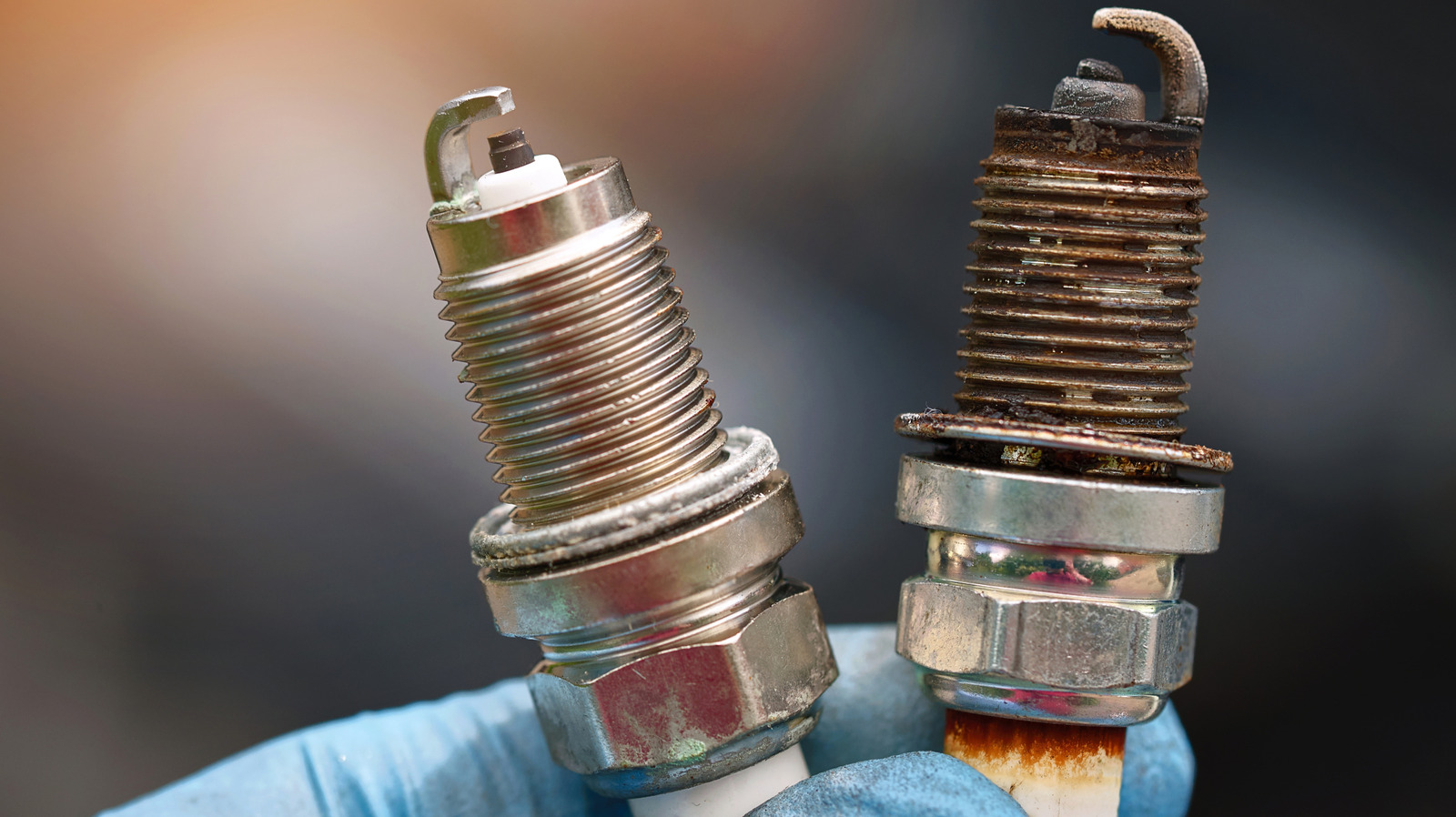
Worn spark plugmeans the plug is old or damaged. The gap may be too wide or the electrode corroded. This causes weak or no sparks, leading to engine problems.
Credit: www.slashgear.com
Tools And Materials Needed
To fix mower spark plug fouling, gather these essential tools and materials. A spark plug wrenchhelps remove and install the spark plug easily. Use a wire brush or spark plug cleanerto clean dirt and carbon off the plug. Keep a replacement spark plugnearby in case the old one is too worn out. Always wear gloves and safety gearto protect your hands and eyes during the process.
- Spark Plug Wrench– for loosening and tightening
- Wire Brush or Spark Plug Cleaner– cleans fouling and debris
- Replacement Spark Plug– ready to swap if needed
- Gloves and Safety Gear– protects skin and eyes
Removing The Spark Plug
The spark plug is usually found on the side of the mower’s engine. It looks like a small metal cylinder with a wire attached. It might be easier to see by moving some grass or dirt away.
Before removing the plug, always pull off the spark plug wire. This stops the engine from starting by accident. Grab the boot at the end of the wire, not the wire itself, to avoid damage.
A special wrench is needed to take out the spark plug. Make sure the mower is off and cool. Use steady force to turn the wrench counterclockwise. Avoid using too much power to prevent breaking the plug.
Cleaning The Spark Plug
Begin by removing the spark plug from the mower carefully. Check the plug for black carbon depositsor oily residue. These deposits cause fouling and weak spark. Use a wire brush or spark plug cleaner to remove carbon buildup gently. Avoid scraping too hard to prevent damage.
Inspect the electrode tip for wear or damage. A worn electrode can cause poor spark and engine trouble. Clean the electrode area thoroughly to ensure good contact.
Check the gap between the center and side electrode. Use a feeler gauge to measure it. The ideal gap is usually between 0.025 and 0.030 inches but check your mower’s manual for exact specs. Adjust the gap by bending the side electrode slightly if needed.
When To Replace The Spark Plug
Spark plugs should be replaced if they are dirty, worn, or causing the mower to run poorly. Frequent fouling signals it’s time for a new spark plug to keep the engine running smoothly. Regular checks help prevent mower starting problems and uneven performance.
Crackson the spark plug are a clear sign. Check for a broken insulator. If the tip looks burnt, it may be time. A dirty plug can cause problems too. Look for black sootor oil. A bad spark plug affects the mower’s power. It may feel sluggishor hard to start. The engine might misfireor stall often. You may notice less powerduring mowing. A new plug can improve performance. mower model. Check the manual for correct size and type. Some plugs are better for certain engines. Always buy a qualityspark plug. It will last longer and work better. `Reinstalling The Spark Plug
Check that the spark plug threads match the hole. Screw it in by hand first to avoid cross-threading. It should turn smoothly without force. Use a spark plug socket to tighten it carefully. Over-tightening can damage the threads or the plug itself. Tighten until snug, then add a quarter turn for a good seal.
Reattach the spark plug wire firmly. The wire must snap onto the plug’s terminal. Loose connections cause weak sparks or no spark at all. Make sure the wire boot covers the metal terminal completely.
Preventing Future Fouling
Using fresh fuelhelps keep the spark plug clean. Old fuel can cause deposits and clog the plug. Store fuel in a sealed container and avoid keeping it for long periods.
A regular maintenance scheduleensures the mower works well. Check the spark plug, oil, and blades often. Clean or replace parts as needed to avoid fouling.
Checking air filterskeeps dirt and dust out of the engine. Clean or replace filters regularly. A clean air filter helps the engine run smoothly and keeps the spark plug free of deposits.
Testing Mower Performance
Start the engine to check the mower’s performance. Notice if it starts easilyor takes time. A hard start can mean spark plug issues. Listen for any unusual soundsor sputtering. These can point to carburetor problems.
Watch how the engine runs after starting. A smooth and steadysound means good health. If it runs roughor stalls, the spark plug or carburetor might need fixing.
- Turn the carburetor screw slowly to adjust air and fuel mix.
- Too much fuel makes the engine run roughor stall.
- Too little fuel causes the engine to hesitateor lose power.
- Make small changes and test the engine each time.

Credit: www.reddit.com
Frequently Asked Questions
What Causes Spark Plug Fouling In Mowers?
Spark plug fouling occurs due to carbon buildup, oil leaks, or fuel residue. Poor air-fuel mix and engine wear also contribute. Regular maintenance prevents fouling and ensures proper mower performance.
How Can I Clean A Fouled Spark Plug?
Remove the plug and use a wire brush or spark plug cleaner. Avoid damaging the electrode. Inspect for wear and replace if cleaning doesn’t restore performance.
How Often Should I Check Mower Spark Plugs?
Check spark plugs every 25 hours of use or annually. Frequent inspection helps detect fouling early and maintains efficient engine operation.
Can Using Wrong Fuel Cause Spark Plug Fouling?
Yes, using incorrect or stale fuel can lead to fouling. It causes incomplete combustion and carbon deposits. Always use fresh, recommended fuel for your mower.
Conclusion
Fixing mower spark plug fouling keeps your mower running well. Clean or replace the spark plug regularly. Check the fuel and air filter for dirt. Use the right type of spark plug for your mower. Keep the engine tuned and avoid overloading it.
Small steps prevent big problems later. A well-maintained mower saves time and money. Take care of your mower, and it will last longer. Simple actions make a big difference in performance. Keep your lawn mower ready for every cut.





