If you want your mower to work like new and last longer, cleaning the undercarriage is a must. Grass clippings, dirt, and debris can build up under there and cause problems you don’t want to face.
But don’t worry—cleaning your mower’s undercarriage isn’t as hard as it sounds. In this guide, you’ll learn simple, step-by-step tips to get your mower spotless and running smoothly. Keep reading to discover how a little maintenance can save you time and money down the road.
Tools Needed
Before you begin cleaning your mower’s undercarriage, gathering the right tools is essential. Having everything ready not only makes the job smoother but also safer. Let’s look at the key items you’ll need to get the job done effectively.
Basic Cleaning Supplies
- Garden Hose:A hose with a spray nozzle helps remove grass clippings and dirt quickly.
- Scrub Brush:Stiff-bristled brushes work best to dislodge stuck-on debris.
- Putty Knife or Plastic Scraper:Useful for scraping off hardened grass and mud.
- Mild Detergent or Soap:Adds cleaning power without damaging mower parts.
- Bucket of Water:For mixing soap and rinsing your tools.
- Rags or Towels:Handy for drying off the undercarriage after cleaning.
When I cleaned my mower last season, having a plastic scraper made it easy to remove stubborn grass clumps. It saved me a lot of time compared to just scrubbing with a brush.
Protective Gear
- Gloves:Protect your hands from sharp edges and dirt.
- Safety Glasses:Shield your eyes from flying debris during cleaning.
- Old Clothes or Coveralls:Wear something you don’t mind getting dirty or wet.
- Closed-toe Shoes:Prevent foot injuries while working under the mower.
Have you ever underestimated the importance of gloves until you felt a sharp blade edge? Wearing gloves kept my hands safe and made the process less uncomfortable. Are you ready to gear up properly before you start?
Preparing The Mower
Preparing your mower before cleaning the undercarriage is crucial for both your safety and the effectiveness of the task. Taking the right steps upfront can save you time and prevent damage to your equipment. Let’s break down the key actions you need to take to get your mower ready.
Safety Precautions
Before you touch anything, make sure the mower is completely turned off. Remove the spark plug wire to prevent accidental starts—this simple step can protect you from serious injury.
Wear gloves to shield your hands from sharp blades and debris. Eye protection is also a smart move; dirt and grass clippings can fly up unexpectedly while cleaning.
Have a stable surface to work on and avoid slippery or uneven ground. Safety is about being cautious, not just fast.
Positioning The Mower
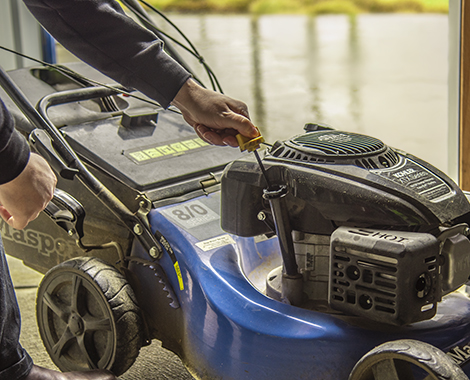
How you position your mower affects how easy it will be to access the undercarriage. Tilt the mower gently onto its side, with the air filter and carburetor facing up to prevent oil or gas leaks.
If your mower has a lifting mechanism, use it to raise the mower for better clearance. Otherwise, sturdy blocks or ramps can help elevate it safely.
Ensure the mower is stable before you start cleaning. A shaky mower can cause accidents or damage the blades.
Removing Debris
Removing grass clippings and dirt from the mower undercarriage prevents buildup that can affect performance. Use a brush or scraper to clear away stuck debris for smooth operation. Regular cleaning keeps the mower running efficiently and extends its life.
Removing debris from your mower undercarriage is crucial for optimal performance. Over time, grass clippings and dirt accumulate under the mower deck. This buildup can affect the mower’s efficiency and lifespan. Regular cleaning ensures a smooth mowing experience and extends the machine’s life.Clearing Grass Clippings
Grass clippings often stick to the mower’s undercarriage. Start by turning off the mower and disconnecting the spark plug for safety. Use a garden hose to spray away loose clippings. Aim the water jet at different angles to dislodge trapped grass. A firm brush can help scrub away remaining clippings. Ensure all grass is cleared to prevent rust and decay.Scraping Stubborn Dirt
Stubborn dirt might resist water and scrubbing. For these, use a plastic scraper to gently remove the dirt. Metal scrapers can damage the mower’s surface. Work in sections, scraping away dirt carefully. Be thorough, focusing on corners and crevices. Clean the scraper often to remove buildup. Finish by wiping the undercarriage with a damp cloth. This ensures all dirt is removed and the surface is clean.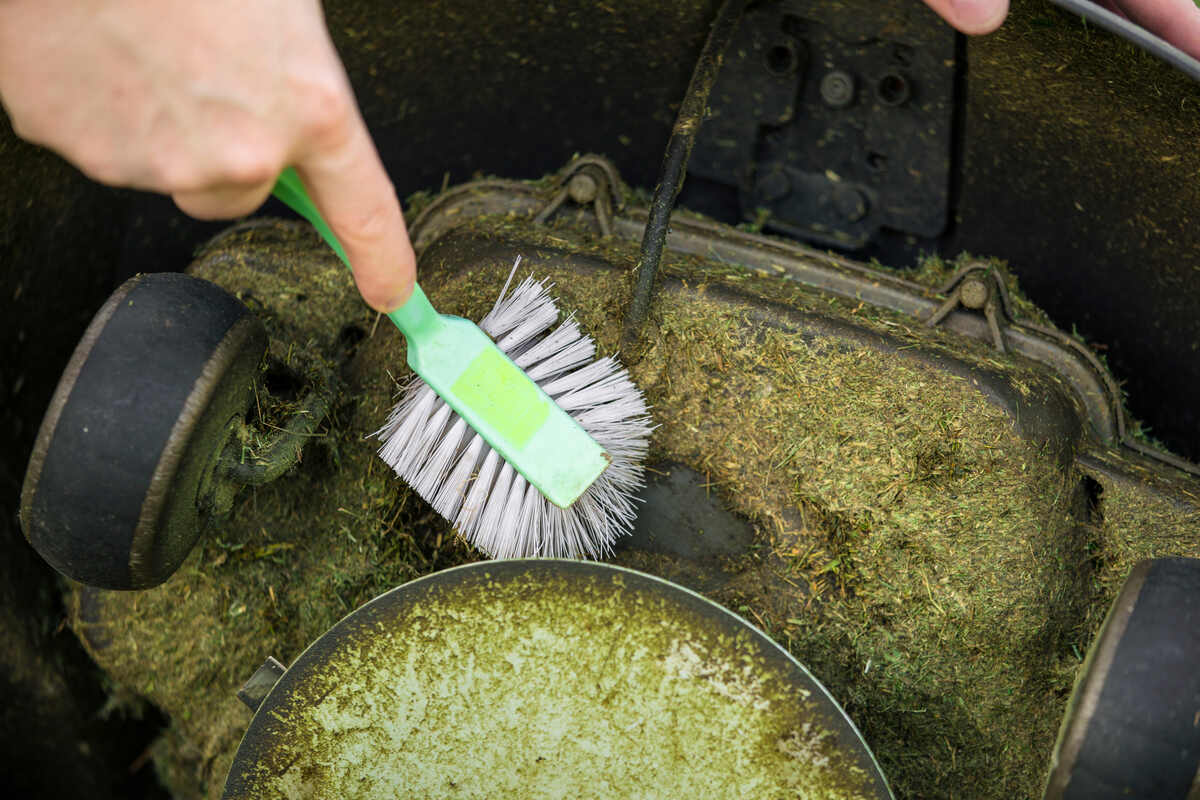
Credit: www.lawnstarter.com
Washing The Undercarriage
Washing the mower undercarriage is a crucial step to keep your equipment running smoothly. Dirt, grass clippings, and debris build up quickly, affecting performance and causing rust. Cleaning it regularly can save you costly repairs and extend the life of your mower.
Using Water And Detergent
Start by mixing warm water with a mild detergent in a bucket. Avoid harsh chemicals that can damage metal or plastic parts. Use a stiff brush to scrub the undercarriage gently but thoroughly, focusing on areas with heavy buildup.
Have you noticed how quickly grass clogs the blades and deck? Using detergent helps break down the grime that plain water won’t remove. It also makes rinsing easier and more effective.
Rinsing Techniques
After scrubbing, rinse the undercarriage with a garden hose or pressure washer. Hold the nozzle at an angle to avoid forcing water into bearings or electrical parts. Move the spray slowly to dislodge debris without causing damage.
Pay close attention to the corners and crevices where grass tends to hide. Rinsing thoroughly prevents rust and maintains the mower’s cutting efficiency. Do you inspect these spots regularly, or only when you notice a problem?
Drying And Inspecting
After thoroughly cleaning your mower’s undercarriage, the next crucial stage is drying and inspecting. Proper drying prevents moisture buildup, which can cause rust and shorten the life of your mower. Careful inspection helps you spot any issues early before they turn into costly repairs.
Preventing Rust
Moisture left on metal parts invites rust, which damages your mower’s undercarriage. Use a clean, dry cloth to wipe down all surfaces. If possible, allow the mower to air dry in a sunny, well-ventilated area for about 30 minutes.
Applying a thin layer of oil or a rust-preventive spray creates a protective barrier. This is especially important if you live in a humid area or store the mower outside. Ask yourself: Are you protecting your mower from moisture after every clean?
Checking For Damage
Take a close look at the undercarriage for any signs of wear or damage. Look for cracks, bent parts, or worn-out blades that could affect performance. Pay attention to loose bolts or screws—you want everything tight and secure.
Use a flashlight for better visibility in hard-to-see areas. If you find damage, make a plan to replace or repair those parts promptly. Catching these issues early saves you time and money in the long run.

Credit: ahmcorp.com
Regular Maintenance Tips
Keeping the mower undercarriage clean is key for its long life and good performance. Regular maintenance stops grass and dirt from building up. This helps the mower cut better and stay safe to use. Small efforts often prevent big problems.
Frequency Of Cleaning
Clean the mower undercarriage after every few uses. If the grass is wet or thick, clean it more often. Check under the deck before storing the mower for a long time. Regular cleaning stops rust and keeps the blades sharp longer.
Blade Care
Sharp blades cut grass cleanly and save the mower’s engine. Remove grass and debris from blades after each use. Inspect blades for damage or dull spots every month. Sharpen or replace blades to keep the mower working well. Always wear gloves to protect your hands.
Credit: lawnsolutionsaustralia.com.au
Frequently Asked Questions
How Often Should I Clean My Mower Undercarriage?
Clean your mower undercarriage after every use in wet or grassy conditions. Regular cleaning prevents buildup and improves mower performance. It also extends the blade’s life and reduces rust formation. Consistent maintenance ensures a smooth and efficient mowing experience.
What Tools Are Needed To Clean Mower Undercarriage?
You need a garden hose, scraper, brush, and protective gloves. A putty knife or plastic scraper removes stuck grass and debris. A stiff brush helps scrub the surface clean. Safety gear protects your hands during cleaning.
Can I Use A Pressure Washer For Mower Undercarriage?
Yes, a pressure washer is effective for deep cleaning. Use a moderate pressure setting to avoid damage. Keep the nozzle at least 12 inches away from surfaces. Avoid spraying electrical components to prevent malfunction.
Why Is Cleaning The Mower Undercarriage Important?
Cleaning prevents grass buildup, which blocks blades and reduces cutting efficiency. It also stops rust and corrosion from forming on metal parts. A clean undercarriage ensures better airflow and a healthier lawn. Regular cleaning keeps your mower working longer.
Conclusion
Cleaning your mower’s undercarriage keeps it working well. Dirt and grass build-up can cause damage. Regular cleaning helps avoid costly repairs. Use simple tools like a brush or hose. Take safety steps before you start cleaning. A clean mower cuts grass better and lasts longer.
Small efforts now save time and money later. Keep your mower ready for every mowing job. Easy maintenance makes your yard look neat and healthy. Remember, clean undercarriage means a happy mower.





